

 معاينة الحجم الواقعي
 إرسال
إرسال مشاركة
 عرض التفاصيل
 دليل الأعمال الفنية للطلاب

 تحميل
تحميل
 قطع مشابهة
 الأشعة السينية
 عرض شرائح متتابع
 الإحصائيات
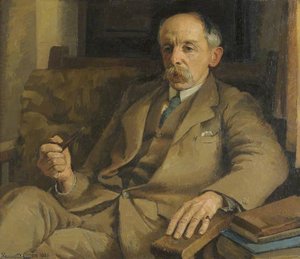
Walter George Bell (1856–1925)
 1925
1925 74.0 x 61.0 cm
 متحف فيتزويليام
 اقرأ المزيد
احصل على صورة رقمية عالية الدقة ومعزّزة، بجودة تفوق بكثير المعاينة عبر الإنترنت.
يتم إعداد كل ملف بعناية فائقة على أيدي متخصصينا باستخدام أدوات متقدمة ولمسات يدوية خبيرة، لضمان تمتع كل صورة بوضوح استثنائي، ودقة لونية متناهية، وتفاصيل دقيقة.
يتم تسليم الملف النهائي عبر البريد الإلكتروني في غضون 72 ساعة، وهو مُحسَّن للاستخدام الفوري في المجالات المهنية والتحريرية ومجالات الطباعة؛ وهي ذات الجودة التي تعتمد عليها كبرى استوديوهات التصميم ودور النشر والمعارض الفنية المرموقة.
صورة رقمية
حمّل ملفاً عالي الدقة للعرض الشخصي، والطباعة، والمشاريع الإبداعية. ( التبديل إلى المطبوعات اطلب نسخة مرسومة يدويًا)
مزايا مُضمّنة مع كل طلب صورة رقمية
خدمة تسليم رقمي احترافية ومضمونة
عندما تختار OriginalUniqueArt.com، فأنت لا تحصل على مجرد صورة فحسب، بل ستحصل على عمل فني رقمي مُحسّن باحترافية، صُمم بدقة متناهية ومصحوب بضمان الرضا. إليك كل ما يتضمنه طلبك تلقائياً:

تسليم سريع عبر البريد الإلكتروني
ستصلك ملفات صورك الرقمية عالية الدقة عبر البريد الإلكتروني في غضون 72 ساعة من إتمام الطلب - لتكون جاهزة للاستخدام الفوري.

ملف رقمي مُعزز بالذكاء الاصطناعي
يتم تحسين عملك الفني باحترافية باستخدام أدوات الذكاء الاصطناعي المتقدمة والتحرير اليدوي، لضمان أقصى درجات التفاصيل والوضوح ودقة الألوان.

إعادة إرسال مجانية مدى الحياة
هل حذفت ملفك أو فقدته عن طريق الخطأ؟ لا تقلق - سنعيد إرساله إليك في أي وقت، مجاناً.

بدون رسوم استيراد - على الإطلاق
استمتع بأعمالك الفنية فوراً دون أي رسوم جمركية أو ضرائب أو مصاريف شحن - فالتحميلات الرقمية دائماً ما تكون معفاة من الضرائب.

ضمان دقة الألوان
نضمن لك دقة انعكاس الألوان الأصلية في صورتك الرقمية بأقصى قدر ممكن، وذلك باستخدام أدوات احترافية وتقنيات متطورة لإدارة الألوان.

ضمان الرضا لمدة 100 يوم
إذا لم تكن راضياً عن صورتك الرقمية، فسنقوم بتعديلها أو استرداد 100% من قيمتها خلال 100 يوم - دون طرح أي أسئلة.

ضمان استعادة الأموال بنسبة 100%
لم تكن راضياً؟ استرد كامل المبلغ خلال 100 يوم من استلام ملفك الرقمي - دون طرح أي أسئلة.

خصومات الطلبات الكبيرة
اشتري 3 صور، ووفر 10% - اشتري 5، ووفر 15% - اشتري +10، ووفر 20%. مثالية للمشاريع الإبداعية، والمعارض، والوكالات.
سيرة الفنان
Kenneth Callahan: Weaver of the Northwest Mystique
Kenneth Callahan (1905-1986) wasn’t merely a painter; he was a conjurer, a weaver of landscapes and emotions that captured the very soul of the Pacific Northwest. Born in Seattle, Washington, into a family steeped in art – his father, a prominent landscape architect, instilled a deep appreciation for the region's rugged beauty – Callahan developed an artistic vision uniquely shaped by its isolation, its indigenous roots, and the subtle shifts of light across its dramatic terrain. His work, often characterized by muted palettes, layered textures, and a profound sense of stillness, became synonymous with what is now known as the “Northwest School” of painting, a movement that sought to depict the region’s distinctive character rather than simply replicate it.
Callahan's early artistic training was largely self-directed. He initially studied at Cornish College of Art in Seattle, but found the traditional curriculum restrictive. Seeking a more immersive experience, he spent several years traveling throughout Asia – Japan, Korea, and China – absorbing the philosophies, aesthetics, and techniques of Eastern art. This exposure profoundly influenced his approach to painting, particularly his use of color, layering, and the integration of symbolic elements. He wasn’t interested in direct imitation; instead, he sought to distill the essence of these cultures into a distinctly American voice.
Returning to Seattle in 1937, Callahan began to develop his signature style. His paintings weren't straightforward landscapes; they were complex narratives woven from memory, observation, and intuition. He frequently depicted scenes of the Puget Sound – its misty mornings, towering forests, and turbulent waters – but always with a sense of mystery and ambiguity. Recurring motifs included Native American figures, often rendered in silhouette or partial view, suggesting a connection to the land’s ancient past. The influence of Japanese woodblock prints is readily apparent in his use of bold outlines, flattened perspectives, and the deliberate juxtaposition of color and texture.
A pivotal moment in Callahan's career came with his appointment as Curator of Painting and Sculpture at the Seattle Art Museum (SAM) from 1947 to 1968. During this time, he played a crucial role in shaping the museum’s collection and fostering a regional art scene. He championed the work of other Northwest artists – including Guy Boston, Paul Kaner, and Ernest Belavá – and organized exhibitions that brought attention to their talents. His own paintings gained considerable recognition during this period, solidifying his position as a leading figure in American modernism.
Key Works & Techniques
Several works stand out as particularly representative of Callahan’s artistic vision. “The Old House” (1940), for example, captures the weathered beauty of a rural dwelling nestled amidst a dense forest, its muted colors and layered textures evoking a sense of timelessness. "The River" (1953) is another iconic piece, depicting the Puget Sound in a state of perpetual twilight, with subtle shifts in color and light creating an atmosphere of profound stillness. His use of impasto – applying paint thickly to create textural surfaces – was particularly distinctive, adding depth and physicality to his paintings.
Callahan’s technique involved multiple layers of thin washes applied over time, allowing colors to bleed and blend organically. He often worked on a large scale, creating immersive environments that invited the viewer to lose themselves in the details. His meticulous attention to surface texture – achieved through careful brushwork and the incorporation of sand or other materials – contributed significantly to the tactile quality of his paintings.
Influences & Legacy
Callahan’s artistic development was shaped by a diverse range of influences, including Japanese art, Native American culture, and the writings of writers like Jack London and Kenneth Rexroth. He admired the spareness and emotional intensity of Japanese woodblock prints, while simultaneously drawing inspiration from the myths and legends of the Pacific Northwest’s indigenous peoples. The “Northwest School” painters who followed him – such as Guy Boston and Paul Kaner – were undoubtedly influenced by Callahan's pioneering approach to depicting the region’s landscape.
Despite not achieving widespread fame during his lifetime, Kenneth Callahan’s work has gained increasing recognition in recent decades. His paintings are now exhibited in major museums throughout North America and Europe, and he is widely regarded as one of the most important figures in the history of Northwest art. He left behind a legacy of evocative landscapes that continue to resonate with viewers today, capturing the enduring mystique of the Pacific Northwest.
Further Exploration
- Key Works:** “The Old House” (1940), “The River” (1953), “The Forest” (1962)
- Museum Collections:* Seattle Art Museum, Portland Art Museum, Frye Art Museum
- Kenneth Green - OriginalUniqueArt.com
- Related Resources:* Wikipedia article: Kenneth Green (politician)
Connections to Other Artists
Kenneth Callahan’s work shares affinities with other artists exploring the American West and its relationship to nature, including Georgia O'Keeffe and Ansel Adams. Like O'Keefe, he focused on capturing the essence of a specific landscape through subtle shifts in color and texture. Similarly, his emphasis on the quiet dignity of the natural world aligns with the aesthetic principles espoused by Ansel Adams, though Callahan’s approach was decidedly more subjective and emotionally resonant.
kenneth green
1905 - 1986
حقائق سريعة
- Artistic Movement Or Style: Northwest Mystics
- Artists Or Movements Influenced By This Artist: ['Abstract painting']
- Artists Who Influenced This Artist: ['Asian art']
- Date Of Birth: 1905
- Date Of Death: 1986
- Full Name: Kenneth Callahan
- Nationality: American
- Notable Artworks:
- Ernest Hobson
- Peter Pears
- Sir William Fyfe
- Place Of Birth: Seattle, Washington