
 معاينة الحجم الحقيقي
 مشاركة
 مشاركة
 التفاصيل

 تحميل الملف
 قطع مشابهة
 الأشعة السينية
 عرض شرائح
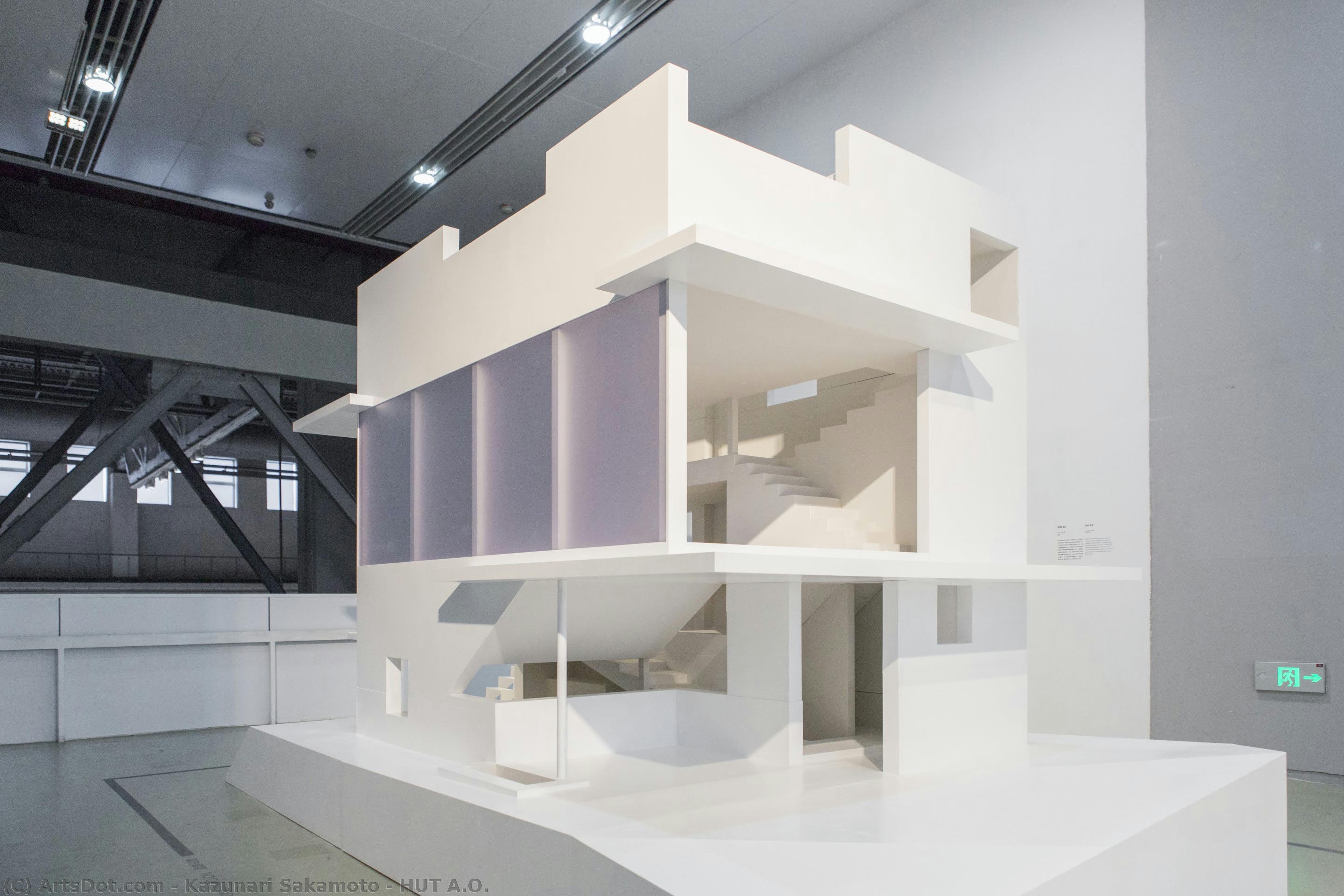
HUT A.O.


 عرض المزيد
احصل على صورة رقمية عالية الدقة ومعزّنة، بجودة تفوق بكثير المعاينة عبر الإنترنت.
يتم إعداد كل ملف بعناية فائقة من قبل متخصصينا الداخليين باستخدام أدوات متقدمة ولمسات يدوية خبيرة. نضمن أن تتمتع كل صورة بوضوح استثنائي، ودقة لونية متناهية، وتفاصيل دقيقة.
يتم تسليم الملف النهائي عبر البريد الإلكتروني في غضون 72 ساعة، وهو مُحسَّن للاستخدام الفوري في المجالات المهنية والتحريرية ومجالات الطباعة. هذه هي ذات الجودة التي تعتمد عليها كبرى استوديوهات التصميم ودور النشر والمعارض الفنية المرموقة.
صورة رقمية
حمّل ملفاً عالي الدقة للعرض الشخصي، والطباعة، والمشاريع الإبداعية. ( اشترِ نسخة مطبوعة اشترِ لوحة مرسومة يدويًا)
مزايا مُضمّنة في كل طلب صورة رقمية
تسليم رقمي احترافي، مضمون
عندما تختار OriginalUniqueArt.com، فأنت لا تحصل على مجرد صورة فحسب، بل ستحصل على عمل فني رقمي مُحسّن باحترافية، صُمم بدقة متناهية ومصحوب بضمان الرضا. إليك كل ما يتضمنه طلبك تلقائياً:

تسليم سريع عبر البريد الإلكتروني
ستصلك ملفات صورك الرقمية عالية الدقة عبر البريد الإلكتروني في غضون 72 ساعة من إتمام الطلب - لتكون جاهزة للاستخدام الفوري.

ملف رقمي مُحسّن بالذكاء الاصطناعي
يتم تحسين عملك الفني باحترافية باستخدام أدوات الذكاء الاصطناعي المتقدمة والتحرير اليدوي، لضمان أقصى درجات التفاصيل والوضوح ودقة الألوان.

إعادة إرسال مجانية مدى الحياة
هل حذفت ملفك أو فقدته عن طريق الخطأ؟ لا تقلق - سنعيد إرساله إليك في أي وقت، ومجاناً.

بدون رسوم استيراد - على الإطلاق
استمتع بأعمالك الفنية فوراً دون أي رسوم جمركية أو ضرائب أو مصاريف شحن - فالتحميلات الرقمية دائماً ما تكون معفاة من الضرائب.

ضمان دقة الألوان
نحن نضمن أن تعكس صورتك الرقمية الألوان الأصلية بأقصى قدر ممكن من الدقة، وذلك باستخدام أدوات احترافية وتقنيات إدارة الألوان.

ضمان الرضا لمدة 60 يومًا
إذا لم تكن راضياً عن صورتك الرقمية، فسنقوم بتعديلها أو استرداد 100% من قيمتها خلال 60 يوماً - دون أي أسئلة.

ضمان استعادة الأموال بنسبة % 100
لم تكن راضياً؟ احصل على استرداد كامل المبلغ خلال 60 يومًا من استلام ملفك الرقمي - دون أي أسئلة.

خصومات الطلبات الكبيرة
اشتري 3 صور، ووفر 10% - اشتري 5، ووفر 15% - اشتري +10، ووفر 20%. مثالية للمشاريع الإبداعية، والمعارض، والوكالات.
السيرة الذاتية للفنان
Kazunari Sakamoto: Exploring the Poetics of Everyday Space
Kazunari Sakamoto (坂本 一成), born in Tokyo in 1943, stands as a pivotal figure in contemporary Japanese architecture, recognized for his profound engagement with Buddhist aesthetics and his distinctive approach to residential design. His artistic philosophy centers on uncovering beauty within the seemingly mundane—a concept deeply rooted in Zen Buddhism—where simplicity, materiality, and spatial harmony converge to create environments that resonate with tranquility and contemplation. Sakamoto’s formative years were marked by exposure to influential architectural thinkers like Kazuo Shinohara, whose minimalist aesthetic profoundly shaped his artistic vision. This connection instilled a dedication to exploring the essence of form through restrained materials and subtle gestures—a stylistic hallmark that distinguishes his oeuvre from more overtly expressive movements within Japanese art history. He pursued Doctor course at Graduate School of Architecture, Tokyo Institute of Technology and lectured at Department of Architecture, College of Art and Design, Musashino Art University.- Early Career & Influences: Sakamoto’s initial explorations encompassed collaborative projects with fellow architects, notably Kunio Nakai, fostering a dialogue about architectural concepts and their relationship to philosophical ideas.
- Notable Projects: His portfolio boasts an impressive array of residential buildings—including MINASE ANNEX in Hachioji City, QUICO Jingu-mae in Osaka City, and Housing Complex in Egota—each characterized by meticulous attention to detail and a masterful manipulation of natural light and texture.
- Recognition & Awards: Sakamoto’s work has garnered considerable acclaim, culminating in awards from the Architectural Institute of Japan and the Togo Murano Award for Common City Hoshida, cementing his reputation as a visionary architect dedicated to elevating the everyday experience.
The Philosophy of “So Far Unnoticed” Spaces
Sakamoto’s architectural practice isn't merely about constructing buildings; it’s about fostering a contemplative connection between inhabitants and their surroundings—a core principle derived from Buddhist contemplation. He champions the notion that true beauty resides in spaces untouched by ostentation or grand narratives, prioritizing instead an honest engagement with materials and natural light. This approach contrasts sharply with prevailing trends toward monumental scale and technological innovation, reflecting Sakamoto’s unwavering commitment to preserving the quiet dignity of domestic life. His designs deliberately eschew overtly decorative elements, favoring instead a subtle interplay of textures and forms that invite introspection. Like Tadao Ando—a fellow architect who shares his philosophical convictions—Sakamoto seeks to create environments where occupants can experience a profound sense of presence and serenity. This pursuit aligns with Zen’s emphasis on mindfulness and acceptance, suggesting that architecture can serve as a catalyst for spiritual growth.Exploring Spatial Harmony & Material Dialogue
A key element of Sakamoto's architectural style is his masterful use of natural materials—particularly concrete and wood—to achieve spatial openness and textural richness. He meticulously considers how these elements interact with light, creating luminous interiors that evoke a sense of calm and tranquility. This technique draws inspiration from Shan Shui painting—a genre emphasizing landscape vistas imbued with symbolic meaning—where the artist strives to capture the essence of nature's beauty through understated visual cues. Furthermore, Sakamoto’s work demonstrates an acute awareness of cultural context, reflecting Japan’s tradition of valuing simplicity and harmony. His buildings don’t compete for attention; rather, they subtly guide occupants toward a state of mindful contemplation—a testament to his belief that architecture can enrich human experience by fostering connection with the natural world.Legacy & Influence
Kazunari Sakamoto's influence extends beyond his own architectural creations, shaping the perspectives of younger generations of Japanese architects who embrace similar principles of minimalist design and contemplative space. His unwavering dedication to exploring the beauty of everyday life—a cornerstone of Buddhist aesthetics—continues to inspire artists and designers globally. He is remembered as a pioneer in fusing architectural innovation with philosophical contemplation, leaving an indelible mark on the landscape of contemporary art and architecture.
kazunari sakamoto
Japan
لمحة سريعة
- Artistic Movement Or Style: Contemporary Japanese Art
- Artists Or Movements Influenced By This Artist: ['Buddhist aesthetics']
- Artists Who Influenced This Artist: ['Kazuo Shinohara']
- Full Name: Kazunari Sakamoto
- Nationality: Japanese
- Notable Artworks:
- MINASE ANNEX
- QUICO Jingu-mae
- Place Of Birth: Tokyo, Japan

