
 معاينة الحجم الواقعي
 مشاركة
 مشاركة
 التفاصيل
 دليل
دليل

 تحميل الملف
 قطع مشابهة
 الأشعة السينية
 عرض شرائح
 الأسئلة والأجوبة
 الإحصائيات
Demon


 عرض المزيد
طباعة جيلي / مطبوعات فنية
طباعة جيكلي أو كانفاس بجودة المتاحف، مع سرعة في التنفيذ وخيارات متنوعة للتشطيب. ( شراء لوحة مرسومة يدويًا الانتقال إلى الصورة الرقمية)




P118B E£10

P118H E£10

P118W E£10

P438Z E£10

P508JH E£12

P508YH E£12

P805H E£10

P805Z E£10

P919BZ E£10

P919G E£10

P919XJ E£10

P959ZH E£10

P968JZ E£12

W106C E£8

W218G E£10

W218JH E£8

W218Y E£10

W307PJ E£10

W316G E£10

W316PJ E£8

W316Y E£10

W398PJ E£8

W4111J E£10

W500HY E£15

W500JH E£15

W692G E£12

W849H E£8

W940BG E£15

W953PJ E£8




اختر من بين أحجامنا المُعدّة مسبقاً والتي تتوافق مع النسب الأصلية للعمل الفني.

أدخل العرض والارتفاع المطلوبين ليتناسب المقاس مع إطارك أو جدارك. يرجى الملاحظة أن المطبوعة يمكن قصها فقط ولا يمكن تكبيرها لتتجاوز أبعاد الصورة الأصلية، لذا فإن اختيار مقاس بأبعاد مختلفة سيؤدي إلى فقدان جزء من الصورة. سنرسل لك نموذجاً رقمياً تجريبياً لاعتماده قبل البدء في عملية الطباعة. الصورة المعروضة في هذه الصفحة لا توضح شكل القص الفعلي — النموذج التجريبي فقط هو ما يظهر ذلك بدقة.
توصيل عالمي إلى خلال أسبوعين بدلاً من المدة القياسية البالغة 4/5 أسابيع. (5 نوفمبر)

شحن سريع ومجاني لجميع أنحاء العالم

قماش كتان عالي الجودة

تأمين شامل على الشحن

ضمان استرداد الرسوم الجمركية

ضمان مطابقة الألوان الحقيقية

سياسة الإرجاع خلال 100 يوم (في حالات العيوب فقط)

ضمان استرداد نقدي بنسبة 100%

خصم عند طلب كميات
 خيار الزجاج متاح فقط للمقاسات التي تقل عن 110 سم

Demon
طباعة جيلي / مطبوعات فنية
مقاس النسخة المطبوعة
-


إجمالي السعر النهائي
E£ 4241
A Stark Vision of the Unseen: Kazimir Malevich's 'Demon'
Kazimir Malevich’s 1914 painting, “Demon,” is not merely a depiction of a monstrous figure; it’s a visceral exploration of primal fear and the unsettling power of suggestion. Rendered in a deceptively simple style—bold black outlines against a bleached-white backdrop—the artwork immediately commands attention with its raw intensity. This isn't the polished, idealized representation of art history; instead, we encounter a world stripped bare to its essential elements, echoing the nascent principles of Suprematism and hinting at the anxieties simmering beneath the surface of early 20th-century Europe.
The composition is dominated by the central demon itself. Its elongated form, with disproportionately large head, pointed ears, and a gaping mouth, evokes a sense of grotesque power. Malevich’s deliberate use of thick black lines doesn't simply define the figure; they pulsate with energy, creating an immediate and unsettling visual impact. The simplification of features—the vacant eyes, the sharp angles—heightens the feeling of otherworldliness, as if we are glimpsing a being from beyond our comprehension. Crucially, the painting’s stark palette – primarily black and off-white – amplifies this effect, creating an atmosphere of profound isolation and dread.
The Language of Symbols: Cyrillic Text and Spiritual Weight
What initially appears as a minimalist composition is profoundly enriched by the dense field of Cyrillic text that dominates the right side of the canvas. This isn’t mere decoration; it's integral to understanding the artwork’s meaning. While the exact translation remains debated, scholars believe this incantation or narrative likely served as a key to unlocking the demon’s nature and purpose within Malevich’s artistic vision. The inclusion of text adds layers of mystery, suggesting a connection between the visual image and a deeper spiritual or occult context – reflecting the prevalent interest in mysticism and the supernatural during that period.
The choice of Cyrillic script is particularly significant given Malevich's Ukrainian heritage and the painting’s creation during a time of shifting national identities. It subtly connects the artwork to Eastern European folklore and traditions, hinting at ancient beliefs surrounding demons and spirits. The text acts as a conduit, inviting the viewer to actively participate in deciphering the demon’s story – transforming the image from a static representation into an interactive experience.
Roots in Expressionism and the Dawn of Suprematism
“Demon” sits at a fascinating crossroads within art history. While undeniably influenced by the raw emotionality of Expressionism—evident in its distorted forms and unsettling subject matter—it also anticipates the revolutionary principles of Suprematism, which Malevich would later fully develop. The painting’s emphasis on pure form, reduced to its essential elements, foreshadows his later explorations of geometric abstraction. Malevich's early exposure to folk art, combined with a desire for modern expression, formed the foundation of his unique style. This piece demonstrates that journey—a deliberate move away from representational forms towards a purely abstract and spiritual realm.
Considering Malevich’s biography – born in Kyiv Oblast, Ukraine – adds another layer of complexity to the work. The painting can be viewed as a reflection on the anxieties and uncertainties of a nation undergoing rapid change and grappling with its identity. The demon, therefore, becomes not just a supernatural entity but also a symbol of internal conflict and the darker aspects of human nature.
A Legacy of Shadow and Form
“Demon” is more than simply a depiction of a frightening figure; it’s a profound meditation on fear, spirituality, and the power of visual language. Reproductions of this artwork offer a unique opportunity to experience Malevich's groundbreaking vision – a stark reminder that art can be both unsettling and deeply evocative. Its enduring appeal lies in its ability to tap into our primal anxieties while simultaneously pushing the boundaries of artistic expression.
الأسئلة والأجوبة
ما هو الطابع العاطفي لـ "Demon" للفنان كازيمير ماليفيتش؟
يتسم العمل "Demon" بطابع Mysterious، حيث يعكس هذا الطابع العاطفي الانطباع الذي يتركه العمل في النفس.
ما مدى قوة التباين في "Demon" للفنان كازيمير ماليفيتش؟
يبلغ مستوى التباين بين الضوء والظلال في "Demon" درجة Statement؛ ويُعبر التباين عن مدى قوة الاختلاف بين المناطق الفاتحة والمظلمة.
ما مدى تشبع الألوان في "Demon" للفنان كازيمير ماليفيتش؟
تتميز ألوان "Demon" للفنان كازيمير ماليفيتش بدرجة تشبع Muted، حيث يعبر التشبع عن مدى حيوية الألوان أو خفوتها.
السيرة الذاتية للفنان
كازيمير ماليفيتش: رائد الفن المجرد
في قلب المشهد الفني الروسي المضطرب في أوائل القرن العشرين، ظهر كازيمير ماليفيتش، فنانٌ أحدث ثورةً في مفهوم الصورة الفنية. وُلد في منطقة كييف الأوكرانية عام 1878، نشأ ماليفيتش في بيئة ريفية غنية بالتراث الشعبي التقليدي، وهو ما ترك بصماتٍ خفية على مسيرته الفنية اللاحقة. لم يكن طريقه إلى العبقرية مفروشًا بالورود؛ فقد واجه تحدياتٍ شخصية وفنية، لكنه استمر في البحث عن لغة فنية جديدة تتجاوز حدود التمثيل التقليدي.
في بداياته، انغمس ماليفيتش في دراسة مختلف الأساليب الفنية السائدة، بدءًا من الانطباعية والرمزية وصولًا إلى الفوفية والتكعيبية. رحلةٌ إلى باريس عام 1912 كانت بمثابة نقطة تحولٍ حاسمة في حياته المهنية؛ حيث تعرض لأحدث التطورات في الفن الأوروبي، مما أثار فيه الرغبة في التحرر من قيود التمثيل الواقعي. بدأ ماليفيتش يميل نحو تبسيط الشكل وتجريده، ساعيًا إلى إيجاد لغة فنية تقوم على الأشكال الهندسية الأساسية والألوان النقية.
نشأة السوبرماتية: ثورة في الفن
في عام 1915، أعلن ماليفيتش عن ولادة حركة "السوبرماتية"، وهي حركة فنية تهدف إلى تحقيق "السيادة المطلقة للمشاعر". رفضت السوبرماتية أي محاولة لتصوير الأشياء المرئية في العالم، مفضلةً التركيز على الأشكال الهندسية البسيطة مثل المربعات والدوائر والمستطيلات. لم يكن الهدف من ذلك هو تجاهل الواقع، بل هو البحث عن مستوى أعمق من التعبير الفني يتجاوز الحواس الظاهرية ليصل إلى جوهر المشاعر الروحانية.
"المربع الأسود" (1915) يُعدّ العمل الأكثر شهرةً لماليفيتش، ويمثل نقطة تحولٍ جذرية في تاريخ الفن. لم يكن هذا المربع مجرد شكل هندسي بسيط؛ بل كان بمثابة بيان فني جريء يتحدى المفاهيم التقليدية للجمال والتمثيل. "الأبيض على الأبيض" (1918) هي سلسلة من الأعمال التي استكشفت نقاء الشكل واللون، حيث تظهر أشكال هندسية بيضاء على خلفية بيضاء، مما يدفع بالتجريد إلى أقصى حدودِه. كما أن عمله "بيت قيد الإنشاء" (1916) يمثل مثالًا مبكرًا على السوبرماتية، حيث يعرض وجهة نظره الفريدة حول الثقافة الأوكرانية من خلال أشكال مجردة.
تأثير ماليفيتش وإرثه الفني
لم يكن تأثير ماليفيتش مقتصرًا على الحركة السوبرماتية فحسب؛ بل امتد ليشمل العديد من الحركات الفنية اللاحقة، مثل الحد الأدنى والبنائية. تحدى ماليفيتش المفاهيم التقليدية للتمثيل في الفن، وفتح الباب أمام أشكال جديدة من التعبير المجرد. أفكاره حول "السيادة المطلقة للمشاعر" ألهمت العديد من الفنانين لاستكشاف العلاقة بين الفن والعاطفة والروحانية.
على الرغم من مواجهته صعوبات سياسية في سنواته الأخيرة، حيث تعرض لقمعٍ من قبل النظام السوفيتي، استمر ماليفيتش في ممارسة فنّه وتدريسه حتى وفاته عام 1935. اليوم، يُعتبر كازيمير ماليفيتش أحد أهم الشخصيات في تاريخ الفن الحديث، ورمزًا للابتكار والتجريب والبحث الدائم عن طرق جديدة للتعبير عن الذات.
الرؤية الفلسفية: ما وراء الشكل
لم يكن ماليفيتش فنانًا فحسب، بل كان أيضًا فيلسوفًا وفكرًا عميقًا. كانت كتاباته النظرية، مثل "من التكعيبية إلى المستقبلية إلى السوبرماتية" (1915) و "العالم اللا موضوعي" (1926)، بمثابة دليلٍ لفهم رؤيته الفنية. اعتقد ماليفيتش أن الفن يجب أن يتجاوز العالم المادي ليصل إلى مستوى أعمق من الوعي، حيث تتلاشى الأشكال وتظهر المشاعر النقية في شكلها الأصيل.
"الفن ليس انعكاسًا للعالم المادي، بل هو نافذة تطل على عالم المشاعر الروحانية." هذه العبارة تلخص جوهر فلسفة ماليفيتش الفنية. كان يسعى إلى خلق فنٍ يتجاوز حدود اللغة والتعبير التقليدي، فنٍ يلامس الروح مباشرةً ويثير المشاعر العميقة.

كازيمير ماليفيتش
1878 - 1935 , أوكرانيا
حقائق سريعة
- أعمال فنية بارزة:
- المربع الأسود
- الأبيض على الأبيض
- بيت قيد الإنشاء
- الاسم الكامل: كازيمير ماليفيتش
- الجنسية: أوكراني/روسي
- الحركات الفنية المتأثرة:
- التعبيرية التجريدية
- الإنطباعية
- الحركة الفنية: التفوقية، فن تجريدي
- الفنانون المؤثرون:
- بول سيزان
- فرناند ليجر
- تاريخ الميلاد: 23 فبراير 1878
- مكان الميلاد: كييف، أوكرانيا
مقالات ذات صلة

أعمال كازيمير ماليفيتش الخالدة: 25 تحفة فنية لتزيين منزلك بأسلوب فني رفيع
اكتشف 25 تحفة فنية لكازيمير ماليفيتش، رائد الفن التجريدي والسوبرماتية. استكشف تاريخ لوحاته الملونة الشهيرة مثل 'المربع الأسود' و'الأبيض على الأبيض'. احصل على نسخ عالية الجودة لتزيين منزلك بأسلوب فني راقٍ على OriginalUniqueArt.com

أكثر 10 روائع فنية حدّدت حركة التجريد الهندسي | OriginalUniqueArt.com
اكتشف 10 روائع فنية غيرت مسار التجريد الهندسي! تعرف على بيكاسو، موندريان وماليفيتش وغيرهم. لوحات أصلية وإعادة إنتاج فاخرة لديكور عصري. استلهم منزلك مع OriginalUniqueArt.com

Mastering Abstraction: The 25 Most Iconic Works by Wassily Kandinsky
Explore 25 iconic Kandinsky masterpieces and the birth of abstraction. Discover the full collection online at OriginalUniqueArt.com.

أعلى 10 روائع تحدد الرمزية التعبيرية: رحلة في الفن الراقي و لوحات مميزة
اكتشف روائع الرمزية التعبيرية! استكشف 10 لوحات أيقونية مع جاكسون بولوك ومارك روثكو. قصص فنانين، تقنيات فريدة، وأعمال خالدة. احصل على لوحات مميزة لديكور منزلك الفاخر. تسوق الآن على OriginalUniqueArt.com!
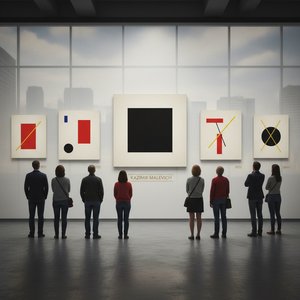
Kazimir Malevich: Pioneering Suprematism & the Quest for Non-Objective Art
Explore the revolutionary art of Kazimir Malevich & his groundbreaking Suprematism movement. Discover the origins, core principles, and lasting impact of this pivotal force in modern abstract painting.


