
 معاينة الحجم الواقعي
 مشاركة
 مشاركة
 التفاصيل
 دليل
دليل

 تحميل الملف
 قطع مشابهة
 الأشعة السينية
 عرض شرائح
 الأسئلة والأجوبة
 الإحصائيات
Päsesick-Kaskutäu

- 23.0 x 30.0 cm


 عرض المزيد
طباعة جيلي / مطبوعات فنية
طباعة جيكلي أو كانفاس بجودة المتاحف، مع سرعة في التنفيذ وخيارات متنوعة للتشطيب. ( شراء لوحة مرسومة يدويًا الانتقال إلى الصورة الرقمية)




P118B E£10

P118H E£10

P118W E£10

P438Z E£10

P508JH E£12

P508YH E£12

P805H E£10

P805Z E£10

P919BZ E£10

P919G E£10

P919XJ E£10

P959ZH E£10

P968JZ E£12

W106C E£8

W218G E£10

W218JH E£8

W218Y E£10

W307PJ E£10

W316G E£10

W316PJ E£8

W316Y E£10

W398PJ E£8

W4111J E£10

W500HY E£15

W500JH E£15

W692G E£12

W849H E£8

W940BG E£15

W953PJ E£8




اختر من بين أحجامنا المُعدّة مسبقاً والتي تتوافق مع النسب الأصلية للعمل الفني.

أدخل العرض والارتفاع المطلوبين ليتناسب المقاس مع إطارك أو جدارك. يرجى الملاحظة أن المطبوعة يمكن قصها فقط ولا يمكن تكبيرها لتتجاوز أبعاد الصورة الأصلية، لذا فإن اختيار مقاس بأبعاد مختلفة سيؤدي إلى فقدان جزء من الصورة. سنرسل لك نموذجاً رقمياً تجريبياً لاعتماده قبل البدء في عملية الطباعة. الصورة المعروضة في هذه الصفحة لا توضح شكل القص الفعلي — النموذج التجريبي فقط هو ما يظهر ذلك بدقة.
توصيل عالمي إلى خلال أسبوعين بدلاً من المدة القياسية البالغة 4/5 أسابيع. (8 نوفمبر)

شحن سريع ومجاني لجميع أنحاء العالم

قماش كتان عالي الجودة

تأمين شامل على الشحن

ضمان استرداد الرسوم الجمركية

ضمان مطابقة الألوان الحقيقية

سياسة الإرجاع خلال 100 يوم (في حالات العيوب فقط)

ضمان استرداد نقدي بنسبة 100%

خصم عند طلب كميات
 خيار الزجاج متاح فقط للمقاسات التي تقل عن 110 سم

Päsesick-Kaskutäu
طباعة جيلي / مطبوعات فنية
مقاس النسخة المطبوعة
-


إجمالي السعر النهائي
E£ 4243
The Enigmatic Figure of Päsesick-Kaskutäu
Karl Bodmer’s “Päsesick-Kaskutäu” isn't merely a portrait; it’s a meticulously rendered snapshot of a fleeting moment in the vast, untamed landscape of 19th-century North America. Painted in 1833 during Prince Maximilian zu Wied-Neuwied’s expedition along the Missouri River, the image captures an Assiniboine man – identified as Päsesick-Kaskutäu – standing atop a windswept hill, rifle in hand, against a dramatic backdrop of towering mountains. The painting immediately draws the viewer into a scene brimming with both stoic resilience and quiet contemplation. Bodmer’s skill lies not just in his technical proficiency but in his ability to imbue this single figure with an almost palpable sense of history and cultural significance.
A Chronicle of the Maximilian Expedition
The context surrounding “Päsesick-Kaskutäu” is crucial to understanding its profound impact. Prince Maximilian’s expedition, a grand undertaking funded by the German aristocracy, aimed to document the natural history and indigenous cultures of the American West. Bodmer was tasked with visually recording this journey, creating a series of watercolors, drawings, and later, lithographs that would serve as a lasting testament to the era. The painting reflects the meticulous approach of the expedition – every detail, from the man’s weathered clothing to the rugged terrain, is rendered with painstaking accuracy. It's important to note that Bodmer wasn’t simply an observer; he was actively engaged in building relationships with the Native American tribes they encountered, fostering a degree of trust and respect that allowed him to capture authentic representations of their lives.
The title itself, “Päsesick-Kaskutäu,” offers a tantalizing glimpse into the complexities of communication between cultures. It’s likely a name given by the Assiniboine people, reflecting their own linguistic and cultural framework – a reminder that Bodmer's work is not just a European interpretation but a dialogue across vastly different worlds.
Technique and Artistic Style
Bodmer’s artistic style is characterized by a remarkable blend of realism and Romanticism. His watercolors, executed on paper, possess a luminous quality, capturing the play of light and shadow with exquisite sensitivity. The use of graphite adds depth and texture to the landscape, emphasizing its scale and grandeur. The composition is carefully balanced, drawing the eye towards the central figure while simultaneously immersing the viewer in the vastness of the surrounding wilderness. Notice the subtle details – the folds of the man’s clothing, the glint of sunlight on his rifle, the intricate patterns of the mountains – all contribute to a sense of immediacy and realism.
The painting's palette is restrained yet evocative, dominated by earthy tones—ochres, browns, and grays—that mirror the colors of the landscape. This muted color scheme reinforces the feeling of ruggedness and timelessness, suggesting that this scene could have unfolded centuries ago.
Symbolism and Emotional Resonance
“Päsesick-Kaskutäu” transcends a simple portrait; it embodies themes of exploration, cultural encounter, and the enduring spirit of the American West. The man’s posture – upright, alert, yet seemingly contemplative—suggests both resilience and wisdom. He is not merely a hunter or warrior but a representative of his people, standing as a silent witness to the changing landscape. The painting invites us to reflect on the complexities of westward expansion, the impact of European contact on indigenous cultures, and the enduring beauty of the natural world. It’s a poignant reminder of a pivotal moment in American history—a moment captured with remarkable artistry and lasting significance.
الأسئلة والأجوبة
أين يمكنني تحميل "Päsesick-Kaskutäu" للفنان كارل بودمر؟
يمكنك تنزيل "Päsesick-Kaskutäu": حيث توفر صفحة تحميل الصورة الرقمية الخاصة بالعمل الفني خيار تحميل صورة رقمية عالية الدقة.
ما هي لوحة الألوان واللون الطاغي الذي يميز "Päsesick-Kaskutäu"؟
الهوية اللونية لـ "Päsesick-Kaskutäu" للفنان كارل بودمر: لوحة ألوان Neutrals، يطغى عليها لون Putty (#e6e2d4).
كيف يمكنني معاينة نسخة من "Päsesick-Kaskutäu" للفنان كارل بودمر؟
يمكنك معاينة "Päsesick-Kaskutäu" للفنان كارل بودمر عبر صفحة معاينة العمل الفني الخاصة بالعمل الفني.
السيرة الذاتية للفنان
عين سويسرية على الغرب الأمريكي: حياة وفن كارل بودمر
وُلد يوهان كارل بودمر في زيورخ بسويسرا عام 1809، ويُعرف في تاريخ الفن باسم كارل بودمر، وقد سلك مساراً فريداً مزج فيه بين الرومانسية الأوروبية وعالم الحدود الأمريكية المتلاشي. ورغم أن بدايات حياته لا تزال محاطة بنوع من الغموض، إلا أنه من الواضح أن ميوله الفنية قد صُقلت منذ نعومة أظفاره تحت إشراف عمه يوهان جاكوب ماير، وهو نقش رسام مرموق. هذا التدريب التأسيسي غرس في بودمر دقة متناهية في التفاصيل وإتقاناً في الرسم أصبح لاحقاً سمة مميزة لأسلوبه. وفي البداية، نال شهرته من خلال تصوير مناظر خلابة لوادي الراين والموزيل، والتي نُشرت لتلبية احتياجات السوق السياحية الناشئة، لكن موهبته سرعان ما جذبت أنظار الأمير ماكسيميليان زي ويد-نيويد، وهو أرستقراطي ألماني شغوف بالتاريخ الطبيعي وعلم الإثنوغرافيا. وقد غير هذا اللقاء مسيرة بودمر المهنية إلى الأبد، دافعاً به نحو مغامرة خلدت اسمه واسم الثقافات التي التقاها.الرحلة إلى نهر ميزوري: توثيق عالم يندثر
في عام 1832، انضم بودمر إلى الأمير ماكسيميليان في رحلة جريئة عبر نهر ميزوري، وهي رحلة نُفذت بهدف طموح يتمثل في توثيق قبائل السكان الأصليين والمناظر الطبيعية في الغرب الأمريكي. لم تكن هذه مجرد مهمة فنية، بل كانت مسعى علمياً، حيث تجاوز دور بودمر مجرد كونه رساماً توضيحياً ليصبح مؤرخاً بصرياً، مُكلفاً بالتقاط جوهر عالم يتغير بسرعة تحت ضغلاً من التوسع نحو الغرب. ولمدة عامين، سجل بودمر ملاحظاته بدقة في أكثر من 400 رسم ولوحة مائية، مصوراً كل شيء بدءاً من المناظر الطبيعية الشاسعة وصولاً إلى الصور الشخصية الحميمة لأفراد ينتمون إلى قبائل مثل الماندان، وهيداتسا، والسيوش، والبلاكفيت. ويتميز عمله بدقة وحساسية لافتة؛ فهو لم يصور هؤلاء الناس كمجرد موضوعات غريبة، بل سعى لفهم وتمثيل ثقافاتهم بكل احترام وكرامة. وتتجلى الحقائق القاسية لحياة الحدود – من أمراض وصراعات واضطرابات ثقافية – بشكل خفي في رسوماته، مما يضفي ثقلاً مؤثراً على سجله الفني. وتعد لوحة Päsesick-Kaskutäu، وهي لوحة مائية رقيقة تجسد ملامح شاب من قبيلة هيداتسا، نموذجاً مثالياً لقدرة بودمر على نقل التفاصيل الجسدية والعمق النفسي في آن واحد.الأسلوب الفني والمؤثرات: حين تلتقي الرومانسية بعلم الإثنوغرافيا
تتجذر أساليب بودمر الفنية بعمق في التقاليد الرومانسية، التي تتميز بالتركيز على العاطفة والفردية وتقديس الطبيعة. ومع ذلك، فإن أعماله تتجاوز مجرد الجمال الجمالي؛ فهي مشبعة بحس إثنوغرافي حاد. لم يكن يكتفي برسم المناظر الطبيعية أو الصور الشخصية، بل كان يصنع وثائق بصرية لثقافات تواجه تحولاً وشيكاً. وغالباً ما تتضمن تكويناته تفاصيل دقيقة تمت ملاحظتها بعناية للملابس والأدوات والأشياء الطقسية، مما يوفر رؤى لا تقدر بثمن حول الثقافة المادية لهذه القبائل. ويبدو تأثير رسامي المناظر الطبيعية الأوائل مثل كاسبار ديفيد فريدريك واضحاً في سمائه الدرامية واستخدامه المؤثر للضوء والظل، بينما تكشف صوره الشخصية عن حساسية تجاه التعبير البشري تذكرنا بفنانين مثل جان أوغست دومينيك إنغر. إن الجمع بين الجماليات الرومانسية والدقة الإثنوغرافية يجعل أعمال بودمر فريدة حقاً. فقد نجح ببراعة في الموازنة بين الحرية الفنية والدقة العلمية، مبتكراً صوراً تجمع بين القوة البصرية والأهمية التاريخية.الإرث وإعادة الاكتشاف: أثر باقٍ عبر الزمن
على الرغم من الجهد الهائل الذي بُذل في الرحلة وما تلاها من نشر لكتاب الأمير ماكسيميليان "رحلات في داخل أمريكا الشمالية"، والمزود برسومات بودمر المائية، إلا أن العمل تلقى في البداية استقبالاً فاتراً. كان الكتاب باهظ الثمن وفشل في تحقيق شعبية واسعة، مما أدى إلى صعوبات مالية لكلا الرجلين. استقر بودمر في النهاية في باربيز بفرنسا، وانضم إلى صفوف الفنانين المرتبطين بمدرسة باربيز، المعروفة برسم الهواء الطلق والتصوير الواقعي للحياة الريفية. وبينما استمر في الرسم وعرض أعماله، إلا أن مساهماته في التاريخ الأمريكي ظلت مهملة إلى حد كبير لسنوات عديدة. ولم يبدأ فن بودمر في نيل التقدير الذي يستحقه إلا في القرن العشرين. واليوم، تُحتفى بلوحاته وألوانه المائية كوثائق تاريخية لا تقدر بثمن وتحف فنية من العصر الرومانسي. وتعرض المتاحف حول العالم، بما في ذلك متحف جوسلين للفنون في أوماها والمجموعات الفنية في سويسرا، أعماله بكل فخر، مما يضمن استمرار إرثه.- توفر صوره سجلاً بصرياً حاسماً لثقافات السكان الأصليين قبل أن تتغير بشكل لا رجعة فيه بسبب الاستعمار.
- لا تزال دقة بودمر المتناهية ومهارته الفنية تلهم الفنانين والباحگیرين على حد سواء.
- يقف عمله كشهادة على قدرة الفن على توثيق وحفظ وإضاءة التجربة الإنسانية.
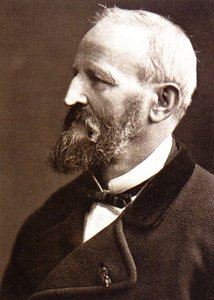
كارل بودمر
1809 - 1893 , سويسرا
حقائق سريعة
- Artistic Movement Or Style: الرومانسية
- Date Of Birth: 1809
- Date Of Death: 1893
- Full Name: كارل بودمر
- Nationality: سويسري
- Notable Artworks:
- Päsesick-Kaskutäu
- جزيرة شواناو
- تيريسياس يتنبأ بـ...
- Place Of Birth: زيورخ، سويسرا
مقالات ذات صلة
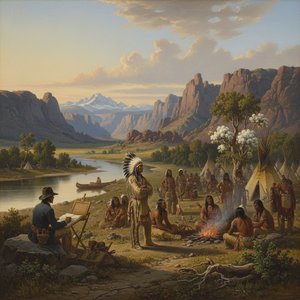
Karl Bodmer: Capturing Indigenous Life & Landscapes of the American West
Explore the captivating art of Karl Bodmer, whose detailed paintings documented Indigenous life along the Missouri River in the 19th century. Discover his legacy and lasting impact on Western art history.

Ephemeral Visions: Exploring the Artistic Legacy & Nuances of Watercolor Painting
Explore the captivating world of watercolor painting! Discover its rich history, essential techniques, influential artists & collecting tips from art experts. A comprehensive guide for enthusiasts.

Watercolor Wonders: 10 Masterpieces That Redefined Art History | OriginalUniqueArt
Journey through 10 legendary watercolor masterpieces by Sargent, Turner & Homer! Explore iconic landscapes, portraits & floral art that redefined history. Find museum-quality reproductions and curated decor ideas at OriginalUniqueArt.com.

Ephemeral Visions: Exploring the History & Emotional Resonance of Watercolor Painting
Explore the captivating history of watercolor painting, from ancient techniques to modern masters like Kandinsky & Blake. Discover essential artists, collecting tips & the emotional power of this luminous medium. Expert insights for art enthusiasts.

Ephemeral Visions: Exploring the Artistic Legacy & Contemporary Practice of Watercolor Painting
Explore the captivating world of watercolor painting! Discover its rich history, essential techniques, influential artists & collecting tips. A comprehensive guide for art enthusiasts from OriginalUniqueArt.