Baroque
St. Peter (خوسيه دي ريبيرا)
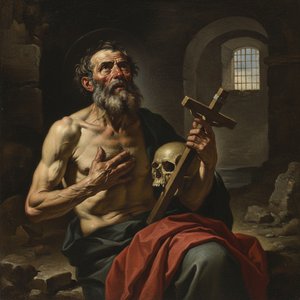
أبدع خوسيه دي ريبيرا (1591–1652) في St. Peter. تنتمي إلى حركة Baroque. صُنعت من Oil On Canvas. تُحفظ في متحف برادو في مدريد, إسبانيا.
- Oil On Canvas
- متحف برادو, مدريد

 معاينة الحجم الواقعي

 لوحة زيتية مرسومة يدوياً
 مشاركة
 مشاركة
 دليل


 تحميل الملف
 قطع مشابهة
 الأشعة السينية
 عرض شرائح
 الأسئلة والأجوبة

 الإحصائيات
St. Peter: أهم المعلومات
- العنوان
- St. Peter
- الفنان
- خوسيه دي ريبيرا (1591–1652)
- تاريخ ميلاد الفنان
- شاطبة, إسبانيا
- الوسيط الفني
- Oil On Canvas
- أين يمكن مشاهدتها
- متحف برادو, مدريد, إسبانيا
- الحركة
- Baroque
- الحقبة
- Early Modern
- الموضوع
- man, beard, book, keys, cloak, brown
ماذا يصور St. Peter؟
The Portrait of St. Peter by Jusepe de Ribera
In this oil painting on canvas, Jusepe de Ribera presents us with a portrait of St. Peter. The subject, a central figure among the apostles of Jesus and recognized as the first Pope, is rendered with a profound sense of presence. Ribera focuses on the man himself, capturing the weight of his role and the character of his lived experience. There is a quiet intensity in the way the figure is presented, inviting a closer look at the weathered details of his countenance.
The work is a significant example of the Baroque style. Through this approach, the artist emphasizes the spiritual and human dimensions of the apostle. The depiction avoids idealization, opting instead for a directness that feels immediate. By focusing on the specific attributes of the saint, Ribera allows the subject to command the space, presenting a figure that is both a religious icon and a man of flesh and bone.
Composition and Visual Elements of the Portrait
The composition is built upon a stable pyramidal structure, with the head of St. Peter forming the apex of the form. He is presented from the waist up, his body turned slightly toward the viewer's left. In his right hand, he holds a book and a set of keys, objects that anchor the figure within the frame. This arrangement directs the eye upward toward his weathered features, creating a sense of quiet, grounded presence.
A strong light source enters from the left, illuminating his face and upper body while casting the rest of the figure into deep shadow. This light creates a sharp contrast against a background that is nearly black, pushing the subject forward into the viewer's space. The color palette is restrained, dominated by warm earth tones—ochre, brown, and gold—which emphasize the textures of his skin and the heavy folds of his clothing.
Technique and Artistic Style of the Work
The work is defined by a profound use of tenebrism, where the subject emerges from a nearly black background into a sharp, focused light. This dramatic chiaroscuro creates a sense of volume, pulling the figure forward and emphasizing the physical presence of the man. Such a heavy interplay of light and shadow reflects the influence of Caravaggio, grounding the religious subject in a palpable, earthly reality. The light source, positioned to the left, carves out the contours of the face and the weathered texture of the skin, casting deep shadows that heighten the emotional weight of the portrait.
Ribera’s approach to the medium is tactile and deliberate. He employs a technique of layering paint to build up depth, allowing the viewer to sense the physical weight of the drapery and the coarse nature of the beard. Visible brushstrokes are not hidden; instead, they contribute to the overall effect, lending a sense of immediacy to the rendering of the fabric and the aged features. Strong, defined lines delineate the eyes, nose, and mouth, providing a structural clarity that balances the more fluid, organic shapes of the figure. The result is a composition that feels both intensely personal and physically substantial.
Other Works by Jusepe de Ribera
The artist's exploration of this particular subject matter is reflected in several other significant pieces within our collection and major institutions. We hold St. Simeon 1 in our catalog, a work that speaks to the same profound human experience found in this portrait. Another notable piece in our collection is The Repentance of Saint Peter, which is currently housed in the Museum of Fine Arts, Lyon.
Beyond our own holdings, Ribera's preoccupation with the themes of remorse and spiritual weight is evident in other historical examples. The work known as Penitent St. Peter, dated about 1630, is held at the Kunsthistorisches Museum in Vienna. This piece shares a similar intensity in its depiction of the apostle's character. Additionally, The Tears of Saint Peter, which dates to 1612, is part of the collection at the Metropolitan Museum of Art in New York. These works collectively illustrate the artist's ability to capture the complexities of faith and the physical reality of the human condition through his characteristic use of light and shadow.
أي متحف يضم St. Peter؟
متحف برادو
مدريد, إسبانيا
تاريخ متحف برادو تضرب جذور متحف برادو في أعماق التاريخ، حيث ترتبط أصوله بالمجموعة الملكية الإسبانية التي تعود إلى القرن الثامن عشر. وما بدأ كفكرة طموحة لإنشاء خزانة لـ التاريخ الطبيعي في عهد الملك فرديناند السابع، تحول تدريجياً ليصبح ملاذاً مخصصاً لفنون الرسم والنحت. هذا التحول الجذري نقل المسعى من مجرد مشروع علمي إلى مستودع يضم أثمن كنوز التاج الإسباني.


St. Peter بدقة عالية
خوسيه دي ريبيرا, St. Peter, متحف برادو. ملك عام
يقوم خبير رقمي بمطابقة الألوان مع اللوحة الأصلية وإعادة ضبط الملف، مع الحفاظ على دقة لمسات فرشاة الفنان.
شراء الصورة عالية الدقةأسئلة حول St. Peter
أين تُعرض "St. Peter" للفنان خوسيه دي ريبيرا اليوم؟
تُحفظ النسخة الأصلية من "St. Peter" للفنان خوسيه دي ريبيرا في متحف برادو, مدريد, إسبانيا، بينما تتيح لك هذه النسخة المطبوعة عرض العمل الفني في منزلك.
ما هي التقنية المستخدمة في صنع "St. Peter"؟
نُفذت لوحة "St. Peter" باستخدام Oil On Canvas.
ما هي الموضوعات التي يتناولها "St. Peter" للفنان خوسيه دي ريبيرا؟
تتضمن الموضوعات المتضمنة في "St. Peter" للفنان خوسيه دي ريبيرا كلاً من man, beard, book, keys, cloak, brown, gold, skin، والتي تلخص مجتمعةً فحوى العمل الفني.
هل "St. Peter" للفنان خوسيه دي ريبيرا ضمن الملكية العامة؟
حالة حقوق الطبع والنشر لـ "St. Peter" للفنان خوسيه دي ريبيرا: العمل يقع ضمن ملك عام - انتهت مدة حماية حقوق الطبع والنشر الخاصة به، وهو ما يحدد مدى إمكانية إعادة إنتاج الصورة بحرية.
من أبدع "St. Peter"؟
تم إبداع "St. Peter" بواسطة خوسيه دي ريبيرا. وتصف المعلومات الواردة في هذه الصفحة العمل الأصلي لـ خوسيه دي ريبيرا.
إلى أي تيار فني تنتمي "St. Peter" للفنان خوسيه دي ريبيرا؟
تنتمي "St. Peter" للفنان خوسيه دي ريبيرا إلى حركة Baroque، التي تمنح العمل سياقه الأسلوبي.
إلى أي مرحلة من مسيرة خوسيه دي ريبيرا الفنية ينتمي العمل "St. Peter"؟
تُمثل "St. Peter" الحقبة الإبداعية لـ خوسيه دي ريبيرا خلال فترة Mature Period.
ما هي الأسباب الكامنة وراء الوضع القانوني لحقوق الطبع والنشر لـ "St. Peter" للفنان خوسيه دي ريبيرا؟
تعتمد حالة حقوق الطبع والنشر لـ "St. Peter" - ملك عام - انتهت مدة حماية حقوق الطبع والنشر الخاصة به - على تاريخ وفاة الفنان في 1652.
هل تُحفظ "St. Peter" للفنان خوسيه دي ريبيرا في الموطن الأصلي للفنان؟
نعم - العمل الفني موجود في الموطن الأصلي للفنان. تُعرض لوحة "St. Peter" في إسبانيا، بينما وُلد خوسيه دي ريبيرا في إسبانيا.
عن الفنان، خوسيه دي ريبيرا

1591–1652, إسبانيا
خوسيه دي ريبيرا
حياة من الظل والنور جوزيبي دي ريبرا، المعروف لدى الكثيرين باسم "لو سبانيوليتو" – “الإسباني الصغير” – كان شخصية بارزة في عصر الباروك، فنانًا كانت لوحاته تنبض بالحدة الدرامية والواقعية الصارخة. ولد في شاتيفا بإسبانيا عام 1591، قادته رحلته بعيدًا عن أصوله الفالنسية، ليثبت نفسه في النهاية كواحد من أهم الرسامين في نابولي في القرن السابع عشر، وهي مدينة كانت تحت الحكم الإسباني آنذاك. لم تكن حياة ريبرا مجرد سجل لتطور فني؛ بل كانت قصة منسوجة بالصعوبات والطموح والالتزام الراسخ بتصوير الحالة الإنسانية بكل تعقيداتها الخام. وبينما لا تزال التفاصيل السيرية المبكرة غارقة في بعض الغموض، نعلم أنه وصل إلى إيطاليا حوالي عام 1607، واستقر في البداية في روما قبل أن ينتقل إلى نابولي في عام 1616 – وهي مدينة أصبحت موطنه الفني ومحكًا لأسلوبه الفريد.
وأيضاً لـ خوسيه دي ريبيرا
 ماجدالينا فينتورا مع زوجها وابنها1631
 القدم الحثل
 St. Onuphrius1637
 The Duel of Women (The Duel of Isabella de Carazzi and Diambra de Pettinella)1636
مقالات حول St. Peter
 Mastering the Shadows: The Dramatic Power of Chiaroscuro and Tenebrism in Baroque Fine ArtExplore the profound drama of chiaroscuro and tenebrism. Discover how masters like Caravaggio used light and shadow to sculpt emotion and v…
 Masterpieces of Light: The Top 25 Artworks by Duccio di BuoninsegnaJourney through the divine elegance of Duccio di Buoninsegna. Explore 25 iconic Sienese masterpieces, from the Maestà to the Rucellai Madon…
 Jusepe de Ribera: Dramatic Realism & Spiritual Intensity in the Spanish Golden AgeExplore the powerful Baroque paintings of Jusepe de Ribera, master of tenebrism and dramatic realism. Discover his spiritual intensity, inf…