معاينة الحجم الواقعي
 إرسال
إرسال مشاركة
 عرض التفاصيل
 دليل الأعمال الفنية للطلاب

 تحميل
تحميل
 قطع مشابهة
 الأشعة السينية
 عرض شرائح متتابع
 الإحصائيات
St. Jerome
 Oil On Canvas
- WallArt
- Baroque Tenebrism
 1651
1651 125.0 x 100.0 cm
 قصر فرساي
 اقرأ المزيد
نسخة زيتية مصنوعة يدوياً
لوحة زيتية مرسومة يدوياً على الكانفاس بالمقاس والإطار الذي تفضله، تُنفذ حسب الطلب على أيدي فنانينا. ( التبديل إلى المطبوعات التحويل إلى الصورة الرقمية)




P118B E£10

P118H E£10

P118W E£10

P438Z E£10

P508JH E£12

P508YH E£12

P805H E£10

P805Z E£10

P919BZ E£10

P919G E£10

P919XJ E£10

P959ZH E£10

P968JZ E£12

W106C E£8

W218G E£10

W218JH E£8

W218Y E£10

W307PJ E£10

W316G E£10

W316PJ E£8

W316Y E£10

W398PJ E£8

W4111J E£10

W500HY E£15

W500JH E£15

W692G E£12

W849H E£8

W940BG E£15

W953PJ E£8




اختر من بين أحجامنا المُعدّة مسبقاً والتي تتوافق مع النسب الأصلية للعمل الفني.

أدخل العرض والارتفاع اللذين تحتاجهما، ليتناسب العمل مع إطارك أو جدارك. وبما أن هذه اللوحة مرسومة يدوياً، ففي حال اختيار مقاس بشكل مختلف، يمكن للفنان رسم مساحة إضافية حول الصورة أو تقليصها قليلاً — الخيار لك. سنرسل لك نموذجاً رقمياً تجريبياً لاعتماده قبل البدء في الرسم. علماً بأن الصورة المعروضة في هذه الصفحة لا تعكس النتيجة النهائية الحقيقية — فالنموذج التجريبي هو الوحيد الذي يوضح ذلك بدقة.
بعد إتمام الطلب، سيرسل فريق OriginalUniqueArt.com بريداً إلكترونياً للعميل لطلب التعليمات وتزويده بمعاينة تجريبية (mockup).
توصيل عالمي إلى خلال 3 إلى 4 أسابيع بدلاً من المدة المعتادة البالغة 5 أسابيع. (22 أكتوبر). جودة لا تهاون فيها.

شحن سريع ومجاني لجميع أنحاء العالم

قماش كتان فاخر

تأمين شامل على الشحن

ضمان استرداد الرسوم الجمركية

ضمان دقة مطابقة الألوان

سياسة الإرجاع خلال 100 يوم (في حالات العيوب فقط)

ضمان استرداد نقدي بنسبة 100%

عرض خصم الكميات
 خيار الزجاج متاح فقط للمقاسات التي تقل عن 110 سم

St. Jerome
وسيط إعادة الإنتاج
مقاس النسخة المطبوعة
-


إجمالي السعر
E£ 15490
The Shadowed Saint: Jusepe de Ribera’s ‘St. Jerome Penitente’
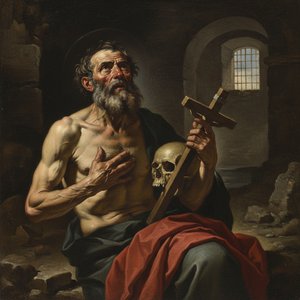
Jusepe de Ribera's “St. Jerome Penitente,” painted in 1652 during his prolific Neapolitan period, isn’t merely a portrait; it’s a visceral embodiment of spiritual anguish and the relentless pursuit of redemption. This arresting work, currently housed within the National Museum of Capodimonte in Naples, immediately commands attention with its dramatic chiaroscuro – a technique so characteristic of Ribera that it practically vibrates from the canvas. The painting depicts St. Jerome, not as a serene scholar or pious hermit, but as a man consumed by his own torment, wrestling with the demons of his past and the weight of his prophetic duty.
Ribera’s genius lay in his ability to capture raw emotion, and “St. Jerome Penitente” is a masterclass in this regard. The figure is rendered with an almost brutal realism; the deep folds of his ragged robe, the furrowed brow, the clenched fist beating against his chest – every detail speaks of profound suffering. The skull positioned prominently on the right side isn’t simply a morbid symbol of mortality; it's a potent reminder of human vanity and the fleeting nature of earthly existence, a visual anchor for Jerome’s introspection. The arrow piercing his forehead, a recurring motif in Ribera’s work, suggests divine guidance or perhaps even punishment – a constant pressure on the saint’s soul.
A Master of Tenebrism: Technique and Influence
Ribera's mastery of tenebrism—the dramatic contrast between light and dark—is arguably his most defining characteristic. He eschewed the soft, diffused lighting favored by many of his contemporaries, instead employing a stark, almost theatrical illumination that throws the figure into sharp relief against a shadowy background. This technique wasn’t simply an aesthetic choice; it served to heighten the emotional intensity of the scene and draw the viewer's eye directly to Jerome’s tormented face. His use of impasto – applying paint thickly to create texture – further enhances this effect, giving the surface of the canvas a palpable sense of physicality.
Ribera’s style was deeply influenced by Caravaggio, whom he encountered in Rome and subsequently adopted many of his techniques. However, Ribera pushed these influences even further, imbuing them with a distinctly Spanish sensibility – a darker, more dramatic intensity than is often associated with Caravaggio's work. The painting’s composition, reminiscent of classical sculpture, contributes to its monumental quality, reinforcing the saint’s stature as a figure of immense spiritual significance.
Historical Context: Naples Under Spanish Rule
To fully appreciate “St. Jerome Penitente,” it’s crucial to understand the historical context in which it was created – Naples under Spanish rule in the mid-17th century. This period was marked by political instability, economic hardship, and religious fervor. Ribera's work reflects these realities, often depicting scenes of suffering, poverty, and martyrdom—themes that resonated deeply with the populace. His choice to set the scene within a desolate, almost monastic interior underscores the saint’s isolation and his dedication to a life of prayer and penance.
The painting was produced during a time when religious art held immense social and political power in Spain and its colonies. The Catholic Church commissioned countless works of art to inspire piety and reinforce its authority, and Ribera's paintings were highly sought after by wealthy patrons and ecclesiastical institutions. “St. Jerome Penitente” exemplifies this trend, offering a powerful visual representation of religious devotion and the promise of salvation.
Symbolism and Emotional Resonance
Beyond its technical brilliance, “St. Jerome Penitente” is rich in symbolism. The act of beating his breast with a stone is a traditional gesture of repentance, signifying remorse for past sins and a desire to atone for wrongdoing. The skull represents the inevitability of death and the vanity of earthly pursuits—a stark reminder that all worldly ambitions are ultimately futile. The arrow piercing Jerome’s forehead symbolizes divine intervention or perhaps even punishment, highlighting the saint's role as a messenger of God’s judgment.
Ultimately, “St. Jerome Penitente” is a profoundly moving work of art that speaks to the universal human experience of suffering, regret, and the enduring quest for spiritual redemption. It’s a painting that lingers in the memory long after it has been viewed, prompting reflection on our own mortality and the importance of living a life guided by faith and compassion. Its dramatic intensity and masterful execution make it a cornerstone of Baroque art and a testament to Ribera's unparalleled artistic vision.
الأسئلة والأجوبة
كيف يمتزج الوسيط والأسلوب في "St. Jerome"؟
تُنفذ لوحة "St. Jerome" باستخدام Oil On Canvas، وبأسلوب Baroque Tenebrism.
ما مدى تناغم الألوان في لوحة "St. Jerome" للفنان خوسيه دي ريبيرا؟
يُصنف التناغم اللوني لـ "St. Jerome" على أنه Unified Palette.
ما هو حجم الطباعة المناسب للغرفة الموصى بها لعمل "St. Jerome" للفنان خوسيه دي ريبيرا؟
التنسيق الموصى به لـ "St. Jerome" للفنان خوسيه دي ريبيرا: طباعة بمقاس Medium في Living Room.
نبذة عن الفنان
حياة من الظل والنور
جوزيبي دي ريبرا، المعروف لدى الكثيرين باسم "لو سبانيوليتو" – “الإسباني الصغير” – كان شخصية بارزة في عصر الباروك، فنانًا كانت لوحاته تنبض بالحدة الدرامية والواقعية الصارخة. ولد في شاتيفا بإسبانيا عام 1591، قادته رحلته بعيدًا عن أصوله الفالنسية، ليثبت نفسه في النهاية كواحد من أهم الرسامين في نابولي في القرن السابع عشر، وهي مدينة كانت تحت الحكم الإسباني آنذاك. لم تكن حياة ريبرا مجرد سجل لتطور فني؛ بل كانت قصة منسوجة بالصعوبات والطموح والالتزام الراسخ بتصوير الحالة الإنسانية بكل تعقيداتها الخام. وبينما لا تزال التفاصيل السيرية المبكرة غارقة في بعض الغموض، نعلم أنه وصل إلى إيطاليا حوالي عام 1607، واستقر في البداية في روما قبل أن ينتقل إلى نابولي في عام 1616 – وهي مدينة أصبحت موطنه الفني ومحكًا لأسلوبه الفريد. عزز زواجه من كاترينا أزولينو، ابنة رسام محلي، روابطه بالعالم الفني النابولي، مما سمح له بالازدهار في جوه المفعم بالحيوية، وإن كان غالبًا ما يكون مضطربًا.احتضان التينبريزمو والرؤية الواقعية
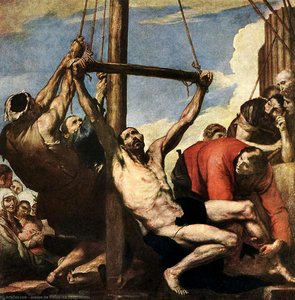
تشكل تكوين ريبرا الفني بشكل عميق من خلال التيارات السائدة في الرسم الإيطالي. لا يمكن إنكار تأثير كارافاجيو؛ فقد استوعب ريبرا استخدام الفنان الثوري لـ التينبريزمو – هذا التفاعل الدرامي للضوء والظل – لخلق مشاهد مشحونة بالقوة العاطفية. ومع ذلك، لم يقتصر على التقليد. لقد قام بتركيب هذه التقنية مع العناصر المستمدة من أساتذة آخرين مثل غويدو ريني، ودمج حساسية كلاسيكية في تكوينه مع الحفاظ على التأثير الحسي للواقعية الكارافاجية. أدى هذا الاندماج إلى ظهور أسلوب فريد من نوعه: يتميز بالتناقضات الصارخة والشخصيات المركزة بشكل مكثف وصراحة قاسية في تصوير المعاناة الإنسانية والنشوة الروحية. تجسد أعماله المبكرة، مثل استشهاد القديس برثلماوس، هذا النهج – وهو تصوير مروع للألم تم تقديمه بتفصيل لا هوادة فيه. لم يتردد في تصوير الحقائق المادية للاستشهاد، والأجساد المتلوية، والعضلات المتوترة، وملمس الجلد والعظام نفسه. امتد هذا الالتزام بالواقعية إلى ما وراء الموضوعات الدينية؛ فقد كانت صوره للمتسولين وعامة الناس، وغالبًا ما يتم تصويرهم كفلاسفة أو قديسين، رائدة في وقتها، حيث رفعت المهمشين إلى مستوى من الكرامة والأهمية نادرًا ما شوهد في الفن من قبل.مسيرة عبر الأنواع والأساليب المتطورة
كان إنتاج ريبرا الفني متنوعًا بشكل ملحوظ. على الرغم من أنه ربما يكون معروفًا بأكثر ما يشتهر به بلوحاته الدينية – مشاهد الاستشهاد، وتصوير القديسين، والروايات الكتابية الدرامية – إلا أنه تفوق أيضًا في مجال البورتريه، والطبيعة الصامتة، وحتى الرسم المناظر الطبيعي. على سبيل المثال، يوضح القديس جيروم والملاك جانبًا أكثر ليونة وتأملًا من فنه، مع الحفاظ على الإضاءة الدرامية المميزة التي تحدد عمله. طوال حياته المهنية، خضع أسلوب ريبرا لتطورات دقيقة ولكن كبيرة. تتميز لوحاته المبكرة بواقعية صارمة واستخدام صارخ للتينبريزمو. بعد أن رسخ نفسه بثبات في نابولي، أصبحت لوحته أكثر ثراءً وتكوينه أكثر تعقيدًا وإضاءته أكثر ليونة بعض الشيء. ومع ذلك، ظلت العناصر الأساسية لجمالياته الباروكية – الشدة العاطفية، والسرديات الدرامية، والالتزام الثابت بتصوير التجربة الإنسانية بصدق – ثابتة. كان ريبرا حرفيًا ماهرًا، قادرًا على تقديم القوام بدقة مذهلة، من نسيج عباءة المتسول الخشن إلى جلد القديس الشاب الناعم.الإرث والتأثير الدائم
امتد تأثير جوزيبي دي ريبرا على عالم الفن إلى ما وراء ورشته النابولية. أصبح شخصية محورية في الرسم الباروكي الإسباني، جنبًا إلى جنب مع أساتذة مثل فيلازكيز وزورباران وموريلو. أثر استخدامه المبتكر للتينبريزمو وواقعيته الصارخة على أجيال من الفنانين في جميع أنحاء أوروبا. لقد لاقى عمله صدى لدى أولئك الذين سعوا إلى الابتعاد عن الأشكال المثالية لفن عصر النهضة واحتضان أسلوب أكثر حيوية وعاطفية. حتى الفنانون اللاحقون استلهموا من تكوينه الدرامية وتصويره القوي للمعاناة الإنسانية. اليوم، توجد لوحات ريبرا في متاحس مرموقة حول العالم – متحف برادو في مدريد، والمعرض الوطني للفنون في واشنطن العاصمة، والعديد من المؤسسات عبر أوروبا – مما يضمن استمرار إرثه في إلهام وإبهار الجماهير بعد قرون من وفاته عام 1652. إنه دليل على قوة الفن في مواجهة الحقائق الصعبة واستكشاف أعماق المشاعر الإنسانية وتوضيح الروح الدائمة للإيمان والمرونة.جاذبية الأستاذ الدائمة
يكمن الاهتمام المستمر بعمل ريبرا في قدرته على تجاوز الزمان والحدود الثقافية. لوحاته ليست مجرد قطع أثرية تاريخية؛ إنها عبارات قوية عن الحالة الإنسانية – حول المعاناة والإيمان والأمل واليأس. تجبره واقعيته الصارخة على مواجهة الحقائق غير المريحة، بينما تخلق تكوينه الدرامية واستخدامه الماهر للضوء والظل جوًا من الرنين العاطفي الشديد. ترك لو سبانيوليتو، كما كان يُعرف بمودة، وراءه مجموعة أعمال قوية ومؤثرة فكريًا – إرث يضمن مكانته بين أعظم أساتذة عصر الباروك. لوحاته ليست مجرد أن تُعجب؛ بل يجب تجربتها—شعرت في أعماق كيان المرء.
خوسيه دي ريبيرا
1591 - 1652 , Spain
لمحة سريعة
- أعمال بارزة:
- استشهاد القديس برثولوميو
- القديس جيروم والملاك
- الاسم الكامل: خوسيه دي ريبيرا
- الجنسية: إسباني
- الحركة الفنية: الباروك
- تاريخ الميلاد: 1591
- تاريخ الوفاة: 1652
- فنانون مؤثرون:
- كارافاجيو
- غيدو ريني
- فنانون متأثرون:
- خوسيه دي ريبيرا
- أساتذة أوروبيين
- مكان الميلاد: شاтива، إسبانيا
مقالات ذات صلة
Jusepe de Ribera: Dramatic Realism & Spiritual Intensity in the Spanish Golden Age
Explore the powerful Baroque paintings of Jusepe de Ribera, master of tenebrism and dramatic realism. Discover his spiritual intensity, influence on Spanish art, and considerations for collectors. Expert insights at OriginalUniqueArt.

The Dramatic Flourish: Exploring the Baroque Movement's Enduring Legacy in Art History
Explore the dramatic world of Baroque art! Discover iconic artists like Caravaggio & Rubens, defining techniques, and its lasting impact on art history. Expert insights for collectors & enthusiasts at OriginalUniqueArt.

Theatricality & Triumph: Baroque Drama in Painting & Sculpture
Explore the dramatic world of Baroque art! Discover its history, defining characteristics, & lasting influence on painting & sculpture. Expert insights into Caravaggio, Zurbarán, and Bernini – plus high-quality reproductions at OriginalUniqueArt.

Drama and Light: A Definitive Guide to the Italian Baroque Masterpieces and the Revolution of Chiaroscuro
Explore the dramatic world of Italian Baroque art. Discover how masters like Caravaggio used chiaroscuro and tenebrism to revolutionize painting through light, shadow, and profound realism. A definitive guide for history lovers and art collectors.

أعلى 10 روائع باروكية رسمت مسار الفن وجمالية الديكور | OriginalUniqueArt
اكتشف روائع عصر الباروك! استكشف 10 لوحات فنية خالدة مع كارافاجيو، رامبرانت وغيرهم. تاريخ الفن، أسلوب باروكي مذهل، و ديكور منزلي فاخر. تسوق إعادة إنتاج فني عالي الجودة على OriginalUniqueArt.com