
 معاينة الحجم الحقيقي
 مشاركة
 مشاركة
 التفاصيل

 تحميل الملف
 قطع مشابهة
 الأشعة السينية
 عرض شرائح
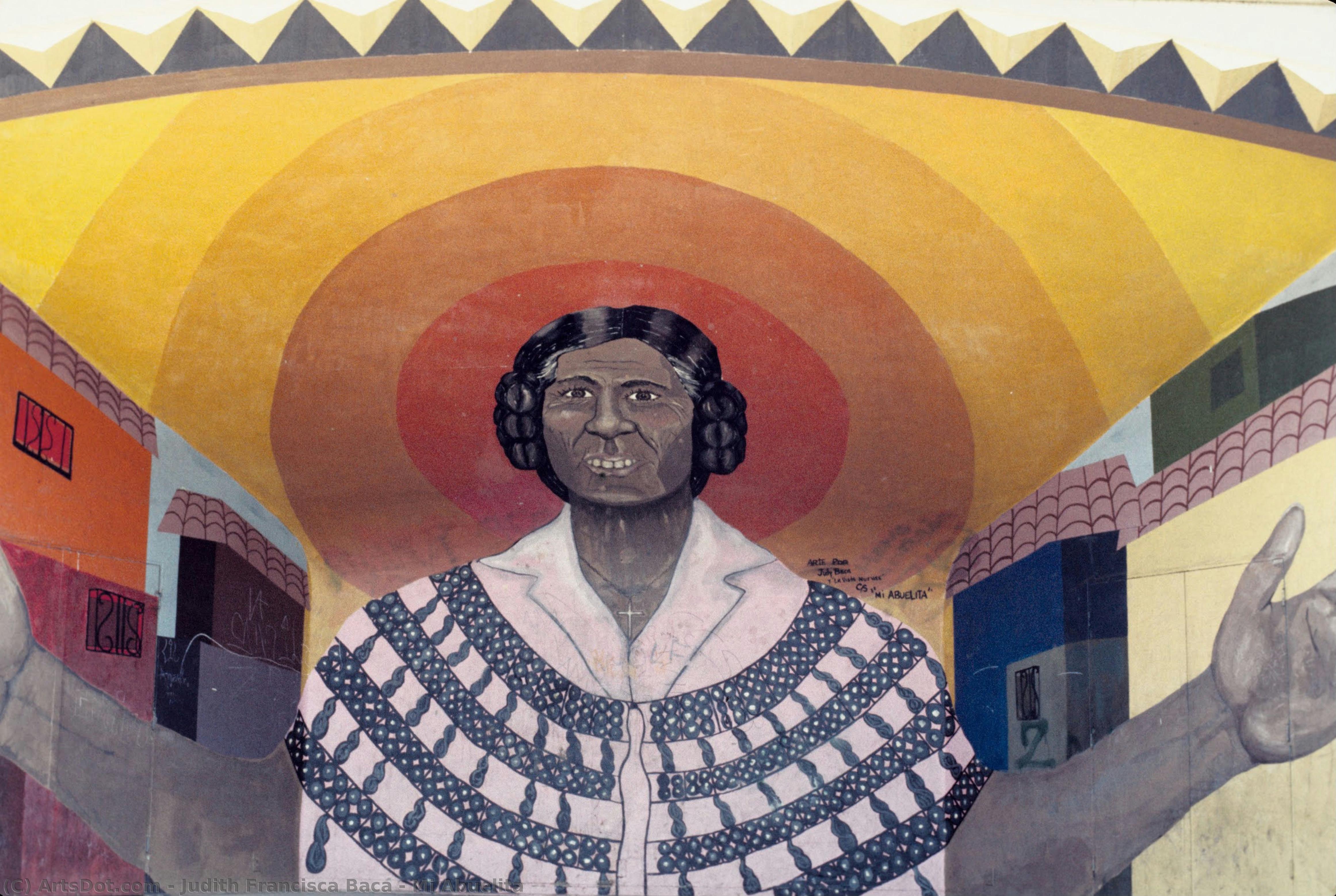
Mi Abuelita


 عرض المزيد
احصل على صورة رقمية عالية الدقة ومعزّنة، بجودة تفوق بكثير المعاينة عبر الإنترنت.
يتم إعداد كل ملف بعناية فائقة من قبل متخصصينا الداخليين باستخدام أدوات متقدمة ولمسات يدوية خبيرة. نضمن أن تتمتع كل صورة بوضوح استثنائي، ودقة لونية متناهية، وتفاصيل دقيقة.
يتم تسليم الملف النهائي عبر البريد الإلكتروني في غضون 72 ساعة، وهو مُحسَّن للاستخدام الفوري في المجالات المهنية والتحريرية ومجالات الطباعة. هذه هي ذات الجودة التي تعتمد عليها كبرى استوديوهات التصميم ودور النشر والمعارض الفنية المرموقة.
صورة رقمية
حمّل ملفاً عالي الدقة للعرض الشخصي، والطباعة، والمشاريع الإبداعية. ( اشترِ نسخة مطبوعة اشترِ لوحة مرسومة يدويًا)
مزايا مُضمّنة في كل طلب صورة رقمية
تسليم رقمي احترافي، مضمون
عندما تختار OriginalUniqueArt.com، فأنت لا تحصل على مجرد صورة فحسب، بل ستحصل على عمل فني رقمي مُحسّن باحترافية، صُمم بدقة متناهية ومصحوب بضمان الرضا. إليك كل ما يتضمنه طلبك تلقائياً:

تسليم سريع عبر البريد الإلكتروني
ستصلك ملفات صورك الرقمية عالية الدقة عبر البريد الإلكتروني في غضون 72 ساعة من إتمام الطلب - لتكون جاهزة للاستخدام الفوري.

ملف رقمي مُحسّن بالذكاء الاصطناعي
يتم تحسين عملك الفني باحترافية باستخدام أدوات الذكاء الاصطناعي المتقدمة والتحرير اليدوي، لضمان أقصى درجات التفاصيل والوضوح ودقة الألوان.

إعادة إرسال مجانية مدى الحياة
هل حذفت ملفك أو فقدته عن طريق الخطأ؟ لا تقلق - سنعيد إرساله إليك في أي وقت، ومجاناً.

بدون رسوم استيراد - على الإطلاق
استمتع بأعمالك الفنية فوراً دون أي رسوم جمركية أو ضرائب أو مصاريف شحن - فالتحميلات الرقمية دائماً ما تكون معفاة من الضرائب.

ضمان دقة الألوان
نحن نضمن أن تعكس صورتك الرقمية الألوان الأصلية بأقصى قدر ممكن من الدقة، وذلك باستخدام أدوات احترافية وتقنيات إدارة الألوان.

ضمان الرضا لمدة 60 يومًا
إذا لم تكن راضياً عن صورتك الرقمية، فسنقوم بتعديلها أو استرداد 100% من قيمتها خلال 60 يوماً - دون أي أسئلة.

ضمان استعادة الأموال بنسبة % 100
لم تكن راضياً؟ احصل على استرداد كامل المبلغ خلال 60 يومًا من استلام ملفك الرقمي - دون أي أسئلة.

خصومات الطلبات الكبيرة
اشتري 3 صور، ووفر 10% - اشتري 5، ووفر 15% - اشتري +10، ووفر 20%. مثالية للمشاريع الإبداعية، والمعارض، والوكالات.
السيرة الذاتية للفنان
A Life Painted on Walls: The Story of Judy Baca
Judy Francisca Baca, born in 1946 amidst the vibrant yet challenging landscape of Watts, Los Angeles, is more than just a muralist; she’s a cultural architect, an activist whose canvas extends far beyond galleries and into the very fabric of communities. Her life story is inextricably linked to the Chicano civil rights movement, the feminist awakening, and a relentless pursuit of social justice through art. Raised primarily by her mother, aunts, and grandmother in a household steeped in indigenous traditions – her grandmother practiced as a curandera, a traditional healer – Baca’s early experiences instilled within her a deep connection to heritage, resilience, and the power of storytelling. This foundation would become the bedrock of her artistic vision.
Baca's formative years were marked by cultural displacement. Prohibited from speaking Spanish in school, she found solace and expression through painting, a quiet rebellion against assimilation. This early silencing fueled a lifelong commitment to amplifying marginalized voices. Her education at California State University, Northridge, initially focused on fine art but broadened to encompass history, philosophy, and education – a deliberate pursuit of understanding the social contexts that shaped her world. She quickly realized that traditional art spaces felt inaccessible to the communities she cared about, sparking a desire to bring art directly *to* the people.
The Birth of SPARC and the Great Wall
In 1974, Baca co-founded the Social and Public Art Resource Center (SPARC) in Venice, California. This wasn’t merely an artistic collective; it was a revolutionary act – a space dedicated to empowering communities through collaborative mural projects. SPARC became a hub for artists, activists, and local residents, fostering a unique environment where art served as a catalyst for dialogue, healing, and social change. It was within this framework that Baca embarked on her most ambitious undertaking: The Great Wall of Los Angeles.
Begun in 1976, The Great Wall of Los Angeles is an epic half-mile-long mural along the Tujunga Wash in the San Fernando Valley. It’s not simply a painting; it's a living history book, meticulously researched and collaboratively created with over 400 youth and community members. The mural depicts California history from pre-Columbian times to the present day, offering a counter-narrative that challenges dominant historical perspectives. It confronts issues of colonialism, cultural displacement, racism, and social injustice with unflinching honesty. The sheer scale of the project is breathtaking, but it’s the deeply personal stories woven into its imagery – oral histories collected from diverse communities – that truly resonate.
Themes and Techniques: A Visual Language of Resistance
Baca's artistic style is characterized by bold lines, vibrant colors, and symbolic imagery. Her murals are not passive depictions; they actively engage with the viewer, demanding attention and prompting reflection. She often incorporates elements of Mexican folk art, pre-Columbian iconography, and feminist symbolism into her work. The use of communal painting processes is central to her practice. Baca believes that the act of creation itself is as important as the finished product, fostering a sense of ownership and collective identity within the communities she serves.
Her subject matter consistently centers on those historically marginalized – women, the working poor, youth, LGBTQ+ individuals, and immigrant communities. She doesn’t shy away from difficult topics; instead, she uses her art to confront systemic inequalities and advocate for social change. Las Vistas Nuevas, an early mural project in Boyle Heights, exemplified this approach, bringing together gang members from rival groups to create a shared vision of community pride.
Legacy and Historical Significance
Judy Baca’s impact extends far beyond the walls she has painted. She is a pioneer in the field of social practice art, demonstrating the transformative power of collaborative creation. Her work has inspired countless artists and activists around the world to use art as a tool for social justice. As an emeritus professor at UCLA, she continues to mentor students and advocate for public art initiatives.
Baca’s legacy is one of unwavering commitment to community empowerment, cultural preservation, and artistic innovation. She has received numerous accolades, including a Guggenheim Fellowship and a USA Rockefeller Fellowship, but her greatest reward lies in the enduring impact of her work on the communities she serves. The Great Wall of Los Angeles, now a protected landmark, stands as a testament to her vision – a powerful reminder that art can be a force for change, a voice for the voiceless, and a bridge between generations.
- Co-founder of SPARC (Social and Public Art Resource Center)
- Director of The Great Wall of Los Angeles, the world’s largest communal mural project
- Pioneering figure in social practice art
- Advocate for Chicano rights, feminist causes, and community empowerment
- Emeritus Professor at UCLA

judith francisca baca
1946 - , United States of America
لمحة سريعة
- Artistic Movement Or Style: Muralism, Public Art
- Date Of Birth: September 20, 1946
- Full Name: Judith Francisca Baca
- Nationality: American
- Notable Artworks: ['The Great Wall of Los Angeles']
- Place Of Birth: Los Angeles, USA

