

 معاينة الحجم الحقيقي
 مشاركة
 مشاركة
 التفاصيل

 تحميل الملف
 قطع مشابهة
 الأشعة السينية
 عرض شرائح
In Ictu Oculi
 Acrylic
- WallArt
- Baroque
 1670
1670 220.0 x 216.0 cm
 Hospital de la Caridad
 عرض المزيد
طباعة جيلي / مطبوعات فنية
طباعة جيكلي أو كانفاس بجودة المتاحف، مع سرعة في التنفيذ وخيارات متنوعة للتشطيب. ( اشترِ لوحة مرسومة يدويًا اشترِ الصورة)




P118B $10

P118H $10

P118W $10

P438Z $10

P508JH $12

P508YH $12

P805H $10

P805Z $10

P919BZ $10

P919G $10

P919XJ $10

P959ZH $10

P968JZ $12

W106C $8

W218G $10

W218JH $8

W218Y $10

W307PJ $10

W316G $10

W316PJ $8

W316Y $10

W398PJ $8

W4111J $10

W500HY $15

W500JH $15

W692G $12

W849H $8

W940BG $15

W953PJ $8




اختر من بين أحجامنا المُعدّة مسبقًا والتي تتطابق مع النسب الأصلية للعمل الفني.

يمكنك إدخال أبعادك الخاصة لتناسب إطاراً أو مساحة معينة. وإذا لم يتطابق الحجم الذي اخترته مع نسب الصورة الأصلية، فسنقوم إما بقص العمل الفني أو تمديد الصورة باستخدام حافة معكوسة أو بلون مصمت. سيتم إرسال نموذج تجريبي رقمي لاعتمادك قبل بدء الإنتاج.
يرجى ملاحظة أن المعاينة على الشاشة لا تعكس عملية القص أو التمديد الفعلية؛ حيث سيوضح النموذج التجريبي فقط التكوين النهائي بدقة.
وعلى الرغم من توفر أحجام مخصصة، إلا أننا نوصي باختيار أبعاد من القائمة المحددة مسبقاً للحفاظ على النسب الأصلية.
توصيل عالمي إلى خلال أسبوعين بدلاً من المدة القياسية البالغة 4/5 أسابيع. 7 سبتمبر

شحن سريع ومجاني لجميع أنحاء العالم

قماش كتان عالي الجودة

تأمين شحن شامل

ضمان استرداد الرسوم الجمركية

ضمان مطابقة الألوان الحقيقية

سياسة الإرجاع خلال 100 يوم (في حالات العيوب فقط)

ضمان استرداد نقدي بنسبة 100%

خصم عند طلب عدة قطع
 خيار الزجاج متاح فقط للمقاسات التي تقل عن 110 سم

In Ictu Oculi
طباعة جيلي / مطبوعات فنية
مقاس النسخة المطبوعة
-


السعر الإجمالي النهائي
$ 80
A Meditation on Mortality: Juan de Valdés Leal’s “In Ictu Oculi”
The painting "In Ictu Oculi," attributed to Juan de Valdés Leal (1622-1690), stands as a poignant emblem of Baroque art's preoccupation with the ephemeral nature of existence. Executed in 1670, this monumental canvas—measuring 220 x 216 cm—captures a scene steeped in theological symbolism and rendered with meticulous detail that speaks volumes about Leal’s artistic prowess. It’s more than just an image; it's a carefully constructed dialogue between faith and decay, inviting contemplation on the inevitability of death and the importance of spiritual reflection.Subject Matter and Composition
At its core lies a stark depiction of a skeleton—a ubiquitous motif in Baroque art representing mortality—holding aloft a book and a crucifix. This juxtaposition immediately establishes the painting’s thematic focus: the soul's journey through life towards eternal salvation, juxtaposed against the inescapable reality of physical demise. The skeleton isn’t merely presented as an anatomical specimen; it exudes solemn dignity, positioned atop a substantial pile of books—symbols of knowledge and earthly pursuits—some scattered around its feet, suggesting that even intellectual endeavors ultimately succumb to time's relentless march. Leal skillfully utilizes perspective to create depth within the composition, drawing the viewer’s eye upwards towards the crucifix while simultaneously grounding it in the tangible world of literature and decay.Style and Technique
Leal’s artistic style aligns perfectly with the Baroque aesthetic—characterized by dramatic chiaroscuro (contrast between light and dark), opulent ornamentation, and a fervent emotional intensity. The painting demonstrates exceptional technical skill, achieved through oil paint on canvas. Leal employs painstaking brushwork to capture the textures of bone and parchment alike, conveying both physicality and intellectual contemplation. The artist’s masterful manipulation of light enhances the dramatic effect, highlighting the skeleton's form against the muted tones of the surrounding books, creating a visual representation of spiritual illumination battling against darkness.Historical Context: Baroque Theology
“In Ictu Oculi” emerged during a period profoundly influenced by Catholic theology—specifically, Jansenism—which emphasized introspection and the contemplation of God’s divine justice. The image reflects this intellectual climate, serving as a reminder that earthly achievements are ultimately meaningless in comparison to spiritual salvation. Leal's work aligns with broader Baroque artistic trends aimed at conveying moral instruction and provoking emotional responses from viewers. It was commissioned for the Church of San Francesco in Córdoba, underlining its purpose as devotional artwork intended to inspire piety and reinforce religious beliefs.Symbolism: Vanitas Revisited
The painting’s symbolism resonates deeply within the tradition of vanitas—a genre that explores themes of mortality, decay, and the futility of earthly pleasures. The skull represents death itself, while the book symbolizes wisdom and spiritual enlightenment – a paradox highlighting the limitations of human understanding in confronting eternity. Similarly, the crucifix embodies Christian faith and redemption, offering solace amidst despair. Leal’s deliberate arrangement reinforces these concepts, prompting viewers to confront their own mortality and consider the significance of their lives beyond the temporal realm.Emotional Impact: A Silent Plea for Reflection
Ultimately, “In Ictu Oculi” transcends mere visual representation; it evokes a profound emotional response. The painting's subdued palette—dominated by browns and ochres—contributes to its solemn atmosphere, fostering contemplation and prompting viewers to confront uncomfortable truths about human existence. Leal’s masterful execution compels us to consider the brevity of life and the enduring power of faith – leaving an indelible impression on anyone who engages with this arresting artwork.السيرة الذاتية للفنان
بداية الحياة والتدريب
خوان دي فالديس ليل، رسام ونقاش إسباني بارز، ولد في 4 مايو 1622 في مدينة إشبيلية بإسبانيا. برع كرسام ونحات ومعماري، مما يدل على تنوعه في عالم الفن. بحلول العشرينيات من عمره، كان يدرس تحت إشراف أنطونيو ديل كاستيلو في قرطبة، حيث صقل مهاراته خلال عصر الباروك. كان والده رسامًا أيضًا، مما ساهم في تنمية شغفه بالفن منذ الصغر. تلقى تدريبه الأولي في ورشة عمل والده، ثم انتقل إلى قرطبة ليتعلم تقنيات الرسم المتقدمة من ديل كاستيلو، وهو فنان مؤثر في ذلك الوقت.أعماله البارزة وتعاوناته
تضمنت أعمال فالديس ليل البارزة:- قصة النبي إيليا لكنيسة الكرمليين
- استشهاد القديس أندراوس لكنيسة سان فرانسيسكو في قرطبة
- انتصار الصليب للا كاريداد في إشبيلية
الحياة الشخصية والإرث
تزوج فالديس ليل من إيزابيلا كاراكييا، وهي رسامة أيضًا، في عام 1647. كان للزوجين خمسة أطفال، أصبح العديد منهم فنانين، بمن فيهم لوكاس وماريا ولورا. توفي فالديس ليل في 15 أكتوبر 1690 في إشبيلية، تاركًا وراءه إرثًا دائمًا في عالم الفن. تميزت أعماله بالعمق العاطفي والتقنية الماهرة، مما جعله أحد أهم فناني الباروك الإسباني.أسلوبه وتطوره الفني
تميز أسلوب فالديس ليل بالواقعية الشديدة والتفاصيل الدقيقة، بالإضافة إلى استخدامه الدرامي للضوء والظل. كان يركز بشكل خاص على تصوير المشاعر الإنسانية القوية، مثل الألم والمعاناة والخوف. تطور أسلوبه الفني بمرور الوقت، حيث انتقل من الأساليب التقليدية في بداية حياته المهنية إلى أسلوب أكثر تعبيرية وشخصية في أعماله اللاحقة. كان يستخدم تقنيات الرسم الزيتي والألوان الغنية لخلق تأثير بصري قوي ومؤثر. كانت لوحاته بمثابة انعكاس للتوترات الدينية والاجتماعية في عصره، حيث استكشف موضوعات مثل الخلاص والخطيئة والتوبة.الأهمية التاريخية ومشاهدة أعماله
يعتبر فالديس ليل أحد أبرز فناني الباروك الإسباني، وقد ترك بصمة واضحة على تاريخ الفن. تميزت أعماله بالابتكار والجرأة، مما جعله رائدًا في مجال الرسم والنحت. يمكن استكشاف المزيد من أعمال فالديس ليل بزيارة https://OriginalUniqueArt.com/@/juan de valdés leal، حيث يمكنك العثور على:- 165 عملاً فنياً لفالديس ليل
- نسخ عالية الجودة من لوحاته
- أسلوب الباروك الفني، الذي يميز العصر ويكيبيديا: خوان دي فالديس ليل
- متحف الفنون الجميلة في أستورياس (إسبانيا): استكشف مجموعة المتحف التي تضم فنًا أوروبيًا من القرن الثاني عشر إلى أوائل القرن العشرين.
- متحف الفنون الجميلة في إشبيلية، إسبانيا: تعرف على تاريخ المتحف ومجموعته ومعلومات الزيارة. عش عالم الفن مع OriginalUniqueArt.com

خوان دي فالديس ليل
1622 - 1690 , إسبانيا
حقائق سريعة
- الأعمال البارزة:
- تاريخ النبي إلياس
- استشهاد القديس أندراو
- انتصار الصليب
- الاسم الكامل: خوان دي فالديس ليل
- الجنسية: إسباني
- الحركة الفنية: الباروك
- الفنانون المؤثرون: ['أنطونيو دل كاستيلو']
- الفنانون المتأثرون: ['بارتولومي إستيبان موريلو']
- تاريخ الميلاد: 4 مايو 1622
- تاريخ الوفاة: 15 أكتوبر 1690
- مكان الميلاد: إشبيلية، إسبانيا
مقالات ذات صلة

أفضل 25 لوحة لفنانٍ عبقري: جوايا يلامس الروح بالفن والتاريخ
اكتشف 25 تحفة فنية لفنان العبقري جوايا! رحلة في عالم لوحاته المؤثرة، من الرومانسية إلى الواقعية. احصل على نسخ عالية الجودة لديكور منزلك الفاخر على OriginalUniqueArt.com
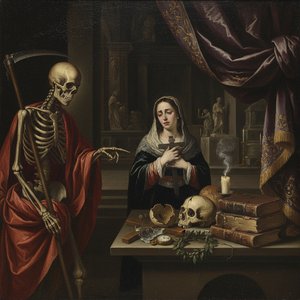
Juan de Valdés Leal: Baroque Realism, Memento Mori & Theatricality of Spanish Grief
Explore the powerful Baroque realism of Juan de Valdés Leal (1622-1690). Discover his somber masterpieces, iconic 'In Ictu Oculi', and profound explorations of mortality. Museum-quality reproductions available at OriginalUniqueArt.

The Dramatic Flourish: Exploring the Baroque Movement's Enduring Legacy in Art History
Explore the dramatic world of Baroque art! Discover iconic artists like Caravaggio & Rubens, defining techniques, and its lasting impact on art history. Expert insights for collectors & enthusiasts at OriginalUniqueArt.

About Us
Discover our story! We bring world-class art into your life through expert curation, personalized creations, and free previews. Trusted by individuals and businesses since 2000.
The Golden Age Reforged: Dramatic Realism & Religious Zeal in Spanish Baroque Art
Explore the dramatic world of Spanish Baroque art! Discover masters like Zurbarán & the powerful influence of religious zeal on painting techniques – a guide for collectors and enthusiasts.