
 معاينة الحجم الواقعي
 مشاركة
 مشاركة
 التفاصيل
 دليل
دليل

 تحميل الملف
 قطع مشابهة
 الأشعة السينية
 عرض شرائح
 الأسئلة والأجوبة
 الإحصائيات
Vesuvius from Posillipo

- 63.0 x 83.0 cm


 عرض المزيد
طباعة جيلي / مطبوعات فنية
طباعة جيكلي أو كانفاس بجودة المتاحف، مع سرعة في التنفيذ وخيارات متنوعة للتشطيب. ( شراء لوحة مرسومة يدويًا الانتقال إلى الصورة الرقمية)




P118B E£10

P118H E£10

P118W E£10

P438Z E£10

P508JH E£12

P508YH E£12

P805H E£10

P805Z E£10

P919BZ E£10

P919G E£10

P919XJ E£10

P959ZH E£10

P968JZ E£12

W106C E£8

W218G E£10

W218JH E£8

W218Y E£10

W307PJ E£10

W316G E£10

W316PJ E£8

W316Y E£10

W398PJ E£8

W4111J E£10

W500HY E£15

W500JH E£15

W692G E£12

W849H E£8

W940BG E£15

W953PJ E£8




اختر من بين أحجامنا المُعدّة مسبقاً والتي تتوافق مع النسب الأصلية للعمل الفني.

أدخل العرض والارتفاع المطلوبين ليتناسب المقاس مع إطارك أو جدارك. يرجى الملاحظة أن المطبوعة يمكن قصها فقط ولا يمكن تكبيرها لتتجاوز أبعاد الصورة الأصلية، لذا فإن اختيار مقاس بأبعاد مختلفة سيؤدي إلى فقدان جزء من الصورة. سنرسل لك نموذجاً رقمياً تجريبياً لاعتماده قبل البدء في عملية الطباعة. الصورة المعروضة في هذه الصفحة لا توضح شكل القص الفعلي — النموذج التجريبي فقط هو ما يظهر ذلك بدقة.
توصيل عالمي إلى خلال أسبوعين بدلاً من المدة القياسية البالغة 4/5 أسابيع. (4 نوفمبر)

شحن سريع ومجاني لجميع أنحاء العالم

قماش كتان عالي الجودة

تأمين شامل على الشحن

ضمان استرداد الرسوم الجمركية

ضمان مطابقة الألوان الحقيقية

سياسة الإرجاع خلال 100 يوم (في حالات العيوب فقط)

ضمان استرداد نقدي بنسبة 100%

خصم عند طلب كميات
 خيار الزجاج متاح فقط للمقاسات التي تقل عن 110 سم

Vesuvius from Posillipo
طباعة جيلي / مطبوعات فنية
مقاس النسخة المطبوعة
-


إجمالي السعر النهائي
E£ 4237
Vesuvius from Posillipo: A Window into Enlightenment’s Dramatic Soul
Joseph Wright of Derby's "Vesuvius from Posillipo," painted in 1788, isn’t merely a landscape; it’s a carefully orchestrated drama of light, shadow, and the sublime. This captivating work transcends simple depiction, offering a profound meditation on nature’s power, human perception, and the burgeoning spirit of scientific inquiry that defined the era. Wright, often dubbed “the painter of light,” masterfully employs his signature technique of *tenebrism* – an intense contrast between illumination and darkness – to draw the viewer into the heart of the scene, creating a palpable sense of awe and even a touch of foreboding.
The painting captures the view from Posillipo, a coastal suburb of Naples, looking out towards Mount Vesuvius. The volcano dominates the background, not as a terrifying monster, but as a majestic, almost ethereal presence. Wright doesn’t depict an eruption—he was fortunate enough to have witnessed only dormant activity during his Italian sojourn – instead, he focuses on the *potential* for destruction and the raw power simmering beneath the surface. The smoke billowing from the crater is rendered in delicate shades of grey and black, subtly hinting at the volatile forces contained within. The sea, a deep, reflective blue, mirrors the sky above, creating an illusionistic depth that pulls the viewer into the scene.
A Masterclass in Chiaroscuro and Scientific Observation
Wright’s skill lies not just in his ability to capture a landscape, but in how he uses light to shape our understanding of it. The foreground is bathed in a soft, diffused glow, suggesting moonlight reflecting off the water – a detail that adds an element of mystery and romance. The volcano itself is partially obscured by shadow, emphasizing its imposing scale and hinting at the darkness within. This careful manipulation of light and dark isn’t arbitrary; it reflects Wright's fascination with optics and his desire to represent the world as he *perceived* it, informed by his growing interest in scientific principles.
Interestingly, analysis of the painting reveals that Wright employed a unique approach to color. The ground is painted using gypsum rather than chalk, a detail that contributes to the overall sense of drama and depth. The use of subtle yellows and oranges within the smoke suggests the presence of sulfur, further grounding the scene in scientific observation. This meticulous attention to detail speaks volumes about Wright’s commitment to capturing not just the appearance of Vesuvius, but also its underlying geological reality.
Symbolism and the Age of Enlightenment
“Vesuvius from Posillipo” is deeply intertwined with the intellectual currents of the late 18th century. Wright's trip to Italy coincided with a renewed interest in classical antiquity and a growing fascination with scientific discovery. The painting can be seen as an allegory for the forces shaping Europe at the time – the potential for both creation and destruction, progress and ruin. The Lunar Society of Birmingham, a group of scientists, philosophers, and industrialists that Wright frequented, were deeply interested in understanding the natural world through observation and experimentation. This painting embodies their spirit of inquiry, prompting viewers to contemplate the relationship between humanity and nature.
Furthermore, the dramatic lighting evokes the theatricality favored by Enlightenment thinkers who sought to illuminate complex ideas through compelling narratives. Wright’s use of chiaroscuro mirrors the philosophical debates of the era, exploring themes of light and darkness, reason and intuition. The painting serves as a visual representation of this intellectual ferment, capturing the excitement and uncertainty of a world undergoing rapid transformation.
A Timeless Vision: Reproduction and Beyond
Reproductions of “Vesuvius from Posillipo” offer a remarkable opportunity to experience Wright’s masterful technique and evocative vision. Whether adorning a grand salon or a more intimate space, this painting continues to captivate viewers with its dramatic intensity and profound symbolism. It's a testament to Wright's ability to transform a natural phenomenon into a powerful meditation on the human condition – a timeless reminder of nature’s beauty, power, and inherent drama.
الأسئلة والأجوبة
ما هي التقنية المستخدمة في صنع "Vesuvius from Posillipo"؟
استخدم جوزيف رايت تقنية Oil On Canvas في عمل "Vesuvius from Posillipo"، وهي التقنية التي تحدد الطبيعة المادية للعمل الأصلي.
ما هي التقنية والأسلوب اللذان يميزان "Vesuvius from Posillipo" للفنان جوزيف رايت؟
تجمع "Vesuvius from Posillipo" للفنان جوزيف رايت بين تقنية Oil On Canvas وأسلوب Romanticism؛ حيث تعبر التقنية والمدرسة الفنية عن طريقة تنفيذ العمل وطرازه الفني.
ما هي تقنية وتاريخ إنشاء "Vesuvius from Posillipo" للفنان جوزيف رايت؟
أُبدع العمل "Vesuvius from Posillipo" في عام 1788 باستخدام تقنية Oil On Canvas. وتوضح المادة والتاريخ كيفية وتوقيت تنفيذ العمل الأصلي.
السيرة الذاتية للفنان
The Luminary of Derby: Joseph Wright and the Dawn of the Industrial Age
Joseph Wright, known to history as “Wright of Derby,” was more than a painter; he was a visual philosopher who captured a pivotal moment in human existence. Born in 1734 amidst the burgeoning industrial heartland of England, Wright didn’t merely depict his time—he *illuminated* it, both literally and figuratively. His canvases weren't filled with grand historical narratives or aristocratic portraits alone; they pulsed with the energy of scientific discovery, the drama of enlightenment thought, and the stark beauty of a landscape irrevocably altered by human innovation. He stands as the first major artist to truly grapple with, and celebrate, the spirit of the Industrial Revolution, an era that would redefine civilization itself. His early life in Derby, steeped in the practical world of his father’s legal profession, provided a grounding that perhaps informed his later fascination with precision and observation. Though initially destined for law, young Joseph's inclination towards art proved irresistible, leading him to London at seventeen to study under Thomas Hudson, a prominent portrait painter of the day. This formal training laid a foundation, but it was Wright’s innate curiosity and independent spirit that would ultimately forge his unique artistic path.Chiaroscuro and the Spirit of Inquiry
Wright's technical mastery is immediately apparent in his dramatic use of chiaroscuro, a technique borrowed from Baroque masters like Caravaggio but employed with a distinctly modern sensibility. He wasn’t simply interested in creating visual drama; he used light and shadow to symbolize the unveiling of knowledge, the struggle between darkness and understanding. Consider masterpieces such as *An Experiment on a Bird in the Air Pump* (1768), where candlelight throws stark relief upon the faces of onlookers witnessing a scientific demonstration—a scene brimming with both wonder and anxiety. The painting isn’t just about the experiment itself; it's an exploration of humanity’s burgeoning curiosity, its willingness to probe the mysteries of nature, and the ethical implications of such endeavors. Similarly, *A Philosopher Lecturing on the Orrery* (1766) presents a captivating scene where a miniature solar system is unveiled, illuminating not only the faces of the captivated audience but also the expanding universe of scientific thought. These weren’t isolated incidents; Wright consistently sought subjects that allowed him to explore the intersection of science, philosophy, and human emotion. His style was subtly influenced by Alexander Cozens, particularly in his compositional approaches, yet he remained fiercely independent, forging a visual language uniquely his own.Beyond Portraits: Landscapes and the Romantic Sensibility
While Wright is celebrated for his “candlelight pictures,” to limit him to that single aspect of his oeuvre would be a grave disservice. He was also a gifted landscape painter, capturing the rugged beauty of Derbyshire and beyond with an increasingly Romantic sensibility. Works like *Dovedale by Moonlight* showcase his ability to evoke atmosphere and emotion through subtle gradations of light and shadow, transforming familiar scenes into evocative visions. His landscapes weren’t merely topographical representations; they were imbued with a sense of awe and reverence for the natural world—a sentiment that resonated deeply with the growing Romantic movement. Even in these seemingly tranquil scenes, however, there's often an undercurrent of melancholy or mystery, hinting at the fragility of nature and the inevitability of change. *Rydal Waterfall* (1795), exemplifies this skill, showcasing his mastery of capturing both power and serenity within a single composition.A Legacy Forged in Light and Shadow
Wright’s impact on British art was profound, though perhaps not immediately recognized during his lifetime. He faced some resistance from the established artistic circles, notably declining full membership to the Royal Academy after feeling slighted—a testament to his independent spirit. However, his influence extended beyond formal institutions. Artists like William Pether and John Downman were directly inspired by his techniques, particularly his dramatic use of light and shadow. More broadly, Wright’s work paved the way for a new generation of artists who sought to capture the dynamism and complexity of the modern world. He didn't just paint what he saw; he painted what he *felt*—the excitement, the anxiety, the wonder—of an era on the cusp of transformation. His paintings remain powerful reminders of a time when humanity dared to question everything, to explore the unknown, and to embrace the possibilities of a new age. Today, his works are held in major museums worldwide, ensuring that the luminary of Derby continues to illuminate our understanding of art, science, and the human spirit.- Notable Works: *An Experiment on a Bird in the Air Pump*, *A Philosopher Lecturing on the Orrery*, *Dovedale by Moonlight*.
- Influences: Thomas Hudson, Alexander Cozens, Baroque masters like Caravaggio.
- Key Characteristics: Dramatic chiaroscuro, exploration of scientific themes, Romantic landscapes.

جوزيف رايت
1734 - 1797 , المملكة المتحدة
حقائق سريعة
- أعمال بارزة:
- تجربة على طائر في مضخة الهواء
- فيلسوف يلقي محاضرة
- دوفديل في ضوء القمر
- الاسم الكامل: جوزيف رايت من ديربي
- الجنسية: بريطاني
- الحركة الفنية: الكياروسكورو، الرومانسية
- الفنانون المؤثرون:
- توماس هدسون
- الكسندر كوزنز
- تاريخ الميلاد: 3 سبتمبر 1734
- تاريخ الوفاة: 29 أغسطس 1797
- مكان الميلاد: ديربي، المملكة المتحدة
مقالات ذات صلة

أفضل 10 لوحات طبيعية رومانسية غيرت مسار الفن وجمّلت الديكور | OriginalUniqueArt
اكتشف 10 روائع فنية رسمت مسار الفن الرومانسي! استكشف لوحات فريدريش، مالارد وأكثر. قصص الفنانين، تقنيات الرسم، وجمال المناظر الطبيعية الخلابة. احصل على أعمال فنية عالية الجودة من OriginalUniqueArt.com!

Evocations of Place: A Historical Journey Through Landscape Art
Explore the rich history of landscape art with OriginalUniqueArt. Discover renowned artists, movements like Impressionism & Romanticism, and expert guidance for collecting timeless pieces. Find your perfect serene escape today!
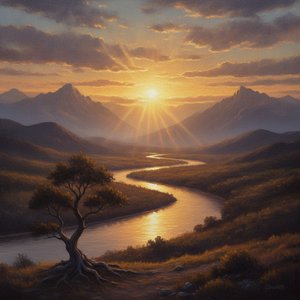
Golden Hour Magic: Capturing the Ethereal Beauty of Sunset Landscapes in Fine Art
Embark on a visual journey through the golden hour. Discover how master painters capture the ethereal glow of sunsets, from Monet's Impressionism to the Hudson River School. Explore timeless techniques and bring the magic of twilight into your home with exquisite fine art reproductions.

Evoking Atmosphere & Identity: A Journey Through Landscape Painting's History
Explore the rich history of landscape painting! Discover renowned artists, movements like Romanticism, & techniques such as atmospheric perspective. Find inspiration and quality reproductions at OriginalUniqueArt.

أفضل 25 لوحة لجون كونستابل: روعة الطبيعة الإنجليزية في OriginalUniqueArt
اكتشف روعة الطبيعة الإنجليزية مع أفضل 25 لوحة لجون كونستابل. قصص فنية آسرة وتقنيات زيتية فريدة في OriginalUniqueArt.com. اشترِ نسخًا عالية الجودة وديكور منزلي فاخر. استكشف المجموعة الكاملة الآن!
