

 معاينة الحجم الواقعي
 إرسال
إرسال مشاركة
 عرض التفاصيل
 دليل الأعمال الفنية للطلاب

 تحميل
تحميل
 قطع مشابهة
 الأشعة السينية
 عرض شرائح متتابع
 الإحصائيات
An Iron Forge


 اقرأ المزيد
طباعة جيلي / مطبوعات فنية
طباعة جيكلي أو كانفاس بجودة المتاحف، مع سرعة في التنفيذ وخيارات متنوعة للتشطيب. ( اطلب نسخة مرسومة يدويًا التحويل إلى الصورة الرقمية)




P118B E£10

P118H E£10

P118W E£10

P438Z E£10

P508JH E£12

P508YH E£12

P805H E£10

P805Z E£10

P919BZ E£10

P919G E£10

P919XJ E£10

P959ZH E£10

P968JZ E£12

W106C E£8

W218G E£10

W218JH E£8

W218Y E£10

W307PJ E£10

W316G E£10

W316PJ E£8

W316Y E£10

W398PJ E£8

W4111J E£10

W500HY E£15

W500JH E£15

W692G E£12

W849H E£8

W940BG E£15

W953PJ E£8




اختر من بين أحجامنا المُعدّة مسبقاً والتي تتوافق مع النسب الأصلية للعمل الفني.

أدخل العرض والارتفاع اللذين تحتاجهما، ليتناسب مع إطارك أو جدارك. يمكن قص المطبوعة فقط، ولا يمكن أبداً جعلها أكبر من الصورة الأصلية، لذا فإن أي مقاس بشكل مختلف سيؤدي إلى فقدان جزء من الصورة. سنرسل لك نموذجاً رقمياً تجريبياً لاعتماده قبل البدء في عملية الطباعة. الصورة المعروضة في هذه الصفحة لا توضح القص الفعلي — النموذج التجريبي فقط هو ما يظهر ذلك.
توصيل عالمي إلى خلال أسبوعين بدلاً من المدة القياسية البالغة 4/5 أسابيع. (23 أكتوبر)

شحن سريع ومجاني لجميع أنحاء العالم

قماش كتان فاخر

تأمين شامل على الشحن

ضمان استرداد الرسوم الجمركية

ضمان دقة مطابقة الألوان

سياسة الإرجاع خلال 100 يوم (في حالات العيوب فقط)

ضمان استرداد نقدي بنسبة 100%

عرض خصم الكميات
 خيار الزجاج متاح فقط للمقاسات التي تقل عن 110 سم

An Iron Forge
طباعة جيلي / مطبوعات فنية
مقاس النسخة المطبوعة
-


إجمالي السعر
E£ 4113
The Radiance of Industry: A Visionary Masterpiece
In the heart of the eighteenth century, as the world stood on the precipice of a profound technological transformation, Joseph Wright of Derby captured a moment that was both deeply human and intensely scientific. An Iron Forge, completed in 1772, is far more than a mere depiction of manual labor; it is a carefully orchestrated tableau that embodies the very spirit of the Enlightenment. The painting transports the viewer into the sweltering, nocturnal atmosphere of a blacksmith’s workshop, where the air seems thick with the scent of coal and the heat of creation. At its center, the intense, incandescent glow of a freshly forged iron bar serves as the primary light source, casting long, dramatic shadows that dance across the faces of those gathered. This is not just a scene of industry, but a spiritual encounter with the power of human ingenuity.
Wright’s technical mastery is most evident in his use of tenebrism, an exaggerated form of chiaroscuro that creates a breathtakingly stark contrast between light and dark. By plunging much of the workshop into deep, impenetrable shadow, he directs our gaze with surgical precision toward the central figures and the molten brilliance of the metal. This technique does more than create visual drama; it elevates the mundane task of blacksmithing to something monumental. The way the light catches the textures of stone, iron, and skin invites the viewer to step into the forge, making the experience visceral and immersive. For the collector or designer, this painting offers a profound sense of depth and theatricality, capable of anchoring a room with its commanding presence and atmospheric weight.
Symbolism and the Spirit of Progress
Beyond its striking visual impact, An Iron Forge is rich with the intellectual currents of its era. The glowing iron bar acts as a powerful symbol of scientific advancement—a literal beacon of light piercing through the darkness of superstition and the unknown. Wright, closely connected to the influential Lunar Society in Birmingham, sought to celebrate the intersection of science, industry, and tradition. In this composition, the blacksmith stands as a bridge between worlds; he is a master of ancient craft, yet his work utilizes modern advancements like the water-powered trip hammer. The presence of his family within the scene adds a layer of poignant humanity, suggesting a harmonious transition where innovation does not destroy heritage but rather illuminates it.
The emotional resonance of the piece lies in its ability to evoke both awe and wonder. There is a palpable sense of excitement in the way the light illuminates the onlookers, mirroring the collective fascination with new discoveries that defined the Age of Reason. To possess a reproduction of this work is to invite a conversation about the enduring human desire to shape our world through intellect and labor. It remains a cornerstone of Romantic art, offering an evocative narrative of progress that continues to inspire those who appreciate the profound relationship between light, shadow, and the transformative power of human endeavor.
الأسئلة والأجوبة
إلى أي مرحلة من مسيرة جوزيف رايت المهنية تنتمي لوحة "An Iron Forge"، بالنظر إلى تاريخ إنتاجها؟
يضع تاريخ 1772 لوحة "An Iron Forge" ضمن مرحلة Industrial Age من مسيرة تطور جوزيف رايت.
ما هي الغرفة المقترحة لعرض "An Iron Forge"، مع مراعاة لوحة ألوانه؟
بالنظر إلى ألوانه التي تتميز بـ Earthy، يُقترح وضع لوحة "An Iron Forge" في Living Room.
عن ماذا يتحدث "An Iron Forge"؟
تتمثل موضوعات "An Iron Forge" في blacksmithing, industry, light, family, science, workshop, nightscape.
نبذة عن الفنان
The Luminary of Derby: Joseph Wright and the Dawn of the Industrial Age
Joseph Wright, known to history as “Wright of Derby,” was more than a painter; he was a visual philosopher who captured a pivotal moment in human existence. Born in 1734 amidst the burgeoning industrial heartland of England, Wright didn’t merely depict his time—he *illuminated* it, both literally and figuratively. His canvases weren't filled with grand historical narratives or aristocratic portraits alone; they pulsed with the energy of scientific discovery, the drama of enlightenment thought, and the stark beauty of a landscape irrevocably altered by human innovation. He stands as the first major artist to truly grapple with, and celebrate, the spirit of the Industrial Revolution, an era that would redefine civilization itself. His early life in Derby, steeped in the practical world of his father’s legal profession, provided a grounding that perhaps informed his later fascination with precision and observation. Though initially destined for law, young Joseph's inclination towards art proved irresistible, leading him to London at seventeen to study under Thomas Hudson, a prominent portrait painter of the day. This formal training laid a foundation, but it was Wright’s innate curiosity and independent spirit that would ultimately forge his unique artistic path.Chiaroscuro and the Spirit of Inquiry
Wright's technical mastery is immediately apparent in his dramatic use of chiaroscuro, a technique borrowed from Baroque masters like Caravaggio but employed with a distinctly modern sensibility. He wasn’t simply interested in creating visual drama; he used light and shadow to symbolize the unveiling of knowledge, the struggle between darkness and understanding. Consider masterpieces such as *An Experiment on a Bird in the Air Pump* (1768), where candlelight throws stark relief upon the faces of onlookers witnessing a scientific demonstration—a scene brimming with both wonder and anxiety. The painting isn’t just about the experiment itself; it's an exploration of humanity’s burgeoning curiosity, its willingness to probe the mysteries of nature, and the ethical implications of such endeavors. Similarly, *A Philosopher Lecturing on the Orrery* (1766) presents a captivating scene where a miniature solar system is unveiled, illuminating not only the faces of the captivated audience but also the expanding universe of scientific thought. These weren’t isolated incidents; Wright consistently sought subjects that allowed him to explore the intersection of science, philosophy, and human emotion. His style was subtly influenced by Alexander Cozens, particularly in his compositional approaches, yet he remained fiercely independent, forging a visual language uniquely his own.Beyond Portraits: Landscapes and the Romantic Sensibility
While Wright is celebrated for his “candlelight pictures,” to limit him to that single aspect of his oeuvre would be a grave disservice. He was also a gifted landscape painter, capturing the rugged beauty of Derbyshire and beyond with an increasingly Romantic sensibility. Works like *Dovedale by Moonlight* showcase his ability to evoke atmosphere and emotion through subtle gradations of light and shadow, transforming familiar scenes into evocative visions. His landscapes weren’t merely topographical representations; they were imbued with a sense of awe and reverence for the natural world—a sentiment that resonated deeply with the growing Romantic movement. Even in these seemingly tranquil scenes, however, there's often an undercurrent of melancholy or mystery, hinting at the fragility of nature and the inevitability of change. *Rydal Waterfall* (1795), exemplifies this skill, showcasing his mastery of capturing both power and serenity within a single composition.A Legacy Forged in Light and Shadow
Wright’s impact on British art was profound, though perhaps not immediately recognized during his lifetime. He faced some resistance from the established artistic circles, notably declining full membership to the Royal Academy after feeling slighted—a testament to his independent spirit. However, his influence extended beyond formal institutions. Artists like William Pether and John Downman were directly inspired by his techniques, particularly his dramatic use of light and shadow. More broadly, Wright’s work paved the way for a new generation of artists who sought to capture the dynamism and complexity of the modern world. He didn't just paint what he saw; he painted what he *felt*—the excitement, the anxiety, the wonder—of an era on the cusp of transformation. His paintings remain powerful reminders of a time when humanity dared to question everything, to explore the unknown, and to embrace the possibilities of a new age. Today, his works are held in major museums worldwide, ensuring that the luminary of Derby continues to illuminate our understanding of art, science, and the human spirit.- Notable Works: *An Experiment on a Bird in the Air Pump*, *A Philosopher Lecturing on the Orrery*, *Dovedale by Moonlight*.
- Influences: Thomas Hudson, Alexander Cozens, Baroque masters like Caravaggio.
- Key Characteristics: Dramatic chiaroscuro, exploration of scientific themes, Romantic landscapes.

جوزيف رايت
1734 - 1797 , المملكة المتحدة
لمحة سريعة
- أعمال بارزة:
- تجربة على طائر في مضخة الهواء
- فيلسوف يلقي محاضرة
- دوفديل في ضوء القمر
- الاسم الكامل: جوزيف رايت من ديربي
- الجنسية: بريطاني
- الحركة الفنية: الكياروسكورو، الرومانسية
- الفنانون المؤثرون:
- توماس هدسون
- الكسندر كوزنز
- تاريخ الميلاد: 3 سبتمبر 1734
- تاريخ الوفاة: 29 أغسطس 1797
- مكان الميلاد: ديربي، المملكة المتحدة
مقالات ذات صلة

Illuminating Enlightenment: Joseph Wright of Derby's Scientific Vision
Explore the captivating world of Joseph Wright of Derby, a pioneer of Enlightenment art. Discover his masterful chiaroscuro, scientific themes & investment potential. Expert analysis for collectors.
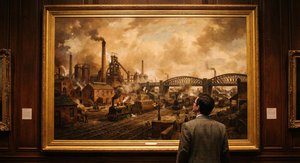
Industrial Revolution on Canvas: 10 Artworks That Define a Modern Aesthetic
Explore 10 iconic artworks capturing the Industrial Revolution’s grit & beauty. From Monet to Manet, discover realism, impressionism & powerful scenes of urban life. Find museum-quality reproductions for your home at OriginalUniqueArt.com.

Romantic Realism's Finest: 10 Masterpieces for Your Home | OriginalUniqueArt
Explore 10 defining masterpieces of Romantic Realism! Discover Courbet, Millet & Daumier's powerful paintings—capturing emotion and social realities. Find museum-quality reproductions for your home at OriginalUniqueArt.com.
The Gritty Muse: Industrial Vibe as Defining Aesthetic in Modern Artwork
Explore the captivating world of industrial aesthetics in modern art. Discover key movements, influential artists & collecting insights at OriginalUniqueArt.com – your source for museum-quality reproductions and expert art guidance.
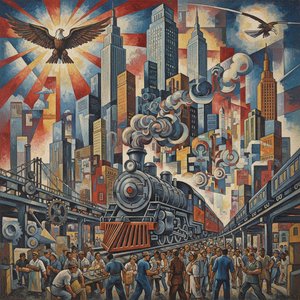
Joseph Stella: Modernism's Dynamic Vision of Industry, Urban Life & the American Spirit
Explore the captivating world of Joseph Stella, a pioneer of American Modernism. Discover his iconic depictions of industry, urban life & the Brooklyn Bridge. Expert analysis for art collectors.
