
 معاينة الحجم الحقيقي
 مشاركة
 مشاركة
 التفاصيل

 تحميل الملف
 قطع مشابهة
 الأشعة السينية
 عرض شرائح
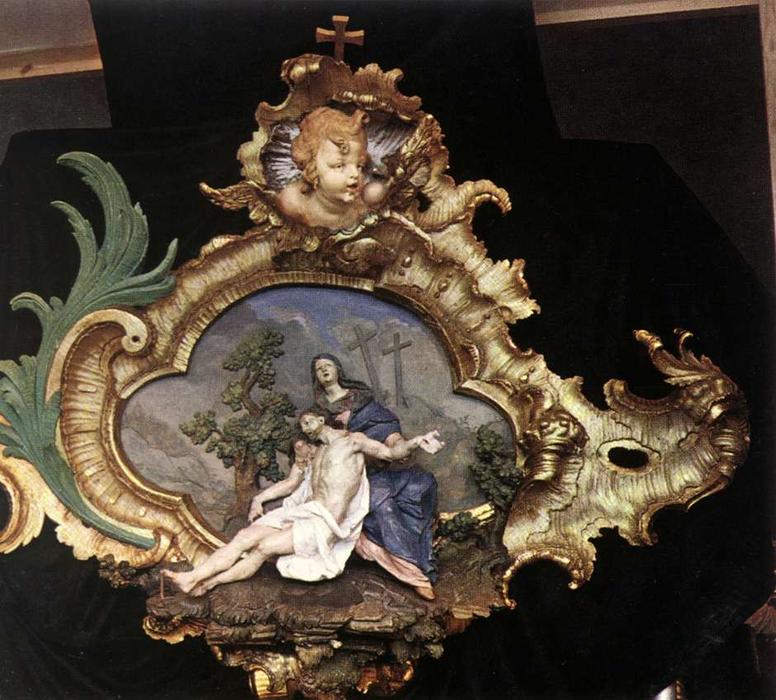
Pietà


 عرض المزيد
طباعة جيلي / مطبوعات فنية
طباعة جيكلي أو كانفاس بجودة المتاحف، مع سرعة في التنفيذ وخيارات متنوعة للتشطيب. ( اشترِ لوحة مرسومة يدويًا اشترِ الصورة)




P118B $10

P118H $10

P118W $10

P438Z $10

P508JH $12

P508YH $12

P805H $10

P805Z $10

P919BZ $10

P919G $10

P919XJ $10

P959ZH $10

P968JZ $12

W106C $8

W218G $10

W218JH $8

W218Y $10

W307PJ $10

W316G $10

W316PJ $8

W316Y $10

W398PJ $8

W4111J $10

W500HY $15

W500JH $15

W692G $12

W849H $8

W940BG $15

W953PJ $8




اختر من بين أحجامنا المُعدّة مسبقًا والتي تتطابق مع النسب الأصلية للعمل الفني.

يمكنك إدخال أبعادك الخاصة لتناسب إطاراً أو مساحة معينة. وإذا لم يتطابق الحجم الذي اخترته مع نسب الصورة الأصلية، فسنقوم إما بقص العمل الفني أو تمديد الصورة باستخدام حافة معكوسة أو بلون مصمت. سيتم إرسال نموذج تجريبي رقمي لاعتمادك قبل بدء الإنتاج.
يرجى ملاحظة أن المعاينة على الشاشة لا تعكس عملية القص أو التمديد الفعلية؛ حيث سيوضح النموذج التجريبي فقط التكوين النهائي بدقة.
وعلى الرغم من توفر أحجام مخصصة، إلا أننا نوصي باختيار أبعاد من القائمة المحددة مسبقاً للحفاظ على النسب الأصلية.
توصيل عالمي إلى خلال أسبوعين بدلاً من المدة القياسية البالغة 4/5 أسابيع. 19 أغسطس

شحن سريع ومجاني لجميع أنحاء العالم

قماش كتان عالي الجودة

تأمين شحن شامل

ضمان استرداد الرسوم الجمركية

ضمان مطابقة الألوان الحقيقية

سياسة الإرجاع خلال 60 يومًا (في حالات العيوب فقط)

ضمان استرداد نقدي بنسبة 100%

خصم عند طلب عدة قطع
 خيار الزجاج متاح فقط للمقاسات التي تقل عن 110 سم

Pietà
طباعة جيلي / مطبوعات فنية
مقاس النسخة المطبوعة
-


السعر الإجمالي النهائي
$ 80
السيرة الذاتية للفنان
The Sculptor of Rococo Grace
In the luminous era of the High Baroque and the burgeoning elegance of the Rococo, few names resonate with as much tactile splendor as Joseph Anton Feuchtmayr. Born in 1696 in Linz, Austria, Feuchtmayr was not merely an artist but a scion of a profound creative dynasty. As a descendant of the illustrious Johann Michael Feuchtmayer the Elder, he was steeped from birth in the traditions of the Wessobrunner School, a prestigious lineage of craftsmen renowned for their ability to breathe life into stone and stucco. His journey was one of transforming heavy, earthly materials into ethereal, light-catching forms that seemed to defy gravity itself.
Feuchtmayr’s artistic evolution was deeply rooted in the rigorous training he received under his father, Franz Joseph Feuchtmayer. This early education provided him with a formidable foundation in anatomical precision and the dramatic dynamism characteristic of Baroque sculpture. However, it was his encounter with the Italian stuccoist Diego Francesco Carlone that would fundamentally alter his trajectory. From Carlone, Feuchtmayr mastered the sophisticated technique of creating highly polished, reflective surfaces—a skill that allowed his stucco figures to capture and dance with the flickering candlelight of cathedral interiors, imbuing them with a celestial glow.
Mastery of Stucco and the Upper Swabian Baroque
The true brilliance of Feuchtmayr’s career unfolded along the Upper Swabian Baroque Route, where he became a sought-after master for the most ambitious ecclesiastical projects of his time. His work was never solitary; rather, it was part of a grand, integrated vision of sacred space. Working alongside contemporaries such as Johann Joseph Christian, Feucht and his workshop specialized in the seamless integration of sculpture and architecture. He possessed a rare ability to treat stucco not as a mere decorative additive, but as a primary medium capable of profound emotional expression.
One cannot discuss his legacy without mentioning his most iconic creation: the Honigschlecker, or the "Honey Eater." Located on the Bernhardsaltar at the Birnau Monastery, this captivating putto—a depiction of St. Bernard—remains a pinnacle of Rococo charm. The sculpture, celebrated for its expressive gesture and masterful polishing, perfectly encapsulates Feuchtmayr’s ability to blend sacred devotion with playful, humanistic grace. Through such works, he moved the viewer not through fear or awe alone, but through a sense of divine sweetness and light.
A Lasting Legacy in Mimmenhausen
As his career progressed, Feuchtmayr took over his father’s workshop in Mimmenhausen, establishing himself as the "house sculptor" for the prestigious monastery in Salem. His contributions to the Salemer Münster, including the magnificent organ case, demonstrated his capacity for monumental scale and intricate detail. His life's work was a testament to the power of the Wessobrunner tradition—a blend of technical virtuosity, anatomical mastery, and an almost supernatural ability to manipulate light.
Though he passed away in 1770, Feuchtmayr’s influence remains etched into the very walls of Southern Germany and Switzerland. His workshop's dedication to the luminous and the delicate helped define the aesthetic soul of the Rococo period. Today, his memory is preserved not only in the breathtaking churches he adorned but also in the museum dedicated to his life in Mimmenhausen, where the echoes of his sculptural grace continue to inspire awe in all who encounter his enduring masterpieces.

Joseph Anton Feuchtmayr
1696 - 1770 , Austria
حقائق سريعة
- Artistic Movement Or Style: Rococo
- Artists Or Movements Influenced By This Artist: ['Upper Swabian Baroque Route']
- Artists Who Influenced This Artist: ['Diego Francesco Carlone']
- Date Of Birth: Linz, Austria (1696)
- Date Of Death: 1770
- Full Name: Joseph Anton Feuchtmayr
- Nationality: Austrian
- Notable Artworks:
- St. Joachim
- Pietà
- Place Of Birth: Linz
مقالات ذات صلة

Bronze Sculptures That Defined Art History | OriginalUniqueArt
Journey through art history with our Top 10 bronze sculptures! Explore masterpieces by Rodin, Michelangelo & more. Discover stories behind iconic statues and find museum-quality reproductions for your home decor at OriginalUniqueArt.com.

The Enduring Form: Exploring Themes & Techniques in Sculpture Across Historical Periods
Explore the rich history of sculpture from ancient masterpieces to contemporary innovations. Discover key techniques, influential artists & investment potential for discerning art collectors.

Theatricality & Triumph: Baroque Drama in Painting & Sculpture
Explore the dramatic world of Baroque art! Discover its history, defining characteristics, & lasting influence on painting & sculpture. Expert insights into Caravaggio, Zurbarán, and Bernini – plus high-quality reproductions at OriginalUniqueArt.
The Enduring Form: Sculpture Across History, Technique & Emotional Resonance
Explore the rich history of sculpture with OriginalUniqueArt. Discover key techniques, influential artists & investment potential for discerning collectors. Expert insights into valuing and collecting timeless masterpieces.

The Dramatic Flourish: Exploring the Baroque Movement's Enduring Legacy in Art History
Explore the dramatic world of Baroque art! Discover iconic artists like Caravaggio & Rubens, defining techniques, and its lasting impact on art history. Expert insights for collectors & enthusiasts at OriginalUniqueArt.

