

 معاينة الحجم الواقعي
 إرسال
إرسال مشاركة
 عرض التفاصيل
 دليل الأعمال الفنية للطلاب

 تحميل
تحميل
 قطع مشابهة
 الأشعة السينية
 عرض شرائح متتابع
 الإحصائيات
Maria Naryschkina


 اقرأ المزيد
نسخة زيتية مصنوعة يدوياً
لوحة زيتية مرسومة يدوياً على الكانفاس بالمقاس والإطار الذي تفضله، تُنفذ حسب الطلب على أيدي فنانينا. ( التبديل إلى المطبوعات التحويل إلى الصورة الرقمية)




P118B $10

P118H $10

P118W $10

P438Z $10

P508JH $12

P508YH $12

P805H $10

P805Z $10

P919BZ $10

P919G $10

P919XJ $10

P959ZH $10

P968JZ $12

W106C $8

W218G $10

W218JH $8

W218Y $10

W307PJ $10

W316G $10

W316PJ $8

W316Y $10

W398PJ $8

W4111J $10

W500HY $15

W500JH $15

W692G $12

W849H $8

W940BG $15

W953PJ $8




اختر من بين أحجامنا المُعدّة مسبقاً والتي تتوافق مع النسب الأصلية للعمل الفني.

يمكنك إدخال أبعاد خاصة لتناسب إطاراً أو مساحة معينة. وفي حال عدم تطابق الحجم المختار مع نسب الصورة الأصلية، سنقوم إما بقص العمل الفني أو توسيع اللوحة عبر إضافة عناصر مرسومة يدوياً. وسيتم إرسال نموذج رقمي إليك للموافقة عليه قبل بدء عملية الإنتاج.
يرجى ملاحظة أن المعاينة على الشاشة لا تعكس عملية القص أو التوسيع الفعلية؛ إذ إن النموذج الرقمي هو الوحيد الذي يوضح التكوين النهائي بدقة.
وعلى الرغم من توفر أحجام مخصصة، إلا أننا نوصي باختيار أبعاد من القائمة المحددة مسبقاً للحفاظ على النسب الأصلية للعمل الفني.
بعد إتمام الطلب، سيرسل فريق OriginalUniqueArt.com بريداً إلكترونياً للعميل لطلب التعليمات وتزويده بمعاينة تجريبية (mockup).
توصيل عالمي إلى خلال 3 إلى 4 أسابيع بدلاً من المدة المعتادة البالغة 5 أسابيع. (26 سبتمبر). جودة لا تهاون فيها.

شحن سريع ومجاني لجميع أنحاء العالم

قماش كتان فاخر

تأمين شامل على الشحن

ضمان استرداد الرسوم الجمركية

ضمان دقة مطابقة الألوان

سياسة الإرجاع خلال 100 يوم (في حالات العيوب فقط)

ضمان استرداد نقدي بنسبة 100%

عرض خصم الكميات
 خيار الزجاج متاح فقط للمقاسات التي تقل عن 110 سم

Maria Naryschkina
وسيط إعادة الإنتاج
مقاس النسخة المطبوعة
-


إجمالي السعر
$ 300
نبذة عن الفنان
Josef Grassi: A Venetian Visionary
Josef Grassi (1757 – 1838) stands as a pivotal figure in Austrian art history, celebrated primarily for his exquisitely rendered portraits and captivating depictions of Venetian landscapes. Born into a family of goldsmiths in Vienna’s Leopoldstadt district, Grassi's artistic journey began under the tutelage of his sculptor father, Anton Grassi, fostering an early appreciation for meticulous observation and refined craftsmanship. This formative influence would permeate his entire oeuvre, shaping his distinctive style—characterized by luminous color palettes, subtle tonal gradations, and a remarkable ability to convey psychological depth.- Early Life & Education: Grassi’s formal artistic training took place at the Vienna Academy of Fine Arts, where he honed his skills in drawing and painting before gravitating towards portraiture as his primary medium. Despite facing challenges during his academic years—particularly a failed bid for a travel scholarship—he persevered, securing invaluable experience through collaborations with prominent artists like Heinrich Friedrich Füger.
- Move to Warsaw & Polish Nationalism: Dissatisfaction with the Viennese academy propelled Grassi eastward in 1799, where he accepted a professorship at the Dresden Academy of Fine Arts. However, his artistic sensibilities were profoundly stirred by the burgeoning Polish nationalist movement of 1794, inspiring him to depict scenes of heroic resistance and bolstering his commitment to portraying the human spirit with compassion and nuance.
- Rome & Venetian Influence: Grassi’s subsequent sojourn in Rome (1808-1810) coincided with the ascendance of the Nazarene movement—a reaction against Neoclassical formalism—yet he remained steadfast in his pursuit of artistic excellence, immersing himself in the vibrant atmosphere of Venice and absorbing its aesthetic traditions. This Venetian fascination would become a defining element of his artistic vision, informing his landscapes and enriching his portraits with evocative color harmonies and atmospheric perspective.
The Portrait Painter Extraordinaire
Grassi’s reputation rests upon his unparalleled ability to capture the essence of his subjects—primarily women—with breathtaking accuracy and sensitivity. He eschewed grand gestures or theatrical poses, favoring instead intimate compositions that prioritized psychological realism. His portraits are imbued with a palpable sense of presence, conveying not merely physical likeness but also inner character and emotional nuance. Grassi’s meticulous technique—characterized by painstaking layering of glazes and masterful blending—allowed him to achieve remarkable luminosity and depth, transforming his canvases into windows onto the souls of his sitters. Notable examples include “Izabe a Ahinskaja,” “Ignacy Dzia y ski” and “Maria Naryschkina”, each demonstrating Grassi’s mastery of Venetian color palettes and tonal gradations.- Technique & Style: Grassi's artistic style evolved over time, reflecting the influence of Venetian painting—particularly the works of Giovanni Battista Tiepolo—and embracing a refined Neoclassical aesthetic. He skillfully employed glazing techniques to create shimmering surfaces and achieve subtle tonal variations, capturing the subtleties of light and shadow with exceptional precision.
- Notable Works: His celebrated landscapes, such as “The Venetian Canal,” exemplify his ability to evoke mood and atmosphere through masterful use of color and composition. Grassi’s oeuvre encompasses a diverse range of subjects—portraits of nobility, dignitaries, and artists—each imbued with an unwavering commitment to artistic integrity and human empathy.
Legacy & Historical Significance
Josef Grassi's contribution to Austrian art history extends beyond his individual masterpieces; he served as a mentor to younger artists and championed the pursuit of aesthetic excellence. His unwavering dedication to portraying the human condition—particularly through portraiture—established him as a champion of humanist ideals and solidified his place among Austria’s most distinguished painters. Grassi's enduring influence can be discerned in subsequent generations of Austrian artists who admired his technical prowess and embraced his Venetian sensibility. He died peacefully in Dresden at the age of 80, leaving behind a legacy of beauty and artistic innovation that continues to inspire admiration today.Further Exploration
For more information about Josef Grassi’s life and work, consult scholarly publications and online resources dedicated to Austrian art history. The British Museum's biographical entry provides valuable insights into his artistic development and historical context.
josef grassi
1757 - 1838
لمحة سريعة
- Artistic Movement Or Style: Neoclassical
- Artists Or Movements Influenced By This Artist: ['Nazarene Movement']
- Artists Who Influenced This Artist: ['Heinrich Friedrich Füger']
- Date Of Death: 1838
- Full Name: Josef Grassi
- Nationality: Austrian
- Notable Artworks:
- Izabe a Ahinskaja
- Ignacy Dzia y ski
- Maria Naryschkina
- Place Of Birth: Vienna, Austria
مقالات ذات صلة
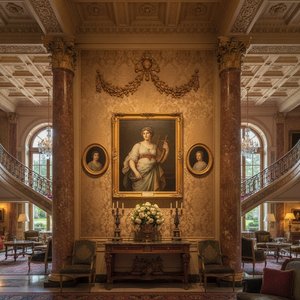
Neoclassical Portraiture: A Procurement Guide to Timeless Elegance for Luxury Hotel Interiors
A professional procurement guide for hotel designers sourcing Neoclassical portraiture. Discover how to integrate timeless elegance into luxury interiors with high-volume, hand-painted oil reproductions, custom sizing, and reliable global logistics for large-scale hospitality projects.
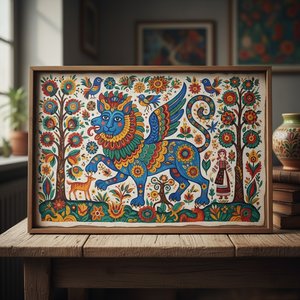
Maria Primachenko: A Legacy of Ukrainian Folk Art & Naive Expression
Discover the captivating world of Maria Primachenko, Ukraine's celebrated naive artist. Explore her vibrant paintings, unique style, and enduring legacy with OriginalUniqueArt – your source for authentic art insights & reproductions.
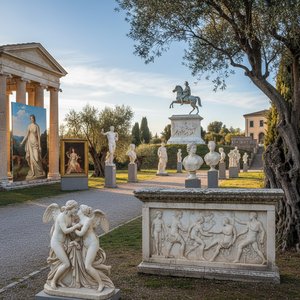
أفضل 10 روائع تحدد حركة الكلاسيكية الجديدة: فن وإلهام لديكور منزلك | OriginalUniqueArt
اكتشف روائع حركة الكلاسيكية الجديدة! ١٠ لوحات خالدة من مايكل أنجلو وبارتمينيوس وغيرها. استكشف تاريخ الفن، أساليب الرسم، والألوان المذهلة. احصل على تحف فنية عالية الجودة لديكور منزلك مع OriginalUniqueArt.com

Neoclassical Portraiture: The Timeless Elegance of Order, Grace, and Academic Mastery
Explore the refined world of Neoclassical portraiture. Discover the mastery of line, light, and order through an expert exploration of academic art history, from Jacques-Louis David to Jean-Antoine Houdon. Immerse yourself in the timeless elegance of classical realism.
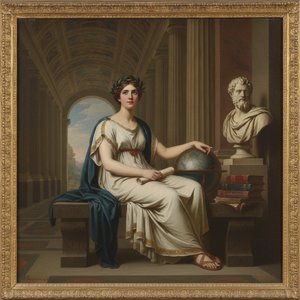
Timeless Elegance: The Grace, Order, and Intellectual Majesty of Neoclassical Portraiture
Explore the profound beauty of Neoclassical portraiture. Discover how masters used order, grace, and antiquity to transform portraits into timeless monuments of virtue and character through academic excellence.