
 معاينة الحجم الواقعي
 مشاركة
 مشاركة
 التفاصيل
 دليل
دليل

 تحميل الملف
 قطع مشابهة
 الأشعة السينية
 عرض شرائح
 Q&A
Q&A الإحصائيات
Incubation

- 28.0 x 34.0 cm


 عرض المزيد
إن العمل الفني المعروض في هذه الصفحة محمي بموجب قوانين حقوق الطبع والنشر، مما يعني أنه لا يحق لنا قانوناً إنشاء أو بيع نسخ مطابقة له. وتُطبق هذه الحماية بموجب الاتفاقيات الدولية مثل الـ اتفاقية برن ووفقاً للقوانين الوطنية، بما في ذلك تلك المنصوص عليها في قانون حقوق الطبع والنشر في الولايات المتحدة - الباب 17.
تتوافق هذه الطريقة تماماً مع لوائح حقوق النشر لأنها لا تتضمن نسخ أو تكرار العمل الفني المحمي، بل هي إعادة تفسير إبداعية؛ أي أنها لوحة جديدة مستوحاة من الأصل ولكنها ليست مطابقة له.
طباعة جيلي / مطبوعات فنية
طباعة جيكلي أو كانفاس بجودة المتاحف، مع سرعة في التنفيذ وخيارات متنوعة للتشطيب. ( شراء لوحة مرسومة يدويًا الانتقال إلى الصورة الرقمية)




P118B E£10

P118H E£10

P118W E£10

P438Z E£10

P508JH E£12

P508YH E£12

P805H E£10

P805Z E£10

P919BZ E£10

P919G E£10

P919XJ E£10

P959ZH E£10

P968JZ E£12

W106C E£8

W218G E£10

W218JH E£8

W218Y E£10

W307PJ E£10

W316G E£10

W316PJ E£8

W316Y E£10

W398PJ E£8

W4111J E£10

W500HY E£15

W500JH E£15

W692G E£12

W849H E£8

W940BG E£15

W953PJ E£8




اختر من بين أحجامنا المُعدّة مسبقاً والتي تتوافق مع النسب الأصلية للعمل الفني.

أدخل العرض والارتفاع المطلوبين ليتناسب المقاس مع إطارك أو جدارك. يرجى الملاحظة أن المطبوعة يمكن قصها فقط ولا يمكن تكبيرها لتتجاوز أبعاد الصورة الأصلية، لذا فإن اختيار مقاس بأبعاد مختلفة سيؤدي إلى فقدان جزء من الصورة. سنرسل لك نموذجاً رقمياً تجريبياً لاعتماده قبل البدء في عملية الطباعة. الصورة المعروضة في هذه الصفحة لا توضح شكل القص الفعلي — النموذج التجريبي فقط هو ما يظهر ذلك بدقة.
توصيل عالمي إلى خلال أسبوعين بدلاً من المدة القياسية البالغة 4/5 أسابيع. (2 نوفمبر)

شحن سريع ومجاني لجميع أنحاء العالم

قماش كتان عالي الجودة

تأمين شامل على الشحن

ضمان استرداد الرسوم الجمركية

ضمان مطابقة الألوان الحقيقية

سياسة الإرجاع خلال 100 يوم (في حالات العيوب فقط)

ضمان استرداد نقدي بنسبة 100%

خصم عند طلب كميات
 خيار الزجاج متاح فقط للمقاسات التي تقل عن 110 سم

Incubation
طباعة جيلي / مطبوعات فنية
مقاس النسخة المطبوعة
-


إجمالي السعر النهائي
E£ 4184
Jorge de la Vega: Incubation – A Symphony of Anxiety and Spiritual Observation
Jorge de la Vega (1930-1971) stands as a singular figure within the Argentine Nueva Figuración movement, an artistic rebellion against academic conventions that sought to capture the turbulent spirit of the postwar era. Initially drawn to architecture—a pursuit he abandoned after six formative years at Universidad de Buenos Aires—Vega swiftly recognized the limitations of geometric abstraction and embraced a path toward intensely personal expression.
His early canvases explored both representational forms and stylistic experimentation, establishing a distinctive visual vocabulary characterized by unsettling imagery and a preoccupation with psychological states. The pivotal decision to forgo formal training proved decisive, propelling him into a multifaceted career encompassing painting, songwriting, and sculptural endeavors—a testament to his unwavering commitment to artistic exploration.
“Incubation,” created in 1966, exemplifies Vega’s signature style: a jarring blend of expressionism and Cubist influences. The artwork depicts a chaotic tableau populated by multiple figures engaged in exaggerated facial expressions – screams, stares, and gestures of profound unease dominate the composition. Thick, bold lines delineate these forms, creating a palpable sense of movement and tension.
- Composition: Vega abandons traditional perspective, favoring instead a flattened space that amplifies the claustrophobic atmosphere. Overlapping figures contribute to this feeling of confinement, mirroring anxieties about societal pressures and interpersonal relationships.
- Color Palette: Primarily monochrome—black and white—the palette underscores the artwork’s emotional intensity. Absence of shading reinforces the flatness of the image and directs attention to textural variations achieved through hatching and cross-hatching techniques.
- Technique: Vega employs direct drawing with forceful lines, prioritizing expressive gesture over meticulous realism. The technique is rooted in Cubist principles but infused with an emotive urgency reminiscent of Expressionism’s focus on subjective experience.
Beyond its formal characteristics, “Incubation” resonates with deeper symbolic concerns. The central figure—a man wearing glasses—represents intellectual scrutiny and perhaps a futile attempt to comprehend the overwhelming forces shaping human existence. Simultaneously, the angel positioned on the right serves as a visual counterpoint, embodying spiritual observation and hinting at judgment – a duality that encapsulates Vega’s exploration of existential dilemmas.
Vega's work continues to captivate audiences with its unflinching portrayal of psychological turmoil and its masterful manipulation of artistic language. “Incubation” stands as a poignant reminder of the artist’s ability to transform personal anxieties into powerful visual narratives, cementing his legacy as one of Argentina’s most influential figures in contemporary art.
Additional Context: Santo Domingo de la Calzada – A Cathedral of Legend
Vega's artistic sensibilities extended beyond painting; he possessed a fascination with architectural spaces and religious iconography. The Catedral de Santo Domingo de la Calzada, nestled in Zaragoza, Spain—a UNESCO World Heritage Site—provided inspiration for his visual explorations. Its Romanesque-Gothic grandeur embodies centuries of history and spiritual devotion.
The cathedral’s Rooster Miracle – a miraculous apparition of a rooster perched atop the spire – exemplifies Vega's interest in symbols that transcend mere representation, reflecting deeper beliefs about faith and divine intervention. Visiting this architectural marvel offers a tangible connection to artistic heritage and contemplative reflection.
Exploring Contemporary Artistic Voices: Águeda Ruiz de la Prada
Vega’s influence can be discerned in the work of Águeda Ruiz de la Prada, a prominent Argentine artist known for her distinctive blend of surrealism and abstraction. Like Vega, Ruiz de la Prada challenges conventional artistic boundaries, prioritizing emotional resonance over stylistic adherence.
Her canvases—often characterized by vibrant colors and dreamlike imagery—engage viewers in dialogues about identity, memory, and the complexities of human experience. Ruiz de la Prada’s commitment to artistic experimentation mirrors Vega's pioneering spirit, demonstrating the enduring legacy of Nueva Figuración’s transformative impact on Argentine art.
Beyond Argentina: Maurice Quentin de La Tour – Pastel Innovation
Vega’s stylistic innovations found parallels in the work of Maurice Quentin de La Tour, a French pastel artist who revolutionized portraiture during the Rococo period. De La Tour's pioneering use of pastel—a medium previously considered marginal—allowed for unprecedented tonal subtlety and expressive nuance.
His portraits captured the aristocratic elegance of his era while simultaneously conveying psychological depth – qualities that resonate with Vega’s artistic vision. Studying de La Tour’s techniques offers insights into the broader context of artistic experimentation and stylistic evolution within European art history.
الأسئلة والأجوبة
كيف تعكس ألوان "Incubation" للفنان خورخي دي لا فيغا المشاعر التي يجسدها العمل؟
تجمع لوحة "Incubation" للفنان خورخي دي لا فيغا بين مجموعة ألوان Neutrals ونبرة Tense.
ما هو اللون الأكثر بروزاً في "Incubation"؟
اللون الأكثر بروزاً في "Incubation" هو White (#f7f8f7)؛ ويُعد اللون السائد مفيداً عند تنسيق العمل الفني مع التصميم الداخلي.
إلى أي تيار فني تنتمي "Incubation" للفنان خورخي دي لا فيغا؟
تنتمي "Incubation" للفنان خورخي دي لا فيغا إلى حركة Expressionistic Cubism، التي تمنح العمل سياقه الأسلوبي.
السيرة الذاتية للفنان
حياة متقطعة: عالم خورخي دي لا فيغا متعدد الأوجه
خورخي دي لا فيغا، اسم يتردد صداه بطاقة مضطربة لأرجنتين منتصف القرن العشرين، لم يكن مجرد رسام؛ بل كان زلزالا ثقافيا، يسجل اهتزازات التغيير المجتمعي من خلال لوحات مليئة بالصور المزعجة، وفيما بعد، من خلال أغاني الاحتجاج المؤثرة. ولد في بوينس آيرس عام 1930، بدا مساره الأولي متجهًا نحو الهندسة المعمارية، حيث التحق بجامعة بوينس آيرس عام 1948. ومع ذلك، سرعان ما ثبت أن الهياكل الصارمة للتصميم غير كافية لاحتواء روحه الفنية المتنامية. تخلى عن الدراسات المعمارية الرسمية بعد ست سنوات، واختار بدلاً من ذلك طريق الاستكشاف الذاتي - قرار سيحدد حياته المهنية المتنوعة والمختصرة في النهاية. شهدت الخمسينيات الأولى تجاربه مع الأشكال التمثيلية والأساليب الهندسية المجردة السائدة، مما وضع الأساس لمفردات بصرية فريدة من نوعها ستتحدى النظام القائم قريبًا.صعود نيوفيجوراسيون ونظرة نقدية
جاءت لحظة محورية في عام 1961 مع تشكيل *Otra Figuración* (التشكيل الآخر)، جنبًا إلى جنب مع الفنانين الأرجنتينيين لويس فيليبي نويه ورومولو ماكيو وإرنستو دييرا. كانت هذه الحركة، المعروفة أيضًا باسم *Nueva Figuración* (التشكيل الجديد)، استجابة مباشرة للهيمنة المجردة الهندسية في المشهد الفني الأرجنتيني - محاولة متعمدة لإعادة تقديم الشكل البشري، ليس كعنصر جمالي فحسب، بل كوعاء للقلق الوجودي والتعليق الاجتماعي. لم يكن الهدف الجماعي للمجموعة هو تصوير الإنسانية ببساطة، ولكن تفكيكها، وكشف نقاط ضعفها وتناقضاتها. أثبتت الرحلة التكوينية إلى أوروبا مع *Otra Figuración* أنها مؤثرة بعمق، مما وسع آفاقهم الفنية وعزز التزامهم بتحدي الأعراف التقليدية. في وقت لاحق، كشفت فترة قضاها في الولايات المتحدة عن دي لا فيغا للحركة الناشئة لفن البوب في مدينة نيويورك - لقاء سيؤثر بعمق على أسلوبه، ويحقنه بصور جريئة وحافة نقدية. كما حصل حتى على منحة فولبرايت في عام 1965، مما سمح له بالعمل كأستاذ زائر في جامعة كورنيل، مما أثرا وجهة نظره الفنية بشكل أكبر.فك رموز لغة بصرية من عدم الراحة
تتميز أعمال دي لا فيغا بمشاركتها الثابتة مع تعقيدات الحياة الحديثة. لوحاته مليئة بالشخصيات المشوهة والأشكال المجزأة والأشياء الرمزية - وهي لغة بصرية مصممة لإثارة عدم الراحة وتحفيز التفكير النقدي. لم يكن مهتمًا بالجمال من أجل الجمال؛ بل سعى إلى كشف عبثية ثقافة المستهلك، وعزلة الوجود المعاصر، والقلق الكامن الذي ابتلى المجتمع بعد الحرب العالمية الثانية. التأثير الواضح لفن البوب واضح في استخدامه الجريء للألوان واقتباس الصور اليومية، لكن دي لا فيغا غرس هذه العناصر بنبرة أغمق بشكل مميز - وهو فكاهة ساخرة أكدت نقده الاجتماعي. تجسد أعمال مثل "الحمد"، و"حاول مرة أخرى"، و"المغازلة"، و"ألعاب الحب والصدفة"، و"الحضانة"، وسلسلة بعنوان "لغز" هذا النهج، وتقديم سرديات مجزأة تتحدى المشاهدين لمواجهة الحقائق غير المريحة. غالبًا ما توقع أسلوبه جمالية رقمية، مع إحساس بالتقديم والتلاعب كان رائدًا بشكل ملحوظ في ذلك الوقت.من القماش إلى الأغنية: تحول في الوسيط
في منعطف مفاجئ، قام دي لا فيغا بتحويل تركيزه بشكل كبير في السنوات الأخيرة من حياته، متخليًا عن الفن البصري بالكامل ومكرس نفسه للموسيقى. أصبح مغنيًا وكاتب أغاني مشهورًا، وصاغ أغاني الاحتجاج التي ترددت صداها مع وجهة النظر الساخرة الواضحة في لوحاته. لم يكن هذا التحول مجرد تغيير في الوسيط؛ بل كان امتدادًا لفلسفته الفنية - وهو الرغبة في الوصول إلى جمهور أوسع برسالته النقدية الاجتماعية. كانت كلماته حادة وثاقبة، وتعكس قلقه العميق بشأن الظلم السياسي والوضع البشري. لسوء الحظ، تم اختصار حياة دي لا فيغا في عام 1971 عن عمر يناهز 41 عامًا، تاركًا وراءه عملاً يظل مقنعًا ومؤرثًا بشكل مؤلم.إرث دائم: إعادة تعريف التعبير الأرجنتيني
على الرغم من وفاته المبكرة، إلا أن تأثير خورخي دي لا فيغا على تاريخ الفن اللاتيني الأمريكي لا يمكن إنكاره. ساهمت مشاركته مع *Nueva Figuración* في إعادة تعريف التعبير الفني الأرجنتيني خلال فترة من الاضطرابات السياسية والاجتماعية الكبيرة. تحدى الوضع الراهن، وشكك في الأعراف المجتمعية، وتجرأ على كشف التيارات المظلمة للحياة الحديثة. اليوم، يتم عرض أعماله الفنية في المتاحف عبر الأرجنتين وعلى الصعيد الدولي - بما في ذلك متحف فينيكس للفنون، ومتحف الفن الحديث في ريو دي جانيرو بالبرازيل، ومتحف الفن الأمريكي في منظمة الدول الأمريكية بواشنطن العاصمة - شهادة على القوة الدائمة وأهمية رؤيته. يكمن إرث دي لا فيغا ليس فقط في أسلوبه الفني المميز ولكن أيضًا في التزامه الثابت باستخدام الفن كأداة للتعليق الاجتماعي والتعبير عن الذات - شهادة على فنان تجرأ على النظر إلى ما وراء السطح ومواجهة تعقيدات التجربة الإنسانية.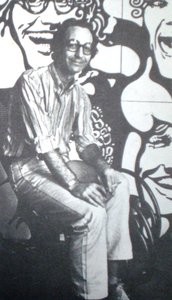
خورخي دي لا فيغا
1930 - 1971 , الأرجنتين
حقائق سريعة
- الأعمال البارزة:
- مديح
- حاول مرة أخرى
- مغازلة
- الاسم الكامل: خورخي دي لا فيغا
- الجنسية: أرجنتيني
- الحركات المتأثرة: ['نيويفا فيغوراسيون']
- الحركة الفنية: نيويفا فيغوراسيون
- الفنانون المؤثرون: ['فنانو البوب آرت']
- تاريخ الميلاد: 27 مارس 1930
- تاريخ الوفاة: 26 أغسطس 1971
- مكان الميلاد: بوينس آيرس، الأرجنتين
مقالات ذات صلة

About Us
Discover our story! We bring world-class art into your life through expert curation, personalized creations, and free previews. Trusted by individuals and businesses since 2000.
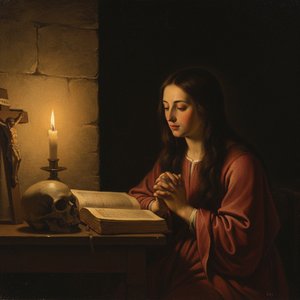
Georges de La Tour: Luminosity, Spirituality & Realism in Baroque Painting
Discover the captivating world of Georges de La Tour, a Baroque master renowned for his dramatic chiaroscuro & spiritual realism. Explore key works, influences, and his remarkable rediscovery. Learn more at OriginalUniqueArt.

أفضل 25 لوحة لفنانٍ عبقري: جوايا يلامس الروح بالفن والتاريخ
اكتشف 25 تحفة فنية لفنان العبقري جوايا! رحلة في عالم لوحاته المؤثرة، من الرومانسية إلى الواقعية. احصل على نسخ عالية الجودة لديكور منزلك الفاخر على OriginalUniqueArt.com

Maurice Quentin de La Tour: Light, Shadow & the Rococo Portrait
Explore the captivating world of Maurice Quentin de La Tour, a master of Rococo portraiture. Discover his innovative pastel techniques, intimate depictions of French aristocracy, and lasting artistic legacy. Learn more at OriginalUniqueArt.
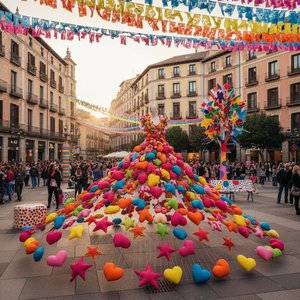
Águeda Ruiz de la Prada: A Study of Eclecticism & Emotional Resonance in Contemporary Spanish Painting
Discover the vibrant world of Ágatha Ruiz de la Prada, a leading figure in contemporary Spanish art. Explore her eclectic style, emotional depth & legacy – a must-read for discerning collectors.