- الرئيسية

- طباعة على كانفاس
- jörg petel
- Ecce Homo

 اطلب نسخة مرسومة يدوياً شراء الصورة بدقة عالية
 مشاركة
 مشاركة
 التفاصيل
 أضف إلى المفضلة

 تحميل الملف
 قطع مشابهة
 الأشعة السينية
 عرض شرائح
Ecce Homo


 عرض المزيد
طباعة جيلي / مطبوعات فنية
طباعة جيكلي أو كانفاس بجودة المتاحف، مع سرعة في التنفيذ وخيارات متنوعة للتشطيب.




































اختر من بين أحجامنا المُعدّة مسبقًا والتي تتطابق مع النسب الأصلية للعمل الفني.

يمكنك إدخال أبعادك الخاصة لتناسب إطاراً أو مساحة معينة. وإذا لم يتطابق الحجم الذي اخترته مع نسب الصورة الأصلية، فسنقوم إما بقص العمل الفني أو تمديد الصورة باستخدام حافة معكوسة أو بلون مصمت. سيتم إرسال نموذج تجريبي رقمي لاعتمادك قبل بدء الإنتاج.
يرجى ملاحظة أن المعاينة على الشاشة لا تعكس عملية القص أو التمديد الفعلية؛ حيث سيوضح النموذج التجريبي فقط التكوين النهائي بدقة.
وعلى الرغم من توفر أحجام مخصصة، إلا أننا نوصي باختيار أبعاد من القائمة المحددة مسبقاً للحفاظ على النسب الأصلية.
توصيل عالمي إلى خلال أسبوعين بدلاً من المدة القياسية البالغة 4/5 أسابيع. 23 يوليو

شحن سريع ومجاني لجميع أنحاء العالم

قماش كتان عالي الجودة

تأمين شحن شامل

ضمان استرداد الرسوم الجمركية

ضمان مطابقة الألوان الحقيقية

سياسة الإرجاع خلال 60 يومًا (في حالات العيوب فقط)

ضمان استرداد نقدي بنسبة 100%

خصم عند طلب عدة قطع
 خيار الزجاج متاح فقط للمقاسات التي تقل عن 110 سم

Ecce Homo
طباعة جيلي / مطبوعات فنية
مقاس النسخة المطبوعة
-


السعر الإجمالي النهائي
-
السيرة الذاتية للفنان
Georg Petel (1601/02 – January 1635, Augsburg)
Georg Petel was a German sculptor and ivory carver who stands as one of the pivotal figures in establishing Baroque sculpture within Germany. Born in Weilheim im Bayerischen Oberland around 1601 or 1602, he descended from humble origins – orphaned at infancy due to the untimely deaths of his parents – and found mentorship under Bartholomä Steinle, a local carver who instilled in him the foundational skills of craftsmanship. This early training would prove instrumental in shaping Petel’s artistic trajectory.- Early Life & Training: Steinle's workshop provided Petel with invaluable experience in ivory carving, exposing him to the techniques and aesthetic sensibilities prevalent in Munich’s aristocratic circles.
- Influence of Rubens & Antwerp: A formative encounter with Peter Paul Rubens in Antwerp profoundly impacted Petel’s artistic vision. Rubens’ dynamic compositions and masterful use of light served as a powerful stimulus for Petel's own sculptural endeavors, particularly his fascination with portraying emotion and grandeur.
- Roman Period & Artistic Style: Petel’s Roman apprenticeship instilled in him a stylistic approach characterized by dramatic modeling, expressive gestures, and meticulous attention to detail—elements that would define his oeuvre throughout his career.
- Notable Works: Among Petel's most celebrated creations are “Venus and Cupid” (Ashmolean Museum, Oxford), “Triumph of Venus” (Stockholm Palace) and St Christopher Statue for St Moritz Church in Augsburg

jörg petel
1601 - 1634 , Germany
حقائق سريعة
- Artistic Movement Or Style: Baroque
- Artists Or Movements Influenced By This Artist: ['Gianlorenzo Bernini']
- Artists Who Influenced This Artist:
- Christoph Angermair
- Peter Paul Rubens
- Date Of Birth: 1601
- Full Name: Jörg Petel
- Nationality: German
- Notable Artworks:
- Bust of Rubens
- Ecce Homo
- Place Of Death: Augsburg
مقالات ذات صلة
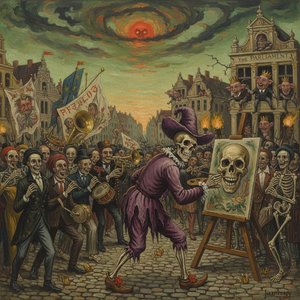
James Ensor's Grotesque Visions: Social Commentary & Artistic Innovation
Explore the unsettling yet captivating world of James Ensor, a pioneer of Expressionism. Discover his satirical masterpieces, symbolic imagery & lasting influence on modern art. High-quality reproductions available at OriginalUniqueArt.

Theatricality & Triumph: Baroque Drama in Painting & Sculpture
Explore the dramatic world of Baroque art! Discover its history, defining characteristics, & lasting influence on painting & sculpture. Expert insights into Caravaggio, Zurbarán, and Bernini – plus high-quality reproductions at OriginalUniqueArt.
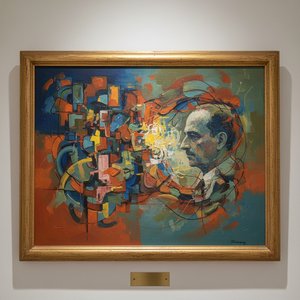
Jorge José Castillo Casalderrey: A Spanish Abstract Expressionist's Evolving Vision
Explore the captivating world of Jorge José Castillo Casalderrey, a leading Spanish Abstract Expressionist. Discover his unique style, market value & legacy. Expert insights for discerning collectors.
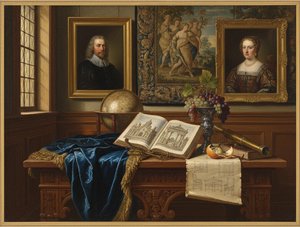
Masterpieces of the 17th Century: Art, History & Decor Inspiration | OriginalUniqueArt
Journey through 17th century art with masterpieces by Rembrandt, Vermeer & Caravaggio. Explore Baroque paintings, Dutch Golden Age techniques & timeless beauty. Find museum-quality reproductions and elevate your home decor on OriginalUniqueArt.com.
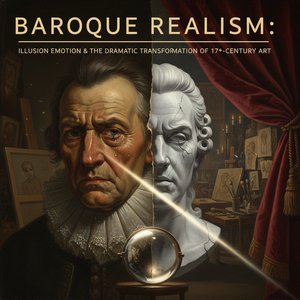
Baroque Realism: Illusion, Emotion & the Dramatic Transformation of 17th-Century Art
Explore the dramatic world of Baroque Realism! Discover iconic artists like Caravaggio & Rubens, their techniques, and the movement's lasting impact on art history. Expert insights for collectors & enthusiasts.

