التبديل إلى المطبوعات
 اقرأ المزيد







































 بالنسبة للأعمال الفنية أو النسخ المطبوعة التي يتجاوز طول أي من أضلاعها 105 سم (حوالي 41 بوصة)، سيتم شحن الإطار كمجموعة مفككة. تضمن هذه الطريقة سلامة التوصيل وتمنع حدوث أي أضرار أثناء النقل.


Lamia: A Pre-Raphaelite Vision of Myth
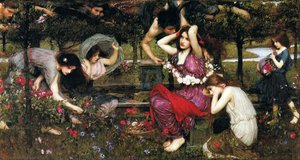
John Waterhouse’s “Lamia” is more than simply a depiction of a classical scene; it's an immersive experience, a carefully constructed tableau designed to evoke the very essence of Keats’s poem. Painted in 1917, this work exemplifies Waterhouse’s masterful command of Pre-Raphaelite aesthetics – a style characterized by meticulous detail, luminous color palettes, and a profound reverence for medieval and Renaissance art. The scene unfolds within the shadowed depths of an ancient Greek hillside, rendered with a sensitivity to light and atmosphere that borders on the ethereal. The knight's posture, rigid yet yearning, combined with Lamia’s melancholic grace, creates a palpable tension – a frozen moment of both desire and impending doom.
(Image of Lamia by John Waterhouse)
The Poetic Narrative
Waterhouse’s interpretation is deeply rooted in Keats's original poem. The title itself, “Lamia,” immediately establishes the subject – a monstrous woman transformed from human beauty through divine retribution. However, it’s not merely a retelling of the myth; Waterhouse subtly shifts the focus to the knight’s perspective. His intense gaze, directed solely at Lamia, speaks volumes about his captivated vulnerability. The positioning—kneeling before her, hand outstretched – suggests a willing surrender to an irresistible force, mirroring the poem's exploration of obsessive love and fatal attraction. The ‘evening dim at moth time,’ so vividly described by Keats, is meticulously recreated through Waterhouse’s use of muted tones and atmospheric haze, amplifying the sense of mystery and foreboding.
Technique and Symbolism
Waterhouse's technical skill is immediately apparent in the rendering of texture. The armor gleams with a realistic sheen, reflecting the light while simultaneously conveying its protective function. The fabric of Lamia’s garment – subtly textured to suggest scales – provides a crucial visual clue to her true nature, a delicate yet unsettling detail that avoids overt horror. The peacock hues within the ‘snake-skin’ draped around her are not merely decorative; they directly reference Keats's evocative description, grounding the painting firmly in the poem’s imagery and reinforcing the theme of transformation and corruption. The inclusion of the two swords adds a layer of narrative complexity, hinting at conflict and potential violence – a stark contrast to Lamia’s initial allure.
Historical Context & Legacy
"Lamia" represents a pivotal moment in Waterhouse's artistic development. Initially working in the style of Lawrence Alma-Tadema, he gradually embraced the Pre-Raphaelite Brotherhood’s romantic vision, finding inspiration in Arthurian legends and medieval themes. This painting showcases his mastery of this style, demonstrating his ability to seamlessly blend classical subject matter with a distinctly Pre-Raphaelite sensibility. Waterhouse's "Lamia" remains a powerful example of the movement's influence, captivating viewers with its beauty, mystery, and profound exploration of human emotion – a testament to Waterhouse’s enduring artistic legacy.
الأسئلة والأجوبة
ما مدى قوة التباين في "Lamia" للفنان جون ويليام ووترهاوس؟
تُظهر لوحة "Lamia" للفنان جون ويليام ووترهاوس تباينًا Gentle بين مناطق الضوء والظلال فيها.
ما هي الأجواء التي يضفيها "Lamia"؟
تتمتع لوحة "Lamia" بأجواء Romantic.
هل يمكنني طلب نسخة زيتية مرسومة يدوياً من "Lamia"؟
تتوفر النسخ المرسومة يدوياً من "Lamia" للفنان جون ويليام ووترهاوس للبيع عبر هذا الموقع: نسخة زيتية مرسومة يدوياً على قماش الكتان، ويمكن طلبها من خلال صفحة نسخة زيتية مرسومة يدوياً.
 معاينة الحجم الواقعي
 إرسال
إرسال مشاركة
 عرض التفاصيل
 دليل الأعمال الفنية للطلاب

 تحميل
تحميل
 قطع مشابهة
 الأشعة السينية
 عرض شرائح متتابع
 Q&A
Q&A الإحصائيات