

 معاينة الحجم الواقعي
 إرسال
إرسال مشاركة
 عرض التفاصيل
 دليل الأعمال الفنية للطلاب

 تحميل
تحميل
 قطع مشابهة
 الأشعة السينية
 عرض شرائح متتابع
 الإحصائيات
Somewhere in France
 1919
1919 31.0 x 15.0 cm
 اقرأ المزيد
طباعة جيلي / مطبوعات فنية
طباعة جيكلي أو كانفاس بجودة المتاحف، مع سرعة في التنفيذ وخيارات متنوعة للتشطيب. ( اطلب نسخة مرسومة يدويًا التحويل إلى الصورة الرقمية)




































اختر من بين أحجامنا المُعدّة مسبقاً والتي تتوافق مع النسب الأصلية للعمل الفني.

يمكنك إدخال أبعاد خاصة لتناسب إطاراً أو مساحة معينة. وفي حال عدم تطابق الحجم المختار مع نسب الصورة الأصلية، سنقوم إما بقص العمل الفني أو تمديد الصورة باستخدام حافة معكوسة أو لون مصمت. وسيتم إرسال نموذج تجريبي رقمي لاعتمادك قبل بدء عملية الإنتاج.
يرجى ملاحظة أن المعاينة على الشاشة لا تعكس عملية القص أو التمديد الفعلية؛ حيث سيوضح النموذج التجريبي فقط التكوين النهائي بدقة.
وعلى الرغم من توفر أحجام مخصصة، إلا أننا نوصي باختيار أبعاد من القائمة المحددة مسبقاً للحفاظ على النسب الأصلية.
توصيل عالمي إلى خلال أسبوعين بدلاً من المدة القياسية البالغة 4/5 أسابيع. (25 سبتمبر)

شحن سريع ومجاني لجميع أنحاء العالم

قماش كتان فاخر

تأمين شامل على الشحن

ضمان استرداد الرسوم الجمركية

ضمان دقة مطابقة الألوان

سياسة الإرجاع خلال 100 يوم (في حالات العيوب فقط)

ضمان استرداد نقدي بنسبة 100%

عرض خصم الكميات
 خيار الزجاج متاح فقط للمقاسات التي تقل عن 110 سم

Somewhere in France
طباعة جيلي / مطبوعات فنية
مقاس النسخة المطبوعة
-


إجمالي السعر
$ 80
The Artist's Inspiration
John Taylor Arms was born in 1887 in Washington, DC, and studied architecture at the Massachusetts Institute of Technology. During World War I, he served as an officer in the United States Navy, which is where he developed his passion for etching. His experiences during the war had a profound impact on his art, and Somewhere in France is a reflection of that.The Etching
Somewhere in France is a beautiful example of etching as an art form. The piece features a charming town scene with buildings, people, and birds flying overhead. The level of detail in the etching is impressive, with intricate lines and textures that give the image depth and dimension. The overall atmosphere of the piece is one of serenity and peacefulness, making it a joy to behold.Other Notable Works
John Taylor Arms was a prolific artist, and his body of work includes many notable pieces. Some of his other famous etchings include The Enchanted Doorway, French Lace, and Medieval Pageantry. These pieces can be found on OriginalUniqueArt.com, where you can also learn more about the artist and his techniques.- John Taylor Arms was a member of the Society of American Graphic Artists and served as its president.
- He was also a full member of the National Academy of Design.
- You can find more information about John Taylor Arms on Wikipedia.
You can also explore the Smithsonian American Art Museum collection to see more of John Taylor Arms' work and other notable American artists.
نبذة عن الفنان
The Architect of the Etched Line
John Taylor Arms was far more than a mere printmaker; he was an architect of light and shadow, a man who used the needle to resurrect the grandeur of a bygone era. Born in Washington, D.C., on April 19, 1887, his early life was marked by a rigorous intellectual pursuit that would later define the precision of his art. Before he ever touched an etching plate, Arms navigated the demanding corridors of Princeton University, studying law, before pivoting toward the structural complexities of architecture at the Massachusetts Institute of Technology. This foundational training in architectural drafting provided him with a unique ocular discipline, allowing him to perceive the world not just as a collection of shapes, but as a sophisticated interplay of weight, balance, and historical narrative.
The turbulence of the early twentieth century left an indelible mark on his spirit. Serving as an officer in the United States Navy during World War I, Arms experienced a world in flux, yet it was this very period of service that seemed to crystallize his dedication to craftsmanship. Upon returning to civilian life, he turned his focus toward the graphic arts, publishing his first original etchings in 1919. His initial subject matter—the soaring, industrial majesty of the Brooklyn Bridge—demonstrated an early mastery of perspective and tonal gradation, proving that his architectural eye could find beauty in both the ancient and the modern.
A Devotion to Gothic Grandeur
As his career matured throughout the 1920s and 30s, Arms’ artistic gaze drifted from the steel spans of New York toward the hallowed, stone-carved sanctuaries of Europe. He became a preeminent interpreter of Gothic architecture, particularly the magnificent cathedrals of France and Italy. While many of his contemporaries were swept up in the fluid, emotive strokes of Impressionism, Arms remained steadfast in his commitment to an almost scientific accuracy. To him, every flying buttress, every intricate finial, and every delicate rose window held a spiritual and historical weight that demanded absolute fidelity.
His technical process was nothing short of legendary among printmaking circles. To achieve the microscopic detail required to render medieval stone carvings, Arms employed unconventional tools, such as sewing needles, to etch hairline precision into his plates. Working under the scrutiny of magnifying glasses, he painstakingly built layers of texture and depth, creating works that felt less like prints and more like windows into the past. This meticulousness allowed him to capture the soul of the architecture; through his lines, one could almost feel the cool dampness of a cathedral nave or the weight of centuries-old masonry.
Legacy in Ink and Iron
The significance of John Taylor Arms lies in his ability to bridge the gap between technical documentation and fine art. His oeuvre serves as a vital graphic record of architectural splendor, preserving the intricate details of medieval structures with a clarity that photography of the era could not replicate. His work was celebrated by numerous printmaking societies, and he became a prominent figure in the American graphic arts scene, blending humanist sensibilities with his structural expertise.
Throughout his life, Arms’ contributions to the medium can be summarized by several defining characteristics:
- Architectural Precision: A unique ability to translate complex structural engineering into delicate, expressive line work.
- Historical Preservation: The use of etching as a tool to document and venerate the Gothic and medieval heritage of Europe.
- Technical Innovation: The mastery of specialized tools and extreme detail that pushed the boundaries of traditional printmaking.
- Tonal Mastery: An exceptional command over light and shadow, creating atmospheric depth within monochromatic compositions.
When he passed away in 1953, Arms left behind a legacy etched into the very fabric of American printmaking history. His works, now held in prestigious institutions such as the Smithsonian American Art Museum, continue to inspire awe, reminding us that true beauty is often found in the most minute and meticulously crafted details.
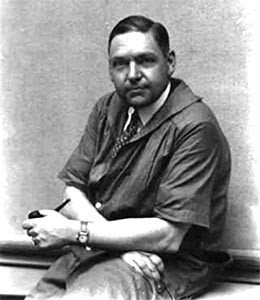
John Taylor Arms
1887 - 1953
لمحة سريعة
- Artistic Movement Or Style: Gothic Architecture Series
- Date Of Birth: 1887
- Date Of Death: 1953
- Full Name: John Taylor Arms
- Nationality: American
- Notable Artworks:
- Medieval Pageantry
- Somewhere in France
- French Lace
- Place Of Birth: Washington, DC