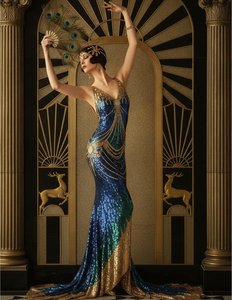
نسخة زيتية
 كل ما يخص Lydia Lynde







































 بالنسبة للأعمال الفنية أو النسخ المطبوعة التي يتجاوز طول أي من أضلاعها 105 سم (حوالي 41 بوصة)، سيتم شحن الإطار كمجموعة مفككة؛ حيث تضمن هذه الطريقة سلامة التوصيل وتمنع حدوث أي أضرار أثناء النقل.


The Enduring Grace of Neo-Classical Portraiture
To gaze upon Lydia Lynde is to step directly into the refined drawing rooms of eighteenth-century Boston. This portrait, executed by the masterful hand of John Singleton Copley in 1764, transcends a mere likeness; it is a carefully composed tableau vivant of elegance and burgeoning American aspiration. The style itself speaks volumes—the hallmarks of Neo-Classicism are evident in its commitment to order, clarity, and an almost idealized simplicity. Copley, ever the keen observer of his time, captured not just the sitter’s features, but the very spirit of a society embracing refinement after periods of upheaval. The overall effect is one of serene poise, inviting the modern viewer into a moment suspended between history and timeless beauty.
A Study in Texture and Detail
Copley's technical prowess shines through every visible thread and delicate fold of fabric. Observe the intricate lace trim adorning Lydia Lynde’s gown; it is rendered with such painstaking detail that one can almost feel its delicate structure against the skin. Complementing this richness are the softer, more ephemeral touches—the subtle bloom of the flower nestled in her hair and the gentle bow of pink silk upon her head. These elements are not accidental decorations; they are carefully placed notes in a visual symphony. The medium of oil on canvas allows Copley to achieve both luminous depth and crisp definition, making the portrait an astonishing testament to his skill as a painter.
Symbolism and Social Portraiture
In the context of Lydia Lynde, every element carries weight regarding social standing and character. The subject’s direct, gentle gaze meets the viewer with an unmistakable air of self-possession—the hallmark of the emerging American elite who valued both beauty and moral integrity. The clothing, while exquisitely detailed, adheres to a classical sense of proportion, suggesting adherence to established societal virtues. It is a portrait that functions as much as a social document as it does a piece of art, celebrating the ideals of refinement that defined this pivotal era in American history.
Bringing History Home: Decorating with Masterpieces
For the collector or designer seeking an anchor of historical depth for their space, Lydia Lynde offers unparalleled sophistication. The dimensions of 135 x 76 cm allow it to command attention without overwhelming a room, serving as a magnificent focal point in a formal drawing-room, library, or grand hall. Owning a reproduction of this work is not simply acquiring art; it is curating an atmosphere steeped in the quiet dignity and enduring grace of eighteenth-century artistry. It promises conversation, admiration, and a tangible connection to the masters who shaped the visual narrative of America.
الأسئلة والأجوبة
هل لوحة Lydia Lynde مرسومة يدوياً أم مطبوعة؟
مرسومة يدوياً: يقوم رسام محترف بمحاكاة Lydia Lynde بالألوان الزيتية على قماش الكتان.
ما الحجم الذي يجب أن أختاره لـ Lydia Lynde؟
أبعاد العمل الأصلي هي 135 x 76 cm. تتراوح المقاسات من 34.4 x 29.1 cm (E£10780) إلى 249.6 x 211.1 cm (E£103223)؛ ويوضح الجدول الموجود في هذه الصفحة الخطوات الأساسية وأسعارها.
كم تستغرق عملية التوصيل؟
تستغرق عملية التوصيل من 4 إلى 5 أسابيع، مع خدمة الشحن السريع المجاني لجميع أنحاء العالم؛ كما يتوفر خيار الإنتاج المستعجل في هذه الصفحة. يمكنك إرجاع العمل الفني خلال 100 يوم واسترداد كامل المبلغ دون أي شروط.
أين توجد النسخة الأصلية من Lydia Lynde؟
النسخة الأصلية ضمن مجموعة New Britain Museum of American Art في نيو بريتن.
ما هي الوسائط التي استخدمها جون سينغلتون كوبلي في عمله Lydia Lynde؟
Oil On Canvas
 معاينة الحجم الواقعي

 مشاركة
 مشاركة
 التفاصيل
 ورقة الحقائق


 تحميل الملف
 قطع مشابهة
 الأشعة السينية
 عرض شرائح
 الأسئلة والأجوبة

 الإحصائيات