Neoclassicism · 1769
Ebenezer Storer (جون سينغلتون كوبلي, 1769)
أبدع جون سينغلتون كوبلي (1738–1815) في Ebenezer Storer. يعود تاريخها إلى 1769. تنتمي إلى حركة Neoclassicism. صُنعت من Oil On Canvas. أبعادها 61 × 46 cm
- 1769
- Oil On Canvas
- 61 × 46 cm

 معاينة الحجم الواقعي

 لوحة زيتية مرسومة يدوياً
 مشاركة
 مشاركة
 ورقة الحقائق


 تحميل الملف
 قطع مشابهة
 الأشعة السينية
 عرض شرائح
 الأسئلة والأجوبة

 الإحصائيات
Ebenezer Storer باختصار
- العنوان
- Ebenezer Storer
- الفنان
- جون سينغلتون كوبلي (1738–1815)
- تاريخ ميلاد الفنان
- بوسطن, الولايات المتحدة
- التاريخ
- 1769
- الوسيط الفني
- Oil On Canvas
- الأبعاد
- 61 × 46 cm
- الحركة
- Neoclassicism
- الحقبة
- Early Modern
- الموضوع
- man, turban, green robe, white collar, portrait, fabric
ماذا يصور Ebenezer Storer؟
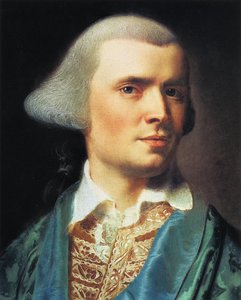
Portrait of Ebenezer Storer by John Singleton Copley
This portrait painting depicts Ebenezer Storer, rendered by the artist John Singleton Copley. The work is likely from about 1769. The subject is positioned in a three-quarter view, facing forward with a slight turn toward the viewer's left. His gaze is directed toward the audience, establishing a sense of formality and dignity through his steady expression.
The subject is presented against a dark, undifferentiated background that lacks discernible texture. This choice of setting focuses the viewer's attention entirely on the figure of Storer. He is dressed in an elaborate robe and a turban, attire that suggests a position of wealth or a connection to trade. A stark white collar provides a sharp point of contrast against the darker tones of his clothing and the surrounding space.
The composition follows a traditional structure typical of 18th-century portraiture. The subject's head is topped by a prominent circular turban, while the folds of his garments create organic, curvilinear shapes. The lighting is diffused and even, appearing to originate from the upper left of the frame. This light illuminates the face and the textures of the clothing without creating harsh shadows, maintaining a calm and orderly presentation of the sitter.
Composition and Visual Elements of the Portrait
The subject is positioned slightly off-center within the frame, creating a three-quarter view. Storer faces forward, though his body and gaze maintain a slight turn toward the viewer's left. This orientation directs the eye toward the dark, undifferentiated background, which lacks any discernible detail or depth. The absence of environmental context focuses all visual attention on the figure and his attire.
The color palette is dominated by various shades of green. Deep forest green appears in the turban and the robe, while lighter, more muted greens are used within the patterns of the fabric. A stark white collar provides a sharp point of contrast against these darker tones and the surrounding shadows. The turban forms a prominent circular shape atop the head, providing a geometric counterpoint to the organic, curvilinear forms of the face and the draped clothing.
Light enters the composition from the upper left, illuminating the face and the textures of the garments without creating harsh shadows. This even lighting reveals the subtle variations in the flesh tones, which are rendered in shades of pink and beige. The fabric of the robe suggests a soft, luxurious texture through the use of highlights that indicate a slight sheen on the surface of the material.
Technique and Material Composition
This portrait is executed in oil paint on canvas. The technical approach is representative of 18th-century American portraiture, utilizing a method of careful observation to achieve a high degree of realism. The artist employs skillful rendering of form and texture, particularly in the depiction of the subject's attire and facial features. The fabric of the turban and robe shows subtle highlights that indicate a soft, luxurious sheen, while the skin tones are achieved through delicate variations in color to convey smoothness.
The lighting in the composition is diffused and even, avoiding harsh shadows across the subject. A gentle light source appears to originate from the upper left of the frame, illuminating the face and the folds of the clothing. This lighting strategy works in tandem with the artist's precise brushwork to define the edges of the white collar, the turban, and the draped garments. The background remains dark and undifferentiated, which focuses the viewer's attention on the physical presence and material details of the sitter.
صور عالية الدقة لـ Ebenezer Storer
جون سينغلتون كوبلي, Ebenezer Storer (1769). ملك عام
أسئلة وإجابات حول Ebenezer Storer
في أي عام أُنجز "Ebenezer Storer"؟
أُبدع العمل الفني "Ebenezer Storer" للفنان جون سينغلتون كوبلي في عام 1769.
ما هي التقنية المستخدمة في تنفيذ "Ebenezer Storer" للفنان جون سينغلتون كوبلي؟
نُفذت لوحة "Ebenezer Storer" باستخدام Oil On Canvas.
ما هي أبعاد العمل الأصلي "Ebenezer Storer"؟
أبعاد العمل الفني المسجلة لـ "Ebenezer Storer" للفنان جون سينغلتون كوبلي هي 46 x 61 cm. يمكن طلب نسخ مطابقة بأحجام أخرى مع الحفاظ على نفس النسب.
ما هي الموضوعات التي يتناولها "Ebenezer Storer" للفنان جون سينغلتون كوبلي؟
تُصور "Ebenezer Storer" للفنان جون سينغلتون كوبلي: man, turban, green robe, white collar, portrait, fabric, skin tones.
هل "Ebenezer Storer" للفنان جون سينغلتون كوبلي ضمن الملكية العامة؟
حالة حقوق الطبع والنشر لـ "Ebenezer Storer" للفنان جون سينغلتون كوبلي: العمل يقع ضمن ملك عام - انتهت مدة حماية حقوق الطبع والنشر الخاصة به، وهو ما يحدد مدى إمكانية إعادة إنتاج الصورة بحرية.
من هو الفنان الذي يُنسب إليه العمل "Ebenezer Storer"؟
الفنان الذي أبدع عمل "Ebenezer Storer" هو جون سينغلتون كوبلي، والعمل مُدرج تحت اسم جون سينغلتون كوبلي.
إلى أي تيار فني تنتمي "Ebenezer Storer" للفنان جون سينغلتون كوبلي؟
تنتمي "Ebenezer Storer" للفنان جون سينغلتون كوبلي إلى حركة Neoclassicism، التي تمنح العمل سياقه الأسلوبي.
إلى أي مرحلة من مسيرة جون سينغلتون كوبلي الفنية ينتمي العمل "Ebenezer Storer"؟
تندرج لوحة "Ebenezer Storer" ضمن مرحلة Mature Period من مسيرة جون سينغلتون كوبلي المهنية، وهي مرحلة تتيح مقارنة هذا العمل بأعمال الفنان الأخرى.
كم كان عمر جون سينغلتون كوبلي عند إبداع العمل "Ebenezer Storer"؟
أبدع جون سينغلتون كوبلي لوحة "Ebenezer Storer" وهو في سن 31. وُلد الفنان في 1738 ويعود تاريخ هذا العمل إلى 1769.
عن الفنان، جون سينغلتون كوبلي
1738–1815, الولايات المتحدة
جون سينغلتون كوبلي
الحياة المبكرة، العائلة والتدريب بزغ نجم جون سنغلتون كوبلي من قلب الصخب التجاري لمدينة بوسطن الاستعمارية، حيث وُلد عام 1738. كانت جذور نشأته ضاربة في أعماق التجارة البحرية في "لونج وِرف"، حيث كانت والدته، ماري سينغلتون كوبلي، تدير متجراً هناك، بينما كان والده، ريتشارد كوبلي، يعمل تاجراً للتبغ. لم تكن هذه البيئة مجرد خلفية اجتماعية فحسب، بل كانت نافذة مباشرة أطلّ منها على الملامح المادية والتدرجات الطبقية التي ستشكل لاحقاً لغته البصرية الفريدة. لم يولد كوبلي في كنف سلالة فنية، إلا أن قربه من طبقة التجار جعل منه خبيراً يدرك القيمة الجمالية والمادية للأشياء التي سيقوم برسمها لاحقاً.
وأيضاً لـ جون سينغلتون كوبلي
 جون سنغستون كوبلي
رائد يربط بين العوالم: حياة وفن جون سنغستون كوبلي
جون سنغستون كوبلي، المولود في بوسطن عام 1738، يحتل مكانة فريدة ومحورية في تاريخ الفن الأمريكي. لم يكن مجرد رسام؛ لقد كان جسرًا ثقافيًا، حيث ربط جمالية أنجلو أمريكية متميزة خلال فترة اضطر1778
 Brook Watson and the Shark1778
 Paul Revere1768
 The Colapse of the Earl of Chatham in the House of Lords (also known as The Death of the Earl of Chatham)1779
مقالات حول Ebenezer Storer
 Masterpieces of John Singleton Copley: The Top 25 Essential ArtworksExplore the top 25 masterpieces of John Singleton Copley. Discover the finest Colonial American art on OriginalUniqueArt.com.
 18th century American paintersMasterpieces by Copley and Stuart define 18th century American art. Explore the full collection online at OriginalUniqueArt.com.
 American artworks of the 1810s1810s American art by Gilbert Stuart, John Trumbull, and Rembrandt Peale. Find museum-quality reproductions on OriginalUniqueArt.com.