

 معاينة الحجم الحقيقي
 مشاركة
 مشاركة
 التفاصيل

 تحميل الملف
 قطع مشابهة
 الأشعة السينية
 عرض شرائح
النبي الخارج عن الطاعة
 زيت على قماش
- لوحات جدارية
- Baroque Drama
 1790
1790 243.0 x 332.0 cm
 الأكاديمية الملكية الاسكتلندية للفنون - العمارة
 عرض المزيد
طباعة جيلي / مطبوعات فنية
طباعة جيكلي أو كانفاس بجودة المتاحف، مع سرعة في التنفيذ وخيارات متنوعة للتشطيب. ( التحويل إلى لوحة مرسومة يدوياً التبديل إلى الصورة)




P118B $10

P118H $10

P118W $10

P438Z $10

P508JH $12

P508YH $12

P805H $10

P805Z $10

P919BZ $10

P919G $10

P919XJ $10

P959ZH $10

P968JZ $12

W106C $8

W218G $10

W218JH $8

W218Y $10

W307PJ $10

W316G $10

W316PJ $8

W316Y $10

W398PJ $8

W4111J $10

W500HY $15

W500JH $15

W692G $12

W849H $8

W940BG $15

W953PJ $8




اختر من بين أحجامنا المُعدّة مسبقًا والتي تتطابق مع النسب الأصلية للعمل الفني.

يمكنك إدخال أبعادك الخاصة لتناسب إطاراً أو مساحة معينة. وإذا لم يتطابق الحجم الذي اخترته مع نسب الصورة الأصلية، فسنقوم إما بقص العمل الفني أو تمديد الصورة باستخدام حافة معكوسة أو بلون مصمت. سيتم إرسال نموذج تجريبي رقمي لاعتمادك قبل بدء الإنتاج.
يرجى ملاحظة أن المعاينة على الشاشة لا تعكس عملية القص أو التمديد الفعلية؛ حيث سيوضح النموذج التجريبي فقط التكوين النهائي بدقة.
وعلى الرغم من توفر أحجام مخصصة، إلا أننا نوصي باختيار أبعاد من القائمة المحددة مسبقاً للحفاظ على النسب الأصلية.
توصيل عالمي إلى خلال أسبوعين بدلاً من المدة القياسية البالغة 4/5 أسابيع. 10 أغسطس

شحن سريع ومجاني لجميع أنحاء العالم

قماش كتان عالي الجودة

تأمين شحن شامل

ضمان استرداد الرسوم الجمركية

ضمان مطابقة الألوان الحقيقية

سياسة الإرجاع خلال 60 يومًا (في حالات العيوب فقط)

ضمان استرداد نقدي بنسبة 100%

خصم عند طلب عدة قطع
 خيار الزجاج متاح فقط للمقاسات التي تقل عن 110 سم

النبي الخارج عن الطاعة
طباعة جيلي / مطبوعات فنية
مقاس النسخة المطبوعة
-


السعر الإجمالي النهائي
$ 80
وصف القطعة الفنية
الرسالة القاضية لجون غرام
تعتبر الرسالة القاضية لجون غرام تحفة فنية زيتية تم رسمها عام 1790 وتجسد عمقًا تاريخيًا ودينيًا، حيث استلهم الفنان من قصة يسوع ومريم العذراء لتكوين لوحة ذات تأثير بصري وعاطفي لا يضاهى. هذه اللوحة التي تضم الآن مكانة مرموقة في أكاديمية الفنون والآداب الملكية في إدنبرة، المملكة المتحدة، تُعد مثالًا للرسم الباروكي الذي يتميز بالحدة والتعبير عن المشاعر القوية، وتُعتبر من أهم الأعمال الفنية التي تعكس روح العصر وتثير اهتمام المحللين والفنانين على حد سواء. تتميز اللوحة بتكوين معقد يركز على رجل متجاهر يحمل إشارة نحو شخص ملقى على الأرض، ويرافق ذلك وجود حصانين، مما يعكس القوة والسيطرة في مواجهة الضعف والتضحية، وهي عناصر أساسية في الفكر الديني الباروكي الذي كان سائدًا آنذاك. يستخدم غرام تقنية الرسم الزيتي السميكة التي تضفي على اللوحة عمقًا وحيويةً، وتُظهر تفاصيل دقيقة للأشخاص والمكان، مع التركيز على الإضاءة والتظليل لخلق جو من الدراما والغموض، مما يجعله مناسبًا لتزيين القصور والمتاحف الكبرى. إن الأسلوب الفني للرسالة القاضية يعكس تأثير حركة الباروك في إيطاليا، حيث كان الهدف هو إثارة المشاعر وإبراز الجماليات العالية، وتحديدًا من خلال استخدام الألوان الزاهية والتكوينات الديناميكية التي تجذب العين وتثير التفكير. كما أن اختيار غرام لموضوع يسوع ومريم العذراء يمثل استجابة للتحديات الفكرية والروحية التي واجهت الفنان في تلك الفترة، ويُظهر وعيه بأهمية القيم المسيحية في المجتمع الأوروبي آنذاك. بالإضافة إلى ذلك، يمكن اعتبار الرسالة القاضية بمثابة تعبير عن التوتر بين العقلانية والإيمان الديني الذي كان يميز الفكر الأوروبي في القرن الثامن عشر، حيث سعى الفنان إلى استكشاف العلاقة بين الإنسان والله والكون، وتحديدًا من خلال استخدام الرمزيات الباروكية التي تحمل معاني دينية عميقة ومؤثرة. فالحصانان اللذان يظهران في اللوحة يمثلان القوة والدفاع عن الحق، بينما يرمز الرجل المتجاهر إلى القيادة والتضحية بالنفس من أجل الآخرين، وهي قيم أساسية في الفكر المسيحي الذي كان له تأثير كبير على تاريخ أوروبا والعالم. إن الرسالة القاضية ليست مجرد لوحة فنية جميلة، بل هي أيضًا مرجعًا تاريخيًا وثقافيًا مهمًا، حيث تعكس التراث الفني والروحي للثقافة الإنجليزية في تلك الفترة، وتُظهر مدى إبداع الفنان وقدرته على التعبير عن الأفكار والمشاعر بطرق مؤثرة وعميقة. وتعتبر هذه اللوحة من أهم الأعمال التي تمثل حركة الباروك في إنجلترا، وتُعد مثالًا للرسم الذي يجمع بين الجماليات العالية والتفكير الفلسفي العميق، مما يجعلها تحفة فنية تستحق الدراسة والتقدير على مر الأجيال.السيرة الذاتية للفنان
A Life Forged in Revolution and Renaissance
The story of John Graham is one of profound transformation, a narrative that begins far from the bustling studios of New York, amidst the aristocratic elegance and subsequent political turbulence of Kyiv. Born Ivan Gratianovitch Dombrowsky in 1886, his early years were defined by a classical education and a lineage of privilege that seemed destined for a life of law or diplomacy. Yet, the winds of history had other plans. The seismic shifts of the Russian Revolution and the subsequent Bolshevik seizure of power thrust him into a crucible of conflict, leading to his imprisonment as a counterrevolutionary. This period of upheaval served as a spiritual and artistic catalyst; fleeing the chaos of his homeland, he eventually found refuge in the United States in 1920. It was during this migration that he shed his old identity, adopting the name John Graham—a moniker that would come to represent a bridge between the Old World's traditions and the New World's avant-garde energy.
Graham’s arrival in New York City marked the beginning of an extraordinary artistic awakening. Though he did not begin his formal studies in painting until his thirties, his late start was compensated by a voracious intellectual hunger. He immersed himself in the vibrant, gritty reality of the Ashcan School through the mentorship of John F. Sloan, yet his gaze was perpetually fixed on the horizon of modernism. His journey was not merely one of personal discovery but of cultural synthesis, as he navigated the complexities of Cubism, Surrealism, and Abstract Expressionism, weaving these disparate threads into a cohesive visual language that honored classical structure while embracing modern fragmentation.
The Architect of Modernist Dialogue
Beyond his own canvas, Graham functioned as a vital conduit for the burgeoning New York art scene. He was far more than a solitary painter; he was a collector, a writer, and a philosopher of form. His deep engagement with System Theory and dialectics allowed him to view art not just as an aesthetic pursuit, but as a structured argument—a belief encapsulated in his famous assertion that “an abstract painting is an argument drawn to conclusion.” This intellectual rigor made him a central figure in the development of the New York School. As a mentor and advocate, he provided the scaffolding upon which legends like Jackson Pollock and Willem de Kooning could build their revolutionary styles. He possessed the rare ability to champion the radical unknown while maintaining a profound respect for the masters of the past.
His artistic development was characterized by a fascinating tension between the figurative and the abstract. While he was deeply moved by the expressive potential of modern abstraction, his later works returned to a highly sophisticated figurative style. This period saw him drawing inspiration from classical masters to depict subjects such as Russian soldiers with an intensity that felt both ancient and immediate. His brushwork often carried a palpable emotional weight, utilizing vibrant color palettes and a sense of Baroque drama to navigate the tensions of a modern age. Through his work, the heavy shadows of history met the bright, fractured light of the twentieth century.
Legacy of a Cultural Conduit
The historical significance of John Graham lies in his role as a stabilizer and a provocateur within the whirlwind of mid-century modernism. He did not merely witness the birth of Abstract Expressionism; he helped cultivate the environment that made it possible. His legacy is found in several key areas:
- The Synthesis of Traditions: He successfully bridged the gap between European avant-garde movements and the emerging American identity, ensuring that the lessons of the Old World informed the innovations of the New.
- Mentorship and Community: Through his involvement with groups like the "Modernists" in Baltimore and his presence in the New York art circles, he fostered a collaborative spirit that defined an era.
- Intellectual Framework: By applying philosophical and systemic thinking to the act of painting, he elevated the discourse surrounding abstract art from mere intuition to a structured, intellectual discipline.
Though he passed away in London in 1961, the echoes of Graham's influence remain embedded in the DNA of modern art. He remains a figure of immense mystery and brilliance—a man who survived revolution only to help orchestrate an artistic revolution of his own.

John Graham
1886 - 1961 , Russia
حقائق سريعة
- Artistic Movement Or Style: Modernist / Figurative Painting
- Artists Or Movements Influenced By This Artist: ['New York School']
- Artists Who Influenced This Artist: ['Ashcan School painters']
- Date Of Birth: 1886
- Date Of Death: 1961
- Full Name: Ivan Gratianovitch Dombrowsky / John D. Graham
- Nationality: Russian / American
- Notable Artworks:
- The Disobedient Prophet
- Mrs John Jarvie
- Place Of Birth: Kyiv, Russia
مقالات ذات صلة

أفضل 25 لوحة لجون سينجر سارجنت: تحف فنية لتزيين منزلك بأسلوب راقي
اكتشف أروع 25 لوحة لجون سينجر سارجنت، فنان البورتريه الأمريكي الأسطوري. انغمس في عالم الانطباعية والواقعية، واستلهم لديكور منزلك بألوان كلاسيكية و تحف فنية راقية. تسوق الآن على OriginalUniqueArt.com!

أفضل 25 لوحة لجون كونستابل: روعة الطبيعة الإنجليزية في OriginalUniqueArt
اكتشف روعة الطبيعة الإنجليزية مع أفضل 25 لوحة لجون كونستابل. قصص فنية آسرة وتقنيات زيتية فريدة في OriginalUniqueArt.com. اشترِ نسخًا عالية الجودة وديكور منزلي فاخر. استكشف المجموعة الكاملة الآن!

The Dramatic Flourish: Exploring the Baroque Movement's Enduring Legacy in Art History
Explore the dramatic world of Baroque art! Discover iconic artists like Caravaggio & Rubens, defining techniques, and its lasting impact on art history. Expert insights for collectors & enthusiasts at OriginalUniqueArt.
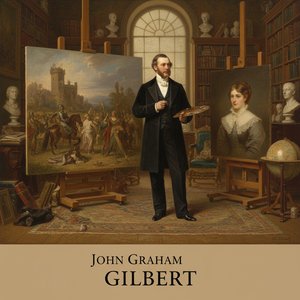
John Graham Gilbert: Rediscovering a Victorian Master of Narrative & Portraiture
Discover the captivating world of John Graham Gilbert, a Victorian master! Explore his portraits, genre scenes & illustrations. Learn about his influences, legacy & find high-quality reproductions at OriginalUniqueArt.

دراما الباروك: إحياء الفخامة والعاطفة في الدواخل المعاصرة
اكتشف سحر الباروك! دليل شامل حول الحركة الفنية، عناصرها الجمالية، وكيفية دمج فخامتها وعاطفتها في الدواخل المعاصرة. نصائح من خبراء OriginalUniqueArt لإضفاء لمسة باروكية على منزلك.


