

 معاينة الحجم الحقيقي
 مشاركة
 مشاركة
 التفاصيل

 تحميل الملف
 قطع مشابهة
 الأشعة السينية
 عرض شرائح
Study of a Lioness


 عرض المزيد
نسخة زيتية مصنوعة يدوياً
لوحة زيتية مرسومة يدوياً على الكانفاس بالمقاس والإطار الذي تفضله، تُنفذ حسب الطلب على أيدي فنانينا. ( اشترِ نسخة مطبوعة اشترِ الصورة)




P118B $10

P118H $10

P118W $10

P438Z $10

P508JH $12

P508YH $12

P805H $10

P805Z $10

P919BZ $10

P919G $10

P919XJ $10

P959ZH $10

P968JZ $12

W106C $8

W218G $10

W218JH $8

W218Y $10

W307PJ $10

W316G $10

W316PJ $8

W316Y $10

W398PJ $8

W4111J $10

W500HY $15

W500JH $15

W692G $12

W849H $8

W940BG $15

W953PJ $8




اختر من بين أحجامنا المُعدّة مسبقًا والتي تتطابق مع النسب الأصلية للعمل الفني.

يمكنك إدخال أبعادك الخاصة لتناسب إطارًا معينًا أو مساحة محددة. وإذا لم يتطابق الحجم الذي اخترته مع نسب الصورة الأصلية، فسنقوم إما بقص العمل الفني أو توسيع اللوحة بإضافة عناصر مرسومة يدويًا. سيتم إرسال نموذج رقمي إليك للموافقة عليه قبل بدء الإنتاج.
يرجى ملاحظة أن المعاينة على الشاشة لا تعكس عملية القص أو التوسيع الفعلية؛ حيث إن النموذج الرقمي وحده هو الذي سيوضح التكوين النهائي بدقة.
وعلى الرغم من توفر أحجام مخصصة، إلا أننا نوصي باختيار أبعاد من القائمة المحددة مسبقًا للحفاظ على النسب الأصلية للعمل الفني.
بعد إتمام الطلب، سيرسل فريق OriginalUniqueArt.com بريداً إلكترونياً للعميل لطلب التعليمات وتزويده بمعاينة تجريبية (mockup).
توصيل عالمي إلى خلال 3 إلى 4 أسابيع بدلاً من المدة المعتادة البالغة 5 أسابيع. (21 أغسطس). جودة لا تهاون فيها.

شحن سريع ومجاني لجميع أنحاء العالم

قماش كتان عالي الجودة

تأمين شحن شامل

ضمان استرداد الرسوم الجمركية

ضمان مطابقة الألوان الحقيقية

سياسة الإرجاع خلال 60 يومًا (في حالات العيوب فقط)

ضمان استرداد نقدي بنسبة 100%

خصم عند طلب عدة قطع
 خيار الزجاج متاح فقط للمقاسات التي تقل عن 110 سم

Study of a Lioness
خامة إعادة الإنتاج
مقاس النسخة المطبوعة
-


السعر الإجمالي النهائي
$ 300
وصف العمل الفني
A Study in Serenity: John Frederick Lewis’s Lioness
John Frederick Lewis's "Study of a Lioness," painted circa 1824-1827, is more than just a depiction of a majestic animal; it’s a carefully constructed tableau of quiet contemplation and subtle observation. This watercolor masterpiece, now housed within the Yale Center for British Art, offers a rare glimpse into the artist's meticulous approach to capturing both the physical form and the psychological state of his subjects – a hallmark of the Orientalist movement he so powerfully championed. The painting immediately draws the eye with its earthy palette: ochres, browns, and sandy yellows dominate, creating an atmosphere of sun-drenched stillness that contrasts sharply with the inherent power of the lioness herself.
Lewis’s technique is remarkably detailed for a watercolor, showcasing his mastery of layering and glazing. He doesn't simply render the animal; he builds up textures – the coarse fur, the damp earth beneath her paws, the subtle shadows that define her musculature. The loose brushstrokes in the background sky, punctuated by wisps of cloud, provide a sense of depth and distance, while the precise rendering of the lioness’s features—her open mouth, slightly parted as if in a gentle yawn or perhaps a moment of repose – invites us to interpret her state of mind. The graphite underdrawing, barely visible beneath the watercolor washes, adds an additional layer of control and precision to the composition.
Origins in Orientalism and the Exotic
Lewis’s work firmly places him within the burgeoning field of Orientalist painting, a genre that flourished during the 19th century. This movement wasn't simply about depicting the East; it was an attempt to understand and represent cultures vastly different from Western European norms. Lewis, having spent considerable time in Egypt and later traveling through Spain and Morocco, developed a deep appreciation for Islamic art and architecture, which profoundly influenced his style. The lioness itself, a symbol of strength and royalty across many cultures, becomes imbued with a particular resonance within this context – representing both the raw power of nature and the refined beauty of the East.
The painting’s creation coincided with a period of intense European fascination with the Middle East, fueled by exploration, trade, and political intrigue. Lewis's meticulous attention to detail reflects this broader cultural trend, aiming to capture not just the appearance of the subject but also the atmosphere and spirit of its environment. The inclusion of two figures in the background – their identities deliberately ambiguous – adds a layer of narrative complexity, suggesting a scene of human interaction within the larger landscape.
Symbolism and Emotional Resonance
Beyond its technical brilliance, “Study of a Lioness” resonates with profound emotional depth. The lioness’s posture—relaxed yet alert—evokes a sense of quiet dignity and self-assuredness. She is not depicted as a predator actively hunting; instead, she appears to be enjoying a moment of respite, embodying a connection to the natural world. The sandy ground beneath her paws grounds the image in the earth, while the sky above offers a sense of limitless space.
The painting’s overall effect is one of serene contemplation—a reminder that even within the most powerful creatures, there exists a capacity for stillness and grace. It's a testament to Lewis’s ability to capture not just the outward appearance of his subjects but also their inner essence, inviting viewers to contemplate the beauty and complexity of both the natural world and the human experience.
A Legacy in Reproduction
Reproductions of “Study of a Lioness” offer an accessible way to appreciate Lewis’s artistry and the rich cultural context of his work. Whether displayed as a statement piece in a contemporary interior or studied closely for its technical details, this painting continues to captivate audiences with its timeless beauty and profound emotional resonance. The meticulous detail and evocative atmosphere make it a perfect addition to any collection, offering a window into the world of Orientalist art and the artistic vision of John Frederick Lewis.
السيرة الذاتية للفنان
الحياة المبكرة والتدريب
جون فريدريك لويس، رسام أورينتالي إنجليزي بارز، ولد في 14 يوليو 1804 بلندن. كان ابن فريدريك كريستيان لويس، وهو نقاش ورسام مناظر طبيعية. لا شك أن هذا الخلفية الفنية العائلية أثرت على تطوره المبكر. بدأ تدريبه الرسمي تحت إشراف السير توماس لورانس، حيث صقل مهاراته جنبًا إلى جنب مع فنانين زملاء مثل إدوين لاندسير. غرسته هذه الفترة التأسيسية بفهم قوي للتقنية والتكوين.
المسيرة الفنية وتطورها
تطورت المسيرة الفنية للويس من خلال عدة مراحل متميزة، تميز كل منها بأساليب ومواضيع متغيرة:
- الفترة الشرقية: انطلق لويس في رحلات واسعة النطاق عبر منطقة البحر الأبيض المتوسط، والتقط جوهرها بدقة في رسومات مائية وزيتية مفصلة. غالبًا ما كان يعود إلى التكوينات، ويقدمها بوسائل مختلفة.
- تأثيرات إسبانيا والمغرب (1832-1834): أثبتت جولة في إسبانيا والمغرب أنها محورية. أنتج العديد من الرسومات الحجرية التي نُشرت لاحقًا على أنها “رسومات ومخططات Alhambra” (1835) و“رسومات لويس لإسبانيا والشخصية الإسبانية” (1836).
- الفترة المصرية (1841-1851): كانت إقامته في القاهرة هي الأكثر إنتاجًا على الأرجح. هنا، أتقن أسلوبه الشرقي، وخلق أعمالًا مفصلة للغاية تعرض مشاهد واقعية من الحياة اليومية وتصويرات مثالية للداخلية المصرية الراقية.
أعمال بارزة
أنشأ لويس مجموعة كبيرة من الأعمال المشهورة بتفاصيلها الدقيقة وأجوائها الجذابة. تشمل بعض أعماله الأكثر شهرة:
- بدوي (مركز ييل للفنون البريطانية، نيو هافن) – رسم مائي يجسد أسلوبه الشرقي.
- الرمسيوم في طيبة (مركز ييل للفنون البريطانية، نيو هافن) – يعرض اهتمامه الرائع بالتفاصيل المعمارية.
- امرأة تركية شابة (مركز ييل للفنون البريطانية، نيو هافن) – مثال آخر لعمله الشرقي المذهل.
- حياة الحريم في القسطنطينية - لوحة زيتية مفصلة تصور الحياة المحلية العثمانية.
التأثيرات والأسلوب الفني
تشكل أسلوب لويس من خلال عدة تأثيرات، وأبرزها السير توماس لورانس وتأكيده على البورتريه والتكوين. ومع ذلك، سمحت له ملاحظته المباشرة للثقافات في الشرق الأوسط بتطوير جمالية فريدة تتميز بما يلي:
- تفاصيل دقيقة: التزام بتمثيل القوام والأنماط والعناصر المعمارية بدقة.
- لوحة ألوان غنية: استخدام درجات لون نابضة بالحياة مستوحاة من المناظر الطبيعية والأزياء التي واجهها.
- مشاهد الحياة اليومية والمناظر الداخلية: التركيز على الحياة اليومية والبيئات المحلية الحميمة.
الإرث والأهمية التاريخية
يكمن مساهمة لويس في عالم الفن في دوره الهام في تطوير الرسم الشرقي. ساعدت تمثيلاته الدقيقة للعمارة الإسلامية والأثاث والأزياء على وضع معايير جديدة للواقعية داخل هذا النوع. لقد ساعد في شعبية رؤية رومانسية ولكن مفصلة للشرق بين الجمهور الغربي. بعد عودته إلى إنجلترا عام 1851، استمر في الرسم حتى وفاته في 15 أغسطس 1876 في والتون أون ثامز.
لا يزال عمله قيد الدراسة والتقدير لجاذبيته الفنية ورؤيته التاريخية لإدراك القرن التاسع عشر للشرق.

جون فريدريك لويس
1804 - 1876 , المملكة المتحدة
حقائق سريعة
- أعمال بارزة:
- بدوي
- معبد الرامسيوم
- امرأة تركية شابة
- الاسم الكامل: جون فريدريك لويس
- الجنسية: بريطاني
- الحركة الفنية: الشرقية
- الفنانون المؤثرون: ['السير توماس لورانس']
- تاريخ الميلاد: 14 يوليو 1804
- تاريخ الوفاة: 15 أغسطس 1876
- مكان الميلاد: لندن، المملكة المتحدة
مقالات ذات صلة

John Frederick Lewis: Orientalism, Detail & Genre Painting in 19th-Century British Art
Explore the captivating Orientalist paintings of John Frederick Lewis! Discover his mastery of detail, genre scenes & influence on 19th-century British art. Learn about his life, techniques & legacy at OriginalUniqueArt.

Watercolor Wonders: 10 Masterpieces That Redefined Art History | OriginalUniqueArt
Journey through 10 legendary watercolor masterpieces by Sargent, Turner & Homer! Explore iconic landscapes, portraits & floral art that redefined history. Find museum-quality reproductions and curated decor ideas at OriginalUniqueArt.com.

Ephemeral Visions: Exploring the Artistic Legacy & Contemporary Practice of Watercolor Painting
Explore the captivating world of watercolor painting! Discover its rich history, essential techniques, influential artists & collecting tips. A comprehensive guide for art enthusiasts from OriginalUniqueArt.

أفضل 25 لوحة لجون سينجر سارجنت: تحف فنية لتزيين منزلك بأسلوب راقي
اكتشف أروع 25 لوحة لجون سينجر سارجنت، فنان البورتريه الأمريكي الأسطوري. انغمس في عالم الانطباعية والواقعية، واستلهم لديكور منزلك بألوان كلاسيكية و تحف فنية راقية. تسوق الآن على OriginalUniqueArt.com!
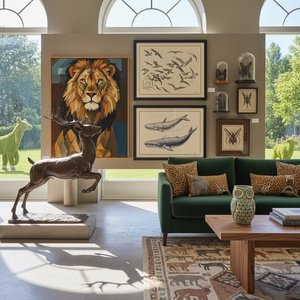
الحيوانات في الفن والتصميم الداخلي: رموز خالدة ومعانٍ عميقة في مساحاتنا
استكشف الوجود الدائم للحيوانات في الفن والتصميم الداخلي. اكتشف رموزها الثقافية العميقة ومعانيها الخفية، ونصائح لاختيار الأعمال الفنية المثالية لمنزلك مع OriginalUniqueArt.

