
 معاينة الحجم الحقيقي
 مشاركة
 مشاركة
 التفاصيل

 تحميل الملف
 قطع مشابهة
 الأشعة السينية
 عرض شرائح
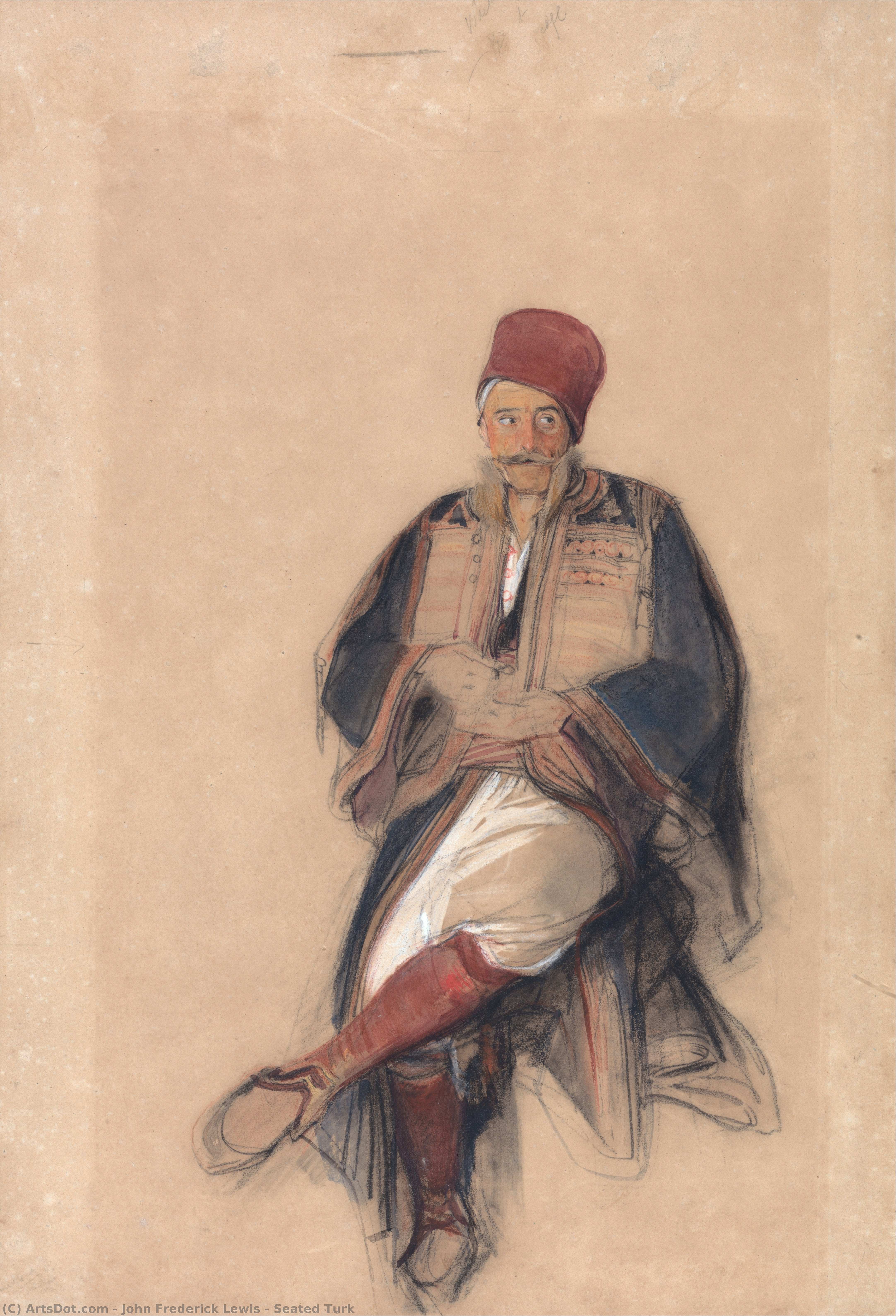
Seated Turk


 عرض المزيد
طباعة جيلي / مطبوعات فنية
طباعة جيكلي أو كانفاس بجودة المتاحف، مع سرعة في التنفيذ وخيارات متنوعة للتشطيب. ( التحويل إلى لوحة مرسومة يدوياً التبديل إلى الصورة)




P118B $10

P118H $10

P118W $10

P438Z $10

P508JH $12

P508YH $12

P805H $10

P805Z $10

P919BZ $10

P919G $10

P919XJ $10

P959ZH $10

P968JZ $12

W106C $8

W218G $10

W218JH $8

W218Y $10

W307PJ $10

W316G $10

W316PJ $8

W316Y $10

W398PJ $8

W4111J $10

W500HY $15

W500JH $15

W692G $12

W849H $8

W940BG $15

W953PJ $8




اختر من بين أحجامنا المُعدّة مسبقًا والتي تتطابق مع النسب الأصلية للعمل الفني.

يمكنك إدخال أبعادك الخاصة لتناسب إطاراً أو مساحة معينة. وإذا لم يتطابق الحجم الذي اخترته مع نسب الصورة الأصلية، فسنقوم إما بقص العمل الفني أو تمديد الصورة باستخدام حافة معكوسة أو بلون مصمت. سيتم إرسال نموذج تجريبي رقمي لاعتمادك قبل بدء الإنتاج.
يرجى ملاحظة أن المعاينة على الشاشة لا تعكس عملية القص أو التمديد الفعلية؛ حيث سيوضح النموذج التجريبي فقط التكوين النهائي بدقة.
وعلى الرغم من توفر أحجام مخصصة، إلا أننا نوصي باختيار أبعاد من القائمة المحددة مسبقاً للحفاظ على النسب الأصلية.
توصيل عالمي إلى خلال أسبوعين بدلاً من المدة القياسية البالغة 4/5 أسابيع. 11 أغسطس

شحن سريع ومجاني لجميع أنحاء العالم

قماش كتان عالي الجودة

تأمين شحن شامل

ضمان استرداد الرسوم الجمركية

ضمان مطابقة الألوان الحقيقية

سياسة الإرجاع خلال 60 يومًا (في حالات العيوب فقط)

ضمان استرداد نقدي بنسبة 100%

خصم عند طلب عدة قطع
 خيار الزجاج متاح فقط للمقاسات التي تقل عن 110 سم

Seated Turk
طباعة جيلي / مطبوعات فنية
مقاس النسخة المطبوعة
-


السعر الإجمالي النهائي
$ 80
وصف القطعة الفنية
A Portrait of Dignified Mystery: John Frederick Lewis’s “Seated Turk”
John Frederick Lewis's "Seated Turk," painted in 1841, is more than just a portrait; it’s a meticulously crafted tableau vivant—a frozen moment imbued with an air of quiet dignity and subtle melancholy. This watercolor study, now housed at the Yale Center for British Art, offers a captivating glimpse into the burgeoning field of Orientalism within 19th-century European art, revealing both the artist's technical mastery and his engagement with exotic cultures.
The subject himself is an enigmatic figure, a man seated in what appears to be a richly appointed interior. His attire—a vibrant red headpiece, a flowing robe adorned with intricate patterns, and a delicately embroidered vest—immediately transports the viewer to the world of the Ottoman Empire. However, Lewis doesn’t simply depict a literal representation; instead, he captures an essence, a character. The man's gaze is direct yet contemplative, hinting at a life lived beyond the confines of the canvas. The composition itself is carefully balanced, with the figure occupying a significant portion of the frame while leaving ample space around him—a deliberate choice that emphasizes his importance and isolates him within a world of quiet contemplation.
Technique and Style: A Romantic Orientalist Vision
Lewis’s technique is characterized by a remarkable blend of observation and artistic license. He was famously stationed in Cairo for several years, immersing himself in the sights and sounds of Egyptian life. This firsthand experience informed his meticulous attention to detail—the textures of fabrics, the patterns on carpets, the play of light and shadow within the room. Yet, he wasn’t simply aiming for photographic realism; rather, he employed a distinctly Romantic style, prioritizing emotional impact over strict accuracy.
The watercolor medium itself is crucial to the painting's effect. Lewis masterfully utilizes layering washes—thin, translucent applications of pigment that build up gradually to create depth and luminosity. Dry brush techniques are then applied to define form and add textural interest, particularly in the folds of the clothing and the man’s hair. The muted color palette—dominated by earthy tones and rich reds—contributes to the painting's overall atmosphere of quiet contemplation. The flattened perspective, a common feature of Orientalist paintings at the time, further enhances this sense of timelessness and distance, suggesting that the scene exists outside of conventional Western notions of space and reality.
Historical Context: The Rise of Orientalism
“Seated Turk” is a product of its time—a period marked by increasing European interest in the Ottoman Empire and the broader Middle East. The 1830s and 40s witnessed a surge in travel to these regions, fueled by scientific expeditions, diplomatic missions, and, increasingly, artistic exploration. This “Orientalist” movement sought to depict the cultures of the East with a mixture of fascination and exoticism, often romanticizing them while simultaneously perpetuating stereotypes.
Lewis’s work reflects this complex dynamic. While he undoubtedly admired the beauty and sophistication of Ottoman culture, his painting also reveals a certain degree of detachment—a sense that he is observing from a position of privileged distance. Notably, Lewis deliberately avoided depicting overtly sensual or provocative scenes, choosing instead to focus on portraying dignified figures engaged in everyday activities. This approach distinguished him from some of his contemporaries who were more interested in exploiting the perceived exoticism and sensuality associated with Eastern cultures.
Symbolism and Emotional Resonance
Beyond its technical merits, “Seated Turk” possesses a subtle but powerful emotional resonance. The man’s expression—a mixture of serenity and perhaps a hint of melancholy—suggests a life lived in contemplation, far removed from the bustle of Western society. The painting invites us to consider themes of identity, cultural difference, and the complexities of human experience.
The inclusion of details such as the long pipe—a symbol of leisure and philosophical reflection—further reinforces this sense of quiet introspection. “Seated Turk” is not merely a portrait; it’s an invitation to pause, reflect, and contemplate the mysteries of another culture and the enduring questions of human existence. It remains a testament to John Frederick Lewis's skill as an artist and his profound engagement with the world beyond Europe.
السيرة الذاتية للفنان
الحياة المبكرة والتدريب
جون فريدريك لويس، رسام أورينتالي إنجليزي بارز، ولد في 14 يوليو 1804 بلندن. كان ابن فريدريك كريستيان لويس، وهو نقاش ورسام مناظر طبيعية. لا شك أن هذا الخلفية الفنية العائلية أثرت على تطوره المبكر. بدأ تدريبه الرسمي تحت إشراف السير توماس لورانس، حيث صقل مهاراته جنبًا إلى جنب مع فنانين زملاء مثل إدوين لاندسير. غرسته هذه الفترة التأسيسية بفهم قوي للتقنية والتكوين.
المسيرة الفنية وتطورها
تطورت المسيرة الفنية للويس من خلال عدة مراحل متميزة، تميز كل منها بأساليب ومواضيع متغيرة:
- الفترة الشرقية: انطلق لويس في رحلات واسعة النطاق عبر منطقة البحر الأبيض المتوسط، والتقط جوهرها بدقة في رسومات مائية وزيتية مفصلة. غالبًا ما كان يعود إلى التكوينات، ويقدمها بوسائل مختلفة.
- تأثيرات إسبانيا والمغرب (1832-1834): أثبتت جولة في إسبانيا والمغرب أنها محورية. أنتج العديد من الرسومات الحجرية التي نُشرت لاحقًا على أنها “رسومات ومخططات Alhambra” (1835) و“رسومات لويس لإسبانيا والشخصية الإسبانية” (1836).
- الفترة المصرية (1841-1851): كانت إقامته في القاهرة هي الأكثر إنتاجًا على الأرجح. هنا، أتقن أسلوبه الشرقي، وخلق أعمالًا مفصلة للغاية تعرض مشاهد واقعية من الحياة اليومية وتصويرات مثالية للداخلية المصرية الراقية.
أعمال بارزة
أنشأ لويس مجموعة كبيرة من الأعمال المشهورة بتفاصيلها الدقيقة وأجوائها الجذابة. تشمل بعض أعماله الأكثر شهرة:
- بدوي (مركز ييل للفنون البريطانية، نيو هافن) – رسم مائي يجسد أسلوبه الشرقي.
- الرمسيوم في طيبة (مركز ييل للفنون البريطانية، نيو هافن) – يعرض اهتمامه الرائع بالتفاصيل المعمارية.
- امرأة تركية شابة (مركز ييل للفنون البريطانية، نيو هافن) – مثال آخر لعمله الشرقي المذهل.
- حياة الحريم في القسطنطينية - لوحة زيتية مفصلة تصور الحياة المحلية العثمانية.
التأثيرات والأسلوب الفني
تشكل أسلوب لويس من خلال عدة تأثيرات، وأبرزها السير توماس لورانس وتأكيده على البورتريه والتكوين. ومع ذلك، سمحت له ملاحظته المباشرة للثقافات في الشرق الأوسط بتطوير جمالية فريدة تتميز بما يلي:
- تفاصيل دقيقة: التزام بتمثيل القوام والأنماط والعناصر المعمارية بدقة.
- لوحة ألوان غنية: استخدام درجات لون نابضة بالحياة مستوحاة من المناظر الطبيعية والأزياء التي واجهها.
- مشاهد الحياة اليومية والمناظر الداخلية: التركيز على الحياة اليومية والبيئات المحلية الحميمة.
الإرث والأهمية التاريخية
يكمن مساهمة لويس في عالم الفن في دوره الهام في تطوير الرسم الشرقي. ساعدت تمثيلاته الدقيقة للعمارة الإسلامية والأثاث والأزياء على وضع معايير جديدة للواقعية داخل هذا النوع. لقد ساعد في شعبية رؤية رومانسية ولكن مفصلة للشرق بين الجمهور الغربي. بعد عودته إلى إنجلترا عام 1851، استمر في الرسم حتى وفاته في 15 أغسطس 1876 في والتون أون ثامز.
لا يزال عمله قيد الدراسة والتقدير لجاذبيته الفنية ورؤيته التاريخية لإدراك القرن التاسع عشر للشرق.

جون فريدريك لويس
1804 - 1876 , المملكة المتحدة
حقائق سريعة
- أعمال بارزة:
- بدوي
- معبد الرامسيوم
- امرأة تركية شابة
- الاسم الكامل: جون فريدريك لويس
- الجنسية: بريطاني
- الحركة الفنية: الشرقية
- الفنانون المؤثرون: ['السير توماس لورانس']
- تاريخ الميلاد: 14 يوليو 1804
- تاريخ الوفاة: 15 أغسطس 1876
- مكان الميلاد: لندن، المملكة المتحدة
مقالات ذات صلة
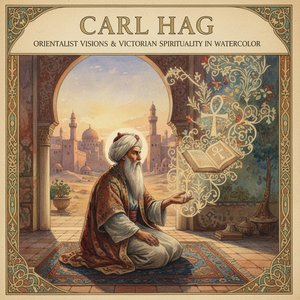
Carl Haag: Orientalist Visions & Victorian Spirituality in Watercolor
Explore the captivating Orientalist paintings of Carl Haag (1820-1915). Discover his detailed watercolors, Victorian landscapes & spiritual themes. Expert insights for collectors and art enthusiasts at OriginalUniqueArt.
The Allure of Detail: Precision & Narrative Resonance in Art History
Explore the captivating history of detail in art – from Renaissance masterpieces to modern movements like Precisionism. Discover how specificity shapes narrative, value & collector appeal. Expert insights at OriginalUniqueArt.

تحويل الذكريات الشخصية إلى هدوء أبدي: فن الألوان المائية بتقنية الذكاء الاصطناعي لمنزلك
حوّل ذكرياتك إلى لوحات مائية فريدة بتقنية الذكاء الاصطناعي مع OriginalUniqueArt! جودة فنية عالية، تصميم شخصي، وإرث عائلي يدوم. ابدأ الآن!

Evolving Portraits: Personalized Art as a Chronicle of Family Life Across Generations
Create a timeless family legacy with custom portraits! OriginalUniqueArt connects you with skilled artists for heirloom-quality paintings & prints. Explore styles, commission your unique artwork today.

Watercolor Wonders: 10 Masterpieces That Redefined Art History | OriginalUniqueArt
Journey through 10 legendary watercolor masterpieces by Sargent, Turner & Homer! Explore iconic landscapes, portraits & floral art that redefined history. Find museum-quality reproductions and curated decor ideas at OriginalUniqueArt.com.

