
 معاينة الحجم الحقيقي
 مشاركة
 مشاركة
 التفاصيل

 تحميل الملف
 قطع مشابهة
 الأشعة السينية
 عرض شرائح
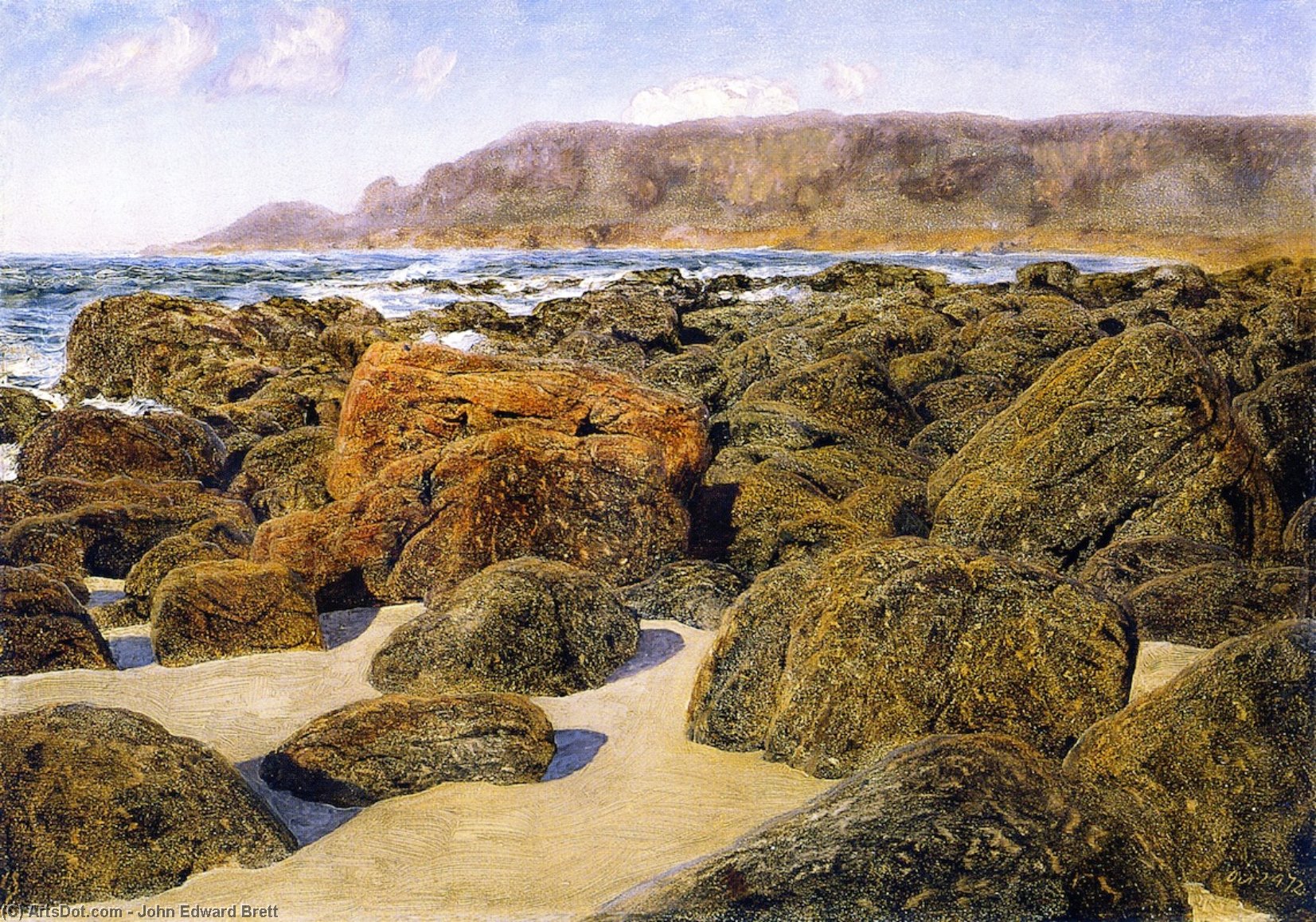
Cape Cornwall from Whitesand Bay
 1872
1872 25.0 x 36.0 cm
 عرض المزيد
نسخة زيتية مصنوعة يدوياً
لوحة زيتية مرسومة يدوياً على الكانفاس بالمقاس والإطار الذي تفضله، تُنفذ حسب الطلب على أيدي فنانينا. ( اشترِ نسخة مطبوعة اشترِ الصورة)




































اختر من بين أحجامنا المُعدّة مسبقًا والتي تتطابق مع النسب الأصلية للعمل الفني.

يمكنك إدخال أبعادك الخاصة لتناسب إطارًا معينًا أو مساحة محددة. وإذا لم يتطابق الحجم الذي اخترته مع نسب الصورة الأصلية، فسنقوم إما بقص العمل الفني أو توسيع اللوحة بإضافة عناصر مرسومة يدويًا. سيتم إرسال نموذج رقمي إليك للموافقة عليه قبل بدء الإنتاج.
يرجى ملاحظة أن المعاينة على الشاشة لا تعكس عملية القص أو التوسيع الفعلية؛ حيث إن النموذج الرقمي وحده هو الذي سيوضح التكوين النهائي بدقة.
وعلى الرغم من توفر أحجام مخصصة، إلا أننا نوصي باختيار أبعاد من القائمة المحددة مسبقًا للحفاظ على النسب الأصلية للعمل الفني.
بعد إتمام الطلب، سيرسل فريق OriginalUniqueArt.com بريداً إلكترونياً للعميل لطلب التعليمات وتزويده بمعاينة تجريبية (mockup).
توصيل عالمي إلى خلال 3 إلى 4 أسابيع بدلاً من المدة المعتادة البالغة 5 أسابيع. (19 أغسطس). جودة لا تهاون فيها.

شحن سريع ومجاني لجميع أنحاء العالم

قماش كتان عالي الجودة

تأمين شحن شامل

ضمان استرداد الرسوم الجمركية

ضمان مطابقة الألوان الحقيقية

سياسة الإرجاع خلال 60 يومًا (في حالات العيوب فقط)

ضمان استرداد نقدي بنسبة 100%

خصم عند طلب عدة قطع
 خيار الزجاج متاح فقط للمقاسات التي تقل عن 110 سم

Cape Cornwall from Whitesand Bay
خامة إعادة الإنتاج
مقاس النسخة المطبوعة
-


السعر الإجمالي النهائي
$ 300
وصف العمل الفني
Composition and Style
The painting features a rocky shoreline with large boulders scattered throughout the area, creating an interesting contrast between the land and water. The sandy beach extends from the shore towards the ocean, appearing calm and serene. A few people can be seen in the distance, likely enjoying the view or engaging in recreational activities. John Edward Brett's use of color and light adds depth and dimension to the piece, drawing the viewer's eye to the horizon.Artist and Influences
John Edward Brett was a British artist known for his landscapes and seascapes. His work was influenced by the Romanticism movement, which emphasized the beauty and power of nature. Other notable artists of this period include Dante Gabriel Rossetti, whose painting The Bower Meadow can be found on OriginalUniqueArt.com.- View more of John Edward Brett's work, including Landscape, on OriginalUniqueArt.com
- Discover the Musée Des Beaux-Arts Tourcoing, France and its impressive collection of artworks on OriginalUniqueArt.com
- Learn more about the Fitzwilliam Museum and its notable collections on Wikipedia
The painting Cape Cornwall from Whitesand Bay by John Edward Brett is a testament to the artist's skill and attention to detail, capturing the essence of the coastal landscape in a serene and captivating manner.
السيرة الذاتية للفنان
John Edward Brett: A Pioneer of Scientific Landscape Painting
John Edward Brett (1830-1902) stands as a pivotal figure in British Pre-Raphaelite art, distinguished by his unwavering dedication to meticulous observation and artistic representation of the natural world. Born in Lincolnshire, England, Brett’s formative years instilled within him a profound fascination for geology and botany – passions that would irrevocably shape his artistic vision and propel him to become one of the foremost landscape painters of his era. Unlike many of his contemporaries who prioritized idealized beauty, Brett approached nature with a scientist's rigor, meticulously documenting geological formations and plant species with unparalleled accuracy. This commitment to scientific detail wasn’t merely an intellectual pursuit; it served as the bedrock for his artistic endeavors, informing his compositions and imbuing them with palpable realism.- Early Life & Education: Brett's upbringing fostered a love of science alongside artistic inclination. He studied at Lincoln Art School and later honed his skills at the Royal Academy in London, absorbing influences from artists like Turner and Ruskin – figures who championed the revival of medieval art and advocated for a return to naturalistic representation.
- The Cornish Influence: Brett’s artistic breakthrough occurred during his expeditions to Cornwall, where he embarked on extensive geological surveys alongside fellow Pre-Raphaelites. The rugged coastline, dramatic granite tors, and vibrant flora captivated him, inspiring a prolific output of paintings depicting these landscapes with breathtaking detail.
- Technique & Style: Brett’s distinctive style is characterized by thick impasto brushstrokes—a technique deliberately chosen to convey the texture and physicality of stone and vegetation. He employed glazing methods to achieve luminous color palettes that captured the subtleties of light and atmosphere, mirroring Ruskin's belief in the importance of capturing “the spirit of place.”
Notable Works & Artistic Achievements
Brett’s oeuvre encompasses a remarkable range of subjects, reflecting his multifaceted interests. Among his most celebrated paintings are "Cape Cornwall from Whitesand Bay," "Head of a Young Boy," and "The Glacier of Rosenlaui"—each demonstrating his mastery of landscape painting and his ability to convey profound emotional resonance. “Cape Cornwall” exemplifies his meticulous geological rendering, capturing the grandeur of Cornwall’s coastline with astonishing precision. Similarly, “Head of a Young Boy,” showcases Brett's skill in portraiture alongside his commitment to realism. However, it was "The Glacier of Rosenlaui" that cemented his reputation as a visionary artist—a monumental canvas depicting the sublime beauty of Switzerland’s glacial landscape and embodying Ruskin’s aesthetic ideals.- “Cape Cornwall from Whitesand Bay” – Demonstrates Brett's geological accuracy and masterful use of impasto technique.
- “Head of a Young Boy” – Exemplifies Brett’s ability to blend realism with psychological insight.
- “The Glacier of Rosenlaui” – Considered a cornerstone of Pre-Raphaelite landscape painting, reflecting Ruskin's influence and capturing the majesty of Alpine scenery.
Legacy & Historical Significance
John Edward Brett’s contribution to British art extends far beyond his individual paintings. He championed Ruskin’s aesthetic philosophy—a belief that art should serve as a conduit for moral instruction and inspire contemplation of the natural world—establishing himself as one of the foremost voices advocating for scientific observation within artistic practice. His meticulous depictions of landscapes resonated deeply with Victorian audiences, fostering an appreciation for geological science and bolstering the Pre-Raphaelite movement’s commitment to portraying nature truthfully. Today, Brett's artworks continue to inspire admiration for their technical brilliance and emotional depth—testaments to his enduring legacy as a pioneer of scientific landscape painting and a champion of Ruskinian ideals.
John Edward Brett
1830 - 1902 , United Kingdom
حقائق سريعة
- Artistic Movement Or Style: Pre-Raphaelite art
- Artists Who Influenced This Artist:
- William Holman Hunt
- John Ruskin
- Date Of Birth: 1830
- Full Name: John Edward Brett
- Nationality: British
- Notable Artworks:
- Cape Cornwall from Whitesand Bay
- Head of a Young Boy
- The Glacier of Rosenlaui
- Place Of Birth: United Kingdom

