Romantic Landscape Painting · 1816
wivenhoe park (جون كونستابل, 1816)
أبدع جون كونستابل (1776–1837) في wivenhoe park. يعود تاريخها إلى 1816. تنتمي إلى حركة Romantic Landscape Painting. صُنعت من Oil On Canvas.
- 1816
- Oil On Canvas

 معاينة الحجم الواقعي

 لوحة زيتية مرسومة يدوياً
 مشاركة
 مشاركة
 ورقة الحقائق


 تحميل الملف
 قطع مشابهة
 الأشعة السينية
 عرض شرائح
 الأسئلة والأجوبة

 الإحصائيات
wivenhoe park باختصار
- العنوان
- wivenhoe park
- الفنان
- جون كونستابل (1776–1837)
- تاريخ ميلاد الفنان
- إيست بيرغهولت, المملكة المتحدة
- التاريخ
- 1816
- الوسيط الفني
- Oil On Canvas
- الحقبة
- 19th Century
- الموضوع
- landscape painting, rural england, cow herd, light & shadow, pastoral scene, british art
ماذا يصور wivenhoe park؟
A Symphony of Light and Pastoral Serenity
In the annals of English Romanticism, few works capture the ephemeral magic of the countryside as profoundly as John Constable’s Wivenhoe Park. Completed in 1816, this masterpiece serves as much more than a mere topographical record of an Essex estate; it is a poetic meditation on the harmony between humanity and the natural world. As the eye wanders across the canvas, one is immediately struck by the palpable sense of peace that pervades the scene. The lush, verdant meadows, dotted with grazing cows and spirited horses, evoke a pastoral ideal where time seems to slow, inviting the viewer into a realm of eternal tranquility. For the discerning collector or interior designer, this painting offers an unparalleled sense of calm, making it a foundational piece for any space intended to inspire reflection and grace.
Constable’s technical mastery is most evident in his revolutionary approach to light and atmosphere. Eschewing the rigid, static compositions of his predecessors, he employed a loose, expressive brushwork that allows the sunlight to appear as if it is actively dancing across the landscape. Through the delicate use of atmospheric perspective, Constable creates a breathtaking sense of depth, where distant trees dissolve into soft, hazy blues and greens, suggesting the moisture-laden air characteristic of the English climate. This interplay of brilliant sunshine and cool, dappified shade creates a dynamic tension that breathes life into the canvas, ensuring that the painting feels less like a frozen moment and more like a living, breathing ecosystem.
Historical Resonance and Symbolic Depth
Beyond its aesthetic splendor, Wivenhoe Park carries significant historical weight. Commissioned by Major General Francis Slater Rebow, the painting stands as a testament to the patronage system that allowed the Romantic movement to flourish in Britain. The subject matter—the Rebow family's estate—was not merely a display of landed wealth but a celebration of fertility and abundance. The presence of livestock and the subtle inclusion of figures tending to the land symbolize a symbiotic relationship between man and nature, a theme that resonated deeply during an era when the Industrial Revolution was beginning to irrevocably alter the British landscape. By focusing on this idyllic, untouched version of the countryside, Constable provides a nostalgic window into a vanishing way of life.
For those seeking to integrate fine art into a modern interior, a high-quality reproduction of this work offers more than just decoration; it brings a narrative of endurance and beauty. The painting’s ability to anchor a room with its soft palette and rhythmic composition makes it an ideal choice for creating sophisticated, soulful environments. Whether placed in a sunlit study or a grand living area, Wivenhoe Park continues to perform its original function: acting as a window into a world of sublime harmony, reminding us of the enduring power of the natural spirit.
صور عالية الدقة لـ wivenhoe park
جون كونستابل, wivenhoe park (1816). ملك عام
أسئلة وإجابات حول wivenhoe park
في أي عام أُنجز "wivenhoe park"؟
أُبدع العمل الفني "wivenhoe park" للفنان جون كونستابل في عام 1816.
ما هي التقنية المستخدمة في "wivenhoe park" للفنان جون كونستابل؟
استخدم جون كونستابل تقنية Oil On Canvas في عمل "wivenhoe park"، وهي التقنية التي تحدد الطبيعة المادية للعمل الأصلي.
ماذا يصور "wivenhoe park" للفنان جون كونستابل؟
تُصور "wivenhoe park" للفنان جون كونستابل: landscape painting, rural england, cow herd, light & shadow, pastoral scene, british art, romanticism, farm estate.
هل يمكن إعادة إنتاج صورة "wivenhoe park" للفنان جون كونستابل بحرية؟
تندرج لوحة "wivenhoe park" للفنان جون كونستابل ضمن نطاق ملك عام - انتهت مدة حماية حقوق الطبع والنشر الخاصة به، وتحدد هذه الحالة الشروط التي يمكن بموجبها إعادة إنتاج صورة العمل الفني.
من أبدع "wivenhoe park"؟
الفنان الذي أبدع عمل "wivenhoe park" هو جون كونستابل، والعمل مُدرج تحت اسم جون كونستابل.
إلى أي تيار فني تنتمي "wivenhoe park" للفنان جون كونستابل؟
تنتمي لوحة "wivenhoe park" للفنان جون كونستابل إلى حركة Romantic Landscape Painting الفنية، ويضع هذا التصنيف العمل ضمن سياق مجموعة من الفنانين والأعمال الفنية ذات الصلة.
إلى أي مرحلة من مراحل تطور جون كونستابل ينتمي العمل "wivenhoe park"؟
تندرج لوحة "wivenhoe park" ضمن مرحلة Mature Period من مسيرة جون كونستابل المهنية، وهي مرحلة تتيح مقارنة هذا العمل بأعمال الفنان الأخرى.
كم كان عمر جون كونستابل عند إبداع العمل "wivenhoe park"؟
أبدع جون كونستابل لوحة "wivenhoe park" وهو في سن 40. وُلد الفنان في 1776 ويعود تاريخ هذا العمل إلى 1816.
ما هي الأسباب الكامنة وراء الوضع القانوني لحقوق الطبع والنشر لـ "wivenhoe park" للفنان جون كونستابل؟
تُعد لوحة "wivenhoe park" للفنان جون كونستابل من الأعمال التي تندرج ضمن ملك عام - انتهت مدة حماية حقوق الطبع والنشر الخاصة به؛ حيث تُحتسب مدة حقوق الطبع والنشر بدءاً من تاريخ وفاة الفنان، وقد توفي جون كونستابل في عام 1837.
عن الفنان، جون كونستابل
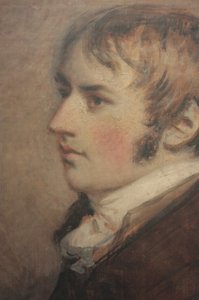
1776–1837, المملكة المتحدة
جون كونستابل
الحياة المبكرة، العائلة والتدريب وُلد جون كونستابل في عام 1776 في قرية إيست بيرغهولت بمقاطعة سوفولك، وكان الابن الثاني لكل من غولدينغ وآنا (واتس) كونستابل. كان والده تاجرًا مزدهرًا في تجارة الذرة والفحم، وكان يمتلك طاحونة فلاتفورد. هذا الارتباط الوثيق بالنهر والتجارة المحلية جعل من إيقاعات المياه وحركة البضائع جزءًا لا يتجزأ من الحياة اليومية داخل منزله. وفي حوالي عام 1792، بدأ العمل في تجارة العائلة، حيث تعلم الجوانب العملية لتجارة الذرة قبل أن يتغير مسار حياته نحو ريشة الرسم ولوحات القماش.
وأيضاً لـ جون كونستابل
 استكشف لوحة "كومة القش" لجون كونستابل، وهي لوحة مناظر طبيعية إنجليزية جوهرية. اكتشف أسلوبه الرومانسي وسياقه التاريخي وجماله الخالد - مثالي لعشاق الفن وجامعي التحف.
كومة القش
artworks_database
/en/art/john-constable-the-hay-wain-7YYNHP-en/
/media/artwo1821
 إطلالة على كاتدرائية سالزبوري من ممتلكات الأسقف1823
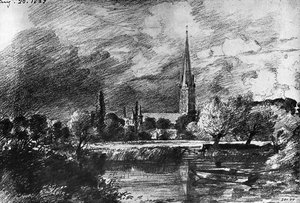 كاتدرائية سالزبوري
 عربة القش (تفصيل)1821
مقالات حول wivenhoe park
 أفضل 25 لوحة لجون كونستابل: روعة الطبيعة الإنجليزية في OriginalUniqueArtاكتشف روعة الطبيعة الإنجليزية مع أفضل 25 لوحة لجون كونستابل. قصص فنية آسرة وتقنيات زيتية فريدة في OriginalUniqueArt.com. اشترِ نسخًا عالية ال…
 25 Must-See Masterpieces at the Yale Center for British ArtExplore 25 iconic works from Turner to Hogarth at Yale Center for British Art. Discover every masterpiece on OriginalUniqueArt.com.
 British artworks of the 1800s19th-century British art featuring the masterpieces of John Constable, William Blake, and Thomas Lawrence. View the full collection at Orig…