Romantic Landscape Painting · 1813
East Bergholt (جون كونستابل, 1813)
أبدع جون كونستابل (1776–1837) في East Bergholt. يعود تاريخها إلى 1813. تنتمي إلى حركة Romantic Landscape Painting. صُنعت من Acrylic On Canvas. تُحفظ في Yale Center for British Art في نيو هيفن, الولايات المتحدة الأمريكية.
- 1813
- Acrylic On Canvas
- Yale Center for British Art, نيو هيفن

 معاينة الحجم الواقعي

 لوحة زيتية مرسومة يدوياً
 مشاركة
 مشاركة
 ورقة الحقائق


 تحميل الملف
 قطع مشابهة
 الأشعة السينية
 عرض شرائح
 الأسئلة والأجوبة

 الإحصائيات
East Bergholt باختصار
- العنوان
- East Bergholt
- الفنان
- جون كونستابل (1776–1837)
- تاريخ ميلاد الفنان
- إيست بيرغهولت, المملكة المتحدة
- التاريخ
- 1813
- الوسيط الفني
- Acrylic On Canvas
- أين يمكن مشاهدتها
- Yale Center for British Art, نيو هيفن, الولايات المتحدة الأمريكية
- الموضوع
- suffolk countryside, rural england, constable, landscape, pastoral, light and shadow
ماذا يصور East Bergholt؟
A Breath of Suffolk: John Constable’s ‘East Bergholt’
John Constable's “East Bergholt,” painted in 1813, isn’t simply a depiction of a rural English landscape; it’s a profound meditation on light, atmosphere, and the very essence of place. Born in East Bergholt itself – a fact that imbued his work with an unparalleled intimacy – Constable captured not just what he saw, but how he *felt* about the world around him. The painting unfolds as a quiet drama, a tableau vivant of everyday life set against the backdrop of Dedham Vale, the valley that would become inextricably linked to his artistic legacy. The muted palette, dominated by shades of grey and green, immediately establishes a mood of contemplative melancholy – a subtle tension between beauty and something almost melancholic. This isn’t a vibrant celebration of pastoral bliss; rather, it's an exploration of the land’s inherent complexity, its capacity for both serenity and shadowed introspection.
The Language of Light: Constable’s Revolutionary Technique
Constable was a revolutionary figure in landscape painting. He rejected the idealized, polished surfaces favored by his predecessors, opting instead for a technique that prioritized direct observation and the fleeting effects of light. “East Bergholt” exemplifies this perfectly. Notice how he employs broken brushstrokes – tiny, almost hesitant marks – to build up layers of color and texture. This method, known as ‘optical mixing,’ allowed him to capture the subtle shifts in illumination across the fields and trees with astonishing accuracy. The sky isn’t a uniform blue; it's a complex interplay of greys, whites, and hints of purple, reflecting the diffused light of an overcast day. He meticulously rendered the way sunlight filters through the branches, creating dappled patterns on the grass – a technique that would later become central to his style. This commitment to capturing the *truth* of natural light was groundbreaking and profoundly influenced generations of artists.
Figures Within the Landscape: Symbolism and Human Connection
The inclusion of figures within the vast landscape is crucial to understanding the painting’s deeper meaning. These aren't merely decorative elements; they are integral to Constable’s exploration of humanity’s relationship with nature. The group gathered in the field, engaged in some unspecified activity – perhaps farming or simply enjoying a moment together – represents a connection to the land and its rhythms. They are small, almost anonymous, yet their presence anchors the scene, reminding us that this is not just an abstract representation of nature but a lived experience. The horse grazing peacefully suggests a harmony between man and beast, further reinforcing the theme of rural life and its inherent beauty. The placement of these figures subtly directs our gaze across the landscape, inviting us to contemplate the relationship between human activity and the natural world.
A Window into a Time: Historical Context and Constable’s Vision
“East Bergholt” was painted during a period of significant social and artistic change in England. The early 19th century witnessed a growing interest in the English countryside, fueled by Romanticism's emphasis on emotion, imagination, and the sublime. Constable’s work aligns perfectly with this movement, capturing not just the physical beauty of the landscape but also its emotional resonance. He was deeply influenced by Claude Lorrain, whose idealized landscapes provided a foundation for his own explorations. However, Constable moved beyond Lorrain's static perfection, imbuing his paintings with a sense of immediacy and psychological depth. “East Bergholt” is more than just a record of a place; it’s a testament to Constable’s unique vision – a vision rooted in the soil of East Bergholt and imbued with a profound understanding of the English landscape.
OriginalUniqueArt offers exquisite, hand-painted reproductions of “East Bergholt,” allowing you to bring this iconic work into your home or office. Each reproduction is created using traditional techniques and archival quality materials, ensuring that it will retain its beauty and vibrancy for generations to come. Explore our collection today and experience the magic of Constable’s Suffolk.
أي متحف يضم East Bergholt؟
Yale Center for British Art
نيو هيفن, الولايات المتحدة الأمريكية
تاريخ Yale Center for British Art تأسس Yale Center for British Art في عام 1966، ليحتل مكانة مرموقة في مدينة نيو هيفن بولاية كونيتيكت في الولايات المتحدة الأمريكية. وقد انبثقت جذور هذه المؤسسة من هبة فنية استثنائية، تمثلت في مجموعة مذهلة جمعها بول ميلون، مما أحدث تحولاً جذرياً في مشهد الدراسات الفنية البريطانية في المنطقة، ووفّر وطناً دائماً للأعمال التي تتبع مسار تطور الهوية البصرية لأمة بأكملها. إن وجود هذه المقتنيات يتيح للزائر تجربة تواصل مباشر مع تاريخ الجماليات البريطانية والعادات الاجتماعية التي شكلت وجدانها.


صور عالية الدقة لـ East Bergholt


جون كونستابل, East Bergholt (1813), Yale Center for British Art. ملك عام
أسئلة وإجابات حول East Bergholt
أين تُعرض "East Bergholt" للفنان جون كونستابل اليوم؟
تُعرض لوحة "East Bergholt" للفنان جون كونستابل في Yale Center for British Art, نيو هيفن, الولايات المتحدة الأمريكية. ويشير وصف المتحف إلى العمل الأصلي، وليس إلى النسخ المطبوعة.
في أي عام أُنجز "East Bergholt"؟
أُبدع العمل الفني "East Bergholt" للفنان جون كونستابل في عام 1813.
ما هي التقنية المستخدمة في صنع "East Bergholt"؟
استخدم جون كونستابل تقنية Acrylic On Canvas في عمل "East Bergholt"، وهي التقنية التي تحدد الطبيعة المادية للعمل الأصلي.
ماذا يصور "East Bergholt"؟
تتمثل موضوعات "East Bergholt" في suffolk countryside, rural england, constable, landscape, pastoral, light and shadow, figures.
هل يمكن إعادة إنتاج صورة "East Bergholt" للفنان جون كونستابل بحرية؟
حالة حقوق الطبع والنشر لـ "East Bergholt" للفنان جون كونستابل: العمل يقع ضمن ملك عام - انتهت مدة حماية حقوق الطبع والنشر الخاصة به، وهو ما يحدد مدى إمكانية إعادة إنتاج الصورة بحرية.
من أبدع "East Bergholt"؟
الفنان الذي أبدع عمل "East Bergholt" هو جون كونستابل، والعمل مُدرج تحت اسم جون كونستابل.
إلى أي تيار فني تنتمي "East Bergholt" للفنان جون كونستابل؟
تنتمي "East Bergholt" للفنان جون كونستابل إلى حركة Romantic Landscape Painting، التي تمنح العمل سياقه الأسلوبي.
إلى أي مرحلة من مسيرة جون كونستابل الفنية تنتمي لوحة "East Bergholt"؟
ينتمي العمل "East Bergholt" إلى الفترة Mature Period من مسيرة جون كونستابل المهنية، مما يربط هذا العمل بمراحل تطور الفنان الفني.
كم كان عمر جون كونستابل عند إبداع "East Bergholt" في عام 1813؟
كان عمر جون كونستابل يبلغ 37 عاماً عند إبداع العمل "East Bergholt" في عام 1813. تم حساب العمر بناءً على سنة ميلاد الفنان، 1776.
عن الفنان، جون كونستابل
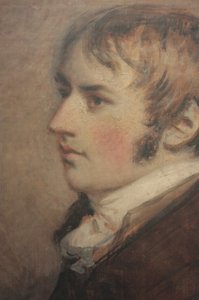
1776–1837, المملكة المتحدة
جون كونستابل
الحياة المبكرة، العائلة والتدريب وُلد جون كونستابل في عام 1776 في قرية إيست بيرغهولت بمقاطعة سوفولك، وكان الابن الثاني لكل من غولدينغ وآنا (واتس) كونستابل. كان والده تاجرًا مزدهرًا في تجارة الذرة والفحم، وكان يمتلك طاحونة فلاتفورد. هذا الارتباط الوثيق بالنهر والتجارة المحلية جعل من إيقاعات المياه وحركة البضائع جزءًا لا يتجزأ من الحياة اليومية داخل منزله. وفي حوالي عام 1792، بدأ العمل في تجارة العائلة، حيث تعلم الجوانب العملية لتجارة الذرة قبل أن يتغير مسار حياته نحو ريشة الرسم ولوحات القماش.
وأيضاً لـ جون كونستابل
 استكشف لوحة "كومة القش" لجون كونستابل، وهي لوحة مناظر طبيعية إنجليزية جوهرية. اكتشف أسلوبه الرومانسي وسياقه التاريخي وجماله الخالد - مثالي لعشاق الفن وجامعي التحف.
كومة القش
artworks_database
/en/art/john-constable-the-hay-wain-7YYNHP-en/
/media/artwo1821
 إطلالة على كاتدرائية سالزبوري من ممتلكات الأسقف1823
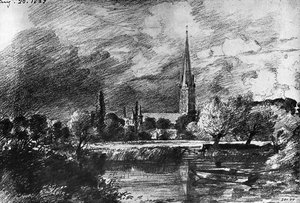 كاتدرائية سالزبوري
 عربة القش (تفصيل)1821
مقالات حول East Bergholt
 The Language of Brushstrokes: How Texture and Technique Reveal the Soul of ArtDiscover the profound connection between texture and emotion in Impressionist art. Explore how masterful brushstrokes by Renoir and Monet c…
 25 Must-See Masterpieces at the Yale Center for British ArtExplore 25 iconic British masterpieces from Turner to Hogarth. Discover museum-quality art at OriginalUniqueArt.com.
 Mastering the English Landscape: The Top 25 Artworks by John ConstableImmerse yourself in the soul of the English countryside with our curated guide to John Constable's top 25 masterpieces. Explore the emotive…