
 معاينة الحجم الواقعي
 إرسال
إرسال مشاركة
 عرض التفاصيل
 دليل الأعمال الفنية للطلاب

 تحميل
تحميل
 قطع مشابهة
 الأشعة السينية
 عرض شرائح متتابع
 الإحصائيات
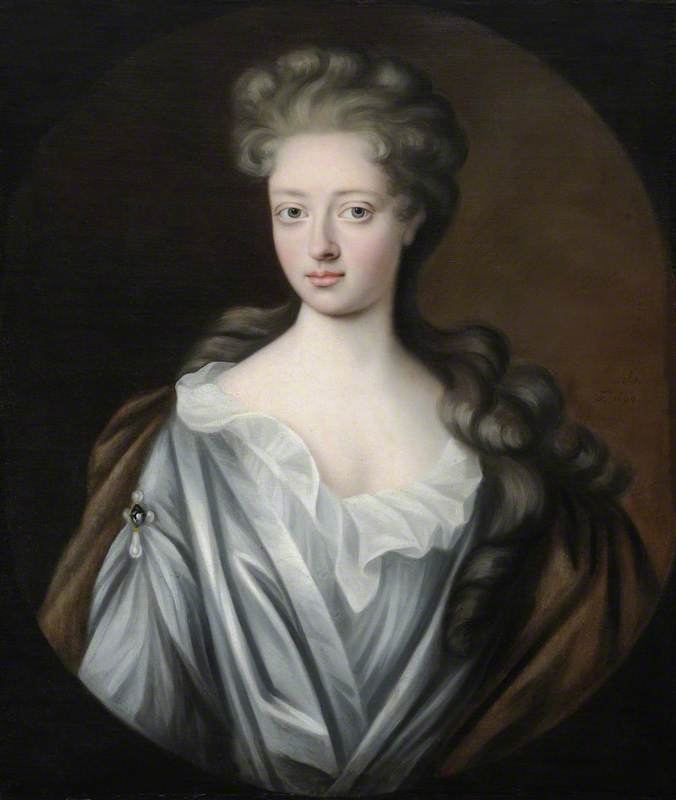
Mary Compton (d.1700), Lady Bourchier ( )
 1699
1699 76.0 x 64.0 cm
 National Trust
 اقرأ المزيد
احصل على صورة رقمية عالية الدقة ومعزّزة، بجودة تفوق بكثير المعاينة عبر الإنترنت.
يتم إعداد كل ملف بعناية فائقة على أيدي متخصصينا باستخدام أدوات متقدمة ولمسات يدوية خبيرة، لضمان تمتع كل صورة بوضوح استثنائي، ودقة لونية متناهية، وتفاصيل دقيقة.
يتم تسليم الملف النهائي عبر البريد الإلكتروني في غضون 72 ساعة، وهو مُحسَّن للاستخدام الفوري في المجالات المهنية والتحريرية ومجالات الطباعة؛ وهي ذات الجودة التي تعتمد عليها كبرى استوديوهات التصميم ودور النشر والمعارض الفنية المرموقة.
صورة رقمية
حمّل ملفاً عالي الدقة للعرض الشخصي، والطباعة، والمشاريع الإبداعية. ( التبديل إلى المطبوعات اطلب نسخة مرسومة يدويًا)
مزايا مُضمّنة مع كل طلب صورة رقمية
خدمة تسليم رقمي احترافية ومضمونة
عندما تختار OriginalUniqueArt.com، فأنت لا تحصل على مجرد صورة فحسب، بل ستحصل على عمل فني رقمي مُحسّن باحترافية، صُمم بدقة متناهية ومصحوب بضمان الرضا. إليك كل ما يتضمنه طلبك تلقائياً:

تسليم سريع عبر البريد الإلكتروني
ستصلك ملفات صورك الرقمية عالية الدقة عبر البريد الإلكتروني في غضون 72 ساعة من إتمام الطلب - لتكون جاهزة للاستخدام الفوري.

ملف رقمي مُعزز بالذكاء الاصطناعي
يتم تحسين عملك الفني باحترافية باستخدام أدوات الذكاء الاصطناعي المتقدمة والتحرير اليدوي، لضمان أقصى درجات التفاصيل والوضوح ودقة الألوان.

إعادة إرسال مجانية مدى الحياة
هل حذفت ملفك أو فقدته عن طريق الخطأ؟ لا تقلق - سنعيد إرساله إليك في أي وقت، مجاناً.

بدون رسوم استيراد - على الإطلاق
استمتع بأعمالك الفنية فوراً دون أي رسوم جمركية أو ضرائب أو مصاريف شحن - فالتحميلات الرقمية دائماً ما تكون معفاة من الضرائب.

ضمان دقة الألوان
نضمن لك دقة انعكاس الألوان الأصلية في صورتك الرقمية بأقصى قدر ممكن، وذلك باستخدام أدوات احترافية وتقنيات متطورة لإدارة الألوان.

ضمان الرضا لمدة 100 يوم
إذا لم تكن راضياً عن صورتك الرقمية، فسنقوم بتعديلها أو استرداد 100% من قيمتها خلال 100 يوم - دون طرح أي أسئلة.

ضمان استعادة الأموال بنسبة 100%
لم تكن راضياً؟ استرد كامل المبلغ خلال 100 يوم من استلام ملفك الرقمي - دون طرح أي أسئلة.

خصومات الطلبات الكبيرة
اشتري 3 صور، ووفر 10% - اشتري 5، ووفر 15% - اشتري +10، ووفر 20%. مثالية للمشاريع الإبداعية، والمعارض، والوكالات.
سيرة الفنان
Johannes Verelst: Bridging Worlds Through Portraiture
Johannes Verelst, a name often intertwined with the legacy of his brother Simon, stands as a significant figure in the Dutch Golden Age’s artistic landscape. Born in The Hague in 1648 and tragically passing away in London in 1734, Verelst's career spanned continents and bridged the gap between European aristocratic circles and the burgeoning world of colonial America. While frequently overshadowed by his more commercially successful sibling, a closer examination reveals an artist deeply attuned to the nuances of portraiture, meticulously capturing both the outward appearance and subtle psychological states of his subjects.
Verelst’s early artistic training undoubtedly stemmed from his father, Pieter Verelst, a respected painter known for his exquisite depictions of fruit and flower arrangements. These preliminary studies instilled in young Johannes a profound understanding of composition, color theory, and the delicate rendering of textures – skills that would later inform his more ambitious portrait commissions. However, the tumultuous political climate of the late 17th century, marked by economic instability and shifting artistic trends, forced Verelst to relocate with his family to Amsterdam and eventually London. This constant movement shaped his perspective, exposing him to diverse cultural influences and contributing to a distinctly cosmopolitan approach to his art.
His career in London proved particularly pivotal. The collapse of the Dutch art market following the Thirty Years’ War created unprecedented opportunities for artists seeking patronage from the English aristocracy. Verelst quickly established himself as a sought-after portraitist, catering to a clientele that included prominent figures such as the Duke of Montagu and numerous members of Parliament. Notably, he was commissioned to paint portraits of the “Four Indian Kings,” emissaries from the Iroquois Confederacy who visited Queen Anne in 1710. This monumental undertaking—a series of large-scale oil paintings depicting these indigenous leaders—demonstrates Verelst’s ambition and his willingness to engage with complex historical narratives. The works are not merely representations of physical appearance; they subtly convey a sense of dignity, authority, and the weight of diplomatic responsibility.
The Techniques of a Master: Realism and Psychological Depth
Verelst's artistic style is characterized by an extraordinary level of realism combined with a remarkable sensitivity to psychological detail. He possessed a keen eye for capturing subtle nuances in expression—a fleeting smile, a furrowed brow, the glint of intelligence in the eyes—transforming his subjects into compelling and relatable figures. His use of light and shadow was particularly masterful, creating a sense of depth and volume that brought his portraits to life. He employed a technique known as “chiaroscuro,” skillfully manipulating light to emphasize key features and create dramatic contrasts.
Unlike some of his contemporaries who favored idealized representations, Verelst often depicted his subjects with an unflinching honesty. He wasn’t afraid to capture the imperfections of age or the signs of weariness, imbuing his portraits with a sense of authenticity and immediacy. His meticulous attention to detail extended beyond mere physical likeness; he paid close attention to clothing, jewelry, and accessories, using them as visual cues to reveal the social status, profession, and personality of each individual.
A Complex Legacy: Collaboration and Attribution
The history of Johannes Verelst’s career is complicated by a complex web of collaborations and attribution disputes. His brother, Simon Verelst, was a highly successful portraitist in London, and the two artists frequently worked together, often signing their works jointly or attributing paintings to Simon when Johannes's involvement was significant. This practice has led to considerable debate among art historians regarding authorship—determining precisely which artist contributed to each painting.
Despite these ambiguities, Verelst’s individual contributions are undeniable. His portraits of the “Four Indian Kings” stand as a testament to his artistic skill and historical awareness. Furthermore, numerous other works attributed to him—including depictions of clergymen, ladies, and gentlemen—exhibit the hallmarks of his distinctive style: meticulous realism, psychological depth, and a masterful command of light and shadow. The paintings of Elizabeth Iveson and Bardsey Fisher are prime examples of his skill.
Connections to Colonial America and Beyond
Verelst’s artistic journey ultimately led him to the shores of colonial America. His portraits were highly sought after by wealthy colonists eager to document their status and lineage. The paintings he created for prominent figures like Elihu Yale, a wealthy merchant and philanthropist, offer a fascinating glimpse into the social and cultural dynamics of early American society. These commissions not only provided Verelst with financial security but also cemented his place as an artist deeply connected to the burgeoning transatlantic world.
Verelst’s legacy extends beyond his individual works. He represents a crucial link between the artistic traditions of the Netherlands and the evolving portraiture practices of England and America. His meticulous realism, psychological insight, and willingness to engage with diverse cultural contexts continue to resonate with art lovers today, solidifying his position as a significant figure in the history of European painting.

johannes verelst
1648 - 1734
حقائق سريعة
- Artistic Movement Or Style: Portraiture
- Artists Or Movements Influenced By This Artist: ['Simon Verelst']
- Artists Who Influenced This Artist: ['Herman Verelst']
- Date Of Birth: c. 1670
- Date Of Death: 7 March 1734
- Full Name: John Verelst
- Nationality: Anglo-Dutch
- Notable Artworks:
- Four Mohawk Kings
- Elizabeth Iveson
- Place Of Birth: London, England