

 معاينة الحجم الواقعي
 إرسال
إرسال مشاركة
 عرض التفاصيل
 دليل الأعمال الفنية للطلاب

 تحميل
تحميل
 قطع مشابهة
 الأشعة السينية
 عرض شرائح متتابع
 الإحصائيات
تصميم لنصب جنائزي


 اقرأ المزيد
طباعة جيلي / مطبوعات فنية
طباعة جيكلي أو كانفاس بجودة المتاحف، مع سرعة في التنفيذ وخيارات متنوعة للتشطيب. ( اطلب نسخة مرسومة يدويًا التحويل إلى الصورة الرقمية)




P118B E£10

P118H E£10

P118W E£10

P438Z E£10

P508JH E£12

P508YH E£12

P805H E£10

P805Z E£10

P919BZ E£10

P919G E£10

P919XJ E£10

P959ZH E£10

P968JZ E£12

W106C E£8

W218G E£10

W218JH E£8

W218Y E£10

W307PJ E£10

W316G E£10

W316PJ E£8

W316Y E£10

W398PJ E£8

W4111J E£10

W500HY E£15

W500JH E£15

W692G E£12

W849H E£8

W940BG E£15

W953PJ E£8




اختر من بين أحجامنا المُعدّة مسبقاً والتي تتوافق مع النسب الأصلية للعمل الفني.

أدخل العرض والارتفاع اللذين تحتاجهما، ليتناسب مع إطارك أو جدارك. يمكن قص المطبوعة فقط، ولا يمكن أبداً جعلها أكبر من الصورة الأصلية، لذا فإن أي مقاس بشكل مختلف سيؤدي إلى فقدان جزء من الصورة. سنرسل لك نموذجاً رقمياً تجريبياً لاعتماده قبل البدء في عملية الطباعة. الصورة المعروضة في هذه الصفحة لا توضح القص الفعلي — النموذج التجريبي فقط هو ما يظهر ذلك.
توصيل عالمي إلى خلال أسبوعين بدلاً من المدة القياسية البالغة 4/5 أسابيع. (27 أكتوبر)

شحن سريع ومجاني لجميع أنحاء العالم

قماش كتان فاخر

تأمين شامل على الشحن

ضمان استرداد الرسوم الجمركية

ضمان دقة مطابقة الألوان

سياسة الإرجاع خلال 100 يوم (في حالات العيوب فقط)

ضمان استرداد نقدي بنسبة 100%

عرض خصم الكميات
 خيار الزجاج متاح فقط للمقاسات التي تقل عن 110 سم

تصميم لنصب جنائزي
طباعة جيلي / مطبوعات فنية
مقاس النسخة المطبوعة
-


إجمالي السعر
E£ 4165
تصميم لمقبرة يوهان إكزتين
يُعد التصميم لمقبرة يوهان إكزتين تحفة فنية تعكس أسلوب النيو كلاسيكية الألماني وتُظهر براعة الفنان في التقاط الجماليات البصرية والتعبيرية العميقة. هذا العمل الفني، الذي تم رسمه في أوائل القرن الثامن عشر، ليس مجرد تزيين للمكان المقدس بل هو بمثابة مرآة تعكس القيم والأفكار السائدة في ذلك العصر.
- الموضوع: يمثل التصميم لمقبرة إكزتين استجابةً للتراث الأرثوذكسي المسيحي، حيث يُركز على التوازن والهدوء والتعبير عن الحكمة الروحية. يتميز بالدقة في التفاصيل وتجسيد القيم الأخلاقية والإنسانية الأساسية التي كانت تحكم حياة إكزتين وعمله الفني.
- الأسلوب: يتبنى التصميم لمقبرة إكزتين أسلوب النيو كلاسيكية الذي استلهمت منه التشكيلات الفنية الإنجليزية والألمانية في تلك الفترة، مع التأكيد على الخطوط المستقيمة والأشكال الهندسية البسيطة والزخارف الأنيقة التي تعكس العودة إلى القيم الكلاسيكية القديمة.
- التقنية: استخدم إكزتين تقنية الرسم بالرصاص والماء الرمادي والطباعة لتشكيل التصميم، مما أضفى عليه عمقًا وتأثيرًا بصريًا قويًا. كما تميز بالتفاصيل الدقيقة التي تعكس مهارة الفنان في التقاط الإضاءة والتظليل وإبراز الألوان بشكل طبيعي ودقيق، مما يجعله تحفة فنية حقيقية تستحق الدراسة والتقدير.
- السياق التاريخي: ظهر التصميم لمقبرة إكزتين في فترة شهدت تحولًا كبيرًا في الفكر والفنون الأوروبية، حيث كانت هناك حركة نحو التجديد والتحديث وإعادة اكتشاف القيم الكلاسيكية القديمة التي كانت قد تضاءلت بسبب تأثير العصر الرومانسي. كان إكزتين من بين الفنانين الذين ساهموا في هذه الحركة وتجسيدها في أعمال فنية متميزة.
- التأثير العاطفي: يُعد التصميم لمقبرة إكزتين عملاً يحمل رسالة هادئة ومؤثرة، حيث يهدف إلى تذكير الزائر بقيمة الحياة والجمال الروحي والتوازن بين العقلانية والإيمان. يتميز بالرقة والحساسية التي تعكس وعيًا بالفنون الكلاسيكية وتأثيرها على الفكر الإنساني، ويُعد مثالًا للرسم الذي يلامس القلب والعقل في آن واحد.
يمكن الاستعانة بنسخة عالية الجودة من هذا التصميم لتزيين المساحات الداخلية أو لعرضه في المعارض الفنية، حيث سيضفي لمسة من الأناقة والرقي على أي مكان ويُذكر الزوار بأهمية التراث الفني الألماني وقوة الإبداع البشري.
الأسئلة والأجوبة
أين يمكنني شراء نسخة رقمية من "تصميم لنصب جنائزي" للفنان Johann Eckstein؟
يمكن شراء نسخة رقمية من "تصميم لنصب جنائزي" للفنان Johann Eckstein عبر صفحة الطلب الرقمي الخاصة بها: صورة رقمية: تحميل صورة رقمية عالية الدقة.
من هو الفنان الذي أبدع "تصميم لنصب جنائزي"؟
الفنان الذي أبدع عمل "تصميم لنصب جنائزي" هو Johann Eckstein. العمل مُدرج تحت اسم Johann Eckstein.
ما مدى قوة التباين في "تصميم لنصب جنائزي" للفنان Johann Eckstein؟
مستوى التباين في "تصميم لنصب جنائزي" للفنان Johann Eckstein هو هادئ.
نبذة عن الفنان
A Life of Artistic Versatility
Johann Eckstein stands as a remarkable testament to the boundless versatility required of a master craftsman during the late 18th century. Born in Poppenroth, Germany, he was the son of Conrad Eckstein, a skilled woodcarver and cabinet-maker, an upbringing that likely laid the foundation for his profound technical dexterity. His artistic journey was one of constant movement and adaptation, spanning the grand courts of Europe and the burgeoning landscape of America. A true polymath of the visual arts, Eckstein’s talent was not confined to a single medium; his oeuvre encompassed the delicate precision of engraving, the emotive power of portraiture, the tactile grace of pastel artistry, and the monumental presence of sculpture.
His formal training began at the Nuremberg Academy of Arts under the guidance of Preissler, providing him with the classical grounding necessary to navigate the prestigious artistic circles of his era. This education prepared him for a career that would see him move from the vibrant art scene of London to the royal splendor of Prussia, and eventually to the shores of the United States. Whether working in wax, marble, or ink, Eckstein possessed an intellectual curiosity that allowed him to master diverse techniques, making him a rare figure capable of addressing both the intimate scale of a portrait and the architectural demands of a public monument.
From European Courts to the New World
The trajectory of Eckstein’s career was marked by significant royal patronage and international transitions. During his time in London between 1758 and 1765, he established himself through notable achievements, such as working on the relief for the monument to Roger Townshend in Westminster Abbey and receiving prestigious premiums from the Society of Arts for his Portland stone reliefs. His reputation soon caught the attention of Frederick the Great, whose invitation led Eckstein to the Prussian court. As the principal sculptor at Potsdam and Sans Souci, he executed works that defined the neoclassical aesthetic of the era, later continuing his service under Frederick William.
Eckstein’s influence extended into the realm of fine porcelain and commemorative art, as seen in his modeling for the Berlin porcelain factory and his creation of death masks and wax busts. However, his life took a dramatic turn when he sought a new beginning in America. Arriving in Philadelphia by November 1793, he brought with him a wealth of European tradition, becoming a founder member of the Philadelphia Academy. Despite the challenges of settling in a new country—a struggle he lamented in his later years—he continued to exhibit works ranging from equestrian figures of George Washington to instructional texts like The American Drawing Magazine. His final chapter took him to Havana, where he passed away after a life defined by an unrelenting pursuit of artistic excellence across continents.
Technical Mastery and Artistic Legacy
The essence of Eckstein’s work lies in his ability to blend meticulous detail with profound emotional resonance. In his drawings and engravings, such as the Design for Funerary Monument, one observes a signature style characterized by restrained emotion and a somber reflection on the human condition. His use of techniques like precise hatching and cross-hatching allowed him to render textures with exceptional skill, creating a sense of gravitas that invited quiet introspection from the viewer. This technical precision was equally evident in his sculptural endeavors, where he could transition seamlessly from the delicate modeling of wax portraits to the heavy, enduring medium of marble.
Eckstein’s legacy is not merely found in individual masterpieces but in his role as a bridge between the established traditions of Europe and the developing artistic identity of America. His ability to master various disciplines—sculpture, engraving, painting, and even instructional writing—demonstrates a breadth of talent that few of his contemporaries could match. Through his work, he captured the neoclassical preoccupation with idealized form and dignified emotion, leaving behind a body of work that reflects both the Enlightenment ideals of his time and the personal resilience of a wandering master.

Johann Eckstein
1735 - 1818 , Germany
لمحة سريعة
- Artistic Movement Or Style: Neoclassical Sculpture
- Artists Who Influenced This Artist: ['Preissler']
- Full Name: Johann Eckstein
- Nationality: German
- Notable Artworks: ['Design for Funerary Monument']
- Place Of Birth: Poppenroth, Germany
- Date Of Birth: 1735
- Date Of Death: 1818
مقالات ذات صلة

The Enduring Form: Sculpture Across History, Technique & Emotional Resonance
Explore the rich history of sculpture with OriginalUniqueArt. Discover key techniques, influential artists & investment potential for discerning collectors. Expert insights into valuing and collecting timeless masterpieces.

The Enduring Form: Exploring Themes & Techniques in Sculpture Across Historical Periods
Explore the rich history of sculpture from ancient masterpieces to contemporary innovations. Discover key techniques, influential artists & investment potential for discerning art collectors.

Bronze Age to Modern Masters: 10 Sculptures That Redefined Art | OriginalUniqueArt
Journey through art history with 10 legendary bronze sculptures – from Michelangelo's David to Rodin’s Thinker. Explore the stories, techniques & timeless beauty of these masterpieces. Find museum-quality reproductions & elevate your home decor on OriginalUniqueArt.com.

Bronze Sculptures That Defined Art History | OriginalUniqueArt
Journey through art history with our Top 10 bronze sculptures! Explore masterpieces by Rodin, Michelangelo & more. Discover stories behind iconic statues and find museum-quality reproductions for your home decor at OriginalUniqueArt.com.
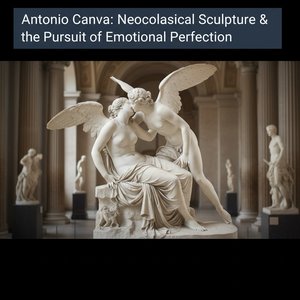
Antonio Canova: Neoclassical Sculpture & the Pursuit of Emotional Perfection
Explore the life & art of Antonio Canova, the greatest Neoclassical sculptor. Discover his masterpieces, innovative techniques, and lasting influence on fine art collecting. Expert insights for discerning investors.
