

 معاينة الحجم الواقعي
 إرسال
إرسال مشاركة
 عرض التفاصيل
 دليل الأعمال الفنية للطلاب

 تحميل
تحميل
 قطع مشابهة
 الأشعة السينية
 عرض شرائح متتابع
 الإحصائيات
Laurids Engelstoft


 اقرأ المزيد
طباعة جيلي / مطبوعات فنية
طباعة جيكلي أو كانفاس بجودة المتاحف، مع سرعة في التنفيذ وخيارات متنوعة للتشطيب. ( اطلب نسخة مرسومة يدويًا التحويل إلى الصورة الرقمية)




































اختر من بين أحجامنا المُعدّة مسبقاً والتي تتوافق مع النسب الأصلية للعمل الفني.

يمكنك إدخال أبعاد خاصة لتناسب إطاراً أو مساحة معينة. وفي حال عدم تطابق الحجم المختار مع نسب الصورة الأصلية، سنقوم إما بقص العمل الفني أو تمديد الصورة باستخدام حافة معكوسة أو لون مصمت. وسيتم إرسال نموذج تجريبي رقمي لاعتمادك قبل بدء عملية الإنتاج.
يرجى ملاحظة أن المعاينة على الشاشة لا تعكس عملية القص أو التمديد الفعلية؛ حيث سيوضح النموذج التجريبي فقط التكوين النهائي بدقة.
وعلى الرغم من توفر أحجام مخصصة، إلا أننا نوصي باختيار أبعاد من القائمة المحددة مسبقاً للحفاظ على النسب الأصلية.
توصيل عالمي إلى خلال أسبوعين بدلاً من المدة القياسية البالغة 4/5 أسابيع. (26 سبتمبر)

شحن سريع ومجاني لجميع أنحاء العالم

قماش كتان فاخر

تأمين شامل على الشحن

ضمان استرداد الرسوم الجمركية

ضمان دقة مطابقة الألوان

سياسة الإرجاع خلال 100 يوم (في حالات العيوب فقط)

ضمان استرداد نقدي بنسبة 100%

عرض خصم الكميات
 خيار الزجاج متاح فقط للمقاسات التي تقل عن 110 سم

Laurids Engelstoft
طباعة جيلي / مطبوعات فنية
مقاس النسخة المطبوعة
-


إجمالي السعر
$ 80
نبذة عن الفنان
Johan Vilhelm Gertner (1818 – 1871): The Master of Photorealistic Portraiture
Johan Vilhelm Gertner, born in Copenhagen in 1818 to a craftsman at the Holmen Naval Base, stands as one of the most celebrated Danish painters of his era—a figure inextricably linked to the waning years of the Golden Age of Danish Painting. His artistic trajectory was profoundly shaped by the tutelage of Christoffer Wilhelm Eckersberg, considered the father of this movement, who instilled in Gertner a foundational commitment to naturalistic observation and meticulous detail – principles that would propel him far beyond the stylistic confines of his teacher’s vision. Gertner's career unfolded against a backdrop of burgeoning artistic innovation, particularly the influence of French Realism and the transformative potential of photography, marking him as an artist acutely attuned to the shifting intellectual landscape of the mid-19th century.- Early Life & Education: Gertner’s formative years were spent honing his craft at the Royal Danish Academy of Fine Arts (1831–1837), where Eckersberg championed a style prioritizing direct observation and capturing the essence of reality. This approach contrasted sharply with prevailing academic conventions, fostering Gertner's desire to transcend mere imitation and strive for genuine artistic expression.
- Influences & Artistic Style: Gertner’s artistic sensibilities were undeniably molded by French Realism—particularly Gustave Courbet—whose unflinching depiction of everyday life served as a powerful counterpoint to idealized Romantic narratives. Simultaneously, he embraced the emerging techniques of photography, recognizing its ability to reproduce textures and tonal gradations with unprecedented accuracy. This fascination with photographic realism would become a defining characteristic of his oeuvre.
Notable Portraits & Artistic Achievements
Gertner’s reputation rests primarily upon his extraordinary skill in portraiture—a medium he mastered with breathtaking precision. He produced an astonishing array of portraits, capturing the likenesses of prominent figures across Danish society, including Bertel Thorvaldsen (Thorvaldsens Museum), C.W. Eckersberg, and King Christian VIII. What distinguished Gertner’s work from its contemporaries was not merely technical proficiency; it was his ability to imbue each portrait with a palpable sense of psychological depth—revealing character traits and emotional nuances that transcended mere visual representation. His meticulous attention to detail extended beyond facial features, encompassing fabrics, textures, and lighting conditions, creating immersive scenes that transported viewers into the subject’s world.- Key Commissions: Gertner undertook numerous prestigious commissions throughout his life, securing patronage from royal families and influential intellectuals. These projects demanded exceptional artistic skill and unwavering dedication—qualities Gertner possessed in abundance.
- Recognition & Critical Acclaim: Gertner’s work garnered considerable acclaim during his lifetime, particularly from art historians like Niels Lauritz Høyen, who nevertheless acknowledged the undeniable brilliance of his technique. His reputation endured beyond his death in 1871, cementing his place as a cornerstone of Danish artistic heritage.
Legacy & Historical Significance
Gertner’s contribution to Danish art history extends far beyond his individual portraits. He served as Professor at the Academy from 1858, shaping the artistic sensibilities of generations of aspiring painters and fostering a continuing dialogue with the stylistic innovations of his time. His unwavering commitment to naturalistic observation—combined with his pioneering exploration of photographic realism—established him as a pivotal figure in bridging the gap between Romantic idealism and Modernist experimentation. Today, Gertner’s paintings continue to inspire admiration for their technical virtuosity and profound psychological insight—testaments to an artist who captured the spirit of his era with unparalleled artistry.
johan vilhelm gertner
1818 - 1871
لمحة سريعة
- Artistic Movement Or Style: Realism
- Artists Or Movements Influenced By This Artist: ['French Realism']
- Artists Who Influenced This Artist: ['Christoffer Wilhelm Eckersberg']
- Date Of Death: 1871
- Full Name: Johan Vilhelm Gertner
- Nationality: Danish
- Notable Artworks:
- Thorvaldsen in his studio
- Eckersberg
- Place Of Birth: Holmen Naval Base, Denmark
مقالات ذات صلة

The Enduring Legacy of Oil on Canvas: Technique, History & Aesthetic Impact
Explore the rich history & techniques of oil painting – from Renaissance masters to Impressionism. Discover pigments, layering methods, and why this timeless medium endures. Expert insights for artists & art enthusiasts.

The Enduring Power of Painting: A Historical & Contemporary Exploration of Form and Emotion
Explore the rich history & enduring techniques of oil painting with OriginalUniqueArt. Discover masterpieces, learn about art collecting, and find authentic handmade reproductions crafted by skilled artists.
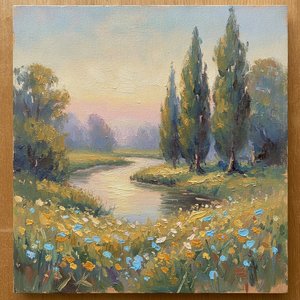
The Timeless Charm of Oil on Board: Reimagining Texture and Light through the Impressionist Lens
Discover the profound intimacy of oil on panel. Explore how Impressionist masters used rigid supports to capture light, texture, and impasto depth through exquisite, handmade oil reproductions for discerning collectors.

Oil on Canvas: A Historical & Technical Exploration of a Timeless Artistic Medium
Explore the rich history & enduring techniques of oil painting on canvas. Discover the science behind its longevity, conservation practices, and contemporary relevance. Expert insights for art enthusiasts.

الرسم الزيتي: تاريخ عريق، تقنيات متطورة، وممارسات معاصرة لفن خالد
اكتشف تاريخ الرسم الزيتي وتقنياته المتطورة مع دليل شامل لفن خالد. تعلم عن المواد، الأساليب الكلاسيكية والمعاصرة، وكيفية العناية بلوحاتك الثمينة. خبراء OriginalUniqueArt يرشدونك!