 معاينة الحجم الحقيقي
 مشاركة
 مشاركة
 التفاصيل

 تحميل الملف
 قطع مشابهة
 الأشعة السينية
 عرض شرائح
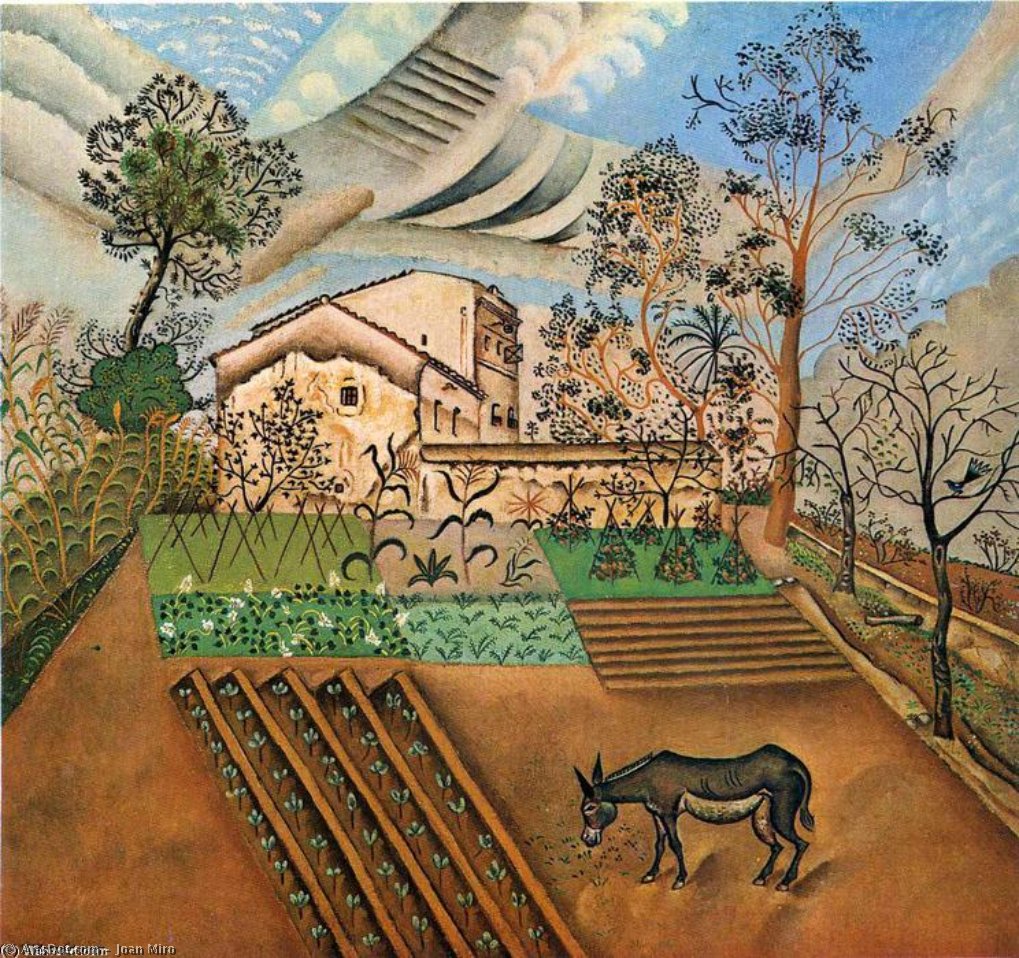
The Vegetable Garden with Donkey
 Oil On Canvas
- WallArt
- Cubism
 1918
1918- Modern
 64.0 x 70.0 cm
 عرض المزيد
طباعة جيلي / مطبوعات فنية
طباعة جيكلي أو كانفاس بجودة المتاحف، مع سرعة في التنفيذ وخيارات متنوعة للتشطيب. ( التحويل إلى لوحة مرسومة يدوياً التبديل إلى الصورة)




P118B $10

P118H $10

P118W $10

P438Z $10

P508JH $12

P508YH $12

P805H $10

P805Z $10

P919BZ $10

P919G $10

P919XJ $10

P959ZH $10

P968JZ $12

W106C $8

W218G $10

W218JH $8

W218Y $10

W307PJ $10

W316G $10

W316PJ $8

W316Y $10

W398PJ $8

W4111J $10

W500HY $15

W500JH $15

W692G $12

W849H $8

W940BG $15

W953PJ $8




اختر من بين أحجامنا المُعدّة مسبقًا والتي تتطابق مع النسب الأصلية للعمل الفني.

يمكنك إدخال أبعادك الخاصة لتناسب إطاراً أو مساحة معينة. وإذا لم يتطابق الحجم الذي اخترته مع نسب الصورة الأصلية، فسنقوم إما بقص العمل الفني أو تمديد الصورة باستخدام حافة معكوسة أو بلون مصمت. سيتم إرسال نموذج تجريبي رقمي لاعتمادك قبل بدء الإنتاج.
يرجى ملاحظة أن المعاينة على الشاشة لا تعكس عملية القص أو التمديد الفعلية؛ حيث سيوضح النموذج التجريبي فقط التكوين النهائي بدقة.
وعلى الرغم من توفر أحجام مخصصة، إلا أننا نوصي باختيار أبعاد من القائمة المحددة مسبقاً للحفاظ على النسب الأصلية.
توصيل عالمي إلى خلال أسبوعين بدلاً من المدة القياسية البالغة 4/5 أسابيع. 9 أغسطس

شحن سريع ومجاني لجميع أنحاء العالم

قماش كتان عالي الجودة

تأمين شحن شامل

ضمان استرداد الرسوم الجمركية

ضمان مطابقة الألوان الحقيقية

سياسة الإرجاع خلال 60 يومًا (في حالات العيوب فقط)

ضمان استرداد نقدي بنسبة 100%

خصم عند طلب عدة قطع
 خيار الزجاج متاح فقط للمقاسات التي تقل عن 110 سم

The Vegetable Garden with Donkey
طباعة جيلي / مطبوعات فنية
مقاس النسخة المطبوعة
-


السعر الإجمالي النهائي
$ 80
وصف القطعة الفنية
A Serene Vision of Rural Life: Joan Miró’s “The Vegetable Garden with Donkey”
Joan Miró’s 1918 painting, "The Vegetable Garden with Donkey," is more than just a depiction of a rustic scene; it's an invitation into the artist’s uniquely personal and profoundly evocative world. Created during a pivotal period in his artistic development – a time when he was actively wrestling with Cubism while simultaneously forging his own distinctive visual language – this oil on canvas offers a glimpse into Miró’s subconscious, blending elements of naturalism with the playful abstraction that would become hallmarks of his style. Measuring 64 x 70 cm and housed in the Moderna Museet in Stockholm, the painting immediately draws the viewer in with its vibrant palette and dreamlike quality.
The central focus is undeniably the donkey, a creature rendered with an almost childlike simplicity. It stands within a lush garden setting, grazing peacefully amidst scattered trees and bushes – elements that contribute to a sense of quiet abundance. However, Miró doesn’t simply present a realistic portrayal; instead, he employs Cubist techniques to fragment and reassemble forms, creating a dynamic interplay between recognizable shapes and abstract gestures. The donkey itself is not depicted with anatomical precision but rather as a collection of geometric planes and lines, echoing the influence of Picasso and Braque while simultaneously asserting Miró’s own artistic identity. The artist's deliberate distortion adds to the painting's surreal atmosphere, suggesting a world unbound by conventional representation.
Cubism and Beyond: An Artistic Evolution
Miró’s work during this period was deeply rooted in Cubism, yet he quickly moved beyond its purely intellectual constraints. Unlike artists like Juan Gris, who meticulously analyzed and deconstructed forms within the Cubist framework, Miró utilized external forms – the shapes of objects, the morphology of Cubism itself – as a springboard for his own expressive language. He wasn’t interested in dissecting reality but rather in re-creating it through a process of intuitive association and symbolic representation. This approach resulted in a style that is both intensely personal and remarkably open to interpretation.
The painting's composition further reinforces this sense of dynamic interplay. The two birds, positioned strategically near the top right and bottom left corners, add a layer of lightness and movement to the scene, while also hinting at themes of freedom and flight. These small details, combined with the simplified forms and vibrant colors, create a visual rhythm that is both captivating and subtly unsettling – characteristic of Miró’s artistic vision. The use of color is particularly noteworthy; it's not employed realistically but rather as a means of conveying emotion and atmosphere, contributing to the painting’s overall dreamlike quality.
Historical Context and Catalan Identity
“The Vegetable Garden with Donkey” was created in 1918, a time of significant social and political upheaval. Spain was grappling with the aftermath of the Spanish-American War and the rise of fascism in Europe. Miró’s work reflects this turbulent context through its exploration of subconscious imagery and its rejection of traditional artistic conventions. Interestingly, the painting's subject matter – a simple garden scene – can be interpreted as a nostalgic yearning for a more peaceful and authentic way of life, rooted in the Catalan countryside.
The choice of setting—a vegetable garden—holds symbolic weight within the context of Catalan culture. Gardens were traditionally associated with fertility, abundance, and connection to the land. Furthermore, Miró’s strong ties to his native Catalonia are evident throughout his oeuvre, and this painting serves as a testament to his enduring love for the region's landscape and traditions. The Palacio de la Generalidad Valenciana, a historical building in Valencia, Spain, stands as a symbol of Catalan identity and governance, reflecting the broader cultural significance of the rural setting depicted in Miró’s work.
A Legacy of Surrealism and Innovation
“The Vegetable Garden with Donkey” is considered a crucial stepping stone in Miró's artistic journey. It demonstrates his willingness to experiment with new forms of expression while retaining a deep connection to the natural world. His exploration of symbolism, abstraction, and dreamlike imagery would later become central to his distinctive style, influencing generations of artists. Alongside works like “The Waggon Tracks,” other pieces by Miró—such as Ferdinand Hodler’s “Lake Silvaplana in Autumn” and Giacomo Balla's "Fiore futurista"—offer valuable insights into the broader artistic landscape of the early 20th century, showcasing a diverse range of approaches to modernism.
Today, reproductions of this captivating artwork are available through OriginalUniqueArt.com and other platforms, allowing art enthusiasts worldwide to experience the beauty and complexity of Miró’s vision. Whether you're drawn to its vibrant colors, its playful abstraction, or its evocative symbolism, “The Vegetable Garden with Donkey” remains a testament to the power of art to transport us beyond the realm of reality and into the depths of the human imagination.
السيرة الذاتية للفنان
رؤية كاتالونية: حياة وفن خوان ميرو
خوان ميرو إي فيرا، المولود في برشلونة عام 1893، يبرز كأحد أبرز الشخصيات في فن القرن العشرين. لم تكن رحلته مجرد تطور عبر الأساليب الفنية فحسب، بل كانت استكشافًا للعوالم الداخلية، حيث قام بترجمة الأحلام والذكريات والهوية الكتالونية إلى القماش بلغة بصرية شعرية فريدة. من بدايات متواضعة تميزت بالمرض والتحفظات الأولية لوالديه بشأن مساعيه الفنية، أصر ميرو على المضي قدمًا، مدفوعًا بحاجة فطرية للتعبير عن غير الملموس - المشاعر والأحاسيس والتيارات اللاواعية التي تكمن تحت سطح الواقع. كانت حياته المبكرة غارقة في تقاليد برشلونة، وهي مدينة تزخر بالعجائب المعمارية بفضل أنطوني غاودي، الذي ستؤثر أشكاله العضوية بشكل خفي على تجريدات ميرو اللاحقة. زرع مهنة صياغة المجوهرات لوالده تقديرًا للحرفية الدقيقة، بينما أصبحت المناظر الطبيعية الكتالونية الوعرة سمة متكررة ومصدر إلهام طوال حياته المهنية.من التأثيرات المبكرة إلى السريالية
بدأ التدريب الفني الرسمي لميرو في لا لوتجا في برشلونة، حيث صقل مهاراته في التقنيات التقليدية. ومع ذلك، كان التعرض للحركات الطليعية التي اجتاحت باريس هو الذي أشعل حقًا تطوره الإبداعي. ترنحت الألوان النابضة بالحياة من Fauvism والأشكال المكسرة من Cubism بعمق، مما دفعه إلى الانتقال إلى باريس عام 1920. أثبتت هذه الفترة أنها حاسمة حيث التقى بفنانين مثل بابلو بيكاسو وبدأ في تجربة تركيبات مجردة متزايدة. ومع ذلك، لم يتبن ميرو ببساطة هذه الأساليب؛ لقد قام بتوليفها، ومهد الطريق لجماليته المميزة الخاصة به. سعى إلى تقطير الأشكال إلى جوهرها، والتخلص من التفاصيل التمثيلية لصالح الأشكال الرمزية والألوان المفعمة بالحيوية. قاد هذا الاستكشاف إلى مجموعة السرياليين في عام 1924، مما وضعه جنبًا إلى جنب مع فنانين مثل ماكس إرنست وسلفادور دالي. وبينما تبنى اهتمام السرياليين باللاوعي، احتفظ ميرو بحساسية فريدة - لم يكن عمله يتعلق كثيرًا بالصور الصادمة أو الرمزية الفرويدية بقدر ما كان يتعلق بإنشاء عالم من الأشكال المرحة والاقتراحات الشعرية.لغة الرموز: الأعمال الرئيسية والابتكارات الفنية
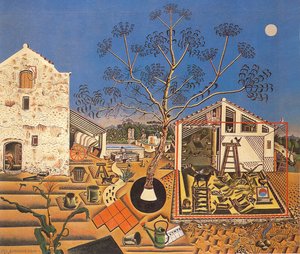
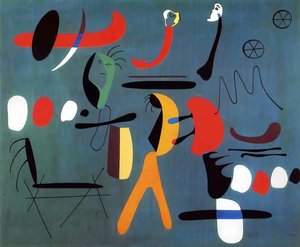
على مدار الثلاثينيات والأربعينيات من القرن الماضي، طور خوان ميرو مفرداته المرئية المميزة - عالم يسكنه أشكال بيومورفية وأشكال عائمة وألوان نابضة بالحياة. "المزرعة" (1922)، التي تعتبر غالبًا حجر الزاوية في أعماله، تجسد هذا الانتقال. إنها ليست مجرد تصوير للحياة الريفية ولكنها استحضار للهوية الكتالونية وتمثيل رمزي للعالم الطبيعي. أدت روحه التعاونية إلى تقنيات مبتكرة مثل *grattage*، التي ركز على تطويرها مع ماكس إرنست في عام 1926 لتصاميم مخصصة لباليه سيرغي ديياجليف، حيث تم الكشف عن القوام عن طريق كشط الطلاء عبر اللوحة. أظهرت سلسلة "المرآب الداخلي" (1928) قدرته على إعادة تفسير الأساتذة القدماء من خلال جمالية حديثة متميزة، وتحويل المشاهد المنزلية إلى تجريدات حالمة. "لوحة" (1933)، بألوانها الجريئة وأشكالها المبسطة، تجسد استكشاف ميرو للاوعي ورفضه للحدود الفنية التقليدية. تتجاوز أعماله الرسم، حيث جرب بشجاعة النحت والسيراميك والطباعة، وتوسيع آفاقه الإبداعية وإظهار تعدد الاستخدامات المذهل.الإرث والتأثير الدائم
إن تأثير خوان ميرو على فن القرن العشرين لا يمكن إنكاره. لم يكن مجرد رسام فحسب؛ بل كان صاحب رؤية تحدت تعريف التعبير الفني نفسه. لقد مهد الطريق للتعبير عن التجريديات ويثير باستمرار الفنانين عبر التخصصات المختلفة. أسس اثنين من المؤسسات - مؤسسة خوان ميرو في برشلونة (1975) ومؤسسة بيلار وخوان ميرو في بالما دي مايوركا (1981) - مما يضمن استمرار إرثه، وتوفير مساحات للاستكشاف الفني والتعليم. طوال حياته المهنية الطويلة، ظل ملتزمًا بدفع الحدود والتحدي للتقاليد واستكشاف أعماق الخيال البشري. عمل ميرو هو شهادة على قوة التجريد والرمزية والتعبير الشعري - احتفال نابض بالحياة بالحياة والأحلام وروح الثقافة الكتالونية الدائمة. يستمر عمله في صدى لدى الجماهير حول العالم، ويدعونا إلى دخول عالم حيث كل شيء ممكن وتتلاشى الحدود بين الواقع والخيال في رقصة آسرة من الألوان والأشكال.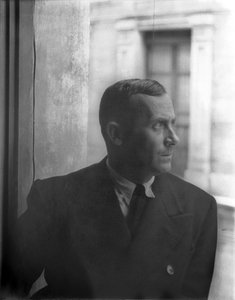
خوان ميرو
1893 - 1983 , إسبانيا
حقائق سريعة
- Artistic Movement Or Style: الفن السريالي
- Artists Who Influenced This Artist: ['باولو بيكاسو']
- Date Of Birth: ٢٠ أبريل ١٨٩٣
- Date Of Death: ٢٥ ديسمبر ١٩٨٣
- Full Name: جوان ميرو إي فرنا
- Nationality: إسبانية
- Notable Artworks:
- المزرعة
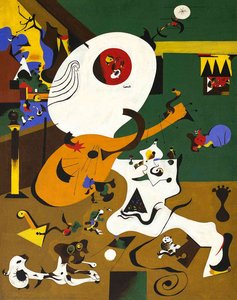
- داخل هولندا
- Place Of Birth: برشلونة، إسبانيا
مقالات ذات صلة
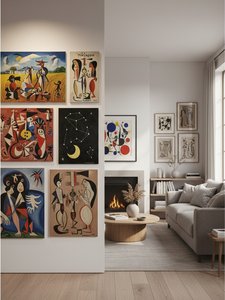
أعمال خوان ميرو الخالدة: 25 تحفة فنية تزين منزلك بجمال السريالية
اكتشف 25 تحفة فنية لخوان ميرو، رائد الفن السريالي. استكشف قصص لوحاته الملونة وأسلوبه الفريد. احصل على نسخ عالية الجودة لديكور منزلي فاخر. اكتشف جميع الروائع على OriginalUniqueArt.com
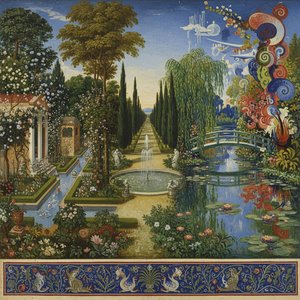
Cultivating Paradise: A Historical & Artistic Exploration of Gardens in Painting
Explore the rich history of gardens in painting! Discover masterpieces from Renaissance to Impressionism & beyond. Learn about symbolism, artists like Monet & Klimt, and find your perfect artwork at OriginalUniqueArt.
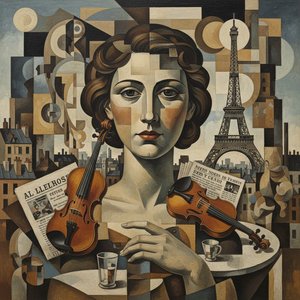
Deconstructing Reality: Cubism's Revolutionary Impact on 20th-Century Art
Explore the revolutionary impact of Cubism on 20th-century art. Discover Picasso, Braque & beyond with our expert guide to this pivotal movement. Learn about Analytic & Synthetic Cubism's techniques and lasting legacy.
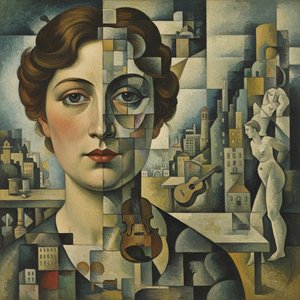
Deconstructing Reality: Cubism's Revolutionary Impact on 20th-Century Art
Explore the revolutionary world of Cubism with OriginalUniqueArt. Discover Picasso & Braque's groundbreaking techniques, its philosophical roots, and lasting impact on modern art. Expert insights for collectors.

Jean Dominique Antony Metzinger: Pioneering Cubism & the Evolution of Abstract Form
Explore the life & work of Jean Metzinger, a pivotal Cubist painter and theorist. Discover his innovations in proto-Cubism, 'Du Cubisme,' and Crystal Cubism – a journey through modern art's evolution.