معاينة الحجم الواقعي
 إرسال
إرسال مشاركة
 عرض التفاصيل
 دليل الأعمال الفنية للطلاب

 تحميل
تحميل
 قطع مشابهة
 الأشعة السينية
 عرض شرائح متتابع
 الإحصائيات
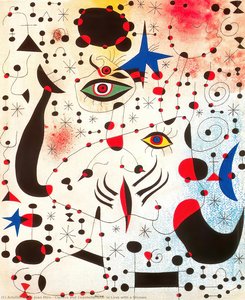
Head of a Man
 Oil
Oil- WallArt
- Surrealist Movement
 1935
1935- Modern
 105.0 x 74.0 cm
 Centre Pompidou
 اقرأ المزيد
إن العمل الفني المعروض في هذه الصفحة محمي بموجب قوانين حقوق الطبع والنشر، مما يعني أنه لا يحق لنا قانوناً إنشاء أو بيع نسخ مطابقة له. وتُطبق هذه الحماية بموجب الاتفاقيات الدولية مثل الـ اتفاقية برن ووفقاً للقوانين الوطنية، بما في ذلك تلك المنصوص عليها في قانون حقوق الطبع والنشر في الولايات المتحدة - الباب 17.
تتوافق هذه الطريقة تماماً مع لوائح حقوق النشر لأنها لا تتضمن نسخ أو تكرار العمل الفني المحمي، بل هي إعادة تفسير إبداعية؛ أي أنها لوحة جديدة مستوحاة من الأصل ولكنها ليست مطابقة له.
طباعة جيلي / مطبوعات فنية
طباعة جيكلي أو كانفاس بجودة المتاحف، مع سرعة في التنفيذ وخيارات متنوعة للتشطيب. ( اطلب نسخة مرسومة يدويًا التحويل إلى الصورة الرقمية)




P118B E£10

P118H E£10

P118W E£10

P438Z E£10

P508JH E£12

P508YH E£12

P805H E£10

P805Z E£10

P919BZ E£10

P919G E£10

P919XJ E£10

P959ZH E£10

P968JZ E£12

W106C E£8

W218G E£10

W218JH E£8

W218Y E£10

W307PJ E£10

W316G E£10

W316PJ E£8

W316Y E£10

W398PJ E£8

W4111J E£10

W500HY E£15

W500JH E£15

W692G E£12

W849H E£8

W940BG E£15

W953PJ E£8




اختر من بين أحجامنا المُعدّة مسبقاً والتي تتوافق مع النسب الأصلية للعمل الفني.

أدخل العرض والارتفاع اللذين تحتاجهما، ليتناسب مع إطارك أو جدارك. يمكن قص المطبوعة فقط، ولا يمكن أبداً جعلها أكبر من الصورة الأصلية، لذا فإن أي مقاس بشكل مختلف سيؤدي إلى فقدان جزء من الصورة. سنرسل لك نموذجاً رقمياً تجريبياً لاعتماده قبل البدء في عملية الطباعة. الصورة المعروضة في هذه الصفحة لا توضح القص الفعلي — النموذج التجريبي فقط هو ما يظهر ذلك.
توصيل عالمي إلى خلال أسبوعين بدلاً من المدة القياسية البالغة 4/5 أسابيع. (25 أكتوبر)

شحن سريع ومجاني لجميع أنحاء العالم

قماش كتان فاخر

تأمين شامل على الشحن

ضمان استرداد الرسوم الجمركية

ضمان دقة مطابقة الألوان

سياسة الإرجاع خلال 100 يوم (في حالات العيوب فقط)

ضمان استرداد نقدي بنسبة 100%

عرض خصم الكميات
 خيار الزجاج متاح فقط للمقاسات التي تقل عن 110 سم

Head of a Man
طباعة جيلي / مطبوعات فنية
مقاس النسخة المطبوعة
-


إجمالي السعر
E£ 4134
A Surreal Echo of Catalan Soul: Exploring Joan Miró’s “Head of a Man”
The painting "Head of a Man" by Joan Miró, completed in 1935, isn't merely an image; it’s a crystallized fragment of the artist’s visionary mind—a testament to his unwavering commitment to capturing the elusive realm of dreams and subconscious experience. Created during a period marked by significant artistic experimentation and fueled by Miró’s deep connection to Catalan identity, this piece exemplifies the core tenets of Surrealism while simultaneously resonating with the organic forms characteristic of Gaudí's architectural legacy.- Subject Matter & Composition: Miró eschews realistic representation, opting instead for a stylized depiction of a human head—a motif that appears repeatedly throughout his oeuvre. However, this head isn’t presented as a portrait in the conventional sense; it's disassembled into geometric shapes and organic forms, creating an unsettling yet captivating visual puzzle.
- Style & Technique: Miró’s signature style is instantly recognizable—characterized by bold lines, vibrant colors (primarily purple), and fantastical imagery. The painting utilizes a technique that blends drawing and painting, layering textures to achieve a tactile quality that invites contemplation. The artist employs a loose brushstroke, prioritizing expressive gesture over meticulous detail.
Historical Context: Surrealism’s Embrace of the Unconscious
“Head of a Man” emerged during the height of Surrealist fervor—a movement spearheaded by André Breton that sought to liberate art from rational constraints and tap into the power of dreams and irrational thought. Influenced by psychoanalytic theories championed by Sigmund Freud, Surrealists aimed to bypass conscious control and access primal instincts, mirroring the artist’s own preoccupation with exploring inner landscapes. The painting reflects this broader artistic impulse—a deliberate rejection of academic conventions in favor of spontaneous creativity.- Symbolism & Imagery: Miró's visual vocabulary is rich in symbolic references. The fragmented head itself represents the disintegration of identity and the confrontation with anxieties inherent in human existence. Recurring motifs—such as eyes, mouths, and geometric shapes—are imbued with psychological significance, hinting at hidden desires and unresolved conflicts. Purple, a color often associated with spirituality and mystery, underscores the painting’s contemplative mood.
- Emotional Impact: Viewing “Head of Man” evokes a feeling of disorientation and wonder—a mirroring of the artist's own creative process. The unsettling juxtaposition of organic and geometric forms compels the viewer to question assumptions about perception and representation. Ultimately, it invites us to delve into the depths of our subconscious and contemplate the complexities of human experience.
A Reproduction Worthy of Distinction
OriginalUniqueArt.com offers meticulously crafted reproductions of “Head of a Man,” utilizing archival pigments on canvas to faithfully capture Miró’s original vision. Each print is produced with uncompromising attention to detail, ensuring that collectors and interior designers alike can experience the profound beauty and intellectual stimulation of this iconic artwork. Bringing Miró's surrealist masterpiece into your home transforms it into an invitation to contemplation—a celebration of artistic innovation and a connection to the enduring spirit of Catalan art.الأسئلة والأجوبة
ما هي التقنية المستخدمة في "Head of a Man" للفنان خوان ميرو؟
تم تنفيذ "Head of a Man" باستخدام Oil.
ما هو الحجم المناسب لطباعة "Head of a Man" لغرفتي؟
في Living Room، يُقترح طباعة "Head of a Man" بحجم Large.
أين يمكنني مشاهدة العمل الأصلي "Head of a Man" للفنان خوان ميرو؟
تُعرض لوحة "Head of a Man" للفنان خوان ميرو في Centre Pompidou, Paris, France. ويشير بيان المتحف إلى العمل الأصلي، وليس إلى النسخ المطبوعة.
نبذة عن الفنان
رؤية كاتالونية: حياة وفن خوان ميرو
خوان ميرو إي فيرا، المولود في برشلونة عام 1893، يبرز كأحد أبرز الشخصيات في فن القرن العشرين. لم تكن رحلته مجرد تطور عبر الأساليب الفنية فحسب، بل كانت استكشافًا للعوالم الداخلية، حيث قام بترجمة الأحلام والذكريات والهوية الكتالونية إلى القماش بلغة بصرية شعرية فريدة. من بدايات متواضعة تميزت بالمرض والتحفظات الأولية لوالديه بشأن مساعيه الفنية، أصر ميرو على المضي قدمًا، مدفوعًا بحاجة فطرية للتعبير عن غير الملموس - المشاعر والأحاسيس والتيارات اللاواعية التي تكمن تحت سطح الواقع. كانت حياته المبكرة غارقة في تقاليد برشلونة، وهي مدينة تزخر بالعجائب المعمارية بفضل أنطوني غاودي، الذي ستؤثر أشكاله العضوية بشكل خفي على تجريدات ميرو اللاحقة. زرع مهنة صياغة المجوهرات لوالده تقديرًا للحرفية الدقيقة، بينما أصبحت المناظر الطبيعية الكتالونية الوعرة سمة متكررة ومصدر إلهام طوال حياته المهنية.من التأثيرات المبكرة إلى السريالية
بدأ التدريب الفني الرسمي لميرو في لا لوتجا في برشلونة، حيث صقل مهاراته في التقنيات التقليدية. ومع ذلك، كان التعرض للحركات الطليعية التي اجتاحت باريس هو الذي أشعل حقًا تطوره الإبداعي. ترنحت الألوان النابضة بالحياة من Fauvism والأشكال المكسرة من Cubism بعمق، مما دفعه إلى الانتقال إلى باريس عام 1920. أثبتت هذه الفترة أنها حاسمة حيث التقى بفنانين مثل بابلو بيكاسو وبدأ في تجربة تركيبات مجردة متزايدة. ومع ذلك، لم يتبن ميرو ببساطة هذه الأساليب؛ لقد قام بتوليفها، ومهد الطريق لجماليته المميزة الخاصة به. سعى إلى تقطير الأشكال إلى جوهرها، والتخلص من التفاصيل التمثيلية لصالح الأشكال الرمزية والألوان المفعمة بالحيوية. قاد هذا الاستكشاف إلى مجموعة السرياليين في عام 1924، مما وضعه جنبًا إلى جنب مع فنانين مثل ماكس إرنست وسلفادور دالي. وبينما تبنى اهتمام السرياليين باللاوعي، احتفظ ميرو بحساسية فريدة - لم يكن عمله يتعلق كثيرًا بالصور الصادمة أو الرمزية الفرويدية بقدر ما كان يتعلق بإنشاء عالم من الأشكال المرحة والاقتراحات الشعرية.لغة الرموز: الأعمال الرئيسية والابتكارات الفنية
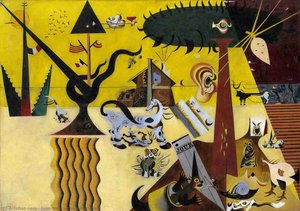
على مدار الثلاثينيات والأربعينيات من القرن الماضي، طور خوان ميرو مفرداته المرئية المميزة - عالم يسكنه أشكال بيومورفية وأشكال عائمة وألوان نابضة بالحياة. "المزرعة" (1922)، التي تعتبر غالبًا حجر الزاوية في أعماله، تجسد هذا الانتقال. إنها ليست مجرد تصوير للحياة الريفية ولكنها استحضار للهوية الكتالونية وتمثيل رمزي للعالم الطبيعي. أدت روحه التعاونية إلى تقنيات مبتكرة مثل *grattage*، التي ركز على تطويرها مع ماكس إرنست في عام 1926 لتصاميم مخصصة لباليه سيرغي ديياجليف، حيث تم الكشف عن القوام عن طريق كشط الطلاء عبر اللوحة. أظهرت سلسلة "المرآب الداخلي" (1928) قدرته على إعادة تفسير الأساتذة القدماء من خلال جمالية حديثة متميزة، وتحويل المشاهد المنزلية إلى تجريدات حالمة. "لوحة" (1933)، بألوانها الجريئة وأشكالها المبسطة، تجسد استكشاف ميرو للاوعي ورفضه للحدود الفنية التقليدية. تتجاوز أعماله الرسم، حيث جرب بشجاعة النحت والسيراميك والطباعة، وتوسيع آفاقه الإبداعية وإظهار تعدد الاستخدامات المذهل.الإرث والتأثير الدائم
إن تأثير خوان ميرو على فن القرن العشرين لا يمكن إنكاره. لم يكن مجرد رسام فحسب؛ بل كان صاحب رؤية تحدت تعريف التعبير الفني نفسه. لقد مهد الطريق للتعبير عن التجريديات ويثير باستمرار الفنانين عبر التخصصات المختلفة. أسس اثنين من المؤسسات - مؤسسة خوان ميرو في برشلونة (1975) ومؤسسة بيلار وخوان ميرو في بالما دي مايوركا (1981) - مما يضمن استمرار إرثه، وتوفير مساحات للاستكشاف الفني والتعليم. طوال حياته المهنية الطويلة، ظل ملتزمًا بدفع الحدود والتحدي للتقاليد واستكشاف أعماق الخيال البشري. عمل ميرو هو شهادة على قوة التجريد والرمزية والتعبير الشعري - احتفال نابض بالحياة بالحياة والأحلام وروح الثقافة الكتالونية الدائمة. يستمر عمله في صدى لدى الجماهير حول العالم، ويدعونا إلى دخول عالم حيث كل شيء ممكن وتتلاشى الحدود بين الواقع والخيال في رقصة آسرة من الألوان والأشكال.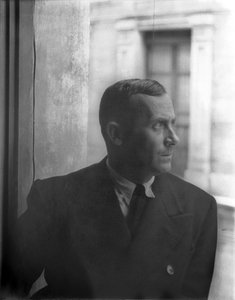
خوان ميرو
1893 - 1983 , إسبانيا
لمحة سريعة
- Artistic Movement Or Style: الفن السريالي
- Artists Who Influenced This Artist: ['باولو بيكاسو']
- Date Of Birth: ٢٠ أبريل ١٨٩٣
- Date Of Death: ٢٥ ديسمبر ١٩٨٣
- Full Name: جوان ميرو إي فرنا
- Nationality: إسبانية
- Notable Artworks:
- المزرعة
- داخل هولندا
- Place Of Birth: برشلونة، إسبانيا
مقالات ذات صلة
Surrealist Painting Masterpieces: 10 Artworks That Redefined Reality | OriginalUniqueArt
Journey into the dreamlike world of Surrealism! Explore 10 masterpieces by Dali, Magritte & Miró that redefined art. Discover their stories & find museum-quality reproductions to elevate your home decor on OriginalUniqueArt.com.
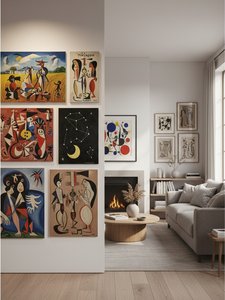
أعمال خوان ميرو الخالدة: 25 تحفة فنية تزين منزلك بجمال السريالية
اكتشف 25 تحفة فنية لخوان ميرو، رائد الفن السريالي. استكشف قصص لوحاته الملونة وأسلوبه الفريد. احصل على نسخ عالية الجودة لديكور منزلي فاخر. اكتشف جميع الروائع على OriginalUniqueArt.com

أعمال بول سيزان الخالدة: 25 تحفة فنية تزين منزلك بجمال الألوان والضوء
اكتشف 25 تحفة فنية لبول سيزان، رائد الانطباعية وما بعد الانطباعية. استكشف قصص لوحاته الزيتية الشهيرة وألوانه الجريئة وتقنياته الفريدة. احصل على إلهام لديكور منزلك الفاخر مع OriginalUniqueArt.com.

أكثر 10 روائع فنية حدّدت حركة التجريد الهندسي | OriginalUniqueArt.com
اكتشف 10 روائع فنية غيرت مسار التجريد الهندسي! تعرف على بيكاسو، موندريان وماليفيتش وغيرهم. لوحات أصلية وإعادة إنتاج فاخرة لديكور عصري. استلهم منزلك مع OriginalUniqueArt.com

أعمال فيرناند ليجر الخالدة: 25 تحفة فنية تزين منزلك بلمسة عصرية
اكتشف 25 تحفة فنية لفيرناند ليجر، رائد الت تكعيبية والفن الحديث. استكشف قصص لوحاته الجريئة وألوانها المميزة وتأثيرها على عالم الديكور والتصميم الداخلي. احصل على نسخ عالية الجودة من أعمال ليجر الأصلية على OriginalUniqueArt.com.