

 معاينة الحجم الواقعي
 إرسال
إرسال مشاركة
 عرض التفاصيل
 دليل الأعمال الفنية للطلاب

 تحميل
تحميل
 قطع مشابهة
 الأشعة السينية
 عرض شرائح متتابع
 الإحصائيات
The Four Elements: Fire
 Oil On Canvas
- WallArt
- Northern Renaissance
 1570
1570 158.0 x 215.0 cm
 المعرض الوطني
 اقرأ المزيد
طباعة جيلي / مطبوعات فنية
طباعة جيكلي أو كانفاس بجودة المتاحف، مع سرعة في التنفيذ وخيارات متنوعة للتشطيب. ( اطلب نسخة مرسومة يدويًا التحويل إلى الصورة الرقمية)




P118B E£10

P118H E£10

P118W E£10

P438Z E£10

P508JH E£12

P508YH E£12

P805H E£10

P805Z E£10

P919BZ E£10

P919G E£10

P919XJ E£10

P959ZH E£10

P968JZ E£12

W106C E£8

W218G E£10

W218JH E£8

W218Y E£10

W307PJ E£10

W316G E£10

W316PJ E£8

W316Y E£10

W398PJ E£8

W4111J E£10

W500HY E£15

W500JH E£15

W692G E£12

W849H E£8

W940BG E£15

W953PJ E£8




اختر من بين أحجامنا المُعدّة مسبقاً والتي تتوافق مع النسب الأصلية للعمل الفني.

أدخل العرض والارتفاع اللذين تحتاجهما، ليتناسب مع إطارك أو جدارك. يمكن قص المطبوعة فقط، ولا يمكن أبداً جعلها أكبر من الصورة الأصلية، لذا فإن أي مقاس بشكل مختلف سيؤدي إلى فقدان جزء من الصورة. سنرسل لك نموذجاً رقمياً تجريبياً لاعتماده قبل البدء في عملية الطباعة. الصورة المعروضة في هذه الصفحة لا توضح القص الفعلي — النموذج التجريبي فقط هو ما يظهر ذلك.
توصيل عالمي إلى خلال أسبوعين بدلاً من المدة القياسية البالغة 4/5 أسابيع. (23 أكتوبر)

شحن سريع ومجاني لجميع أنحاء العالم

قماش كتان فاخر

تأمين شامل على الشحن

ضمان استرداد الرسوم الجمركية

ضمان دقة مطابقة الألوان

سياسة الإرجاع خلال 100 يوم (في حالات العيوب فقط)

ضمان استرداد نقدي بنسبة 100%

عرض خصم الكميات
 خيار الزجاج متاح فقط للمقاسات التي تقل عن 110 سم

The Four Elements: Fire
طباعة جيلي / مطبوعات فنية
مقاس النسخة المطبوعة
-


إجمالي السعر
E£ 4136
A Kitchen’s Revelation: Joachim Beuckelaer and the Dawn of Still Life
Joachim Beuckelaer's "The Four Elements: Fire" isn’t merely a depiction of a bustling 16th-century kitchen; it’s a carefully constructed tableau, a microcosm of daily life imbued with subtle symbolism and a burgeoning artistic ambition. Born in Antwerp around 1533, Beuckelaer emerged from the vibrant artistic milieu of his family – his father, Mattheus Beuckeleer, and uncle, Pieter Aertsen – to become a master of scenes that elevated the commonplace to an extraordinary level. Unlike earlier depictions of domesticity, which often prioritized religious narrative, Beuckelaer’s kitchen scenes, and indeed this particular “Fire,” began to shift the focus towards observing and celebrating the tangible realities of existence itself. This wasn't simply painting what he saw; it was a deliberate act of elevation, laying crucial groundwork for the eventual development of still life as an independent genre within art history.
The painting immediately draws the eye with its astonishing detail – twelve figures are present, engaged in a symphony of activity: cooking, eating, preparing ingredients. Bowls overflow with produce, knives gleam on tables, and the presence of an oven and sink anchors the scene to the practicalities of daily life. However, it’s not just the abundance that captivates; it's the arrangement, the carefully considered placement of objects, and the subtle interplay of light and shadow that create a sense of palpable realism. Beuckelaer’s skill lies in his ability to render textures – the rough grain of wood, the sheen of polished metal, the plumpness of fruit – with an almost photographic precision.
The Language of Elements: Symbolism Within the Scene
“Fire” is one of a set of four paintings exploring the classical elements—Earth, Water, Air, and Fire—and Beuckelaer masterfully integrates these themes into his everyday subject matter. The title itself immediately establishes this elemental framework. Beyond the immediate depiction of a kitchen scene, the painting operates as a complex allegory. The central focus – the preparation of food over an open fire – is inherently linked to the element of Fire, but Beuckelaer doesn’t stop there. Look closely, and you'll notice subtle references to the other elements woven throughout the composition. The abundance of fruits and vegetables speaks to Earth, while the presence of water (in the sink and implied in the cooking process) represents Water. Even the figures themselves contribute to the overall narrative – their actions and gestures subtly reinforce the elemental themes.
Crucially, Beuckelaer doesn’t simply depict these elements; he juxtaposes them with a dramatic backdrop: a meticulously constructed architectural scene featuring Christ, Martha, and Mary in the House of Bethany. This pairing is not arbitrary. It represents a deliberate contrast between the earthly pleasures of the senses – represented by the kitchen scene—and the spiritual realm. The inclusion of biblical figures serves as a moral compass, reminding viewers to temper their desires with faith and virtue. The arrangement of objects within the kitchen itself can be interpreted as a symbolic representation of temptation and restraint.
A Pioneering Technique: Perspective and Illusion
What truly distinguishes “The Four Elements: Fire” is Beuckelaer’s innovative use of perspective and illusionistic techniques. The scene feels remarkably three-dimensional, despite being painted on a relatively flat wooden panel. He employs multiple vanishing points to create the impression of depth and space, drawing the viewer into the heart of the kitchen. This masterful manipulation of perspective was groundbreaking for its time, pushing the boundaries of realism in Northern European painting. The sheer number of objects depicted – bowls, utensils, foodstuffs—further enhances this illusionistic effect, creating a sense of overwhelming abundance that is both captivating and slightly disorienting.
Furthermore, Beuckelaer’s attention to detail extends beyond mere representation; he imbues his figures with a remarkable degree of personality. Each individual seems engaged in their own activity, contributing to the overall dynamism of the scene. This level of realism was unprecedented for its time and demonstrates Beuckelaer's exceptional skill as an artist.
A Window into a World Transformed
“The Four Elements: Fire” is more than just a painting; it’s a snapshot of a rapidly changing world. As the Renaissance progressed, artists began to move away from solely religious subjects and towards depicting scenes of everyday life with increasing realism and attention to detail. Beuckelaer's work stands as a pivotal moment in this transition, marking a shift towards a more secular and humanistic approach to art. Reproductions of this captivating piece offer a unique glimpse into the domestic life of 16th-century Antwerp, while simultaneously revealing the burgeoning artistic ambition that would ultimately shape the course of Western art history. It’s a testament to Beuckelaer's ability to transform the mundane into the magnificent.
الأسئلة والأجوبة
هل يُعرف يواكيم بوكيلير، مبدع "The Four Elements: Fire"، بأسماء أخرى؟
يُعرف يواكيم بوكيلير أيضاً باسم Joachim Bueckelaer, Ioachimus Bueckelaer, Joachim, Joachim Beuckelaer.
هل يستخدم "The Four Elements: Fire" للفنان يواكيم بوكيلير تباينات قوية أم تناغمات ناعمة؟
تجمع التكوينات اللونية في "The Four Elements: Fire" للفنان يواكيم بوكيلير بين تباين Gentle وتناغم Strong Color Unity.
ما مدى قوة التباين في "The Four Elements: Fire" للفنان يواكيم بوكيلير؟
مستوى التباين في "The Four Elements: Fire" للفنان يواكيم بوكيلير هو Gentle.
نبذة عن الفنان
حياة غارقة في تفاصيل اليومي: يواكيم بوكيل وفجر الطبيعة الصامتة
ربما لا يحظى اسم يواكيم بوكيل بنفس الشهرة الفورية التي نالها معاصروه، إلا أنه يحتل مكانة محورية في تاريخ الرسم الفلمنكي. ولد بوكيل حوالي عام 1533 في مدينة أنتويرب، التي كانت آنذاك تنبض بالابتكار الفني، وبرز كأستاذ في تصوير مشاهد تعكس العالم الصاخب للأسواق والمطابخ. لم تكن هذه اللوحات مجرد تصوير للحياة اليومية، بل كانت سرديات صيغت بعناla لترتبط بخيوط دقيقة من الرمزية الدينية، مما أعلن عن تحول في التركيز الفني؛ وهو انتقال نحو مراقبة والاحتفاء بالواقع الملموس للوجود جنباً إلى جنب مع الموضوعات الروحانية التقليدية. لم يكن بوكيل يكتفي بمجرد رسم ما يراه، بل كان يرتقي بالأشياء العادية إلى مستوى يستحق الاهتمام الفني، واضعاً بذلك الحجر الأساس لتطور فن الطبيعة الصامتة كنوع فني مستقل. وقد وفر له خلفيته العائلية المتجذرة في الفن —حيث كان والده ماتيوس بوكيل وعمه بيتر آرتسن من الرسامين المرموقين— فرصة مبكرة للاحتكاك بالخبرة والتدريب، فمن داخل مرسم عمه، صقل مهاراته مستوعباً النهج الرائد لآرتسن في تصوير مشاهد الأسواق، قبل أن يتفوق عليه في النهاية في البراعة التقنية وفن السرد المليء بالتفاصيل.مرسم أنتويرب والتطور الفني
كانت أنتويرب خلال القرن السادس عشر مركزاً حيوياً للتجارة والثقافة، ويعكس فن بوكيل هذه الطاقة المتدفقة. فقد أصبح أستاذاً مستقلاً في نقابة القديس لوقا عام 1560، مما رسخ مكانته داخل المجتمع الفني. ومع ذلك، لم يكتفِ بمحاكاة أسلوب آرتسن، بل قام بتنقيحه وإضافة طبقات من التعقيد والتفان في التفاصيل. وبينما كان آرتسن يقدم غالباً وفرة تتسم بنوع من الفوضى، جلب بوكيل إحساساً أكبر بالنظام والوضوح إلى تكويناته؛ حيث رتب مشاهده بدقة متناهية، وصور كل عنصر ببراعة مذهلة —من لمعان حراشف الأسماك، إلى امتلاء الثمار، وصولاً إلى بريق الأواني المعدنية. ولم يكن هذا التفاني في الواقعية مجرد مهارة تقنية، بل كان يهدف إلى إضفاء حضور ومعنى على هذه الأشياء اليومية. وتبرز سلسلة العناصر الأربعة كشاهد على هذا النهج، وهي مجموعة من اللوحات التي تصور أسواق الأسماك وتحتفي في آن واحد بوفرة الطبيعة وتلمح بذكاء إلى القصص الكتابية، حيث تمثل اثنا عشر نوعاً من الأسماك الرسل ومعجزة المسيح في تكثير الخبز والسمك التي تتجلى في الخلفية. هذه القدرة على المزج السلس بين ما هو دنيوي وما هو مقدس أصبحت سمة مميزة لأعماله.المطابخ كلوحات فنية: الرمزية والسرد
بعيداً عن مشاهد الأسواق، برع بوكيل أيضاً في تصوير المطابخ —تلك المساحات المفعمة بالنشاط والإمكانات الرمزية. وتعد لوحته مشهد مطبخ مع المسيح في عمواس، على سبيل المثال، نموذجاً صارخاً لنهجه المبتكر؛ فهو لا يكتفي بتصوير القصة الكتابية كمشهد منفصل، بل يدمجها مباشرة في البيئة الصاخبة للمطبخ حيث تجري التحضيرات لوجبة الطعام. هذا التجاور يخلق إحساساً قوياً بالواقعية ويدعو المشاهد للتأمل في الأهمية الروحية للأفعال اليومية. ولم تكن وفرة الطعام في هذه المشاهد مجرد عنصر زخرفي، بل كانت تحمل غالباً ثقلاً رمزياً —تمثل الرخاء، أو الخصوبة، أو حتى الإغواء. تكمن مهارة بوكيل في قدرته على إضفاء طبقات من المعنى على هذه الأماكن التي تبدو عادية، محولاً إياها إلى سرديات بصرية آسرة. كما غامر أيضاً في تكوينات الطبيعة الصامتة البحتة، مثل لوحة طبيعة صامتة لجثة حيوان (1563)، والتي تُعتبر واحدة من أقدم الأمثلة المؤرخة لهذا الموضوع، مما أظهر مزيداً من إتقانه للتفاصيل والواقعية ودفع حدود التقاليد الفنية.الإرث والتأثير: جسر نحو آفاق فنية جديدة
امتد تأثير يواكيم بوكيل إلى ما هو أبعد من حياته الخاصة، حيث مهدت تصويراته الدقيقة للحياة اليومية الطريق لجيل جديد من الفنانين الذين استكشفوا المزيد من إمكانيات رسم الطبيعة الصامتة. ففنانون مثل فرانس سنيدرز، المعروف بعروضه الفاخرة والمتقنة للطعام، بنوا مباشرة على الأسس التي وضعها بوكيل. ولم يقتصر تأثيره على شمال أوروبا فحسب، بل تردد صدى أعماله أيضاً لدى الرسامين الإيطاليين مثل فينتشينزو كامبي، مما يثبت الجاذبية الواسعة لنهجه المبتكر. ومن خلال نقل التركيز من الموضوعات الدينية في المقام الأول نحو موضوعات أكثر دنيوية —مع الاحتفاظ بتيار روحي خفي— لعب بوكيل دوراً حاسماً في تحويل الفن الفلمنكي واستشراف الاتجاهات الفنية التي ستحدد ملامح القرون القادمة. لقد رحل عن عالمنا حوالي عام 1573، تاركاً وراءه إرثاً من الأعمال التي لا تزال تأسر الألباب وتلهمنا، لتذكرنا بالجمال والمعنى الكامنين في اللحظات العادية من حياتنا.
يواكيم بوكيلير
1533 - 1573 , بلجيكا
لمحة سريعة
- Artistic Movement Or Style: فن عصر النهضة
- Artists Or Movements Influenced By This Artist:
- فرانس سنايدرز
- فينسينزو كامبي
- Artists Who Influenced This Artist: ['بيتر آرتسن']
- Date Of Birth: حوالي 1533
- Date Of Death: حوالي 1573
- Full Name: يواكيم بوكيلاير
- Nationality: فلمنكي
- Notable Artworks:
- سلسلة العناصر الأربعة
- مشهد المطبخ مع المسيح
- طبيعة صامتة لذبيحة
- Place Of Birth: أنتويرب، بلجيكا
مقالات ذات صلة

Silent Narratives: Exploring the Enduring Appeal of Still Life Painting Across Centuries
Explore the rich history of still life painting with OriginalUniqueArt. Discover Dutch Masters, decode vanitas symbolism & learn about collecting timeless art. Expert insights and museum-quality reproductions.
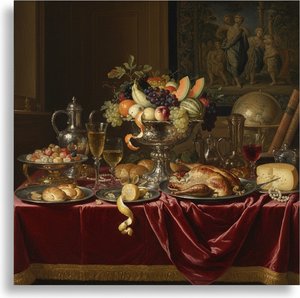
Abraham Hendricksz van Beyeren: Pioneering Dutch Still Life & the Banquet Tradition
Explore the captivating world of Dutch Golden Age still life with Abraham van Beyeren. Discover his innovative techniques, symbolic banquet scenes & lasting influence on art history. Learn about collecting these masterpieces.
The Enduring Appeal of Still Life: A Historical & Contemporary Exploration
Explore the rich history & symbolism of still life painting with OriginalUniqueArt. Discover masterpieces from the Dutch Golden Age, learn about vanitas art, and find expert guidance for collecting timeless artworks.
Clyfford Still's Abstract Expressionism: A Study of Color, Form & the Existential Landscape
Explore the profound world of Clyfford Still's Abstract Expressionism with OriginalUniqueArt. Discover his unique style, existential themes & investment potential. Expert analysis for discerning collectors.
Gastronomic Canvas: Culinary Aesthetics & Artistic Representation for Hotel Design
Explore the captivating intersection of culinary arts & artistic representation for hotel design. Discover techniques to elevate dining experiences through visual harmony, composition, and inspiration from classic still life painting.
