

 معاينة الحجم الواقعي
 إرسال
إرسال مشاركة
 عرض التفاصيل
 دليل الأعمال الفنية للطلاب

 تحميل
تحميل
 قطع مشابهة
 الأشعة السينية
 عرض شرائح متتابع
 الإحصائيات
The Four Elements: Fire
 Oil On Canvas
- WallArt
- Early Netherlandish Painting
 1570
1570 158.0 x 216.0 cm
 المعرض الوطني
 اقرأ المزيد
نسخة زيتية مصنوعة يدوياً
لوحة زيتية مرسومة يدوياً على الكانفاس بالمقاس والإطار الذي تفضله، تُنفذ حسب الطلب على أيدي فنانينا. ( التبديل إلى المطبوعات التحويل إلى الصورة الرقمية)




P118B E£10

P118H E£10

P118W E£10

P438Z E£10

P508JH E£12

P508YH E£12

P805H E£10

P805Z E£10

P919BZ E£10

P919G E£10

P919XJ E£10

P959ZH E£10

P968JZ E£12

W106C E£8

W218G E£10

W218JH E£8

W218Y E£10

W307PJ E£10

W316G E£10

W316PJ E£8

W316Y E£10

W398PJ E£8

W4111J E£10

W500HY E£15

W500JH E£15

W692G E£12

W849H E£8

W940BG E£15

W953PJ E£8




اختر من بين أحجامنا المُعدّة مسبقاً والتي تتوافق مع النسب الأصلية للعمل الفني.

أدخل العرض والارتفاع اللذين تحتاجهما، ليتناسب العمل مع إطارك أو جدارك. وبما أن هذه اللوحة مرسومة يدوياً، ففي حال اختيار مقاس بشكل مختلف، يمكن للفنان رسم مساحة إضافية حول الصورة أو تقليصها قليلاً — الخيار لك. سنرسل لك نموذجاً رقمياً تجريبياً لاعتماده قبل البدء في الرسم. علماً بأن الصورة المعروضة في هذه الصفحة لا تعكس النتيجة النهائية الحقيقية — فالنموذج التجريبي هو الوحيد الذي يوضح ذلك بدقة.
بعد إتمام الطلب، سيرسل فريق OriginalUniqueArt.com بريداً إلكترونياً للعميل لطلب التعليمات وتزويده بمعاينة تجريبية (mockup).
توصيل عالمي إلى خلال 3 إلى 4 أسابيع بدلاً من المدة المعتادة البالغة 5 أسابيع. (22 أكتوبر). جودة لا تهاون فيها.

شحن سريع ومجاني لجميع أنحاء العالم

قماش كتان فاخر

تأمين شامل على الشحن

ضمان استرداد الرسوم الجمركية

ضمان دقة مطابقة الألوان

سياسة الإرجاع خلال 100 يوم (في حالات العيوب فقط)

ضمان استرداد نقدي بنسبة 100%

عرض خصم الكميات
 خيار الزجاج متاح فقط للمقاسات التي تقل عن 110 سم

The Four Elements: Fire
وسيط إعادة الإنتاج
مقاس النسخة المطبوعة
-


إجمالي السعر
E£ 15490
Joachim Beuckelaer: A Pioneer of Domestic Narrative
Joachim Beuckelaer’s “The Four Elements: Fire” stands as an arresting testament to the burgeoning fascination with observation and representation that characterized Flemish painting in its twilight years. Born around 1533 in Antwerp, a city brimming with artistic fervor during the High Renaissance, Beuckelaer emerged not merely as a painter but as a storyteller—one who elevated the commonplace kitchen scene into a profound meditation on life’s rhythms and spiritual contemplation. Unlike many of his contemporaries preoccupied with grand mythological narratives or religious iconography alone, Beuckelaer skillfully blended these traditions with an unprecedented sensitivity to everyday existence, establishing crucial groundwork for the emergence of still life art as a distinct genre. This wasn't simply about depicting what was seen; it was about capturing the essence of human experience within a carefully constructed visual universe—a feat achieved through masterful technique and imbued with subtle symbolic resonance.- Subject Matter: The painting portrays a woman diligently preparing food in a domestic setting, surrounded by assisting figures engaged in similar activities. Alongside her are various culinary implements – bowls, knives, spoons – alongside an array of birds perched upon shelves and tables, creating a vibrant tableau that speaks to the vitality of daily life.
- Style: Beuckelaer’s style is distinctly Mannerist, characterized by elongated figures, stylized poses, and dramatic perspective constructions. These stylistic choices reflect a broader artistic trend away from idealized beauty towards expressive distortion—a deliberate departure from Renaissance conventions that signaled a new emphasis on psychological realism.
- Technique: Executed in oil on canvas, “The Four Elements” demonstrates Beuckelaer’s exceptional skill in achieving luminous color palettes and conveying textural detail. The artist employed meticulous glazing techniques to build up layers of pigment—a hallmark of Flemish painting—resulting in a surface that possesses remarkable depth and luminosity.
Historical Context: Iconoclasm and the Shifting Artistic Landscape
“The Four Elements” was created during a period of intense religious upheaval known as the Beeldenstorm (“Storm of Images”), which erupted across the Netherlands in 1566. This tumultuous episode witnessed fervent Calvinist zealots dismantling statues and paintings deemed idolatrous—a direct challenge to Catholic dogma and artistic patronage. Amidst this climate of uncertainty and destruction, Beuckelaer’s work represents a defiant assertion of humanist values—specifically the celebration of earthly beauty and sensory experience—as opposed to solely focusing on spiritual transcendence. The painting's inclusion of biblical references serves as a subtle counterpoint to the iconoclasm, suggesting that artistic contemplation could coexist with religious faith without compromising its integrity.- Symbolism: The central figure preparing food embodies the nurturing role of womanhood and symbolizes the provision of sustenance—both physical and spiritual—essential for human flourishing. Furthermore, the birds scattered throughout the scene represent freedom and vitality, mirroring the biblical allegory of Noah’s Ark—a symbol of deliverance from impending doom and renewal after catastrophe.
- Perspective: Beuckelaer skillfully utilized multiple vanishing points to create a dramatic illusionistic space that draws the viewer into the depicted environment. This technique—characteristic of Mannerist painting—was employed to heighten emotional impact and convey a sense of grandeur, reflecting the artistic ambitions of the era.
Emotional Impact: A Momentary Pause for Reflection
“The Four Elements” transcends mere visual representation; it invites contemplation on themes of domestic harmony, human connection, and the enduring power of nature—themes that resonate deeply with viewers today. The painting’s luminous color palette evokes warmth and comfort—creating a serene atmosphere conducive to introspection. Moreover, Beuckelaer's masterful depiction of texture—particularly in the rendering of fabrics and foodstuffs—stimulates tactile sensation and engages the viewer’s senses on an emotional level. Ultimately, “The Four Elements” serves as a poignant reminder that beauty can be found in the simplest of moments—a lesson conveyed with remarkable eloquence by one of Flanders' most innovative artists.Conclusion: Legacy of Observation and Artistic Innovation
Joachim Beuckelaer’s “The Four Elements” remains an enduring masterpiece—a pivotal work that solidified his reputation as a pioneer of domestic narrative and foreshadowed the transformative influence of Mannerist painting on subsequent artistic developments. Its meticulous technique, astute symbolism, and profound emotional impact continue to inspire artists and collectors alike—affirming Beuckelaer's place among the giants of Flemish art history.الأسئلة والأجوبة
كم كان عمر يواكيم بوكيلير عندما أُبدع العمل "The Four Elements: Fire"؟
عندما أُبدع العمل "The Four Elements: Fire" في عام 1570، كان عمر الفنان يواكيم بوكيلير - المولود في 1533 - هو 37 عاماً.
ما هو الحجم الموصى به لطباعة "The Four Elements: Fire"؟
حجم الطباعة الموصى به لعمل "The Four Elements: Fire" للفنان يواكيم بوكيلير هو Medium.
هل يوجد دليل لـ "The Four Elements: Fire" للفنان يواكيم بوكيلير؟
يُعد دليل "The Four Elements: Fire" هو صفحة دليل تعليمي الخاصة بالعمل الفني - وهي ورقة حقائق قابلة للطباعة تعرض العمل الفني مع شرحه، وسطر الائتمان، وجدول البيانات التعريفية (الفنان، التواريخ، الوسيط، الحجم الأصلي، والمجموعة).
نبذة عن الفنان
حياة غارقة في تفاصيل اليومي: يواكيم بوكيل وفجر الطبيعة الصامتة
ربما لا يحظى اسم يواكيم بوكيل بنفس الشهرة الفورية التي نالها معاصروه، إلا أنه يحتل مكانة محورية في تاريخ الرسم الفلمنكي. ولد بوكيل حوالي عام 1533 في مدينة أنتويرب، التي كانت آنذاك تنبض بالابتكار الفني، وبرز كأستاذ في تصوير مشاهد تعكس العالم الصاخب للأسواق والمطابخ. لم تكن هذه اللوحات مجرد تصوير للحياة اليومية، بل كانت سرديات صيغت بعناla لترتبط بخيوط دقيقة من الرمزية الدينية، مما أعلن عن تحول في التركيز الفني؛ وهو انتقال نحو مراقبة والاحتفاء بالواقع الملموس للوجود جنباً إلى جنب مع الموضوعات الروحانية التقليدية. لم يكن بوكيل يكتفي بمجرد رسم ما يراه، بل كان يرتقي بالأشياء العادية إلى مستوى يستحق الاهتمام الفني، واضعاً بذلك الحجر الأساس لتطور فن الطبيعة الصامتة كنوع فني مستقل. وقد وفر له خلفيته العائلية المتجذرة في الفن —حيث كان والده ماتيوس بوكيل وعمه بيتر آرتسن من الرسامين المرموقين— فرصة مبكرة للاحتكاك بالخبرة والتدريب، فمن داخل مرسم عمه، صقل مهاراته مستوعباً النهج الرائد لآرتسن في تصوير مشاهد الأسواق، قبل أن يتفوق عليه في النهاية في البراعة التقنية وفن السرد المليء بالتفاصيل.مرسم أنتويرب والتطور الفني
كانت أنتويرب خلال القرن السادس عشر مركزاً حيوياً للتجارة والثقافة، ويعكس فن بوكيل هذه الطاقة المتدفقة. فقد أصبح أستاذاً مستقلاً في نقابة القديس لوقا عام 1560، مما رسخ مكانته داخل المجتمع الفني. ومع ذلك، لم يكتفِ بمحاكاة أسلوب آرتسن، بل قام بتنقيحه وإضافة طبقات من التعقيد والتفان في التفاصيل. وبينما كان آرتسن يقدم غالباً وفرة تتسم بنوع من الفوضى، جلب بوكيل إحساساً أكبر بالنظام والوضوح إلى تكويناته؛ حيث رتب مشاهده بدقة متناهية، وصور كل عنصر ببراعة مذهلة —من لمعان حراشف الأسماك، إلى امتلاء الثمار، وصولاً إلى بريق الأواني المعدنية. ولم يكن هذا التفاني في الواقعية مجرد مهارة تقنية، بل كان يهدف إلى إضفاء حضور ومعنى على هذه الأشياء اليومية. وتبرز سلسلة العناصر الأربعة كشاهد على هذا النهج، وهي مجموعة من اللوحات التي تصور أسواق الأسماك وتحتفي في آن واحد بوفرة الطبيعة وتلمح بذكاء إلى القصص الكتابية، حيث تمثل اثنا عشر نوعاً من الأسماك الرسل ومعجزة المسيح في تكثير الخبز والسمك التي تتجلى في الخلفية. هذه القدرة على المزج السلس بين ما هو دنيوي وما هو مقدس أصبحت سمة مميزة لأعماله.المطابخ كلوحات فنية: الرمزية والسرد
بعيداً عن مشاهد الأسواق، برع بوكيل أيضاً في تصوير المطابخ —تلك المساحات المفعمة بالنشاط والإمكانات الرمزية. وتعد لوحته مشهد مطبخ مع المسيح في عمواس، على سبيل المثال، نموذجاً صارخاً لنهجه المبتكر؛ فهو لا يكتفي بتصوير القصة الكتابية كمشهد منفصل، بل يدمجها مباشرة في البيئة الصاخبة للمطبخ حيث تجري التحضيرات لوجبة الطعام. هذا التجاور يخلق إحساساً قوياً بالواقعية ويدعو المشاهد للتأمل في الأهمية الروحية للأفعال اليومية. ولم تكن وفرة الطعام في هذه المشاهد مجرد عنصر زخرفي، بل كانت تحمل غالباً ثقلاً رمزياً —تمثل الرخاء، أو الخصوبة، أو حتى الإغواء. تكمن مهارة بوكيل في قدرته على إضفاء طبقات من المعنى على هذه الأماكن التي تبدو عادية، محولاً إياها إلى سرديات بصرية آسرة. كما غامر أيضاً في تكوينات الطبيعة الصامتة البحتة، مثل لوحة طبيعة صامتة لجثة حيوان (1563)، والتي تُعتبر واحدة من أقدم الأمثلة المؤرخة لهذا الموضوع، مما أظهر مزيداً من إتقانه للتفاصيل والواقعية ودفع حدود التقاليد الفنية.الإرث والتأثير: جسر نحو آفاق فنية جديدة
امتد تأثير يواكيم بوكيل إلى ما هو أبعد من حياته الخاصة، حيث مهدت تصويراته الدقيقة للحياة اليومية الطريق لجيل جديد من الفنانين الذين استكشفوا المزيد من إمكانيات رسم الطبيعة الصامتة. ففنانون مثل فرانس سنيدرز، المعروف بعروضه الفاخرة والمتقنة للطعام، بنوا مباشرة على الأسس التي وضعها بوكيل. ولم يقتصر تأثيره على شمال أوروبا فحسب، بل تردد صدى أعماله أيضاً لدى الرسامين الإيطاليين مثل فينتشينزو كامبي، مما يثبت الجاذبية الواسعة لنهجه المبتكر. ومن خلال نقل التركيز من الموضوعات الدينية في المقام الأول نحو موضوعات أكثر دنيوية —مع الاحتفاظ بتيار روحي خفي— لعب بوكيل دوراً حاسماً في تحويل الفن الفلمنكي واستشراف الاتجاهات الفنية التي ستحدد ملامح القرون القادمة. لقد رحل عن عالمنا حوالي عام 1573، تاركاً وراءه إرثاً من الأعمال التي لا تزال تأسر الألباب وتلهمنا، لتذكرنا بالجمال والمعنى الكامنين في اللحظات العادية من حياتنا.
يواكيم بوكيلير
1533 - 1573 , بلجيكا
لمحة سريعة
- Artistic Movement Or Style: فن عصر النهضة
- Artists Or Movements Influenced By This Artist:
- فرانس سنايدرز
- فينسينزو كامبي
- Artists Who Influenced This Artist: ['بيتر آرتسن']
- Date Of Birth: حوالي 1533
- Date Of Death: حوالي 1573
- Full Name: يواكيم بوكيلاير
- Nationality: فلمنكي
- Notable Artworks:
- سلسلة العناصر الأربعة
- مشهد المطبخ مع المسيح
- طبيعة صامتة لذبيحة
- Place Of Birth: أنتويرب، بلجيكا
مقالات ذات صلة
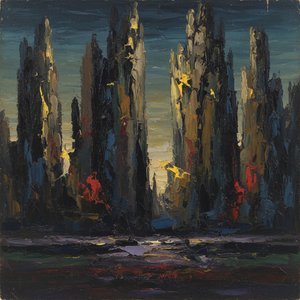
Clyfford Still's Abstract Expressionism: A Study of Color, Form & the Existential Landscape
Explore the profound world of Clyfford Still's Abstract Expressionism with OriginalUniqueArt. Discover his unique style, existential themes & investment potential. Expert analysis for discerning collectors.

تجديد الديكور الداخلي: كيف تُعيد اللوحات الجدارية تعريف المطابخ والحمامات
اكتشف كيف تُعيد اللوحات الجدارية تعريف مطبخك وحمامك! نصائح خبراء، أفكار إبداعية، وجداريات مخصصة تناسب ذوقك. حول مساحتك إلى تحفة فنية مع OriginalUniqueArt.
من الحياة الصامتة الكلاسيكية إلى التجريد المعاصر: الارتقاء بمساحات الضيافة في الفيلا من خلال إعادة إنتاج فنية راقية
ارتقِ بمساحات الضيافة في فيلتك مع إعادة إنتاج فنية راقية. اكتشف روائع فن الحياة الصامتة والكلاسيكية والمعاصرة. خبراء تصميم داخلي يقدمون استشارات مجانية لجمال لا يضاهى.

Silent Narratives: Exploring the Enduring Appeal of Still Life Painting Across Centuries
Explore the rich history of still life painting with OriginalUniqueArt. Discover Dutch Masters, decode vanitas symbolism & learn about collecting timeless art. Expert insights and museum-quality reproductions.
التوازن الجريء: دمج الفن التجريدي في الديكورات الكلاسيكية لخلق تناغم معاصر
اكتشف كيف تدمج الفن التجريدي ببراعة في الديكورات الكلاسيكية! نصائح الخبراء لاختيار اللوحات، الإطارات، والإضاءة لخلق تناغم معاصر وأنيق. دليل شامل لتجديد منزلك.
