

 معاينة الحجم الواقعي
 إرسال
إرسال مشاركة
 عرض التفاصيل
 دليل الأعمال الفنية للطلاب

 تحميل
تحميل
 قطع مشابهة
 الأشعة السينية
 عرض شرائح متتابع
 الإحصائيات
Circus Maximus


 اقرأ المزيد
نسخة زيتية مصنوعة يدوياً
لوحة زيتية مرسومة يدوياً على الكانفاس بالمقاس والإطار الذي تفضله، تُنفذ حسب الطلب على أيدي فنانينا. ( التبديل إلى المطبوعات التحويل إلى الصورة الرقمية)




P118B E£10

P118H E£10

P118W E£10

P438Z E£10

P508JH E£12

P508YH E£12

P805H E£10

P805Z E£10

P919BZ E£10

P919G E£10

P919XJ E£10

P959ZH E£10

P968JZ E£12

W106C E£8

W218G E£10

W218JH E£8

W218Y E£10

W307PJ E£10

W316G E£10

W316PJ E£8

W316Y E£10

W398PJ E£8

W4111J E£10

W500HY E£15

W500JH E£15

W692G E£12

W849H E£8

W940BG E£15

W953PJ E£8




اختر من بين أحجامنا المُعدّة مسبقاً والتي تتوافق مع النسب الأصلية للعمل الفني.

أدخل العرض والارتفاع اللذين تحتاجهما، ليتناسب العمل مع إطارك أو جدارك. وبما أن هذه اللوحة مرسومة يدوياً، ففي حال اختيار مقاس بشكل مختلف، يمكن للفنان رسم مساحة إضافية حول الصورة أو تقليصها قليلاً — الخيار لك. سنرسل لك نموذجاً رقمياً تجريبياً لاعتماده قبل البدء في الرسم. علماً بأن الصورة المعروضة في هذه الصفحة لا تعكس النتيجة النهائية الحقيقية — فالنموذج التجريبي هو الوحيد الذي يوضح ذلك بدقة.
بعد إتمام الطلب، سيرسل فريق OriginalUniqueArt.com بريداً إلكترونياً للعميل لطلب التعليمات وتزويده بمعاينة تجريبية (mockup).
توصيل عالمي إلى خلال 3 إلى 4 أسابيع بدلاً من المدة المعتادة البالغة 5 أسابيع. (22 أكتوبر). جودة لا تهاون فيها.

شحن سريع ومجاني لجميع أنحاء العالم

قماش كتان فاخر

تأمين شامل على الشحن

ضمان استرداد الرسوم الجمركية

ضمان دقة مطابقة الألوان

سياسة الإرجاع خلال 100 يوم (في حالات العيوب فقط)

ضمان استرداد نقدي بنسبة 100%

عرض خصم الكميات
 خيار الزجاج متاح فقط للمقاسات التي تقل عن 110 سم

Circus Maximus
وسيط إعادة الإنتاج
مقاس النسخة المطبوعة
-


إجمالي السعر
E£ 16781
Jean-Léon Gérôme’s “Circus Maximus”: A Spectacle of Power and Mortality
Jean-Léon Gérôme's "Circus Maximus," painted in 1876, isn’t merely a depiction of a Roman chariot race; it’s a meticulously crafted tableau vivant—a frozen moment brimming with the drama, spectacle, and underlying brutality of ancient Rome. This monumental oil painting transports the viewer directly into the heart of the Circus Maximus, offering an immersive experience that speaks volumes about power dynamics, social hierarchy, and the fleeting nature of life itself. Gérôme, a master of historical narrative, expertly blends meticulous realism with theatrical composition to create a scene both captivating and unsettling.
The painting’s subject matter—the chariot race—was a cornerstone of Roman entertainment, a carefully orchestrated display designed to appease the populace and reinforce imperial authority. However, Gérôme doesn't simply present a sporting event; he elevates it into a symbolic representation of Rome’s vast dominion. The sheer scale of the stadium, rendered with astonishing detail, emphasizes the empire’s reach and its capacity for immense public gatherings. The towering tiers of spectators, meticulously depicted in varying social strata – senators in their togas, wealthy merchants, and common citizens – underscore the rigid social structure that governed Roman society. Notice how Gérôme subtly uses color and shading to differentiate these groups, reinforcing their distinct positions within the hierarchy.
A Study in Realism and Academic Technique
Gérôme’s artistic approach is firmly rooted in the academic tradition of 19th-century French painting. He was a student of Paul Delaroche, known for his grand historical scenes, and this influence is evident in Gérôme's painstaking attention to detail and his commitment to accurately representing Roman architecture, clothing, and weaponry. The artist’s technique is characterized by smooth brushstrokes, carefully blended colors, and an almost photographic realism—a hallmark of the academic style. He employed a layering technique, building up textures through multiple thin applications of paint, creating a sense of depth and materiality that draws the viewer into the scene.
The use of light is particularly noteworthy. Gérôme masterfully employs chiaroscuro – the dramatic contrast between light and shadow – to heighten the sense of movement and excitement. The bright sunlight illuminating the racing chariots and the dust kicked up by their wheels sharply contrasts with the darker recesses of the stadium, creating a dynamic visual effect that captures the energy of the race. The artist’s ability to render the textures of the horses' coats, the polished metal of the chariots, and the rough stone of the stadium walls demonstrates his exceptional technical skill.
Symbolism and the Shadow of Mortality
Beyond its visual spectacle, “Circus Maximus” is laden with symbolic meaning. The painting subtly hints at the darker side of Roman entertainment—the casual acceptance of violence and death as part of the spectacle. The defeated charioteer, lying prone in the dust, represents the fragility of human life and the ultimate fate that awaits all participants in this brutal contest. The gesture of the spectators – a thumbs-down directed towards the fallen racer – is particularly poignant. This “pollice verso,” or turned thumb, was a signal of death, highlighting the precariousness of victory and the inevitability of mortality.
Furthermore, the inclusion of figures like the Vestal Virgins, meticulously depicted in their white robes, adds another layer of symbolism. These priestesses, dedicated to the service of Vesta – the goddess of hearth and home – represent the moral authority of Rome. Their disapproval of the violence underscores the tension between public entertainment and traditional Roman values. The painting, therefore, becomes a meditation on the complexities of power, spectacle, and the enduring human fascination with both life and death.
A Legacy in Reproduction and Artistic Influence
“Circus Maximus” achieved immediate success upon its exhibition and became one of Gérôme’s most celebrated works. Its popularity led to numerous reproductions, making it a familiar image throughout Europe and America. The painting's influence can be seen in the work of later artists, including Sargent and Cassatt, who were inspired by Gérôme’s dramatic compositions and his ability to capture the essence of historical scenes. Today, “Circus Maximus” remains a powerful testament to Gérôme’s artistic skill and his enduring fascination with the grandeur and brutality of ancient Rome—a captivating image that continues to resonate with viewers centuries after its creation.
الأسئلة والأجوبة
كيف يمكن استخدام "Circus Maximus" للفنان جان ليون جيروم في ديكور المنزل؟
يُنصح بوضع "Circus Maximus" للفنان جان ليون جيروم لغرض Statement، ويُفضل أن يكون ذلك في Living Room. إن الجمع بين طريقة الاستخدام والمساحة المتاحة يساعد في تحديد المكان الأمثل لوضع هذه النسخة الفنية.
ما مدى قوة التباين في "Circus Maximus" للفنان جان ليون جيروم؟
تُظهر لوحة "Circus Maximus" للفنان جان ليون جيروم تباينًا Statement بين مناطق الضوء والظلال فيها.
ما هو اللون الأكثر بروزاً في "Circus Maximus"؟
اللون الأكثر بروزاً في "Circus Maximus" هو White (#e7f1f4). ويعد اللون السائد مفيداً عند تنسيق العمل الفني مع التصميم الداخلي.
نبذة عن الفنان
A Master of Narrative Detail: The Life and Art of Jean-Léon Gérôme
Jean-Léon Gérôme, اسم مرادف للرسم الأكاديمي في فرنسا القرن التاسع عشر، لم يكن مجرد فني ماهر؛ بل كان راوي قصص أسره الجمهور بمشاهد دقيقة ومنمقة تعج بالدراما والسحر الغريب. ولد في فيزول عام 1824، وبدأت رحلته الفنية تحت إرشاد الفنان المحلي كلود-باسيل كاريج، مما وضع الأساس لمسيرة مهنية سترى فيها أنه أصبح على الأرجح الرسام الأكثر شهرة في عصره. بعد انتقاله إلى باريس في سن السادسة عشرة، درس في البداية تحت إشراف بول ديلا روش، وهو خبير في الرسم التاريخي، ثم التحق بمدرسة الفنون الجميلة، واستوعب مبادئ التدريب الكلاسيكي. ومع ذلك، تميز جيروم بسرعة ليس من خلال التقليد الأعمى ولكن من خلال مزيج مبتكر من الواقعية الدقيقة والسرد الدرامي - وهو المزيج الذي سيحدد أسلوبه الفريد. حقق نجاحًا مبكرًا مع *قتال الديكة* في عام 1847، مما أطلقه إلى الشهرة وأرساه كشخصية رائدة ضمن حركة النيو-غريك، التي سعت إلى إحياء الموضوعات الكلاسيكية باهتمام جديد بالتفاصيل الأثرية.من العظمة التاريخية إلى الرؤى الشرقية
كان نطاق جيروم الفني واسعًا بشكل ملحوظ. تعامل مع الموضوعات التاريخية ببراعة سينمائية تقريبًا، وغرسها بإحساس فوري وعمق نفسي. أظهر عموله الجدارية واسعة النطاق، *عصر أغسطس، ميلاد المسيح*، والتي كان من المفترض أن تكون استعارة مجاملة لنابليون الثالث، قدرته على التعامل مع التكوينات المعقدة والسرديات الكبرى. ومع ذلك، ربما في لوحاته الشرقية التي استحوذ جيروم حقًا على خيال الجمهور. مستوحاةً من رحلاته إلى تركيا ومصر وشمال إفريقيا، صور مشاهد من الحريم والأسواق الصاخبة والمناظر الطبيعية الصحراوية بغرابة آسرة وأثارت في بعض الأحيان الصور النمطية الإشكالية. أصبحت لوحات مثل *نساء الحريم يطعمن الحمائم في فناء* مشهورة جدًا، حيث قدمت للجمهور الأوروبي لمحة عن عالم يُنظر إليه على أنه غامض وحسي. لم تكن هذه الأعمال مجرد نسخ لما رآه؛ بل كانت خيالات مبنية بعناية، تجمع بين الملاحظة والخيال لخلق سرديات بصرية مقنعة. لم يكن يصوغ الشرق ببساطة؛ كان *يخلقه* للاستهلاك الغربي، وهي ممارسة ستجذب لاحقًا انتقادات ولكنها ساهمت بلا شك في انتشاره الواسع.معلم ومؤثر
بالإضافة إلى إنتاجه الفني الخاص، مارس جيروم تأثيرًا كبيراً كمدرس في مدرسة الفنون الجميلة. أصبحت ورشته أرضًا خصبة للأجيال القادمة من الفنانين، وجذبت الطلاب من جميع أنحاء أوروبا وأمريكا. من بين أبرز تلاميذه توماس إيكنز وجون سينجر سارجنت وماري كاسات - فنانون سيشكلون مساراتهم المتميزة بلا شك ولكن أسسهم تشكلت بلا شك بتدريب جيروم الصارم وتأكيده على المهارة التقنية. غرس فيهم التفاني في الرسم والتكوين وأهمية الدراسة من الحياة. بينما كانت وجهات نظره الفنية المحافظة تتعارض أحيانًا مع الحركات الطليعية الناشئة، كان تأثيره على تطور الفن الأمريكي، على وجه الخصوص، عميقًا. حمل طلابه مبادئه عبر الأطلسي، وأنشأوا ورش عمل خاصة بهم واستمروا في التقليد الأكاديمي.الإرث والجدل: ميراث فني معقد
توفي جان ليون جيروم في باريس عام 1904، تاركًا وراءه مجموعة واسعة من الأعمال التي تستمر في إثارة النقاش والجدل. في حين أن براعته التقنية لا يمكن إنكارها، يظل إرثه الفني معقدًا. أصبحت واقعيته الدقيقة، التي احتُفلت بها ذات يوم كقمة للإنجاز الأكاديمي، تُرى من قبل البعض على أنها خانقة ومفرطة في القلق بشأن المظاهر السطحية. تعرضت اللوحات الشرقية لانتقادات بسبب نظرتها الغريبة وتأكيدها على الصور النمطية الاستعمارية. ومع ذلك، من الضروري فهم جيروم في سياقه التاريخي. كان نتاج عصره، ويعكس المواقف والاهتمامات السائدة في المجتمع الأوروبي في القرن التاسع عشر. تقدم أعماله رؤى قيمة حول القلق الثقافي والخيال لتلك الحقبة، حتى أثناء تحديها لنا لفحص افتراضاتها الأساسية بشكل نقدي. اليوم، تُقدر لوحات جيروم ليس فقط لبريقتها التقنية ولكن أيضًا لقدرتها على نقل المشاهدين إلى زمن ومكان آخر، ودعوتهم للتأمل في تعقيدات التاريخ والثقافة والتمثيل.لحظات رئيسية في مسيرة مهنية رائعة
- 1824: ولد في فيزول، فرنسا.
- 1840: ينتقل إلى باريس للدراسة تحت إشراف بول ديلا روش.
- 1847: يحقق اعترافًا مبكرًا مع *قتال الديكة* في صالون باريس.
- 1852-1854: يتلقى عمولة لـ *عصر أغسطس، ميلاد المسيح* ويسافر إلى القسطنطينية واليونان وتركيا.
- أواخر حياته المهنية: ينتقل إلى النحت، ويخلق أعمالًا متعددة الألوان مستوحاة من العصور القديمة الكلاسيكية.
- 1904: يموت في باريس، تاركًا وراءه إرثًا فنيًا كبيرًا.

جان ليون جيروم
1824 - 1904 , فرنسا
لمحة سريعة
- أعمال بارزة:
- قتال الديكة
- Pollice Verso
- ساحر الثعابين
- الاسم الكامل: جان ليون جيروم
- الجنسية: فرنسي
- الحركة الفنية: الأكاديمية، الشرقية
- الفنانون المؤثرون: ['بول ديلا روش']
- الفنانون المتأثرون:
- توماس إكينز
- جون سينجر سارجنت
- ماري كاسات
- تاريخ الميلاد: 11 مايو 1824
- تاريخ الوفاة: 10 يناير 1904
- مكان الميلاد: فيسول، فرنسا
مقالات ذات صلة

Émile Jean Horace Vernet: Romantic Realism & Depicting 19th-Century Life
Explore the life & art of Émile Jean Horace Vernet, a master of Romantic Realism. Discover his captivating battle scenes, portraits, and Orientalist works – a window into 19th-century France. Learn about his techniques & enduring legacy.

The Allure of the Exotic: Orientalism in 19th-Century Art
Explore the captivating world of 19th-century Orientalist art! Discover iconic painters like Gérôme & Benjamin-Constant, key themes, and collecting insights. Expert analysis at OriginalUniqueArt.
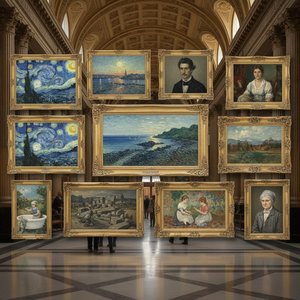
19th Century Masterpieces: 10 Paintings That Defined an Era | OriginalUniqueArt
Journey through 19th century art with OriginalUniqueArt! Explore 10 iconic paintings – from Monet & Renoir to Courbet – and discover the stories behind Romanticism, Realism & Impressionism. Find museum-quality reproductions for your home decor. Explore the full collection online!
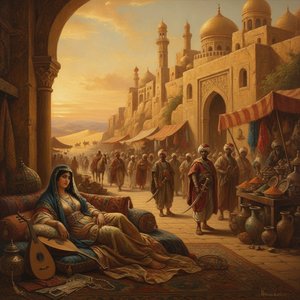
Orientalism: Exploring the Exotic Allure and Complex Legacy of 19th-Century Masterpieces
Explore the captivating world of 19th-century Orientalist painting. Discover the history, academic mastery, and complex legacy of artists like Gérôme and Lewis through our expert art history guide. Find museum-quality oil reproductions for your collection at OriginalUniqueArt.com.

Jean-Léon Gérôme: Academic Rigor & Orientalist Visions Shaping 19th-Century French Painting
Explore the captivating world of Jean-Léon Gérôme, a master of 19th-century academic painting & orientalism. Discover his historical works, artistic techniques, and lasting influence on art history.


