معاينة الحجم الواقعي
 مشاركة
 مشاركة
 التفاصيل
 دليل
دليل

 تحميل الملف
 قطع مشابهة
 الأشعة السينية
 عرض شرائح
 الأسئلة والأجوبة
 الإحصائيات
The Sower

- 82.0 x 101.0 cm


 عرض المزيد
طباعة جيلي / مطبوعات فنية
طباعة جيكلي أو كانفاس بجودة المتاحف، مع سرعة في التنفيذ وخيارات متنوعة للتشطيب. ( شراء لوحة مرسومة يدويًا الانتقال إلى الصورة الرقمية)




P118B E£10

P118H E£10

P118W E£10

P438Z E£10

P508JH E£12

P508YH E£12

P805H E£10

P805Z E£10

P919BZ E£10

P919G E£10

P919XJ E£10

P959ZH E£10

P968JZ E£12

W106C E£8

W218G E£10

W218JH E£8

W218Y E£10

W307PJ E£10

W316G E£10

W316PJ E£8

W316Y E£10

W398PJ E£8

W4111J E£10

W500HY E£15

W500JH E£15

W692G E£12

W849H E£8

W940BG E£15

W953PJ E£8




اختر من بين أحجامنا المُعدّة مسبقاً والتي تتوافق مع النسب الأصلية للعمل الفني.

أدخل العرض والارتفاع المطلوبين ليتناسب المقاس مع إطارك أو جدارك. يرجى الملاحظة أن المطبوعة يمكن قصها فقط ولا يمكن تكبيرها لتتجاوز أبعاد الصورة الأصلية، لذا فإن اختيار مقاس بأبعاد مختلفة سيؤدي إلى فقدان جزء من الصورة. سنرسل لك نموذجاً رقمياً تجريبياً لاعتماده قبل البدء في عملية الطباعة. الصورة المعروضة في هذه الصفحة لا توضح شكل القص الفعلي — النموذج التجريبي فقط هو ما يظهر ذلك بدقة.
توصيل عالمي إلى خلال أسبوعين بدلاً من المدة القياسية البالغة 4/5 أسابيع. (6 نوفمبر)

شحن سريع ومجاني لجميع أنحاء العالم

قماش كتان عالي الجودة

تأمين شامل على الشحن

ضمان استرداد الرسوم الجمركية

ضمان مطابقة الألوان الحقيقية

سياسة الإرجاع خلال 100 يوم (في حالات العيوب فقط)

ضمان استرداد نقدي بنسبة 100%

خصم عند طلب كميات
 خيار الزجاج متاح فقط للمقاسات التي تقل عن 110 سم

The Sower
طباعة جيلي / مطبوعات فنية
مقاس النسخة المطبوعة
-


إجمالي السعر النهائي
E£ 4242
A Portrait of Rural Dignity
In the quiet grandeur of the mid-19th century French countryside, Jean-François Millet’s 1850 masterpiece, The Sower, emerges not merely as a landscape, but as a profound meditation on the human condition. The painting captures a moment of monumental significance within the mundane act of agricultural labor. At its heart is a solitary figure, a man whose very posture radiates a sense of purpose and unyielding perseverance. As he moves across the field with arms outstretched, scattering seeds into the furrowed earth, he becomes an icon of Realism. This is not a romanticized, idealized view of peasantry, but a gritty, honest tribute to the physical toil that sustains life. The composition, structured with a powerful pyramidal focus, draws the viewer’s gaze upward toward the central figure, ensuring that his struggle and his strength remain the undeniable focal point of the narrative.
The emotional weight of the piece lies in its ability to evoke a sense of timelessness. There is a rhythmic, almost liturgical quality to the sower's movement, suggesting a cycle of life that has remained unchanged for generations. For the collector or the interior designer, this artwork offers more than just visual beauty; it provides an anchor of stability and groundedness. The presence of the secondary figures—the wife and child—and the steadying presence of the animal in the background add layers of domestic tranquility and communal responsibility, making the scene feel like a complete, breathing ecosystem of faith and survival.
The Alchemy of Earth and Light
Millet’s technical mastery is found in his rejection of academic polish in favor of a tactile, visceral texture. Utilizing thick impasto brushstrokes, the artist captures the very physicality of the soil. The palette is deeply rooted in the earth itself, dominated by heavy pigments of ochre, umber, and sienna. These tones do not merely represent the field; they seem to emerge from it, creating a sensory experience where the viewer can almost feel the grit of the dirt and the weight of the damp air. This technique allows the light to play across the surface of the canvas in a way that sculpts the contours of the farmer's body, lending him a sculptural, heroic quality.
As a cornerstone of the Barbizon School, Millet utilized light and shadow to create a palpable atmosphere. The interplay of light is not used for mere decoration but serves to highlight the tension between the shadows of the furrowed earth and the bright promise of the seeds being cast. This mastery of chiaroscuro brings a dramatic depth to the work, making it an exquisite centerpiece for any space that seeks to balance atmospheric mood with structural strength. To possess a reproduction of such a piece is to bring the raw, unadorned beauty of the natural world into a contemporary setting.
A Legacy of Symbolism and Spirit
Beyond its surface realism, The Sower is rich with layers of spiritual and social symbolism. Many art historians interpret the sower as a Christ-like figure, an agent of divine providence scattering the seeds of life and regeneration across a barren world. This layer of meaning transforms a simple agricultural task into a sacred ritual of hope and rebirth. The act of sowing becomes a metaphor for faith—the belief that what is planted in darkness and toil will eventually rise in the light of harvest. This profound connection between humanity, nature, and the divine is what allows the painting to resonate so powerfully across different eras and cultures.
For those looking to curate a collection or design an impactful interior, The Sower offers a unique opportunity to introduce themes of resilience and continuity. It is a piece that commands respect through its quiet intensity. Whether placed in a sunlit gallery or a sophisticated study, the painting acts as a window into a world where labor is dignified, and every small action contributes to the grander cycle of existence. It remains an enduring testament to the beauty found in the most fundamental aspects of our shared human journey.
الأسئلة والأجوبة
ما هي الغرفة التي يُنصح بوضع "The Sower" للفنان جان فرانسوا ميلي فيها؟
يُنصح بوضع "The Sower" للفنان جان فرانسوا ميلي في Living Room؛ حيث يستند هذا الاقتراح إلى موضوع العمل وألوانه وأجوائه العامة.
إلى أي أسلوب ينتمي "The Sower"؟
ينتمي العمل "The Sower" إلى مدرسة Contemporary Realism، وهي المدرسة التي تمثل التقليد الفني الذي يندرج ضمنه هذا العمل.
ما مدى قوة التباين في "The Sower" للفنان جان فرانسوا ميلي؟
يبلغ مستوى التباين في "The Sower" للفنان جان فرانسوا ميلي درجة Statement.
السيرة الذاتية للفنان
نشأة فنان: عالم جان فرانسوا ميلي
لم يولد جان فرانسوا ميلي في أحضان الامتياز الفني، بل في قلب العالم الذي سيمثله على القماش. في الرابع من أكتوبر عام 1814، رأى النور في قرية غروشي الصغيرة بولاية نورماندي، وهي قرية متجذرة في تقاليد زراعية عريقة. لم تكن هذه البقعة مجرد خلفية لحياته؛ بل كانت حياته كلها، وشكلت رؤيته الفنية وأضفت على أعماله أصالة صدى بعمق مع مجتمع يشهد تحولات سريعة. كان والداه، جان لويس نيكولاس وإيمي هنرييت أديليد هنري ميلي، مزارعين أنفسهما، وغرسا في قلب الشاب جان فرانسوا ارتباطًا عميقًا بالأرض وعمالها. لم يقتصر تعليمه المبكر على التعليم الرسمي الذي سهّله الكهنة المحليون الذين أدركوا وعده الفكري، بل شمل أيضًا إيقاعات العمل الزراعي: الحصاد والزراعة والدرس – مهام ستصبح لاحقًا موضوعات مركزية في لوحاته. لم تكن هذه المعرفة الحميمة مجرد ملاحظة؛ بل كانت تجربة حسية، وفهم عميق للصعاب والمرونة.من الطموحات الأكاديمية إلى الكشف عن الريف
بدأت رحلة ميلي الفنية بالتدريب الرسمي، أولاً تحت إشراف رسام البورتريه بون دو موشيل في شيربورغ، ثم مع تيوفيل لانجلوا دو شوفريفيل، وهو تلميذ للبارون غروس. في عام 1837، انطلق إلى باريس والتحق بمعهد الفنون الجميلة المرموق، حيث درس تحت رعاية بول ديلا روش. ومع ذلك، أثبتت توقعات الأكاديمية لنظام صالون خانقة. تبعت النجاحات الأولية رفضًا، ووجد ميلي نفسه في مواجهة خيبة الأمل الفنية. جاء نقطة تحول في أربعينيات القرن التاسع عشر، ولا سيما مع مأساة شخصية – فقدان زوجته بولين فيرجيني أونو – وتزايد عدم الرضا عن التصوير الرومانسي السائد للحياة الريفية. بدأ يرفض المشاهد الريفية المثالية، ساعيًا بدلاً من ذلك إلى تصوير الوجود الريفي بصدق لا يتزعزع. عزز هذا التحول ارتباطه بفنانين مثل كونستانت ترويون ونارسيس دياز وتيودور روسو، الذين شكلوا جوهر مدرسة باربيزون. كان هؤلاء الفنانون ملتزمين بالرسم في الهواء الطلق – العمل مباشرة من الطبيعة – ورفض الزيف الأكاديمي. لقد marcó نقطة تحول في حياة ميلي عندما انتقل إلى باربيزون عام 1849، مما يمثل انفصالًا حاسمًا عن التقاليد الباريسية واحتضان مصيره الفني، المتجذر بعمق في المناظر الطبيعية والحياة المحيطة به.شعر العمل: الموضوعات والتقنيات
تتميز أعمال ميلي بتعاطفه العميق مع الطبقة العاملة، وخاصة المزارعين. لم يصور عملهم فحسب؛ بل رفعوه إلى مستوى من الكرامة والأهمية الروحية التي لم تُرَ في الفن من قبل. لوحاته ليست مثالية رومانسية، بل تصويرات صادقة للصعوبات والمرونة والتفاني الهادئ. "الحصادات" (1857)، ربما واحدة من أشهر أعماله، تجسد هذا النهج. هؤلاء النساء الثلاث اللواتي يجمعن بقايا الحبوب بعد الحصاد لسن شخصيات رومانسية؛ هن عاملات، منحنيات بسبب العمل الشاق، لكنهن يتمتعن بهدوء الكرامة التي تأمر بالاحترام. "الأنخيلوس" (1850-1861)، وهي تحفة فنية أخرى، تلتقط لحظة من الروحانية العميقة – زوجان من المزارعين يتوقفان للصلاة عند غروب الشمس – وتحويل عمل يومي إلى شيء مقدس. "البزاز" (1850) هو على الأرجح صورته الأكثر شهرة، ويمثل الطبيعة الدورية لعمل الزراعة واتصال البشرية بالأرض. من الناحية التقنية، استلهم ميلي من الأساتذة الهولنديين، وخاصة استخدامهم المتقن للضوء والظل، ومن المنحوتات الكلاسيكية، كما يتضح في جودة شخصياته الضخمة. استخدم لوحة محدودة، مع التركيز على الألوان الترابية التي تعكس ألوان الريف، وبنى طبقات من الطلاء لخلق إحساس بالملمس والعمق.إرث دائم: تأثير ميلي والأهمية التاريخية
توفي جان فرانسوا ميلي في باربيزون في 20 يناير عام 1875، تاركًا وراءه أعمالًا فنية أثرت بعمق على مسار الفن الحديث. لقد لعب دورًا محوريًا في إرساء الواقعية كقوة مهيمنة في الرسم، وتحدي تقاليد الفن الأكاديمي ومهد الطريق لحركات مستقبلية مثل الانطباعية والواقعية الاجتماعية. كان تركيزه على الحياة اليومية والقضايا الاجتماعية يتردد صداها لدى الفنانين الذين سعوا إلى تصوير العالم من حولهم بصدق وأصالة. امتد تأثيره إلى ما هو أبعد من الرسم؛ أصبحت صوره رموزًا للفضيلة الريفية والتضامن الطبقة العاملة، مما ألهم الكتاب والشعراء والمفكرين السياسيين. استمر الفنانون مثل كوريا بينيتو ريبوليدو في استكشاف موضوعات الحياة الريفية والعدالة الاجتماعية، مستوحى بشكل مباشر من مثال ميلي. اليوم، لا تزال لوحات ميلي تأسر الجماهير بجمالها الخالد وعمقها العاطفي ورسالتها الدائمة حول كرامة الإنسان. إن عمله بمثابة تذكير قوي بأنه حتى في مواجهة الصعاب، يمكن العثور على النعمة والمرونة ومعنى روحي عميق في أبسط أنواع الحياة.أعمال رئيسية
- الحصادات (1857): تصوير مؤثر لنساء يجمعن بقايا الحبوب.
- الأنخيلوس (1850-1861): رمز للتقوى الريفية ولحظة من التفاني الهادئ.
- البزاز (1850): صورة أيقونية تمثل دورة عمل الزراعة.
- الرجل ذو الوجوه (Man with a Hoe): تمثيل قوي للعمل البدني والقدرة على التحمل البشري.
- المزارعون يستريحون: التقاط لحظة راحة وسط العمل الشاق.
- امرأة تخبز الخبز: تصوير لعمل منزلي يضج بالكرامة.

جان فرانسوا ميلي
1814 - 1875 , فرنسا
حقائق سريعة
- أعمال فنية بارزة:
- الحصادات
- الملاك
- البزاز
- الرجل بعزبة
- الاسم الكامل: جان فرانسوا ميلي
- الجنسية: فرنسي
- الحركة الفنية: الواقعية, مدرسة باربيزون
- الفنانون أو الحركات المتأثرة:
- الانطباعية
- الواقعية الاجتماعية
- الفنانون المؤثرون:
- الأساتذة الهولنديون
- بول ديلاروش
- تاريخ الميلاد: 4 أكتوبر 1814
- مكان الميلاد: جروشي، فرنسا
مقالات ذات صلة

Jean-François Millet: Realism, Rural Life & the Poetic Depiction of Labor
Explore the life & work of Jean-François Millet, a founder of Realism. Discover his poignant depictions of rural France, iconic paintings like 'The Angelus,' and lasting influence on art history. Learn more at OriginalUniqueArt.
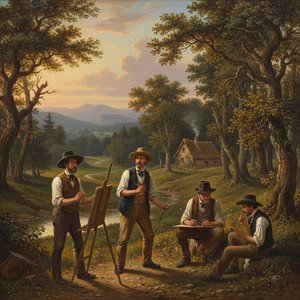
The Barbizon School: Pioneering Realism & the Pastoral Vision in 19th-Century French Painting
Explore the Barbizon School's pivotal role in 19th-century French painting. Discover how these artists revolutionized landscape art with their commitment to Realism and a profound connection to nature. Learn about key figures like Rousseau, Millet & Corot.

Romantic Realism's Finest: 10 Masterpieces for Your Home | OriginalUniqueArt
Explore 10 defining masterpieces of Romantic Realism! Discover Courbet, Millet & Daumier's powerful paintings—capturing emotion and social realities. Find museum-quality reproductions for your home at OriginalUniqueArt.com.
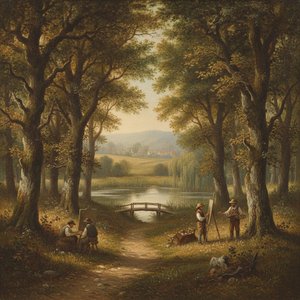
The Barbizon School: Discovering the Masters of Naturalistic Landscape Painting and the Birth of Realism
Explore the revolutionary Barbizon School and its masters, from Corot to Rousseau. Discover how these pioneers of plein air painting redefined landscape art through naturalism. Find museum-quality hand-painted reproductions and expert art insights at OriginalUniqueArt.com.
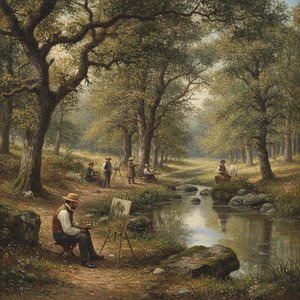
The Barbizon School: The Revolution of Naturalism and the Birth of Plein Air Landscape Painting
Explore the profound impact of the Barbizon School on landscape painting. Discover how masters like Rousseau and Corot revolutionized art through plein air naturalism, moving from academic idealism to the authentic beauty of the French countryside.