
 إرسال
إرسال مشاركة
 عرض التفاصيل
 دليل الأعمال الفنية للطلاب

 تحميل
تحميل
 قطع مشابهة
 عرض شرائح متتابع
 الإحصائيات
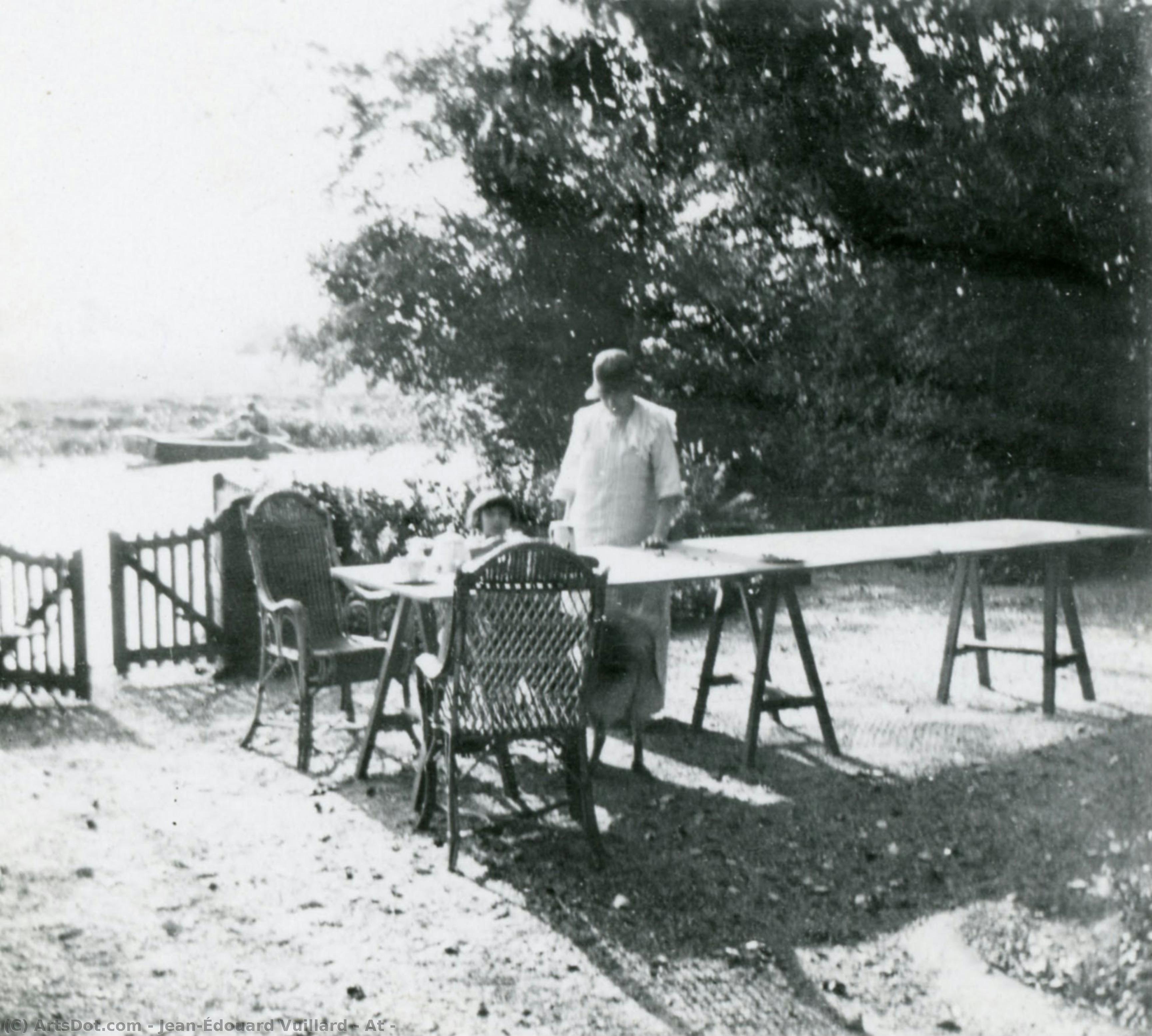
At
 Black and White Photography
- Photo
- Post-Impressionism
 1913
1913- Modern
 8.0 x 8.0 cm
 Musée des impressionnismes Giverny
 اقرأ المزيد
طباعة جيلي / مطبوعات فنية
طباعة جيكلي أو كانفاس بجودة المتاحف، مع سرعة في التنفيذ وخيارات متنوعة للتشطيب. ( اطلب نسخة مرسومة يدويًا التحويل إلى الصورة الرقمية)




































اختر من بين أحجامنا المُعدّة مسبقاً والتي تتوافق مع النسب الأصلية للعمل الفني.

أدخل العرض والارتفاع اللذين تحتاجهما، ليتناسب مع إطارك أو جدارك. يمكن قص المطبوعة فقط، ولا يمكن أبداً جعلها أكبر من الصورة الأصلية، لذا فإن أي مقاس بشكل مختلف سيؤدي إلى فقدان جزء من الصورة. سنرسل لك نموذجاً رقمياً تجريبياً لاعتماده قبل البدء في عملية الطباعة. الصورة المعروضة في هذه الصفحة لا توضح القص الفعلي — النموذج التجريبي فقط هو ما يظهر ذلك.
توصيل عالمي إلى خلال أسبوعين بدلاً من المدة القياسية البالغة 4/5 أسابيع. (25 أكتوبر)

شحن سريع ومجاني لجميع أنحاء العالم

قماش كتان فاخر

تأمين شامل على الشحن

ضمان استرداد الرسوم الجمركية

ضمان دقة مطابقة الألوان

سياسة الإرجاع خلال 100 يوم (في حالات العيوب فقط)

ضمان استرداد نقدي بنسبة 100%

عرض خصم الكميات
 خيار الزجاج متاح فقط للمقاسات التي تقل عن 110 سم

At
طباعة جيلي / مطبوعات فنية
مقاس النسخة المطبوعة
-


إجمالي السعر
E£ 4140
A Moment Frozen in Time: The Quiet Allure of Vuillard’s “At”
In the delicate tapestry of early 20th-century art, few works capture the ephemeral essence of a passing second as poignantly as Jean Vuillard’s 1913 masterpiece, “At.” This evocative scene serves as much more than a mere depiction of an outdoor gathering; it is a profound distillation of Impressionistic ideals filtered through the intimate, decorative lens of the Nabis movement. To gaze upon this work is to step into a world where time slows down, inviting the viewer to inhabit a space of quiet contemplation and subtle emotional resonance. The composition centers around a solitary figure seated at a table beneath an overcast sky, surrounded by the silent presence of empty chairs that suggest both companionship and the lingering traces of a shared moment.
The atmosphere is one of profound serenity, established through a masterful use of landscape and setting. Lush foliage frames the scene, hinting at a lakeside or coastal retreat where the air is still and the world feels momentarily paused. This deliberate choice of environment echoes the tranquil, pastoral landscapes favored by Vuillard’s contemporaries, yet he imbues it with a unique, psychological depth. There is a sense of domesticity brought into the wild, an intimate pocket of human existence carved out from the vastness of nature, making the piece particularly captivating for those who seek art that offers a sanctuary of peace within the home.
Technique and the Language of Color
Vuillard’s technical prowess is on full display through his signature approach to form and surface. Influenced heavily by the flattened perspectives of Japanese woodblock prints, the artist eschews traditional academic realism in favor of a more modern, sensory experience. He utilizes flattened planes of color and loose, rhythmic brushstrokes to build a sense of texture and movement. While the historical photograph of this work presents a monochrome view, the original artistic vision is rooted in the Nabis' revolutionary use of color to convey feeling rather than mere fact.
The composition is a sophisticated dance of lines and shapes. Strong horizontal planes, established by the table’s surface and the distant horizon, provide a grounding stability to the piece, while vertical elements like the chairs and trees create a rhythmic structure. These geometric foundations are softened by the organic, flowing shapes of the foliage and the human figures, creating a balanced tension between order and nature. For the discerning collector or interior designer, this interplay of structure and softness makes the artwork an incredibly versatile element, capable of anchoring a room with its classical weight while adding a layer of organic grace.
Historical Significance and Emotional Resonance
Created during a period of immense artistic upheaval in Europe, “At” stands as a pivotal contribution to the development of modern art. It reflects the burgeoning interest in abstraction and the rejection of rigid representational styles that defined the early 1900s. As a prominent member of Les Nabis, Vuillard helped bridge the gap between the fleeting light of Impressionism and the structured symbolism of the coming decades. His ability to transform an ordinary, everyday moment into something deeply symbolic—where a seated man might represent focused introspection or the quietude of the soul—is what gives this work its enduring power.
For those looking to bring a piece of art history into their personal spaces, a high-quality reproduction of “At” offers more than just aesthetic beauty; it offers an emotional connection to a bygone era. The painting evokes a sense of nostalgia and a longing for the stillness that is so often lost in our modern, frenetic lives. It is a piece designed for deep looking, rewarding the viewer with new layers of meaning and texture upon every encounter, making it an exquisite choice for any curated collection or thoughtfully designed interior.
الأسئلة والأجوبة
ما مدى قوة ألوان "At"؟
تتميز ألوان "At" بدرجة تشبع تبلغ Muted وكثافة لونية تصل إلى Monochromatic.
ما مدى التناغم بين ألوان "At"؟
تُظهر ألوان "At" للفنان جان إدوارد فويلار تناغماً Strong Color Unity. ويصف التناغم كيفية ترابط الألوان مع بعضها البعض.
ما هي الغرفة التي يُنصح بوضع "At" للفنان جان إدوارد فويلار فيها؟
يُنصح بوضع "At" للفنان جان إدوارد فويلار في Living Room. يعتمد هذا الاقتراح على موضوع العمل وألوانه وأجوائه العامة.
نبذة عن الفنان
بدايات الحياة والمسيرة الفنية
ولد جان إدوارد فويار، الرسام الفرنسي المبدع وفنان الديكور والطباعة، في 11 نوفمبر عام 1868 في مدينة كويزيو بفرنسا. سرعان ما أصبحت حياته المهنية حجر الزاوية في مجموعة الفنانين الطليعية المعروفة باسم "النابيس"، إلى جانب رواد آخرين مثل موريس دينيس وإدوارد فويار نفسه. لقد أحدث هذا التجمع ثورة في عالم الفن من خلال نهجهم المبتكر في اللون والشكل.
حركة النابيس وتأثيرها
بصفته عضوًا بارزًا في حركة النابيس، جمعت لوحات فويار مساحات من الألوان النقية، متأثرة بالطباعة اليابانية. استكشفت مشاهدة الداخلية تأثيرات المساحات المسطحة للألوان والأنماط والأشكال. وقد أثر هذا النهج لاحقًا على تطور التكعيبية والفوفية والفن التجريدي. كانت النابيس، وهي مجموعة من الفنانين الفرنسيين الشباب النشطين في باريس من عام 1888 إلى عام 1900، تلعب دورًا كبيرًا في الانتقال من الانطباعية والفن الأكاديمي إلى الفن التجريدي والرمزية والحركات المبكرة الأخرى للحداثة. استندت فلسفتهم إلى فلسفة الوضعية وكتابات أوغست كونت وهيبوليت تين.
التطور الفني وأعماله اللاحقة
بعد عام 1900، عندما تفككت حركة النابيس، تبنى فويار أسلوبًا واقعيًا أكثر، ونهج المناظر الطبيعية والداخلية بتفاصيل أكبر وألوان نابضة بالحياة. في عشرينيات وثلاثينيات القرن الماضي، رسم صورًا لشخصيات بارزة في الصناعة الفرنسية والفنون في بيئات مألوفة لديهم. لقد سعى فويار إلى التقاط جوهر الحياة اليومية، مع التركيز على الضوء واللون والملمس لخلق إحساس بالدفء والحميمية.
الرمزية والتعبير العاطفي
تتميز أعمال فويار بجو من الغموض والشوق. غالبًا ما تصور مشاهد داخلية حميمة، مع التركيز على العلاقات بين الأشكال والألوان بدلاً من التمثيل الواقعي. استخدم فويار تقنيات مختلفة لخلق تأثيرات بصرية فريدة، مثل التلوين المسطح والخطوط المتعرجة والتراكبات المعقدة. كانت لوحاته بمثابة استكشاف للذاكرة والعاطفة والإدراك الحسي.
الإرث والأهمية التاريخية
يمكن العثور على لوحات جان إدوارد فويار في العديد من المتاحف، بما في ذلك متحف الثورة الفرنسية (فرنسا)، الذي يضم مجموعة غنية من الأعمال الفنية والمستندات والأشياء المتعلقة بالفترة الثورية. تشمل بعض أعماله البارزة "الوطن في خطر" بقلم غيوم ليثير و"جان دي لا بار" بقلم جان كلوييه، والتي تصور شابًا محكوم عليه بالإعدام بتهمة التجديف خلال النظام القديم. ترك فويار بصمة لا تمحى على عالم الفن من خلال نهجه المبتكر في اللون والشكل والتعبير العاطفي. كونه رائدًا للحداثة، تواصل أعماله إلهام الفنانين والتأثير على الحركات الفنية المختلفة.
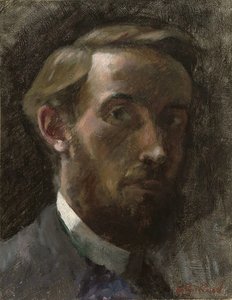
جان إدوارد فويلار
1868 - 1940 , فرنسا
لمحة سريعة
- أعمال بارزة:
- امرأة كاسحة
- داخل مشمس
- الاسم الكامل: جان إدوارد فويلار
- الجنسية: فرنسي
- الحركة الفنية: النابيون
- تاريخ الميلاد: 11 نوفمبر 1868
- تاريخ الوفاة: 21 يونيو 1940
- حركات فنية متأثرة:
- التكعيبية
- وحشية
- فنانون مؤثرون: ['بول غوغان']
- مكان الميلاد: كويزيو، فرنسا
مقالات ذات صلة

Intimate Interiors & Poetic Ambiguity: Exploring the Vision of Jean-Édouard Vuillard
Discover the captivating world of Jean-Édouard Vuillard, a key figure of the Nabis movement. Explore his intimate interiors, unique style & lasting influence on modern art. Learn more at OriginalUniqueArt.
The Interior Gaze: Exploring Representations of Domestic Space in Art History
Explore the fascinating history of domestic interiors in art! From Dutch Masters to Impressionism, discover how artists captured home life & social meaning. Expert analysis and insights at OriginalUniqueArt.

Impressionism's Masterpieces: 10 Paintings That Defined a Movement | OriginalUniqueArt
Journey through Impressionism's heart with 10 iconic paintings by Monet, Renoir & Degas. Explore light, color & the stories behind these masterpieces. Find museum-quality art reproductions and elevate your home decor on OriginalUniqueArt.com.

Intimate Interiors: Domestic Life & Artistic Representation from Renaissance to Impressionism
Explore the evolution of domestic life in Western art from the Renaissance to Impressionism. Discover symbolism, realism & artistic techniques shaping intimate interior scenes. Learn more with OriginalUniqueArt.
Jean-Georges Béraud: Capturing Parisian Life in the Belle Époque
Explore the captivating world of Jean-Georges Béraud, master painter of Belle Époque Paris. Discover his iconic scenes, artistic evolution, and social commentary. A deep dive into 19th-century French art.


