

 معاينة الحجم الواقعي
 إرسال
إرسال مشاركة
 عرض التفاصيل
 دليل الأعمال الفنية للطلاب

 تحميل
تحميل
 قطع مشابهة
 الأشعة السينية
 عرض شرائح متتابع
 الإحصائيات
The Russian Baptism
 Oil On Canvas
- WallArt
- Neoclassical Movement
 1765
1765- Early Modern
 73.0 x 92.0 cm
 متحف اللوفر
 اقرأ المزيد
طباعة جيلي / مطبوعات فنية
طباعة جيكلي أو كانفاس بجودة المتاحف، مع سرعة في التنفيذ وخيارات متنوعة للتشطيب. ( اطلب نسخة مرسومة يدويًا التحويل إلى الصورة الرقمية)




P118B $10

P118H $10

P118W $10

P438Z $10

P508JH $12

P508YH $12

P805H $10

P805Z $10

P919BZ $10

P919G $10

P919XJ $10

P959ZH $10

P968JZ $12

W106C $8

W218G $10

W218JH $8

W218Y $10

W307PJ $10

W316G $10

W316PJ $8

W316Y $10

W398PJ $8

W4111J $10

W500HY $15

W500JH $15

W692G $12

W849H $8

W940BG $15

W953PJ $8




اختر من بين أحجامنا المُعدّة مسبقاً والتي تتوافق مع النسب الأصلية للعمل الفني.

يمكنك إدخال أبعاد خاصة لتناسب إطاراً أو مساحة معينة. وفي حال عدم تطابق الحجم المختار مع نسب الصورة الأصلية، سنقوم إما بقص العمل الفني أو تمديد الصورة باستخدام حافة معكوسة أو لون مصمت. وسيتم إرسال نموذج تجريبي رقمي لاعتمادك قبل بدء عملية الإنتاج.
يرجى ملاحظة أن المعاينة على الشاشة لا تعكس عملية القص أو التمديد الفعلية؛ حيث سيوضح النموذج التجريبي فقط التكوين النهائي بدقة.
وعلى الرغم من توفر أحجام مخصصة، إلا أننا نوصي باختيار أبعاد من القائمة المحددة مسبقاً للحفاظ على النسب الأصلية.
توصيل عالمي إلى خلال أسبوعين بدلاً من المدة القياسية البالغة 4/5 أسابيع. (25 سبتمبر)

شحن سريع ومجاني لجميع أنحاء العالم

قماش كتان فاخر

تأمين شامل على الشحن

ضمان استرداد الرسوم الجمركية

ضمان دقة مطابقة الألوان

سياسة الإرجاع خلال 100 يوم (في حالات العيوب فقط)

ضمان استرداد نقدي بنسبة 100%

عرض خصم الكميات
 خيار الزجاج متاح فقط للمقاسات التي تقل عن 110 سم

The Russian Baptism
طباعة جيلي / مطبوعات فنية
مقاس النسخة المطبوعة
-


إجمالي السعر
$ 80
A Sacred Convergence of Faith and Empire
In the grand tapestry of eighteenth-century art, few works capture the intersection of spiritual transformation and political destiny as profoundly as Jean-Baptiste Le Prince’s The Russian Baptism. Completed in 1765, this monumental canvas serves as a window into a pivotal epoch of human history, immortalizing the moment when the pagan traditions of ancient Rus’ were formally embraced by Christian Orthodoxy through the baptism of Tsar Ivan IV. The scene is set within the hallowed, soaring arches of Saint Basil's Cathedral in Moscow, a setting that breathes with the weight of divine presence and imperial gravity. As the viewer gazes upon the canvas, they are not merely observing a historical record but are invited into a sacred ceremony where the very soul of a nation is being reshaped under the watchful eyes of the heavens.
The composition is masterfully orchestrated to direct the eye toward the central drama: the solemn ritual performed by Metropolitan Nikon upon the Tsar. Le Prince utilizes a sophisticated Neoclassical approach, characterized by an exquisite balance and a clarity of form that lends the scene an air of timelessness. Through a masterful application of chiaroscroll, the artist employs dramatic contrasts between deep, velvety shadows and piercing shafts of light to sculpt the figures within the cathedral's vast interior. This interplay of light does more than create depth; it acts as a metaphor for the enlightenment of the soul, illuminating the textures of heavy liturgical fabrics, the glint of ceremonial regalia, and the intense, reverent expressions of the gathered nobility.
The Artistry of Narrative and Symbolism
Beyond its technical brilliance, The Russian Baptism is a profound study in symbolism. Every element within the frame contributes to a larger narrative of legitimacy and power. The architectural grandeur of the cathedral serves as a bastion of faith, standing in stark opposition to the perceived chaos of the past. The presence of onlookers—dignitaries, nobles, and even the unexpected, grounding presence of horses near the periphery—adds a layer of historical realism that prevents the scene from becoming purely allegorical. These details ground the high drama of the baptism in the tangible reality of the Russian court, suggesting that this spiritual event is inextricably linked to the earthly governance of the realm.
For the discerning collector or interior designer, this piece offers much more than mere decoration; it provides a focal point of intellectual and emotional depth. The painting’s ability to evoke a sense of awe and solemnity makes it an extraordinary addition to any curated space, particularly those seeking to introduce a sense of history, prestige, and classical elegance. Whether placed in a grand library or a formal salon, a high-quality reproduction of this work brings with it the spirit of the Enlightenment—a period defined by the search for truth, the celebration of order, and the enduring power of monumental storytelling.
نبذة عن الفنان
The Illustrious Journey of Jean-Baptiste Le Prince
Born in the historic city of Metz on September 17, 1734, Jean-Baptiste Nicolas Le Prince emerged as a vital figure in the tapestry of eighteenth-century French art. His early years were marked by a profound connection to his native roots, yet his artistic destiny was destined for much broader horizons. After honing his fundamental painting techniques in Metz, the young artist’s talent caught the attention of influential patrons, leading him to Paris around 1750. Under the prestigious sponsorship of Charles Louis Auguste Fouquet de Belle-Isle, Le Prince entered the orbit of the great François Boucher. Studying under such a master of the Rococo style, Le Prince absorbed the delicate grace, fluid lines, and playful elegance that defined the era, an influence that would remain visible in the early lightness of his compositions.
However, Le Prince was far more than a mere disciple of the Rococo; he was an artist of immense curiosity and geographical breadth. In 1758, his career took a transformative turn when he journeyed to Russia to serve the court of Catherine the Great. Working within the splendor of the Imperial Palace in St. Petersburg under the direction of the renowned architect Francesco Bartolomeo Rastrelli, Le Prince experienced a world of imperial grandeur. His travels during this period were nothing short of epic, as he ventured through Finland, Lithuania, and even into the vast, mysterious reaches of Siberia. These excursions provided him with a unique reservoir of visual experiences, allowing him to capture the essence of diverse cultures and landscapes, ranging from the intimate details of Russian everyday life to more exotic, far-reaching vistas.
A Mastery of Style and Subject
As his career matured, Le Prince’s work began to reflect a sophisticated blend of his Rococo training and an emerging interest in more grounded, narrative subjects. He became a highly skilled etcher and painter, capable of navigating between the whimsical and the poignant. His oeuvre is characterized by a remarkable versatility that allows him to move seamlessly from the lightheartedness of pastoral scenes to the profound gravity of historical or ethnographic studies. In works such as Two Men & a Lady, one can witness his ability to evoke an atmosphere of idyllic beauty and musical harmony, utilizing soft lighting and delicate textures to enchant the viewer.
His technical prowess is perhaps most evident in his ability to utilize light and shadow to create depth and emotion. Whether he was depicting a Scene from Russian Everyday Life or the rustic charm of The Russian Cradle, Le Prince employed meticulous detail and emotive lighting to breathe life into his subjects. His later works often leaned toward a more structured approach, foreshadowing the shift toward Neoclassicism that would soon dominate the European art scene. This transition is beautifully captured in pieces like Visit to a Palmist, where the artist demonstrates a masterful command of social composition and portraiture, showcasing a meticulous attention to the textures of fabric and the subtle expressions of his figures.
Legacy and Artistic Significance
The historical significance of Jean-Baptiste Le Prince lies in his role as a cultural bridge. He was an artist who connected the refined salons of Paris with the burgeoning imperial splendor of Russia, and the delicate aesthetics of Boucher with the more robust, observational styles that would follow. His ability to document both the aristocratic elegance of the Enlightenment and the rugged realities of distant territories makes his body of work an invaluable historical record.
Though often overshadowed by the monumental figures of the Neoclassical movement who followed him, Le Prince’s contributions remain indispensable. His legacy is found in:
- Technical Versatility: The seamless integration of Rococo grace with a burgeoning realism and ethnographic detail.
- Cultural Documentation: His unique perspective as an artist who traveled extensively through the Russian Empire, capturing scenes that would otherwise have remained unknown to Western Europe.
- Influence on Printmaking: His skill as an etcher, which helped disseminate much of his visual narrative across the continent.
Today, the works of Jean-Baptiste Le Prince continue to captivate collectors and historians alike, serving as a window into a transformative era of European history where art, travel, and empire were inextricably linked.

jean baptiste le prince
1734 - 1781 , France
لمحة سريعة
- Artistic Movement Or Style: Neoclassical
- Artists Or Movements Influenced By This Artist: ['Romanticism']
- Artists Who Influenced This Artist: ['David']
- Date Of Birth: 1734 Metz France
- Date Of Death: 1781 Paris France
- Full Name: Jean Baptiste Regnault
- Nationality: French
- Notable Artworks:
- Education of Achilles
- Alexandre and Diogène
- Place Of Birth: Paris France
مقالات ذات صلة
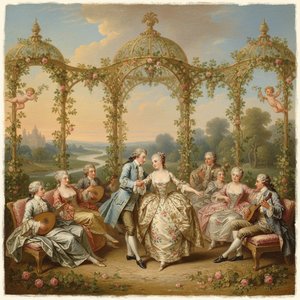
Jean-Baptiste Pater: Rococo Charm & Ephemeral Beauty of 18th-Century France
Explore the captivating world of Jean-Baptiste Pater, a master of Rococo painting. Discover his elegant *fête galante* scenes and shimmering portraits – a glimpse into 18th-century French aristocracy. Learn about his legacy & find high-quality reproductions.
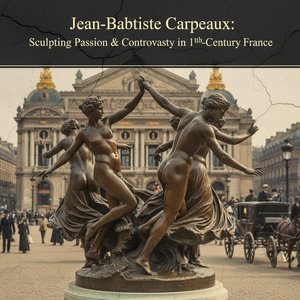
Jean-Baptiste Carpeaux: Sculpting Passion & Controversy in 19th-Century France
Explore the passionate life & controversial works of Jean-Baptiste Carpeaux, a leading French sculptor of the Second Empire. Discover his realism, iconic sculptures like 'Ugolino,' and lasting legacy as a precursor to Rodin.

Ivan Bilibin: A Synthesis of Folklore, Modernism & National Identity in Russian Illustration
Explore the enchanting world of Ivan Bilibin, a master Russian illustrator who synthesized folklore, Art Nouveau & national identity. Discover his iconic fairy tale illustrations and legacy with OriginalUniqueArt.

Victor Vasnetsov: Myth, Nationalism & the Revival of Russian Fairy Tale Painting
Explore the captivating world of Victor Vasnetsov, a co-founder of Russian folklorist painting. Discover his iconic works, influence on national identity, and lasting legacy in this expert guide.

Vladimir Makovsky: Realism, Social Commentary & Russian Life in Late 19th-Century Painting
Explore the captivating world of Vladimir Makovsky, a leading Russian realist painter. Discover his insightful depictions of 19th-century life, social commentary & legacy with OriginalUniqueArt.