معاينة الحجم الواقعي
 إرسال
إرسال مشاركة
 عرض التفاصيل
 دليل الأعمال الفنية للطلاب

 تحميل
تحميل
 قطع مشابهة
 الأشعة السينية
 عرض شرائح متتابع
 الإحصائيات
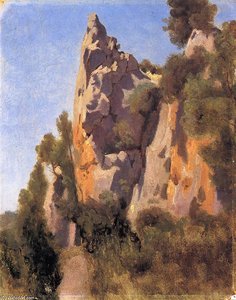
Seated Monk Reading
 Acrylic On Canvas
- WallArt
- Romantic Landscape Painting
 1865
1865 73.0 x 50.0 cm
 اقرأ المزيد
طباعة جيلي / مطبوعات فنية
طباعة جيكلي أو كانفاس بجودة المتاحف، مع سرعة في التنفيذ وخيارات متنوعة للتشطيب. ( اطلب نسخة مرسومة يدويًا التحويل إلى الصورة الرقمية)




P118B $10

P118H $10

P118W $10

P438Z $10

P508JH $12

P508YH $12

P805H $10

P805Z $10

P919BZ $10

P919G $10

P919XJ $10

P959ZH $10

P968JZ $12

W106C $8

W218G $10

W218JH $8

W218Y $10

W307PJ $10

W316G $10

W316PJ $8

W316Y $10

W398PJ $8

W4111J $10

W500HY $15

W500JH $15

W692G $12

W849H $8

W940BG $15

W953PJ $8




اختر من بين أحجامنا المُعدّة مسبقاً والتي تتوافق مع النسب الأصلية للعمل الفني.

يمكنك إدخال أبعاد خاصة لتناسب إطاراً أو مساحة معينة. وفي حال عدم تطابق الحجم المختار مع نسب الصورة الأصلية، سنقوم إما بقص العمل الفني أو تمديد الصورة باستخدام حافة معكوسة أو لون مصمت. وسيتم إرسال نموذج تجريبي رقمي لاعتمادك قبل بدء عملية الإنتاج.
يرجى ملاحظة أن المعاينة على الشاشة لا تعكس عملية القص أو التمديد الفعلية؛ حيث سيوضح النموذج التجريبي فقط التكوين النهائي بدقة.
وعلى الرغم من توفر أحجام مخصصة، إلا أننا نوصي باختيار أبعاد من القائمة المحددة مسبقاً للحفاظ على النسب الأصلية.
توصيل عالمي إلى خلال أسبوعين بدلاً من المدة القياسية البالغة 4/5 أسابيع. (25 سبتمبر)

شحن سريع ومجاني لجميع أنحاء العالم

قماش كتان فاخر

تأمين شامل على الشحن

ضمان استرداد الرسوم الجمركية

ضمان دقة مطابقة الألوان

سياسة الإرجاع خلال 100 يوم (في حالات العيوب فقط)

ضمان استرداد نقدي بنسبة 100%

عرض خصم الكميات
 خيار الزجاج متاح فقط للمقاسات التي تقل عن 110 سم

Seated Monk Reading
طباعة جيلي / مطبوعات فنية
مقاس النسخة المطبوعة
-


إجمالي السعر
$ 80
A Moment of Reflection: Jean-Baptiste-Camille Corot’s “Seated Monk Reading”
Jean-Baptiste- Camille Corot (1796 – 1875), a titan amongst French landscape painters, wasn't merely documenting the beauty of his surroundings; he was striving to capture its essence—the elusive dance of light and atmosphere that defines the sublime. His masterpiece, “Seated Monk Reading,” exemplifies this ambition perfectly, offering viewers an intimate glimpse into a contemplative state amidst the serene grandeur of rural France. Painted in 1865, this oil painting transcends mere representation, becoming a profound meditation on stillness, intellect, and connection with nature.Subject Matter and Composition
The artwork depicts a solitary monk seated upon a weathered wooden bench beneath a canopy of mature trees—a motif recurrent throughout Corot’s oeuvre. The figure is positioned centrally within the frame, bathed in dappled sunlight filtering through the foliage. This careful compositional choice isn't accidental; it underscores the painting’s core theme: solitude and introspection. The monk’s posture – head bowed, book held open – speaks volumes about his absorbed focus, inviting contemplation on the act of reading itself as a conduit to inner peace. Beyond the central figure, distant mountains loom in the background, establishing a panoramic vista that reinforces the grandeur of the natural world and subtly hinting at the monk's place within it.Style and Technique: Impressionistic Echoes
While firmly rooted in Romantic tradition, “Seated Monk Reading” possesses unmistakable stylistic affinities with the burgeoning Impressionist movement. Corot eschews harsh outlines and precise detailing characteristic of Neoclassicism, favoring instead soft brushstrokes and blended pigments to achieve a velvety texture that captures the subtle nuances of light. The artist skillfully employs *plein air* painting—working directly from nature—a technique championed by Monet and others—to faithfully reproduce the luminosity of the scene. Corot’s masterful manipulation of color – predominantly muted browns, greens, and ochres – contributes to the painting's tranquil mood and enhances its atmospheric depth. The artist’s deliberate blurring of edges creates a hazy effect that softens the contours of the landscape and imbues it with an ethereal quality.Historical Context: Bridging Romanticism and Impressionism
Corot’s work emerged during a pivotal period in artistic history—the transition from Romantic idealism to Impressionistic realism. Artists like Corot were grappling with how best to represent the subjective experience of perception, moving away from idealized depictions toward capturing fleeting moments of visual sensation. “Seated Monk Reading” embodies this shift by prioritizing mood and atmosphere over meticulous accuracy. It anticipates the Impressionists’ focus on capturing the immediacy of light and color—a revolutionary departure from academic conventions that would reshape the landscape of European painting for decades to come. The painting's appearance coincided with a growing interest in psychological realism, reflecting broader societal anxieties about identity and spirituality during the Victorian era.Symbolism: Quiet Contemplation and Spiritual Harmony
The monk himself serves as a potent symbol—representing wisdom, piety, and detachment from worldly concerns. His act of reading symbolizes intellectual pursuit and engagement with profound ideas, mirroring Corot’s own lifelong fascination with philosophical contemplation. The surrounding landscape embodies the Romantic ideal of communion with nature—a belief that beauty could inspire moral upliftment and foster spiritual harmony. The muted palette reinforces this symbolic resonance, conveying a sense of serenity and inner peace—a visual embodiment of contemplative thought.Emotional Impact: A Balm for the Soul
“Seated Monk Reading” transcends mere aesthetic pleasure; it evokes a deep emotional response in viewers. Its tranquil atmosphere invites reflection on themes of solitude, mindfulness, and connection with the natural world. The painting’s soft textures and luminous colors soothe the senses—creating a visual experience that is both calming and intellectually stimulating. It speaks to our innate desire for stillness amidst the chaos of modern life—offering a timeless reminder of the beauty and significance of quiet contemplation. This artwork remains an enduring testament to Corot's ability to transform observation into profound artistic expression, securing its place as one of the most evocative landscapes of the Romantic era.نبذة عن الفنان
نشأة فنان في قلب باريس: حياة كاميل كوروت
في قلب باريس الصاخبة، وُلد جان باتيست كاميل كوروت في السادس عشر من يوليو عام 1796، لأسرة بورجوازية ميسورة الحال. لم يكن طريقه الفني مفروضًا عليه؛ فبعد محاولات فاشلة في عالم التجارة، وجد نفسه مدفوعًا بقوة داخلية لا تقاوم نحو الرسم. كانت طفولته المبكرة، التي قضاها في رعاية خادمة في الريف بالقرب من إيل-آدام، بمثابة بذرة زرعت في داخله حبًا عميقًا للطبيعة، وهو الحب الذي سيشكل جوهر فنه لاحقًا. على الرغم من أن والديه، اللذين كانا يمتلكان متجرًا ناجحًا للأزياء النسائية، لم يشجعا في البداية هذا المسار الفني، إلا أنهم دعموه ماليًا، مما سمح له بتكريس نفسه للفن دون ضغوط مالية. هذه البيئة الفريدة، التي جمعت بين الحياة الحضرية المرموقة والاتصال العميق بالطبيعة، أثرت بشكل كبير على رؤيته الفنية وتطويره.من التدريب الأكاديمي إلى الابتكار في الرسم الخارجي
بدأ كوروت تدريبه الفني التقليدي تحت إشراف آشيل إتينا ميشالون وجان فكتور بيرتين، وهما رسامان بارزان يمثلان المدرسة الكلاسيكية الجديدة. هذا التدريب أكسبه فهمًا عميقًا للتكوين والشكل، مع التركيز على الوضوح والبنية. ومع ذلك، لم يكن كوروت راضيًا عن مجرد تكرار الأساليب القائمة؛ فقد سعى إلى طريقة أكثر أصالة للتعبير عن تجربته الشخصية للطبيعة. كانت رحلته الأولى إلى إيطاليا في عام 1825 نقطة تحول حاسمة. ألهبت سهول رومانية المضاءة بضوء ذهبي، وتاريخها العريق خياله. أمضى سنوات في الرسم والتدوين في الهواء الطلق – وهي ممارسة كانت تعتبر غير تقليدية في ذلك الوقت – مما سمح له بالتقاط الفروق الدقيقة للضوء والجو الذي سيصبح علامة مميزة لأسلوبه. لم يكن يهدف إلى تسجيل التفاصيل الطبوغرافية فحسب، بل سعى إلى استحضار مزاج معين، وشعور بالهدوء والتناغم.جسر بين التقاليد
لم يكن تطور كوروت الفني خطيًا؛ بل كان توازنًا دقيقًا بين التقليد والابتكار. عرض أعماله بانتظام في صالون باريس، وحصل في البداية على اعتراف لأعماله المتأثرة بالمعايير الكلاسيكية الجديدة. ومع ذلك، مع استمراره في استكشاف الرسم الخارجي، بدأ أسلوبه في التطور. ابتعد عن التركيبات المتقنة والمفصلة نحو ضربات فرشاة أكثر سلاسة ولوحة ألوان أكثر هدوءًا. لم يكن هذا تحولًا كاملاً عن المبادئ الأكاديمية؛ بل كان محاولة لدمجها مع عفوية ومشاعر مباشرة من الملاحظة. أصبح سيدًا في التلوين، مستخدمًا اختلافات دقيقة في القيم لخلق العمق والجو. لم تكن مناظر كوروت تدور حول الروايات الدرامية أو الإيماءات الكبرى؛ بل كانت تدور حول التأمل الهادئ، وجمال المشاهد اليومية – وهي بقعة غابة، ومروج مشمسة، ونهر هادئ.إرث وتأثير دائم
لا يمكن إنكار تأثير جان باتيست كاميل كوروت على الأجيال القادمة من الفنانين. لقد كان بمثابة رابط حيوي بين التقاليد الكلاسيكية الجديدة وظهور حركة الانطباعية. أعجب فنانون مثل مونيه وبيسارو وسيزاي بقدرته على التقاط آثار الضوء والجو العابرة، واستلهموا منه في أعمالهم الرائدة. ومع ذلك، لم يكن كوروت مجرد مقدمة للانطباعية؛ بل كان فنانًا فريدًا ومهمًا بحد ذاته. لا يزال إنتاجه الواسع – الذي يشمل المناظر الطبيعية والصور ولوحات الشخصيات – يأسر الجماهير بجماله الهادئ وعمقه العاطفي. يمكن العثور على أعماله في المتاحف الكبرى حول العالم، مما يدل على مكانته الدائمة في تاريخ الفن. لقد ترك كوروت إرثًا مستمرًا يلهم الفنانين وعشاق الفن على حد سواء – شهادة على القوة الخالدة للضوء والطبيعة والتأمل الهادئ. "الراحة" و"القراءة المتقطعة" و"أجوتينا" تظل أمثلة رمزية لإتقانه، حيث تعرض قدرته على التقاط العالم المادي والحياة الداخلية لمواضيعه بحساسية ورشاقة ملحوظة.
جان باتيست كاميل كوروت
1796 - 1875 , فرنسا
لمحة سريعة
- أعمال فنية بارزة:
- راحة
- القراءة المتقطعة
- أغوستينا
- الاسم الكامل: جان باتيست كاميل كوروت
- الجنسية: فرنسي
- الحركات أو الفنانون المتأثرون:
- مونيه
- بيسارو
- سيزان
- الانطباعية
- الحركة الفنية: الواقعية والانطباعية
- الفنانون المؤثرون:
- أشيل إتينا ميشالون
- جان فيكتور بيرتين
- تاريخ الميلاد: 16 يوليو 1796
- مكان الميلاد: باريس، فرنسا