

 معاينة الحجم الحقيقي
 مشاركة
 مشاركة
 التفاصيل

 تحميل الملف
 قطع مشابهة
 الأشعة السينية
 عرض شرائح
 Stats
StatsLa Chute d'eau


 عرض المزيد
طباعة جيلي / مطبوعات فنية
طباعة جيكلي أو كانفاس بجودة المتاحف، مع سرعة في التنفيذ وخيارات متنوعة للتشطيب. ( اشترِ لوحة مرسومة يدويًا Switch to Digital Image)




P118B $10

P118H $10

P118W $10

P438Z $10

P508JH $12

P508YH $12

P805H $10

P805Z $10

P919BZ $10

P919G $10

P919XJ $10

P959ZH $10

P968JZ $12

W106C $8

W218G $10

W218JH $8

W218Y $10

W307PJ $10

W316G $10

W316PJ $8

W316Y $10

W398PJ $8

W4111J $10

W500HY $15

W500JH $15

W692G $12

W849H $8

W940BG $15

W953PJ $8




اختر من بين أحجامنا المُعدّة مسبقًا والتي تتطابق مع النسب الأصلية للعمل الفني.

يمكنك إدخال أبعادك الخاصة لتناسب إطاراً أو مساحة معينة. وإذا لم يتطابق الحجم الذي اخترته مع نسب الصورة الأصلية، فسنقوم إما بقص العمل الفني أو تمديد الصورة باستخدام حافة معكوسة أو بلون مصمت. سيتم إرسال نموذج تجريبي رقمي لاعتمادك قبل بدء الإنتاج.
يرجى ملاحظة أن المعاينة على الشاشة لا تعكس عملية القص أو التمديد الفعلية؛ حيث سيوضح النموذج التجريبي فقط التكوين النهائي بدقة.
وعلى الرغم من توفر أحجام مخصصة، إلا أننا نوصي باختيار أبعاد من القائمة المحددة مسبقاً للحفاظ على النسب الأصلية.
توصيل عالمي إلى خلال أسبوعين بدلاً من المدة القياسية البالغة 4/5 أسابيع. 8 سبتمبر

شحن سريع ومجاني لجميع أنحاء العالم

قماش كتان عالي الجودة

تأمين شحن شامل

ضمان استرداد الرسوم الجمركية

ضمان مطابقة الألوان الحقيقية

سياسة الإرجاع خلال 100 يوم (في حالات العيوب فقط)

ضمان استرداد نقدي بنسبة 100%

خصم عند طلب عدة قطع
 خيار الزجاج متاح فقط للمقاسات التي تقل عن 110 سم

La Chute d'eau
طباعة جيلي / مطبوعات فنية
مقاس النسخة المطبوعة
-


السعر الإجمالي النهائي
$ 80
A Moment of Grace: Jean-Antoine Watteau’s *La Chute d'Eau*
Jean-Antoine Watteau, a name that whispers of delicate beauty and fleeting pleasure, gifted the world with a series of paintings known as “fêtes galantes”—scenes of aristocratic leisure and idyllic gatherings. Among these treasures, *La Chute d’Eau*, or "The Waterfall," stands out not merely for its picturesque subject matter but for the profound sense of serenity and understated emotion it evokes. Completed around 1718-1720, this oil on canvas transports us to a secluded corner of the French countryside, a realm where nature's grandeur meets the refined sensibilities of Watteau’s aristocratic clientele.
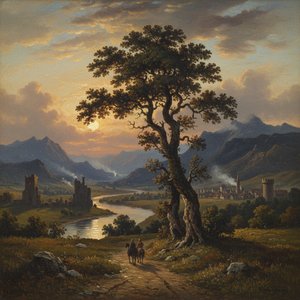
The painting depicts a small cascade tumbling over mossy rocks into a clear pool. A group of elegantly dressed figures – men and women – are scattered around the waterfall’s edge, some gazing at it with quiet contemplation, others engaged in lighthearted conversation or enjoying a picnic. The composition is remarkably balanced, drawing the eye through the scene with a subtle interplay of diagonals created by the rocks and the flow of water. Watteau masterfully uses atmospheric perspective, softening the distant trees and creating a hazy, dreamlike quality that enhances the painting’s overall sense of tranquility.
The Rococo Palette: Technique and Style
Watteau's signature style is immediately recognizable in *La Chute d’Eau*. He employs a delicate brushstroke, layering thin glazes of color to achieve an astonishing luminosity. The colors are muted yet vibrant—soft blues, greens, and browns dominate the palette, creating a harmonious blend that mirrors the natural world. Notice how he captures the shimmering reflections on the water's surface, using subtle variations in tone to suggest movement and light. The figures themselves are rendered with a remarkable degree of grace and elegance, their clothing flowing and their poses conveying an air of relaxed sophistication. Watteau’s skill lies not just in depicting reality but in capturing the *feeling* of it—the gentle warmth of a summer afternoon, the quiet joy of shared companionship.
The choice of oil paint allowed Watteau to build up layers of color and texture with incredible precision, creating depth and richness that was unparalleled at the time. He expertly utilized chiaroscuro – the contrast between light and shadow – to model forms and create a sense of volume, particularly in the rocks and foliage surrounding the waterfall. This masterful technique contributes significantly to the painting’s captivating realism, despite its idealized setting.
A World of Subtlety: Symbolism and Context
*La Chute d'Eau* is more than just a pretty picture; it’s imbued with symbolic meaning rooted in the conventions of Rococo art. The waterfall itself represents renewal and transformation, mirroring the fleeting nature of beauty and pleasure – central themes of the era. The figures are often interpreted as representing the aristocracy indulging in leisure activities, but Watteau avoids overt displays of wealth or grandeur. Instead, he focuses on capturing a moment of quiet intimacy and shared enjoyment. The presence of animals—a dog and a sheep—adds to the pastoral atmosphere, reinforcing the painting’s connection to nature.
Watteau's work reflects the broader cultural context of 18th-century France, where aristocratic life was increasingly characterized by elaborate entertainments and a focus on refined sensibilities. *La Chute d'Eau* embodies this spirit perfectly, offering a glimpse into a world of elegance, leisure, and understated beauty—a world that continues to captivate viewers centuries later.
Bringing Watteau’s Vision Home: Reproductions
Watteau’s influence on subsequent generations of artists is undeniable. *La Chute d'Eau*, in particular, has served as a model for countless painters and decorators seeking to capture the spirit of Rococo elegance. At OriginalUniqueArt.com and similar platforms, we offer meticulously crafted hand-painted reproductions that faithfully recreate Watteau’s masterpiece, allowing you to bring this exquisite scene into your home or office.
Our reproductions are created using traditional oil painting techniques, employing the same pigments and brushwork as Watteau himself. Each reproduction is a unique work of art, capturing not only the visual details of the original but also its emotional resonance. Whether you’re an art collector, an interior designer, or simply someone who appreciates beauty, a hand-painted reproduction of *La Chute d'Eau* is a stunning addition to any space—a timeless reminder of Watteau’s genius and the enduring allure of the Rococo style.
السيرة الذاتية للفنان
نشأة عبقري الرّوكوكو: حياة وأعمال جان أنطوان واتو
في قلب مدينة فالنسيان الفرنسية الهادئة، وُلد جان أنطوان واتو عام 1684، ليصبح فيما بعد أحد أبرز الأسماء في تاريخ الفن الأوروبي. لم تكن رحلته فنية سهلة، بل كانت مليئة بالتحديات والصعوبات التي صقلت موهبته الفريدة وأرست مكانته كرمز للرّوكوكو. نشأ واتو في أسرة متواضعة، لأب يعمل في مجال البناء، لكن شغفه بالرسم كان واضحًا منذ نعومة أظفاره، حيث بدأ يرسم مشاهد من حياته اليومية وشخصيات من مدينته الصغيرة. هذه البدايات المتواضعة غرست فيه حساسية فنية عميقة وقدرة على ملاحظة التفاصيل الدقيقة التي ميزت أعماله اللاحقة.من المسرح إلى "أجواء الاحتفالات"
في عام 1702، انتقل واتو إلى باريس، مركز الفن والأناقة في ذلك الوقت، حيث بدأ رحلة البحث عن الاعتراف والتقدير. عمل لفترة مع كلود جيلو، رسام متخصص في تصميمات المسرحيات وأعمال "أجواء الاحتفالات" – وهي لوحات تصور المناسبات الاجتماعية الأرستقراطية في الهواء الطلق. هذا العمل المبكر عرّضه لعالم الكوميديا ديليارتي وشخصياته المبهجة، وهو عالم سيظل يتردد صداه في أعماله طوال حياته. لكن واتو لم يكن مجرد مقلّد لأسلوب جيلو؛ بل كان فنانًا يتمتع برؤية فريدة، وسرعان ما بدأ في تطوير أسلوبه الخاص الذي تميز بالرقة والشاعرية والتعبير عن المشاعر الدقيقة.جوهر الرّوكوكو: الأسلوب والإنجازات الرئيسية
تتميز لوحات واتو بأسلوبها المميّز الذي يعكس روح العصر الرّوكوكو. كان يمتلك قدرة فذة على تصوير حياة النبلاء وأناقتهم، ليس من خلال مظاهر الثروة والسلطة الصارخة، بل من خلال إيماءات دقيقة وتعبيرات وجه معبرة واستخدام متقن للضوء واللون. كانت شخصياته تنضح بالأناقة والجمال، وتعكس مشاعر الرومانسية والشوق. "رقصة ريفية" (1718-1721)، ربما تكون من أشهر أعماله، تجسد هذا الأسلوب بشكل مثالي – مشهد حيوي يصور الحياة الريفية البسيطة بأدق التفاصيل، مع إحساس خفي بالحنين. ومن بين روائع أخرى "سيريس (الصيف)" (1705) التي تظهر مهارته في تصوير جمال الطبيعة والجسم البشري، بينما تعتبر لوحات "الركوب إلى سيثيرا" و "الحج إلى سيثيرا" من بين أبرز تصويراته للرحلات الأسطورية إلى جزيرة الحب، والتي تنبض بالغموض والرغبة الرومانسية. حتى لوحاته المسرحية، مثل "جيل" (1719)، تحمل طابعًا غامضًا يدعو إلى التأمل. استخدم واتو تقنية الفرشاة الخفيفة وطبقات الألوان الرقيقة لخلق تأثير متلألئ، يلتقط جمال الضوء والغلاف الجوي العابر.الإرث والتأثير الدائم
لم يكن أسلوب واتو نابعًا من فراغ؛ بل كان نتيجة لتأثيرات متنوعة. لقد أعجب بشدة بالرسامين الفنينيين مثل تيتيان وفيرونيز، وخاصةً لوحاتهم الغنية بالألوان وتكويناتهم الديناميكية. كما يظهر تأثير فنانين فلامنكيين مثل روبنز في أعماله من خلال ضربات الفرشاة النشطة وشخصياته الحسية. ومع ذلك، لم يقتبس واتو ببساطة من أسلافه؛ بل صقل هذه التأثيرات ليخلق شيئًا جديدًا وفريدًا تمامًا – أسلوبًا أصبح علامة مميزة للرسم الرّوكوكو. على الرغم من حياته القصيرة – توفي بسبب السل عام 1721 عن عمر يناهز الثالثة والثلاثين فقط – ترك واتو بصمة لا تمحى على تاريخ الفن. لقد أثر بعمق في الأجيال اللاحقة من الفنانين، بمن فيهم فراغونار وبوشيه، الذين طوروا الموضوعات والتقنيات التي رائدة فيها. أعاد واتو تعريف فن الرسم التصويري، ورفع مكانته إلى مستوى من الرقي الفني الذي كان محجوزًا سابقًا للموضوعات التاريخية أو الدينية. اليوم، تُعتبر لوحاته كنوزًا ثمينة في المتاحف الكبرى حول العالم – من معرض الفن الوطني في واشنطن العاصمة إلى متحف برادو في مدريد – ولا تزال تأسر الجماهير بجمالها وأناقتها وجاذبيتها الدائمة، مما يعزز مكانته كواحد من أهم الفنانين وأكثرهم حبًا في عصر الرّوكوكو.
جان أنطوان واتو
1684 - 1721 , فرنسا
حقائق سريعة
- أعمال فنية بارزة:
- رقصة ريفية
- سيريس (صيف)
- عقد الزواج
- جيل
- رحلة إلى سيثيرا
- الاسم الكامل: جان-أنتوان واتو
- الجنسية: فرنسي
- الحركة الفنية: روكوكو
- تاريخ الميلاد: 10 أكتوبر 1684
- حركات فنية متأثرة:
- فرجونارد
- بوشيه
- فنانون مؤثرون:
- تيتيان
- فيرونيز
- روبنز
- مكان الميلاد: فالنساين، فرنسا
مقالات ذات صلة

The Rococo Aesthetic: Opulence, Rebellion & the Pursuit of Pleasure in 18th-Century Art
Explore the opulent world of Rococo art! Discover its origins, key artists like Watteau & Boucher, and lasting influence on design. Expert insights for collectors & enthusiasts.
Paul Huet: Capturing the Essence of French Romanticism Through Light and Landscape
Explore the captivating world of Paul Huet (1803-1869), a master of French Romantic landscape painting. Discover his influence on Barbizon & Impressionism, and browse high-quality reproductions at OriginalUniqueArt.

Evocations of Place: A Historical Journey Through Landscape Art
Explore the rich history of landscape art with OriginalUniqueArt. Discover renowned artists, movements like Impressionism & Romanticism, and expert guidance for collecting timeless pieces. Find your perfect serene escape today!

أفضل 10 لوحات طبيعية رومانسية غيرت مسار الفن وجمّلت الديكور | OriginalUniqueArt
اكتشف 10 روائع فنية رسمت مسار الفن الرومانسي! استكشف لوحات فريدريش، مالارد وأكثر. قصص الفنانين، تقنيات الرسم، وجمال المناظر الطبيعية الخلابة. احصل على أعمال فنية عالية الجودة من OriginalUniqueArt.com!

أفضل 10 روائع تحدد حركة الروكوكو الفني: سحر وجماليات لا تُضاهى | OriginalUniqueArt
اكتشف روائع الروكوكو! استكشف 10 لوحات فنية خالدة تحدد هذا الطراز الفني الساحر. تعرف على الفنانين، الأساليب، وجماليات عصر الروكوكو. احصل على نسخ فنية عالية الجودة وديكورات منزلية مستوحاة من روائع تاريخية. استكشف المجموعة الكاملة على OriginalUniqueArt.com


