

 معاينة الحجم الحقيقي
 مشاركة
 مشاركة
 التفاصيل

 تحميل الملف
 قطع مشابهة
 الأشعة السينية
 عرض شرائح
 الإحصائيات
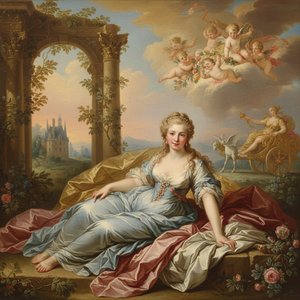
Ceres (Summer)
 زيت على قماش
- لوحات جدارية
- Rococo
 1717
1717 142.0 x 116.0 cm
 المعرض الوطني للفنون
 عرض المزيد
نسخة زيتية مصنوعة يدوياً
لوحة زيتية مرسومة يدوياً على الكانفاس بالمقاس والإطار الذي تفضله، تُنفذ حسب الطلب على أيدي فنانينا. ( التحويل إلى المطبوعات الانتقال إلى الصورة الرقمية)




P118B $10

P118H $10

P118W $10

P438Z $10

P508JH $12

P508YH $12

P805H $10

P805Z $10

P919BZ $10

P919G $10

P919XJ $10

P959ZH $10

P968JZ $12

W106C $8

W218G $10

W218JH $8

W218Y $10

W307PJ $10

W316G $10

W316PJ $8

W316Y $10

W398PJ $8

W4111J $10

W500HY $15

W500JH $15

W692G $12

W849H $8

W940BG $15

W953PJ $8




اختر من بين أحجامنا المُعدّة مسبقًا والتي تتطابق مع النسب الأصلية للعمل الفني.

يمكنك إدخال أبعادك الخاصة لتناسب إطارًا معينًا أو مساحة محددة. وإذا لم يتطابق الحجم الذي اخترته مع نسب الصورة الأصلية، فسنقوم إما بقص العمل الفني أو توسيع اللوحة بإضافة عناصر مرسومة يدويًا. سيتم إرسال نموذج رقمي إليك للموافقة عليه قبل بدء الإنتاج.
يرجى ملاحظة أن المعاينة على الشاشة لا تعكس عملية القص أو التوسيع الفعلية؛ حيث إن النموذج الرقمي وحده هو الذي سيوضح التكوين النهائي بدقة.
وعلى الرغم من توفر أحجام مخصصة، إلا أننا نوصي باختيار أبعاد من القائمة المحددة مسبقًا للحفاظ على النسب الأصلية للعمل الفني.
بعد إتمام الطلب، سيرسل فريق OriginalUniqueArt.com بريداً إلكترونياً للعميل لطلب التعليمات وتزويده بمعاينة تجريبية (mockup).
توصيل عالمي إلى خلال 3 إلى 4 أسابيع بدلاً من المدة المعتادة البالغة 5 أسابيع. (16 سبتمبر). جودة لا تهاون فيها.

شحن سريع ومجاني لجميع أنحاء العالم

قماش كتان عالي الجودة

تأمين شحن شامل

ضمان استرداد الرسوم الجمركية

ضمان مطابقة الألوان الحقيقية

سياسة الإرجاع خلال 100 يوم (في حالات العيوب فقط)

ضمان استرداد نقدي بنسبة 100%

خصم عند طلب عدة قطع
 خيار الزجاج متاح فقط للمقاسات التي تقل عن 110 سم

Ceres (Summer)
خامة إعادة الإنتاج
مقاس النسخة المطبوعة
-


السعر الإجمالي النهائي
$ 300
A Glimpse of Paradise: Jean-Antoine Watteau’s “Ceres (Summer)”
Jean-Antoine Watteau's "Ceres (Summer)" is not merely a painting; it’s an invitation to step into a realm of delicate beauty, a fleeting moment captured with the artist’s signature blend of melancholy and enchantment. Completed in 1717-1718, this oil on canvas transports us to a serene landscape bathed in the golden light of late summer, where the goddess Ceres, Roman deity of agriculture and fertility, reigns over a scene of quiet grace and understated theatricality. More than just a depiction of a mythological figure, it’s a distillation of Watteau's revolutionary “fête galante” style – a genre he largely pioneered, moving away from the grand narratives of the Baroque towards intimate gatherings, pastoral landscapes, and a pervasive sense of wistful nostalgia.
The painting immediately captivates with its soft, diffused light and pastel palette. Watteau masterfully employs layers of translucent color, creating an atmosphere that feels both tangible and ethereal. The composition is carefully orchestrated: Ceres, seated atop a modest rock, is the focal point, her pose suggesting serene contemplation rather than regal authority. Her flowing gown, rendered in subtle shades of rose and lavender, contrasts beautifully with the verdant greens of the surrounding foliage. Two angelic figures flank her, their gestures conveying gentle support and reverence. The inclusion of a sleeping dog nestled at the base of the rock adds an unexpected touch of domesticity, grounding the scene while simultaneously hinting at the fleeting nature of earthly pleasures.
The Language of Fête Galante
To fully appreciate “Ceres (Summer),” it’s crucial to understand Watteau's innovation – the fête galante. This style rejected the bombast and formality of earlier artistic traditions, favoring instead scenes of leisure, courtship, and idyllic encounters in natural settings. Unlike traditional mythological paintings that emphasized heroic deeds and dramatic action, the fêtes galantes focused on capturing the ephemeral beauty of everyday life, imbued with a sense of melancholy and longing. Watteau’s Ceres embodies this perfectly; she is not a powerful goddess commanding armies, but a contemplative figure enjoying a moment of quiet serenity amidst the bounty of nature.
The painting's influence extends beyond its subject matter. Watteau was deeply influenced by Correggio and Rubens, particularly their use of color and light to create an illusion of depth and atmosphere. He adopted their techniques, but adapted them to his own unique style, imbuing his paintings with a sense of intimacy and emotional resonance that set him apart from his contemporaries. The careful attention to detail – the delicate folds of Ceres’ gown, the subtle shading of the foliage, the expressive gestures of the angels – demonstrates Watteau's extraordinary technical skill and his unwavering commitment to capturing the essence of beauty.
Symbolism and Emotional Resonance
Beyond its aesthetic qualities, “Ceres (Summer)” is rich in symbolism. Ceres herself represents abundance, fertility, and the cyclical nature of life. The cornucopia she holds – overflowing with fruits and grains – is a potent symbol of prosperity and nourishment. The presence of the sleeping dog suggests themes of rest, tranquility, and perhaps even mortality—a reminder that earthly pleasures are fleeting. The overall mood of the painting is one of gentle melancholy, a poignant awareness of the transience of beauty and the inevitability of change.
Watteau’s ability to evoke such complex emotions through seemingly simple imagery is a testament to his artistic genius. “Ceres (Summer)” isn't simply a pretty picture; it’s a meditation on life, death, and the enduring power of beauty. It invites us to pause, reflect, and appreciate the fleeting moments of grace that punctuate our own lives.
A Legacy in Reproduction
Today, “Ceres (Summer)” continues to captivate audiences with its exquisite beauty and profound emotional depth. OriginalUniqueArt offers meticulously crafted oil painting reproductions of this iconic masterpiece, allowing art lovers worldwide to experience Watteau’s vision firsthand. Each reproduction is created by skilled artisans using the same techniques and materials as the original, ensuring that every detail – from the delicate brushstrokes to the subtle nuances of color – is faithfully preserved. Whether you're seeking a stunning addition to your home or office, or simply wishing to own a piece of art history, OriginalUniqueArt’s “Ceres (Summer)” reproduction provides an unparalleled opportunity to connect with one of the most beloved and influential artists of the eighteenth century.
Artist: Jean-Antoine Watteau
Painting Title: Ceres (Summer)
Museum: National Gallery of Art
Year: 1717
Medium: Oil on Canvas
Dimensions: 142 x 116 cm
For art enthusiasts and collectors, OriginalUniqueArt offers high-quality, handmade oil painting reproductions of famous works like “Ceres (Summer).” Visit OriginalUniqueArt.com to explore a wide range of artistic masterpieces.
السيرة الذاتية للفنان
نشأة عبقري الرّوكوكو: حياة وأعمال جان أنطوان واتو
في قلب مدينة فالنسيان الفرنسية الهادئة، وُلد جان أنطوان واتو عام 1684، ليصبح فيما بعد أحد أبرز الأسماء في تاريخ الفن الأوروبي. لم تكن رحلته فنية سهلة، بل كانت مليئة بالتحديات والصعوبات التي صقلت موهبته الفريدة وأرست مكانته كرمز للرّوكوكو. نشأ واتو في أسرة متواضعة، لأب يعمل في مجال البناء، لكن شغفه بالرسم كان واضحًا منذ نعومة أظفاره، حيث بدأ يرسم مشاهد من حياته اليومية وشخصيات من مدينته الصغيرة. هذه البدايات المتواضعة غرست فيه حساسية فنية عميقة وقدرة على ملاحظة التفاصيل الدقيقة التي ميزت أعماله اللاحقة.من المسرح إلى "أجواء الاحتفالات"
في عام 1702، انتقل واتو إلى باريس، مركز الفن والأناقة في ذلك الوقت، حيث بدأ رحلة البحث عن الاعتراف والتقدير. عمل لفترة مع كلود جيلو، رسام متخصص في تصميمات المسرحيات وأعمال "أجواء الاحتفالات" – وهي لوحات تصور المناسبات الاجتماعية الأرستقراطية في الهواء الطلق. هذا العمل المبكر عرّضه لعالم الكوميديا ديليارتي وشخصياته المبهجة، وهو عالم سيظل يتردد صداه في أعماله طوال حياته. لكن واتو لم يكن مجرد مقلّد لأسلوب جيلو؛ بل كان فنانًا يتمتع برؤية فريدة، وسرعان ما بدأ في تطوير أسلوبه الخاص الذي تميز بالرقة والشاعرية والتعبير عن المشاعر الدقيقة.جوهر الرّوكوكو: الأسلوب والإنجازات الرئيسية
تتميز لوحات واتو بأسلوبها المميّز الذي يعكس روح العصر الرّوكوكو. كان يمتلك قدرة فذة على تصوير حياة النبلاء وأناقتهم، ليس من خلال مظاهر الثروة والسلطة الصارخة، بل من خلال إيماءات دقيقة وتعبيرات وجه معبرة واستخدام متقن للضوء واللون. كانت شخصياته تنضح بالأناقة والجمال، وتعكس مشاعر الرومانسية والشوق. "رقصة ريفية" (1718-1721)، ربما تكون من أشهر أعماله، تجسد هذا الأسلوب بشكل مثالي – مشهد حيوي يصور الحياة الريفية البسيطة بأدق التفاصيل، مع إحساس خفي بالحنين. ومن بين روائع أخرى "سيريس (الصيف)" (1705) التي تظهر مهارته في تصوير جمال الطبيعة والجسم البشري، بينما تعتبر لوحات "الركوب إلى سيثيرا" و "الحج إلى سيثيرا" من بين أبرز تصويراته للرحلات الأسطورية إلى جزيرة الحب، والتي تنبض بالغموض والرغبة الرومانسية. حتى لوحاته المسرحية، مثل "جيل" (1719)، تحمل طابعًا غامضًا يدعو إلى التأمل. استخدم واتو تقنية الفرشاة الخفيفة وطبقات الألوان الرقيقة لخلق تأثير متلألئ، يلتقط جمال الضوء والغلاف الجوي العابر.الإرث والتأثير الدائم
لم يكن أسلوب واتو نابعًا من فراغ؛ بل كان نتيجة لتأثيرات متنوعة. لقد أعجب بشدة بالرسامين الفنينيين مثل تيتيان وفيرونيز، وخاصةً لوحاتهم الغنية بالألوان وتكويناتهم الديناميكية. كما يظهر تأثير فنانين فلامنكيين مثل روبنز في أعماله من خلال ضربات الفرشاة النشطة وشخصياته الحسية. ومع ذلك، لم يقتبس واتو ببساطة من أسلافه؛ بل صقل هذه التأثيرات ليخلق شيئًا جديدًا وفريدًا تمامًا – أسلوبًا أصبح علامة مميزة للرسم الرّوكوكو. على الرغم من حياته القصيرة – توفي بسبب السل عام 1721 عن عمر يناهز الثالثة والثلاثين فقط – ترك واتو بصمة لا تمحى على تاريخ الفن. لقد أثر بعمق في الأجيال اللاحقة من الفنانين، بمن فيهم فراغونار وبوشيه، الذين طوروا الموضوعات والتقنيات التي رائدة فيها. أعاد واتو تعريف فن الرسم التصويري، ورفع مكانته إلى مستوى من الرقي الفني الذي كان محجوزًا سابقًا للموضوعات التاريخية أو الدينية. اليوم، تُعتبر لوحاته كنوزًا ثمينة في المتاحف الكبرى حول العالم – من معرض الفن الوطني في واشنطن العاصمة إلى متحف برادو في مدريد – ولا تزال تأسر الجماهير بجمالها وأناقتها وجاذبيتها الدائمة، مما يعزز مكانته كواحد من أهم الفنانين وأكثرهم حبًا في عصر الرّوكوكو.
جان أنطوان واتو
1684 - 1721 , فرنسا
حقائق سريعة
- أعمال فنية بارزة:
- رقصة ريفية
- سيريس (صيف)
- عقد الزواج
- جيل
- رحلة إلى سيثيرا
- الاسم الكامل: جان-أنتوان واتو
- الجنسية: فرنسي
- الحركة الفنية: روكوكو
- تاريخ الميلاد: 10 أكتوبر 1684
- حركات فنية متأثرة:
- فرجونارد
- بوشيه
- فنانون مؤثرون:
- تيتيان
- فيرونيز
- روبنز
- مكان الميلاد: فالنساين، فرنسا
مقالات ذات صلة

The Allure of Elegance in Art: A Historical & Aesthetic Exploration of Refinement & Grace
Explore the exquisite world of Rococo art! Discover its history, masters (Watteau, Boucher & more), and defining elegance. Expert insights for collectors seeking museum-quality reproductions & custom portraits.

The Fête Galante & Beyond: Exploring the Artistic World of Jean-Antoine Watteau
Discover the captivating world of Jean-Antoine Watteau, master of the Fête Galante! Explore his iconic paintings, symbolism, and lasting influence on Rococo art. A deep dive for classic art enthusiasts.
François Boucher: Rococo Master of Myth, Sensuality, and the French Court
Explore the captivating world of François Boucher, master of Rococo painting! Discover his iconic works, aristocratic patronage, and lasting influence on French art history. Learn more at OriginalUniqueArt.

The Rococo Aesthetic: Opulence, Rebellion & the Pursuit of Pleasure in 18th-Century Art
Explore the opulent world of Rococo art! Discover its origins, key artists like Watteau & Boucher, and lasting influence on design. Expert insights for collectors & enthusiasts.

أفضل 10 روائع تحدد حركة الروكوكو الفني: سحر وجماليات لا تُضاهى | OriginalUniqueArt
اكتشف روائع الروكوكو! استكشف 10 لوحات فنية خالدة تحدد هذا الطراز الفني الساحر. تعرف على الفنانين، الأساليب، وجماليات عصر الروكوكو. احصل على نسخ فنية عالية الجودة وديكورات منزلية مستوحاة من روائع تاريخية. استكشف المجموعة الكاملة على OriginalUniqueArt.com


