
 مشاركة
 مشاركة
 التفاصيل
 دليل
دليل

 تحميل الملف
 قطع مشابهة
 عرض شرائح
 الأسئلة والأجوبة
 الإحصائيات
Kul-e Farah relief I


 عرض المزيد
إن العمل الفني المعروض في هذه الصفحة محمي بموجب قوانين حقوق الطبع والنشر، مما يعني أنه لا يحق لنا قانوناً إنشاء أو بيع نسخ مطابقة له. وتُطبق هذه الحماية بموجب الاتفاقيات الدولية مثل الـ اتفاقية برن ووفقاً للقوانين الوطنية، بما في ذلك تلك المنصوص عليها في قانون حقوق الطبع والنشر في الولايات المتحدة - الباب 17.
تتوافق هذه الطريقة تماماً مع لوائح حقوق النشر لأنها لا تتضمن نسخ أو تكرار العمل الفني المحمي، بل هي إعادة تفسير إبداعية؛ أي أنها لوحة جديدة مستوحاة من الأصل ولكنها ليست مطابقة له.
طباعة جيلي / مطبوعات فنية
طباعة جيكلي أو كانفاس بجودة المتاحف، مع سرعة في التنفيذ وخيارات متنوعة للتشطيب. ( شراء لوحة مرسومة يدويًا الانتقال إلى الصورة الرقمية)




































اختر من بين أحجامنا المُعدّة مسبقاً والتي تتوافق مع النسب الأصلية للعمل الفني.

أدخل العرض والارتفاع المطلوبين ليتناسب المقاس مع إطارك أو جدارك. يرجى الملاحظة أن المطبوعة يمكن قصها فقط ولا يمكن تكبيرها لتتجاوز أبعاد الصورة الأصلية، لذا فإن اختيار مقاس بأبعاد مختلفة سيؤدي إلى فقدان جزء من الصورة. سنرسل لك نموذجاً رقمياً تجريبياً لاعتماده قبل البدء في عملية الطباعة. الصورة المعروضة في هذه الصفحة لا توضح شكل القص الفعلي — النموذج التجريبي فقط هو ما يظهر ذلك بدقة.
توصيل عالمي إلى خلال أسبوعين بدلاً من المدة القياسية البالغة 4/5 أسابيع. (10 نوفمبر)

شحن سريع ومجاني لجميع أنحاء العالم

قماش كتان عالي الجودة

تأمين شامل على الشحن

ضمان استرداد الرسوم الجمركية

ضمان مطابقة الألوان الحقيقية

سياسة الإرجاع خلال 100 يوم (في حالات العيوب فقط)

ضمان استرداد نقدي بنسبة 100%

خصم عند طلب كميات
 خيار الزجاج متاح فقط للمقاسات التي تقل عن 110 سم

Kul-e Farah relief I
طباعة جيلي / مطبوعات فنية
مقاس النسخة المطبوعة
-


إجمالي السعر النهائي
E£ 4265
A Silent Witness to Elamite Grandeur
Perched high above the landscape, carved into a vertical niche some five and a half meters from the ground, the Kul-e Farah relief I stands as a profound testament to the enduring spirit of the Elamite highland tradition. This ancient masterpiece is not merely a carving on stone; it is a monumental dialogue between man and nature, frozen in time since approximately 500 BC. The relief serves as a vital historical link, embodying the sophisticated artistic language of an era that flourished in the ancient Near East. To gaze upon this work is to witness the intersection of political authority and artistic devotion, where every line etched into the rock face speaks of a civilization deeply rooted in its rugged, mountainous terrain.
The composition of the relief is both intricate and commanding, showcasing a scene of figures positioned with a deliberate sense of hierarchy and presence. The artistry lies in the way the carver utilized the natural contours of the rock to breathe life into the subjects, creating a sense of depth that invites the viewer to contemplate the lives of those depicted. Within the vertical niche, the relief integrates multiple elements of elite representation, drawing from much older traditions of valley carvings to assert the prestige of its creators. For the discerning collector or lover of antiquity, this piece offers a window into a world where art was used to solidify the identity of rulers and the sanctity of their lands.
The Language of Power and Inscription
Beyond its visual majesty, the Kul-e Farah relief I is a literary treasure, housing a complex narrative written in stone. The surface is adorned with twenty-four horizontal registers of an inscription that remains one of the most significant, yet enigmatic, archaeological finds of the region. This text provides a rare glimpse into the political landscape of the time, identifying the local ruler Hanni, son of Tahhi, who served as the "caretaker, protector, and ruler" of Ayapir. His role as a vassal to the Elamite king Shutur-Nahhunte highlights the intricate web of loyalty and governance that defined the period between 625 and 585 BC. The presence of nine additional epigraphs, delicately inscribed over the skirts of the carved figures, adds a layer of rhythmic detail that enhances the relief's textural complexity.
For interior designers and curators of historical reproductions, this artwork offers an unparalleled opportunity to introduce a sense of profound history and intellectual depth into a space. The interplay between the rugged texture of the stone and the precise, delicate epigraphs creates a visual tension that is both intellectually stimulating and aesthetically grounding. A high-quality reproduction of this relief does more than decorate a wall; it anchors a room with the weight of millennia, providing a conversation piece that bridges the gap between modern luxury and ancient heritage.
An Eternal Legacy in Stone
The emotional impact of the Kul-e Farah relief I stems from its sheer resilience. Despite the passage of over two thousand years, the figures and their stories remain remarkably well-preserved, offering a hauntingly beautiful connection to the Elamite civilization. The way the light plays across the carved surfaces—mimicking the natural sunlight that has illuminated this niche for centuries—creates an ever-changing aesthetic experience. It is a work that celebrates the concept of permanence in an impermanent world.
Owning or displaying a tribute to this relief allows one to participate in the preservation of human memory. Whether integrated into a contemporary gallery setting or used as a focal point in a sophisticated study, the piece evokes a sense of awe and reverence. It invites the observer to look upward, much like the original viewers did, and to find inspiration in the enduring strength of the Elamite spirit and the masterful hands that carved it into the very bones of the earth.
الأسئلة والأجوبة
كيف يمكن وصف الحالة المزاجية لـ "Kul-e Farah relief I" للفنان خافيير ألفاريز مون؟
يُوصَف العمل الفني "Kul-e Farah relief I" للفنان خافيير ألفاريز مون بأنه Earthy من حيث الحالة المزاجية، مما يساعد في اختيار المكان الأنسب لعرضه.
ما هو الشعور الذي يثيره "Kul-e Farah relief I"؟
يتسم العمل "Kul-e Farah relief I" بطابع Mysterious، حيث يعكس هذا الطابع العاطفي الانطباع الذي يتركه العمل في النفس.
كيف يمكنني الحصول على نسخة مطبوعة من "Kul-e Farah relief I" للفنان خافيير ألفاريز مون؟
يمكن طلب نسخة مطبوعة من "Kul-e Farah relief I" للفنان خافيير ألفاريز مون مباشرة عبر صفحة مطبوعة فنية فاخرة الخاصة بها: مطبوعة فنية فاخرة على قماش قطني أو ورق كانفاس أرشيفي.
السيرة الذاتية للفنان
خافيير ألفاريز مون هو عالم آثار ومؤرخ إسباني، متخصص في حضارة الشرق الأدنى القديم. ولد في مدريد عام 1969 وحصل على درجة الدكتوراه في علم الآثار من جامعة كومبلوتنسي بمدريد في عام 2001. يشغل حالياً منصب باحث في المجلس الوطني للبحث العلمي (CSIC) ومدير لمجموعة دراسات عيلام في جامعة برشلونة.
التكوين والمسيرة المهنية
تركزت مسيرة خافيير ألفارينا مون الأكاديمية حول علم الآثار والتاريخ، مع تركيز عميق على منطقة الشرق الأدنى القديم. وقد انصبّ جلّ أبحاثه على الثقافة العيلامية، حيث نجح في نشر العديد من المقالات والكتب القيمة حول هذا الموضوع، ومن أبرزها العالم العيلامي (2018) وعيلام: التاريخ، الفن وعلم الآثار (2021).الأبحاث والمنشورات
لقد تمحورت أبحاث خافيير ألفاريز مون حول الحضارة العيلامية، مما أثمر عن إصدار مؤلفات عديدة تسلط الضوء على هذا الإرث العظيم. وتتضمن أبرز منشوراته ما يلي:- العالم العيلامي (2018)
- عيلام: التاريخ، الفن وعلم الآثار (2021)
- الثقافة العيلامية (2015)
- عيلام: تاريخ المنطقة (2012)
التعاون والمشاريع
ساهم خافيير ألفاريز مون بفعالية في إثراء المعرفة التاريخية من خلال تعاون وثيق مع باحثين آخرين ومشاركته في مشاريع بحثية رائدة، ومن أهم هذه المشاريع:- المشروع العيلامي: وهو مشروع بحثي مخصص لدراسة الثقافة العيلامية، بتمويل من المجلس الوطني للبحث العلمي (CSIC).
- مشروع التنقيب في إيران: مشروع للتنقيب الأثري في إيران، بتمويل من جامعة برشلونة.
- مشروع دراسة الثقافة العيلامية: مشروع بحثي معمق حول الحضارة العيلامية، بتمويل من جامعة برشلونة.
أهمية أعماله
تعتبر أعمال خافيير ألفاريز مون جوهرية لفهم الثقافة العيلامية ومدى تأثيرها في تاريخ الشرق الأدنى القديم. فقد ساهمت أبحاثه في تعميق معرفتنا بهذه المنطقة التاريخية، وأثمرت عن إصدارات غنية بالمعلومات. يمكن العثور على بعض مقالاته وكتبه عبر https://OriginalUniqueArt.com، حيث تتوفر تفاصيل إضافية حول أعماله ومنشوراته. كما يمكنكم استكشاف معلومات عن فنانين ورسامين آخرين من خلال متحف الأكاديمية الملكية للفنون الجمعة في سان فرناندو ومتحف الصيد والطبيعة.
خافيير ألفاريز مون
1969 - , إسبانيا
مقالات ذات صلة

Mastering the Woodcut: A Definitive Guide to the Art of Relief Printing and its Historical Legacy
Explore the profound history and technical mastery of woodcut relief printing. From ancient origins to German Expressionism, discover how artists use the subtractive process to create iconic works. A definitive guide for art students, collectors, and historians.
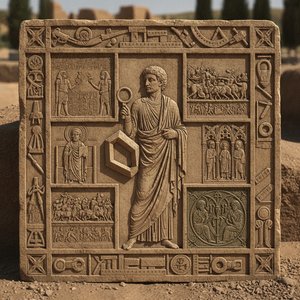
Mastering Dimension: An Art Historian's Guide to the Elegance of Sculptural Relief Art
Explore the profound beauty of sculptural relief art. From classical bas-relief to modern geometric textures, discover how depth and light transform spaces through an expert guide on art history and sophisticated curation for discerning collectors.

Sculpting with Soul: The Ultimate Guide to Mastering Bas-Relief and Plaster Artistry
Master the intricate art of plaster bas-relief with our expert guide for art students. Learn professional techniques in material selection, texture carving, and pigment integration to create soulful, dimensionally rich sculptural masterpieces.
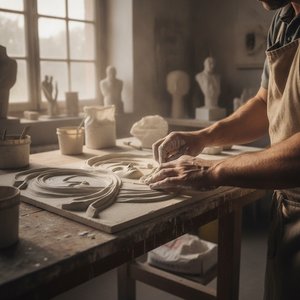
Sculpting with Soul: An Expert Guide to the Tactile Elegance of Plaster Relief Art
Discover the captivating world of plaster relief art. Our expert guide explores the history, techniques, and curation of textured bas-relief, helping collectors bring depth, light, and soulful dimension to their modern interiors through sophisticated sculptural masterpieces.
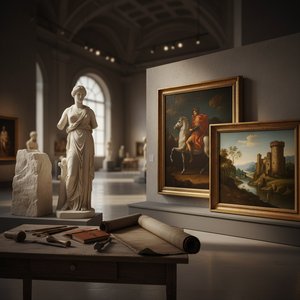
Stone & Canvas: 10 Masterpieces of Timeless Art |
Explore 10 iconic paintings dominated by 'stone' tones – from Caravaggio’s drama to Rembrandt’s depth. Discover art history, techniques & find museum-quality reproductions for your home at .