
 معاينة الحجم الحقيقي
 مشاركة
 مشاركة
 التفاصيل

 تحميل الملف
 قطع مشابهة
 الأشعة السينية
 عرض شرائح
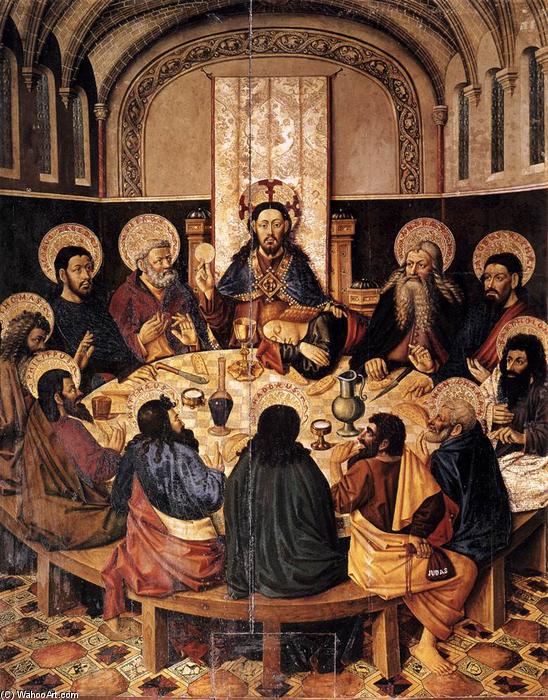
The Last Supper


 عرض المزيد
طباعة جيلي / مطبوعات فنية
طباعة جيكلي أو كانفاس بجودة المتاحف، مع سرعة في التنفيذ وخيارات متنوعة للتشطيب. ( اشترِ لوحة مرسومة يدويًا اشترِ الصورة)




































اختر من بين أحجامنا المُعدّة مسبقًا والتي تتطابق مع النسب الأصلية للعمل الفني.

يمكنك إدخال أبعادك الخاصة لتناسب إطاراً أو مساحة معينة. وإذا لم يتطابق الحجم الذي اخترته مع نسب الصورة الأصلية، فسنقوم إما بقص العمل الفني أو تمديد الصورة باستخدام حافة معكوسة أو بلون مصمت. سيتم إرسال نموذج تجريبي رقمي لاعتمادك قبل بدء الإنتاج.
يرجى ملاحظة أن المعاينة على الشاشة لا تعكس عملية القص أو التمديد الفعلية؛ حيث سيوضح النموذج التجريبي فقط التكوين النهائي بدقة.
وعلى الرغم من توفر أحجام مخصصة، إلا أننا نوصي باختيار أبعاد من القائمة المحددة مسبقاً للحفاظ على النسب الأصلية.
توصيل عالمي إلى خلال أسبوعين بدلاً من المدة القياسية البالغة 4/5 أسابيع. 16 أغسطس

شحن سريع ومجاني لجميع أنحاء العالم

قماش كتان عالي الجودة

تأمين شحن شامل

ضمان استرداد الرسوم الجمركية

ضمان مطابقة الألوان الحقيقية

سياسة الإرجاع خلال 60 يومًا (في حالات العيوب فقط)

ضمان استرداد نقدي بنسبة 100%

خصم عند طلب عدة قطع
 خيار الزجاج متاح فقط للمقاسات التي تقل عن 110 سم

The Last Supper
طباعة جيلي / مطبوعات فنية
مقاس النسخة المطبوعة
-


السعر الإجمالي النهائي
$ 80
السيرة الذاتية للفنان
Jaume Baco Jacomart: A Valencian Master Bridging Gothic and Renaissance
Jaume Baçó, also spelled Jaume Baco or Jacomart (c. 1410–1461), was a Spanish painter from Valencia whose life remains shrouded in relative obscurity, leaving much of his artistic output to speculation and scholarly reconstruction. Despite the paucity of biographical details, his distinctive style—characterized by an unwavering commitment to early Netherlandish traditions while simultaneously absorbing subtle echoes of Italian Renaissance aesthetics—solidifies his position as a pivotal figure within Valencian art history and a testament to the dynamism of fifteenth-century European painting.
Born around 1410 in Valencia, Baçó’s origins are traced back to a family of artisans, suggesting an upbringing steeped in craftsmanship. Precise information regarding his formative years is scarce; however, he began his artistic career in Valencia itself, honing his skills amidst the flourishing Gothic art scene of the time. By 1442, he accepted a commission from Alfonso V of Aragon, embarking on a journey to Naples where he encountered the burgeoning Renaissance fervor emanating from the papal court.
Naples proved to be a crucible for Baçó’s artistic evolution. The influence of Lorenzo Monaco and other Florentine masters became palpable in his palette and compositional choices—a deliberate departure from the austere formalism of Valencian Gothic, yet firmly rooted in established stylistic precedents. This period witnessed him producing significant works, notably altarpieces that showcased his burgeoning mastery of perspective and color theory.
Returning to Valencia in 1445, Baçó continued to serve as court painter for John II, furthering his artistic endeavors and establishing himself as a respected artist within the region. His subsequent travels to Rome and Tivoli in 1451 cemented his connection with papal patronage and exposed him to the intellectual currents shaping European culture. He returned to Valencia permanently in 1451 and remained there until his death in 1461.
Baçó’s artistic legacy rests primarily on two monumental achievements: the Retable of Saint Anne, now tragically lost, and the Borgia Triptych housed in the Collegiate Church of Xàtiva. These paintings exemplify Baçó's stylistic synthesis—a masterful blend of Netherlandish realism and Italian humanist ideals. Furthermore, his contribution to the Cathedral of Valencia’s decoration – specifically the panels depicting Saint Benedict and Saint Ildephonsus – represents a cornerstone of Valencian artistic heritage.
While Baçó’s oeuvre remains relatively limited compared to contemporaries like Colantonio or Juan Rexach, his influence extended far beyond his immediate productions. He served as mentor to younger artists, shaping the stylistic trajectory of the Valencian school and ensuring that the traditions of early Netherlandish painting persisted in a period increasingly dominated by Renaissance innovation. Jaume Baçó Jacomart’s enduring artistic vision continues to inspire admiration for its expressive power and technical sophistication—a testament to his singular contribution to the visual arts of the fifteenth century.

jaume baço jacomart
1410 - 1461 , Spain
حقائق سريعة
- Artistic Movement Or Style: Early Netherlandish Painting
- Artists Or Movements Influenced By This Artist: ['Italian Renaissance']
- Artists Who Influenced This Artist: ['Colantonio']
- Date Of Birth: c. 1410
- Date Of Death: 1461
- Full Name: Jaume Baçó Jacomart
- Nationality: Spanish
- Notable Artworks:
- Retable of Catì
- Borgia Triptych
- Place Of Birth: Valencia, Spain

