

 معاينة الحجم الواقعي
 إرسال
إرسال مشاركة
 عرض التفاصيل
 دليل الأعمال الفنية للطلاب

 تحميل
تحميل
 قطع مشابهة
 الأشعة السينية
 عرض شرائح متتابع
 الإحصائيات
Boar Hunt
 Acrylic On Canvas
- WallArt
- Baroque Painting
 1703
1703 345.0 x 206.0 cm
 Alte Pinakothek
 اقرأ المزيد
طباعة جيلي / مطبوعات فنية
طباعة جيكلي أو كانفاس بجودة المتاحف، مع سرعة في التنفيذ وخيارات متنوعة للتشطيب. ( اطلب نسخة مرسومة يدويًا التحويل إلى الصورة الرقمية)




P118B E£10

P118H E£10

P118W E£10

P438Z E£10

P508JH E£12

P508YH E£12

P805H E£10

P805Z E£10

P919BZ E£10

P919G E£10

P919XJ E£10

P959ZH E£10

P968JZ E£12

W106C E£8

W218G E£10

W218JH E£8

W218Y E£10

W307PJ E£10

W316G E£10

W316PJ E£8

W316Y E£10

W398PJ E£8

W4111J E£10

W500HY E£15

W500JH E£15

W692G E£12

W849H E£8

W940BG E£15

W953PJ E£8




اختر من بين أحجامنا المُعدّة مسبقاً والتي تتوافق مع النسب الأصلية للعمل الفني.

أدخل العرض والارتفاع اللذين تحتاجهما، ليتناسب مع إطارك أو جدارك. يمكن قص المطبوعة فقط، ولا يمكن أبداً جعلها أكبر من الصورة الأصلية، لذا فإن أي مقاس بشكل مختلف سيؤدي إلى فقدان جزء من الصورة. سنرسل لك نموذجاً رقمياً تجريبياً لاعتماده قبل البدء في عملية الطباعة. الصورة المعروضة في هذه الصفحة لا توضح القص الفعلي — النموذج التجريبي فقط هو ما يظهر ذلك.
توصيل عالمي إلى خلال أسبوعين بدلاً من المدة القياسية البالغة 4/5 أسابيع. (26 أكتوبر)

شحن سريع ومجاني لجميع أنحاء العالم

قماش كتان فاخر

تأمين شامل على الشحن

ضمان استرداد الرسوم الجمركية

ضمان دقة مطابقة الألوان

سياسة الإرجاع خلال 100 يوم (في حالات العيوب فقط)

ضمان استرداد نقدي بنسبة 100%

عرض خصم الكميات
 خيار الزجاج متاح فقط للمقاسات التي تقل عن 110 سم

Boar Hunt
طباعة جيلي / مطبوعات فنية
مقاس النسخة المطبوعة
-


إجمالي السعر
E£ 4140
A Hunt Frozen in Time: Jan Weenix’s “Boar Hunt”
Jan Weenix's "Boar Hunt," painted around 1703, isn’t merely a depiction of a hunt; it’s a meticulously crafted tableau of primal instinct, stoic heroism, and the fleeting beauty of a dramatic moment. This remarkable work, housed within the walls of a museum setting – subtly suggested by the diffused lighting and reflective glass – transports us to a world where man and beast engage in a timeless dance of pursuit and consequence. Weenix, a master of Dutch Baroque realism, elevates the commonplace subject of hunting into an exercise in profound observation and emotional resonance.
The scene unfolds with startling clarity. A magnificent boar, sprawled on its back in a posture of defeated grandeur, dominates the right side of the composition. Its thick hide, rendered with astonishing detail – each bristling hair meticulously captured – speaks to both its formidable power and its imminent demise. Beside it lies a smaller animal, likely a hare or rabbit, adding a layer of poignant vulnerability to the tableau. To the left, a hunting dog, a breed known for its keen tracking abilities, stands poised, either actively pursuing or having just completed its task. The dog’s posture is one of focused intensity, mirroring the boar's own struggle. The background landscape—rolling hills and scattered trees—provides a sense of depth and reinforces the feeling that this event unfolds within a vast, untamed wilderness.
The Language of Baroque Realism
Weenix’s mastery lies in his ability to fuse meticulous realism with an underlying sense of drama. He employs a technique deeply rooted in the Dutch Golden Age, characterized by its careful observation of light and shadow – *chiaroscuro*—to sculpt form and create a palpable atmosphere. Notice how the light catches on the boar's hide, highlighting its texture and musculature, while simultaneously casting deep shadows that emphasize its vulnerability. The artist’s use of color is restrained yet effective; earthy tones dominate, punctuated by the rich browns and reds of the animal’s fur and the subtle greens of the landscape. This palette contributes to a sense of groundedness and authenticity.
The composition itself is carefully balanced, drawing the eye across the scene with a deliberate rhythm. The placement of the animals—the dominant boar on one side, the pursuing dog on the other—creates a dynamic tension that mirrors the hunt’s inherent drama. Furthermore, Weenix's attention to detail extends beyond mere representation; he captures not just the physical appearance of the animals but also their expressions – the boar’s defiant stance, the dog’s focused gaze – imbuing them with a sense of life and personality.
A Symbolism of Mortality and Triumph
The “Boar Hunt” is rich in symbolic meaning. The hunt itself represents the human desire for mastery over nature, a theme that resonated deeply within the context of 17th-century Europe. However, Weenix doesn’t glorify this pursuit; instead, he presents it with a sobering awareness of mortality and consequence. The fallen boar, lying vulnerable on its back, serves as a potent reminder of the inevitability of death. The dog's role highlights the relationship between hunter and prey, emphasizing the cycle of life and death that governs the natural world.
Moreover, the scene can be interpreted as an allegory for human ambition and the pursuit of glory. The hunters, driven by a desire to prove their skill and courage, engage in a dangerous undertaking with uncertain outcomes. The success of the hunt—represented by the fallen boar—is ultimately tempered by the knowledge that it comes at a cost.
Capturing the Essence: Reproduction and Display
Reproductions of “Boar Hunt” offer a remarkable opportunity to bring this masterpiece into any setting, from a grand salon to a more intimate space. The meticulous detail and evocative atmosphere of the original are faithfully reproduced, allowing viewers to appreciate Weenix’s artistic skill and his profound understanding of human nature. When displayed, consider framing the artwork in a manner that complements its rich colors and dramatic composition. The subdued lighting suggested by the museum setting can be replicated through strategic use of ambient light or accent lighting, further enhancing the work's impact.
Ultimately, “Boar Hunt” is more than just a painting; it’s a window into a bygone era—a testament to the enduring power of art to capture both the beauty and the brutality of the natural world. It invites contemplation on themes of mortality, ambition, and the complex relationship between humanity and its environment.
الأسئلة والأجوبة
ما هو شكل وأبعاد "Boar Hunt" للفنان يان وينيك؟
تُعد "Boar Hunt" للفنان يان وينيك تكويناً من نوع Tall، وتبلغ أبعاد العمل الأصلي 345 x 206 cm.
ما مدى قوة التباين في "Boar Hunt" للفنان يان وينيك؟
مستوى التباين في "Boar Hunt" للفنان يان وينيك هو Statement.
ما نوع العمل الفني "Boar Hunt" للفنان يان وينيك؟
" Boar Hunt " هي قطعة من نوع WallArt.
نبذة عن الفنان
إرث الواقعية الهولندية: حياة وفن يان وينيك
ولد يان وينيك في أمستردام عام 1641، وانبثق من سلالة ضاربة في جذور التقاليد الفنية، حيث ورث شغف الرسم عن والده الموقر يان بابتيست وينيك. ومع أن التفاصيل الدقيقة حول سنواته الأولى لا تزال غامضة بعض الشيء، إلا أنه من الواضح أن الشاب يان تلقى تدريباً تأسيسياً داخل مرسم والده، ممتصاً التقنيات الجوهرية لتصوير الطبيعة الصامتة وموضوعات الحيوانات، وهي السمة المميزة لفن العصر الذهبي الهولندي. ولم يكن هذا التأثير العائلي تقنياً فحسب؛ بل غرس فيه تقديراً عميقاً للملاحظة الدقيقة للطبيعة والتزاماً بتجسيد جمالها بواقعية مذهلة. كما أن الرحلة الفنية لوينيك الأب، بما في ذلك رحلاته إلى إيطاليا التي أضفت على أعماله لمسة إيطالية، قد شكلت بلا شك الجماليات الناشئة لـ يان أيضاً. ورغم أنه ظل في البداية تحت ظلال شهرة والده، إلا أن يان سرعان ما استطاع تمييز نفسه، صائغاً مساراً فريداً ضمن المشهد الحيوي للرسم الهولندي في القرن السابع عشر.ازدهار الأسلوب الباروكي
تفتحت زهرة الأسلوب الفني لوينيك خلال ذروة عصر الباروك، لتعكس نزعة ذلك العصر نحو الدراما، والتفاصيل الغنية، والتكوينات الديناميكية. ولم يكن يعمل بمعزل عن العالم؛ إذ إن التأثيرات من معاصريه مثل هندريك كورنيليس فروم، المشهور بلوحاته البحرية، وربما متخصصين آخرين في رسم الحيوانات مثل ميلكيور دي هونديكويتر وجيليس كلايز دونديكويتر، قد صبغت نهجه بلمسات خفية. ومع ذلك، استطاع وينيك صهر هذه الإلهامات في أسلوب يخصه وحده؛ حيث تتميز لوحاته بدقة تكاد تكون فوتوغرافية في تجسيد الملامس، من لمعان الريش ونعومة الفراء إلى الشفافية الرقيقة للفاكهة، وكل ذلك تحقق بفضل ضربات فرشاة بارعة وفهم عميق للضوء والظل. ويُستخدم أسلوب الكياروسكورو (التضاد بين الضوء والظلام) لخلق عمق وجذب بصري، مما يسحب المشاهد إلى قلب المشهد بواقعية آسرة. كما تضفي لوحة الألوان النابضة بالحياة مزيداً من الحيوية على موضوعاته، مانحة إياها شعوراً بالآنية والتدفق، وقد امتلك مهارة استثنائية في ترتيب العناصر داخل الإطار، مما خلق تكوينات متوازنة ومتناغمة، جذابة بصرياً وممتعة سردياً في آن واحد.الروائع والرعاية الفنية
طوال مسيرته المهنية، أنتج يان وينيك نتاجاً فنياً غزيراً يُحتفى به لبراعته التقنية وموضوعاته الساحرة. وتجسد لوحات مثل الطبيعة الصامتة للصيد والفاكهة بجانب مزهرية حديقة (1714) قدرته على دمج عناصر متنوعة بسلاسة—من طيور الصيد والفواكه الشهية إلى التفاصيل المعمارية—في ترتيب معقد ومذهل بصرياً. كما تستعرض لوحة طبيعة صماء مع أرنب وصيد آخر (1697) إتقانه لتشريح الحيوانات وملمسها، ملتقطاً الجودة الحيوية لموضوعاته بدقة متناهية. وحتى الأعمال الأصغر حجماً، مثل قرد جالس (قبل عام 1685)، تكشف عن موهبته في إضفاء الشخصية والروح التعبيرية على الحيوانات. ولم تمر هذه المهارة دون أن تلاحظها الرعاية الفنية المرموقة؛ ففي عام 1702، تلقى وينيك دعوة إلى بلاط يوهان ويليام، ناخب بالاتين، حيث عمل جنباً إلى جنب مع فنانين مشهورين آخرين، مبتكراً مشاهد صيد واسعة النطاق لقلعة بنسبرج—وهو ما يعد شهادة على سمعته المتنامية وبراعته الفنية. وقد وفرت له هذه التكليفات الأمان المادي وفرصاً لصقل مهاراته بشكل أكبر.تأثير دائم على الفن الهولندي
لعب يان وينيك دوراً محورياً في نشر لوحات الصيد والطبيعة الصامتة خلال عصر الباروك، رافعاً هذه الأنواع الفنية إلى ما هو أبعد من مجرد الزينة. كانت أعماله مرغوبة بشدة من قبل المقتنين، مما ساهم بشكل كبير في تطوير التقاليد الفنية الهولندية. لم يكتفِ بمجرد محاكاة الطبيعة، بل أعاد تفسيرها من خلال عدسته الفريدة، مسبغاً على لوحاته إحساساً بالواقعية والدراما والجمال الجمالي الذي لامس وجدان جمهور عصره بعمق. إن إرثه يمتد إلى ما وراء ابتكاراته الشخصية؛ فقد واصلت ابنته، ماريا وينيك، تقاليد العائلة كرسامة زهور ماهرة، مما ضمن بقاء اسم "وينيك" مرادفاً للتميز الفني لأجيال قادمة. واليوم، تُعد لوحات يان وينيك كنوزاً في المتاحف والمجموعات الخاصة حول العالم، مستمرة في إلهام الفنانين وسحر الجمهور بتصويراتها البارعة للعالم الطبيعي—لتظل شاهداً على مساهمته الخالدة في النسيج الغني لتاريخ الفن الهولندي.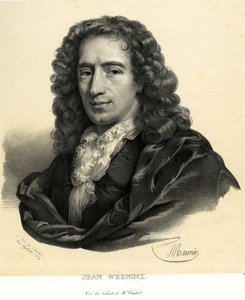
يان وينيك
1641 - 1719 , هولندا
لمحة سريعة
- Artistic Movement Or Style: الباروك الهولندي
- Artists Or Movements Influenced By This Artist: ['ماريا وينيك']
- Artists Who Influenced This Artist:
- يان بابتيست وينيك
- هيندريك فروم
- Date Of Birth: 1641
- Date Of Death: 1719
- Full Name: يان وينيك
- Nationality: هولندي
- Notable Artworks:
- طبيعة صامتة للصيد والفاكهة
- طبيعة صامتة مع أرنب
- قرد جالس
- الطاووس الأبيض
- Place Of Birth: أمستردام، هولندا
مقالات ذات صلة
Jan Steen: A Master of Dutch Genre Painting & the Golden Age
Explore the life & art of Jan Steen, a leading Dutch Golden Age painter renowned for his humorous genre scenes & insightful social commentary. Discover his techniques, legacy, and collecting tips.
Mastering Light and Shadow: The Chiaroscuro Revolution of Dutch Baroque Art
Explore the dramatic world of Dutch Baroque art. Discover how masters used chiaroscuro to revolutionize light and shadow, creating timeless psychological depth and texture in every canvas. A journey through the Golden Age for true art enthusiasts.

Golden Age Reflections: Dutch Baroque Painting & Cultural Innovation
Explore the Dutch Golden Age of painting! Discover key artists like Vermeer & ter Borch, their innovative techniques, and the rich cultural context behind these Baroque masterpieces. Learn about collecting & appreciating this iconic art period.

Dutch Baroque Masters: 10 Paintings That Shaped an Era | OriginalUniqueArt
Journey through the Golden Age with our guide to the Top 10 Dutch Baroque masterpieces! Explore iconic paintings by Rembrandt, Vermeer & Frans Hals. Find museum-quality art reproductions and elevate your home decor at OriginalUniqueArt.com.
Dutch Baroque Unlocked: Mastering Chiaroscuro, Epic Drama, and the High-Impact Legacy of Rembrandt
Explore the dramatic power of Dutch Baroque art. Master the secrets of Rembrandt’s chiaroscuro, discover the epic scale of the Golden Age, and learn how to bring high-impact, hand-painted historical masterpieces into your modern collection with expert precision.

