
 معاينة الحجم الواقعي
 إرسال
إرسال مشاركة
 عرض التفاصيل
 دليل الأعمال الفنية للطلاب

 تحميل
تحميل
 قطع مشابهة
 الأشعة السينية
 عرض شرائح متتابع
 الإحصائيات
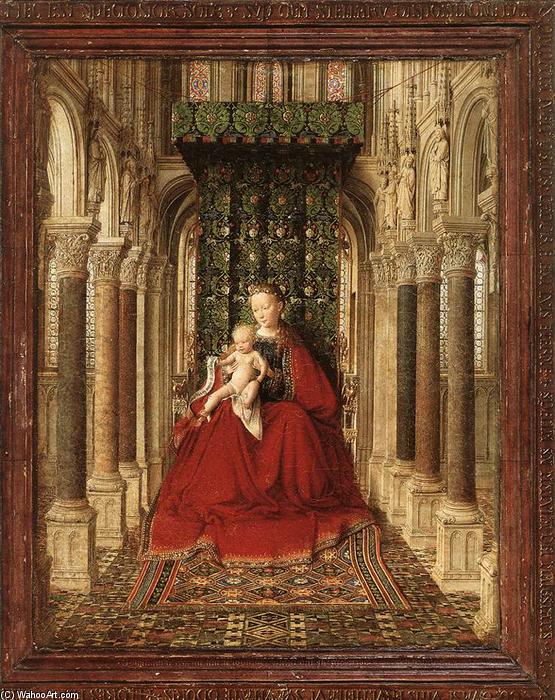
Small Triptych (central panel)
 ألوان زيتية
- لوحات جدارية
- Early Netherlandish Painting
 1437
1437- عصر النهضة
 27.0 x 21.0 cm
 جماعة الملاحر القدماء
 اقرأ المزيد
نسخة زيتية مصنوعة يدوياً
لوحة زيتية مرسومة يدوياً على الكانفاس بالمقاس والإطار الذي تفضله، تُنفذ حسب الطلب على أيدي فنانينا. ( التبديل إلى المطبوعات التحويل إلى الصورة الرقمية)




P118B E£10

P118H E£10

P118W E£10

P438Z E£10

P508JH E£12

P508YH E£12

P805H E£10

P805Z E£10

P919BZ E£10

P919G E£10

P919XJ E£10

P959ZH E£10

P968JZ E£12

W106C E£8

W218G E£10

W218JH E£8

W218Y E£10

W307PJ E£10

W316G E£10

W316PJ E£8

W316Y E£10

W398PJ E£8

W4111J E£10

W500HY E£15

W500JH E£15

W692G E£12

W849H E£8

W940BG E£15

W953PJ E£8




اختر من بين أحجامنا المُعدّة مسبقاً والتي تتوافق مع النسب الأصلية للعمل الفني.

أدخل العرض والارتفاع اللذين تحتاجهما، ليتناسب العمل مع إطارك أو جدارك. وبما أن هذه اللوحة مرسومة يدوياً، ففي حال اختيار مقاس بشكل مختلف، يمكن للفنان رسم مساحة إضافية حول الصورة أو تقليصها قليلاً — الخيار لك. سنرسل لك نموذجاً رقمياً تجريبياً لاعتماده قبل البدء في الرسم. علماً بأن الصورة المعروضة في هذه الصفحة لا تعكس النتيجة النهائية الحقيقية — فالنموذج التجريبي هو الوحيد الذي يوضح ذلك بدقة.
بعد إتمام الطلب، سيرسل فريق OriginalUniqueArt.com بريداً إلكترونياً للعميل لطلب التعليمات وتزويده بمعاينة تجريبية (mockup).
توصيل عالمي إلى خلال 3 إلى 4 أسابيع بدلاً من المدة المعتادة البالغة 5 أسابيع. (23 أكتوبر). جودة لا تهاون فيها.

شحن سريع ومجاني لجميع أنحاء العالم

قماش كتان فاخر

تأمين شامل على الشحن

ضمان استرداد الرسوم الجمركية

ضمان دقة مطابقة الألوان

سياسة الإرجاع خلال 100 يوم (في حالات العيوب فقط)

ضمان استرداد نقدي بنسبة 100%

عرض خصم الكميات
 خيار الزجاج متاح فقط للمقاسات التي تقل عن 110 سم

Small Triptych (central panel)
وسيط إعادة الإنتاج
مقاس النسخة المطبوعة
-


إجمالي السعر
E£ 15509
The Intimate World of Jan van Eyck's Central Panel
Within the confines of the ‘Small Triptych,’ a masterpiece by Jan van Eyck completed around 1437, resides a scene of profound serenity and quiet contemplation. This central panel, measuring just 27 x 21 centimeters, isn’t merely a depiction of a mother and child; it's an exquisitely rendered meditation on domesticity, faith, and the enduring bond between generations. Van Eyck, a pivotal figure in the Early Netherlandish movement, masterfully employs his revolutionary oil painting technique to capture not just the outward appearance but also the very essence of this intimate moment. The woman, seated comfortably within a simple chair, exudes an aura of gentle authority and profound love as she cradles her infant – a visual embodiment of nurturing and protection. The subtle modeling of her garments, achieved through layers of meticulously applied paint, creates a remarkable sense of tactile realism, inviting the viewer to almost feel the softness of the fabric against their fingertips.
Notice the deliberate placement of the figures within the space. They are not isolated but subtly integrated into a carefully constructed architectural setting. Three arches frame the scene, hinting at a sacred or domestic space—perhaps a chapel or a private chamber—and adding depth to the composition. Above the mother and child, a clock serves as a poignant reminder of time’s passage, anchoring the scene in both earthly reality and spiritual contemplation. The inclusion of this seemingly mundane object elevates it to a symbol of mortality and the preciousness of fleeting moments.
Light and Shadow: Van Eyck's Revolutionary Technique
What truly distinguishes Van Eyck’s work is his unparalleled mastery of light. He doesn’t simply paint light; he *creates* it, manipulating its effects to sculpt form and imbue the scene with a luminous quality. Unlike earlier painters who relied on tempera, which produced flat, lifeless surfaces, Van Eyck's use of oil paints allowed him to build up layers of color gradually, creating subtle gradations of tone and texture. This technique enabled him to achieve an astonishing level of realism – the way light catches on the woman’s hair, the delicate folds in her dress, and the soft glow around the infant are all testament to his skill.
The interplay of light and shadow is particularly evident in the modeling of the figures. Van Eyck uses highlights to accentuate their forms, creating a sense of three-dimensionality that was revolutionary for its time. The shadows, conversely, recede into the background, drawing the viewer’s eye towards the central figures and enhancing the overall sense of intimacy. This masterful control of light is not merely aesthetic; it serves to convey a profound emotional resonance, suggesting both serenity and a quiet reverence.
A Window into the Renaissance: Symbolism and Context
The ‘Small Triptych’ resides within the Gemäldegalerie Alte Meister in Dresden, Germany—a treasure trove of Early Netherlandish art. Van Eyck's work is deeply rooted in the International Gothic style, yet he pushed beyond its decorative flourishes to embrace a more naturalistic and realistic approach. His innovations in oil painting – particularly his ability to create luminous colors and incredibly detailed textures – profoundly influenced subsequent generations of artists. The triptych itself represents a shift towards private devotional art, moving away from the grand altarpieces commissioned by churches and towards smaller, more intimate works intended for domestic use.
The inclusion of elements like the clock and the arches suggests a connection to both earthly and spiritual realms. The mother-child relationship is central to Christian iconography, representing the Virgin Mary and Christ—a potent symbol of divine grace and salvation. The overall composition evokes a sense of timelessness, inviting viewers to contemplate the enduring power of family, faith, and the beauty of the everyday.
Bringing Jan van Eyck Home: A Hand-Painted Reproduction
OriginalUniqueArt offers exquisite, hand-painted reproductions of Jan van Eyck’s ‘Small Triptych (central panel)’, capturing the artist's revolutionary techniques and profound emotional depth. Each reproduction is meticulously crafted by our skilled artisans, using traditional oil painting methods to faithfully recreate Van Eyck’s luminous colors, intricate details, and masterful modeling. Owning a OriginalUniqueArt reproduction allows you to bring this iconic masterpiece into your home or office, celebrating the enduring legacy of one of art history's greatest masters. Explore our collection today and experience the magic of Van Eyck’s vision firsthand.
الأسئلة والأجوبة
من الذي أبدع "Small Triptych (central panel)"؟
يُنسب العمل "Small Triptych (central panel)" إلى يان فان إيك.
من الذي أبدع "Small Triptych (central panel)"، وفي أي عام؟
أبدع يان فان إيك لوحة "Small Triptych (central panel)" في عام 1437.
هل العمل "Small Triptych (central panel)" للفنان يان فان إيك ضمن الملكية العامة، ولماذا؟
تُعد لوحة "Small Triptych (central panel)" للفنان يان فان إيك من الأعمال التي تندرج ضمن ملك عام - انتهت مدة حماية حقوق الطبع والنشر الخاصة به. تُحتسب مدة حقوق الطبع والنشر بدءاً من تاريخ وفاة الفنان، وقد توفي يان فان إيك في عام 1441.
نبذة عن الفنان
عالم يضيء: حياة جان فان إيك
جان فان إيك، اسم يرتبط ببداية فن الرسم الفلمنكي المبكر والاستخدام الثوري للطلاء الزيتي، لا يزال شخصية غامضة على الرغم من تأثيره الهائل على تاريخ الفن. ولد حوالي عام 1390 في ماستريخت، الواقعة في ما هو الآن هولندا، وبرز فان إيك من عائلة متجذرة في التقاليد الفنية - كان شقيقه الأكبر هوبيرت أيضًا يمارس مهنة الرسم، على الرغم من أن التفاصيل المتعلقة بعمله لا تزال غامضة. وعلى الرغم من ندرة التفاصيل البيوغرافية الدقيقة، وخاصة فيما يتعلق بأعوام تكوينه الأولى، فمن الواضح أن جان كان يتمتع بموهبة فطرية وصعد بسرعة إلى الصدارة في الأوساط الفنية في عصره. بحلول عام 1422، أسس بالفعل ورشة عمل في لاهاي، وعين مساعدين، ونفذ عمولات أشارت إلى إتقانه للحرفة. لم يكن هذا النجاح المبكر يعتمد فقط على المهارة الفنية؛ كان فان إيك رجل ذكاء وجدارة بالثقة، وهي صفات سرعان ما ستجذب انتباه الرعاة الأقوياء.في خدمة بورغونيا: الدبلوماسية والازدهار الفني
جاءت لحظة محورية في مسيرة فان إيك مع تعيينه في بلاط بورغونيا، أولاً تحت حكم جون الثالث اللامبالي ثم فيليب الطيب. لم يكن هذا مجرد ترتيب للرعاية؛ فقد أُوكل إلى فان إيك مهام دبلوماسية، مما يدل على ثقة الدوق في سلمه وعقله. عرّضه لهذه الرحلات عبر أوروبا - بما في ذلك رحلات إلى البرتغال وإسبانيا - لثقافات متنوعة وتأثيرات فنية، مما شكل بمهارة أسلوبه المتطور. لم يوفر البلاط الأمن المالي فحسب، بل وفر أيضًا الوصول إلى الموارد التي سمحت لفان إيك بمتابعة مشاريع طموحة، ودفع حدود ما هو ممكن فنيًا. لم يكن مجرد رسام *لصالح* النخبة البورغونية؛ فقد أصبح جزءًا لا يتجزأ من عالمهم، مما يعكس ويعزز مكانتهم من خلال فنه. أتاح له هذا المنصب الفريد مستوى من الحرية الفنية نادرًا ما يتمتع به الرسامون في تلك الحقبة، مما سمح بالتجريب والابتكار اللذين سيغيران إلى الأبد مسار الرسم.كيمياء الزيت: ثورة في التقنية
على الرغم من أنه لم يكن مخترع طلاء الزيت - فقد تم استخدامه قبل فان إيك - إلا أنه سيد مُتقن بلا شك. قبل ابتكاراته، كان الطلاء المُزَجَّج هو الوسيط المهيمن، مما يوفر قدرات دمج محدودة وتشطيبًا غير لامع نسبيًا. كشف فان إيك عن الإمكانات الكاملة لطلاء الزيت من خلال وضع طبقات شفافة دقيقة، مما حقق مستوى غير مسبوق من التفاصيل والإشراق والواقعية. سمحت هذه التقنية بتدرجات لونية دقيقة وألوان أكثر ثراءً وإنشاء نسيج يحاكي الحياة نفسها. كان التأثير تحويليًا؛ بدت الأسطح وكأنها تتوهج من الداخل، وتمتلك الأقمشة جودة لمسية، والتقاط الصور ليس فقط الشبه ولكن أيضًا العمق النفسي. لم تكن إتقانه مجرد تقنية - بل كانت عملية كيميائية، تحول الأصباغ إلى شيء يشبه الواقع الحي. لم يمر هذا الابتكار دون أن يلاحظه أحد؛ فقد أصبح الأساس لأجيال من الرسامين الذين تبعوه، وغير بشكل أساسي مشهد الفن الغربي.روائع وإرث دائم
تُرسخ الإرث الفني لفان إيك بجسم عمل صغير نسبيًا ولكنه مؤثر بعمق. يقف لوحة جينت (1432)، وهي لوحة متعددة الألواح ضخمة، كأكثر مساعيه طموحًا - نسيج معقد من الرمزية الدينية والبراعة الفنية. وبالمثل، تشتهر الصورة الرائعة جيوفاني أرنولفيني وزوجته (1434) بعمل رائد في الرسم البورتريتي يحتفل بالواقعية والتفاصيل المعقدة والرمزية الغامضة. تشمل الأعمال الملحوظة الأخرى ثلاثية دريسدن، التي تعرض مهارته في تصوير المشاهد الدينية بوضوح ملحوظ، والصورة المؤثرة الرجل في الطربوش الأزرق، وهي شهادة على قدرته على التقاط الشخصية الفردية. هذه اللوحات ليست مجرد تمثيلات مرئية فحسب؛ إنها نوافذ إلى عالم آخر - عالم مُصَوَّر بدقة متناهية مع اهتمام شبه قهري بالتفاصيل. يمتد تأثير فان إيك إلى ما هو أبعد من الأعمال الشهيرة، مما شكل تطور الرسم الفلمنكي المبكر وألهم عددًا لا يحصى من الفنانين لعدة قرون قادمة. توفي في بروج عام 1441، تاركًا وراءه إرثًا لا يزال يتردد صداه حتى اليوم، ويذكرنا بقوة الفن في إضاءة التجربة الإنسانية.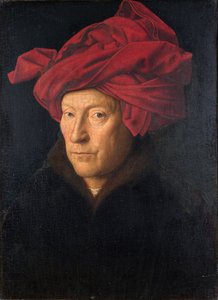
يان فان إيك
1390 - 1441 , هولندا
لمحة سريعة
- أعمال فنية بارزة:
- مذبح غنت
- صورة جيوفاني أرنولفيني وزوجته
- ثلاثية دريسدن
- رجل في طربوش أزرق
- الاسم الكامل: يان فان إيك
- الجنسية: فلمنكي
- الحركات الفنية المتأثرة: ['الرسامون الفلمنكيون المبكرون']
- الحركة الفنية: الرسم الفلمنكي المبكر
- تاريخ الميلاد: حوالي 1390
- مكان الميلاد: ماستريخت، هولندا
مقالات ذات صلة

Early Netherlandish Masters: 10 Paintings That Revolutionized Art & Decor
Journey into the Early Netherlandish Renaissance! Explore 10 iconic paintings by Jan van Eyck, Rogier van der Weyden & more. Discover stunning detail, symbolism, and oil painting techniques. Find museum-quality art reproductions for your home at OriginalUniqueArt.com.

Illuminating Realism: A Comprehensive Exploration of the Early Netherlandish Renaissance Movement
Explore the captivating world of Early Netherlandish painting! Discover Jan van Eyck & other Flemish masters, their revolutionary techniques, hidden symbolism, and lasting legacy. A comprehensive guide for art enthusiasts.

Early Netherlandish Masters: 10 Paintings That Revolutionized Art & Decor
Journey into the world of Early Netherlandish painting! Explore 10 masterpieces by Jan van Eyck, Rogier van der Weyden & more. Discover stunning detail, symbolism & Renaissance art for your home decor. Find museum-quality reproductions on OriginalUniqueArt.com

Jan van Eyck: Innovation, Symbolism & the Dawn of Early Netherlandish Painting
Explore the revolutionary art of Jan van Eyck! Discover his groundbreaking oil painting techniques, hidden symbolism, and lasting impact on the Early Netherlandish Renaissance. A deep dive for art enthusiasts.

Early Netherlandish Renaissance: A Professional Guide to Mastering Detail and Realism for Luxury Interior Design
Expert guide for hotel designers on sourcing Early Netherlandish Renaissance reproductions. Discover how the hyper-realism of Jan van Eyck can elevate hospitality interiors through high-quality, large-scale oil paintings and custom multi-panel installations.


