() ·

لوحة صُنعت لك، يدوياً

God the Father

نسخة زيتية مرسومة يدوياً

لوحة زيتية مرسومة يدوياً على الكانفاس بالمقاس والإطار الذي تفضله، تُنفذ حسب الطلب على أيدي فنانينا. ( التبديل إلى نسخة مطبوعة الانتقال إلى الصورة الرقمية)

وصف القطعة المقتناة

السيرة الذاتية للفنان

يان فان إيك (1390-1441): رائد الرسم الفلمنكي المبكر، اشتهر بإتقانه للرسم الزيتي ولوحاته الواقعية الرائدة مثل لوحة أرنولفيني و المذبح في غنت. استكشف فن عصر النهضة الشمالي!

بدءاً من ·

الفصل ١

ما الحجم المناسب؟

مرر لتغيير الحجم؛ تُظهر الصورة على اليسار الإطار بعرضه الحقيقي، مع الحفاظ على أبعاد العمل الأصلي.

قياسي
حسب الطلب
CM
INCH

اختر من بين أحجامنا المُعدّة مسبقاً والتي تتوافق مع النسب الأصلية للعمل الفني.

العرض
الارتفاع

أدخل العرض والارتفاع اللذين تحتاجهما ليتناسب العمل مع إطارك أو جدارك. وبما أن هذه اللوحة مرسومة يدوياً، ففي حال اختيار مقاس بأبعاد مختلفة، يمكن للفنان رسم مساحة إضافية حول الصورة أو تقليصها قليلاً — الخيار لك. سنرسل لك نموذجاً رقمياً تجريبياً لاعتماده قبل البدء في الرسم. علماً بأن الصورة المعروضة في هذه الصفحة لا تعكس النتيجة النهائية الحقيقية، فالنموذج التجريبي هو الوحيد الذي يوضح ذلك بدقة.

الفصل ٢

كيف تود استلامه؟

اختر حواف اللوحة القماشية المشدودة

اختر إطارك

Corner sample of the WhiteWrap canvas edge finish, stretched on خشب طبيعي صلب bars
أبيض E£1
Corner sample of the BlurSideWrap canvas edge finish, stretched on خشب طبيعي صلب bars
حواف ضبابية E£1
Corner sample of the ExtendedWrap canvas edge finish, stretched on خشب طبيعي صلب bars
ممتد الحواف E£1
Corner sample of the P118B picture frame: بوليسترين مُشكّل, 5 cm wide and 3 cm thick
P118B E£10
Corner sample of the P118H picture frame: بوليسترين مُشكّل, 5 cm wide and 3 cm thick
P118H E£10
Corner sample of the P118W picture frame: بوليسترين مُشكّل, 5 cm wide and 3 cm thick
P118W E£10
Corner sample of the P438Z picture frame: بوليسترين مُشكّل, 5.5 cm wide and 3.5 cm thick
P438Z E£10
Corner sample of the P508JH picture frame: بوليسترين مُشكّل, 7 cm wide and 3.5 cm thick
P508JH E£12
Corner sample of the P508YH picture frame: بوليسترين مُشكّل, 7 cm wide and 3.5 cm thick
P508YH E£12
Corner sample of the P805H picture frame: بوليسترين مُشكّل, 5 cm wide and 3.5 cm thick
P805H E£10
Corner sample of the P805Z picture frame: بوليسترين مُشكّل, 5 cm wide and 3.5 cm thick
P805Z E£10
Corner sample of the P919BZ picture frame: بوليسترين مُشكّل, 7 cm wide and 3.5 cm thick
P919BZ E£10
Corner sample of the P919G picture frame: بوليسترين مُشكّل, 7 cm wide and 3.5 cm thick
P919G E£10
Corner sample of the P919XJ picture frame: بوليسترين مُشكّل, 7 cm wide and 3.5 cm thick
P919XJ E£10
Corner sample of the P959ZH picture frame: بوليسترين مُشكّل, 5 cm wide and 3 cm thick
P959ZH E£10
Corner sample of the P968JZ picture frame: بوليسترين مُشكّل, 6 cm wide and 4 cm thick
P968JZ E£12
Corner sample of the W106C picture frame: خشب طبيعي صلب, 5 cm wide and 3 cm thick
W106C E£8
Corner sample of the W218G picture frame: خشب طبيعي صلب, 5 cm wide and 3 cm thick
W218G E£10
Corner sample of the W218JH picture frame: خشب طبيعي صلب, 5 cm wide and 3 cm thick
W218JH E£8
Corner sample of the W218Y picture frame: خشب طبيعي صلب, 5 cm wide and 3 cm thick
W218Y E£10
Corner sample of the W307PJ picture frame: خشب طبيعي صلب, 6 cm wide and 3 cm thick
W307PJ E£10
Corner sample of the W316G picture frame: خشب طبيعي صلب, 6 cm wide and 3 cm thick
W316G E£10
Corner sample of the W316PJ picture frame: خشب طبيعي صلب, 6 cm wide and 3 cm thick
W316PJ E£8
Corner sample of the W316Y picture frame: خشب طبيعي صلب, 6 cm wide and 3 cm thick
W316Y E£10
Corner sample of the W398PJ picture frame: خشب طبيعي صلب, 5 cm wide and 3 cm thick
W398PJ E£8
Corner sample of the W4111J picture frame: خشب طبيعي صلب, 6.5 cm wide and 3.5 cm thick
W4111J E£10
Corner sample of the W500HY picture frame: خشب طبيعي صلب, 7 cm wide and 5 cm thick
W500HY E£15
Corner sample of the W500JH picture frame: خشب طبيعي صلب, 7 cm wide and 5 cm thick
W500JH E£15
Corner sample of the W692G picture frame: خشب طبيعي صلب, 8 cm wide and 4 cm thick
W692G E£12
Corner sample of the W849H picture frame: خشب طبيعي صلب, 5 cm wide and 3 cm thick
W849H E£8
Corner sample of the W940BG picture frame: خشب طبيعي صلب, 7.5 cm wide and 4.5 cm thick
W940BG E£15
Corner sample of the W953PJ picture frame: خشب طبيعي صلب, 6 cm wide and 3.5 cm thick
W953PJ E£8
Corner sample of the H24-GOLD picture frame: خشب منحوت مع الجبس, 10 cm wide and 6 cm thick
H24-GOLD E£30
Corner sample of the H24-SILVER picture frame: خشب منحوت مع الجبس, 10 cm wide and 6 cm thick
H24-SILVER E£30
Corner sample of the H36-GOLD picture frame: خشب منحوت مع الجبس, 15 cm wide and 6.5 cm thick
H36-GOLD E£45
Corner sample of the H36-SILVER picture frame: خشب منحوت مع الجبس, 15 cm wide and 6.5 cm thick
H36-SILVER E£45

الإطار: . الحجم الإجمالي مع الإطار: .

الفصل ٣

من الذي يرسمها، وهل يجب تغيير أي شيء؟

أمثلة على ما يمكن تغييره: استبدال الوجه بصورة العميل؛ إضافة حيوان أليف (على سبيل المثال، استبدال قطة بكلب)؛ تضمين رسالة مخفية في الخلفية؛ تغيير المناظر الطبيعية أو العناصر في الخلفية.
بعد الطلب، سيقوم فريق OriginalUniqueArt.com بمراسلة العميل عبر البريد الإلكتروني للحصول على التعليمات وتزويده بمعاينة تجريبية للعمل

توصيل عالمي إلى خلال 3 إلى 4 أسابيع بدلاً من المدة المعتادة البالغة 5 أسابيع. (6 نوفمبر). جودة لا تهاون فيها.

الفصل ٤

اللمسات الأخيرة

لوحة تعريفية، تماماً كما في المتاحف؟

تفاصيل اللوحة البرونزية المحفورة

This elegant plaque features the artist's name and the title of the artwork, finely engraved for a timeless presentation.

It is made from bronze with a refined, elegant finish. The text is precisely laser-engraved for a sharp and permanent result. Measuring 9x2 cm, the plaque is compact yet easy to read. It's built to be durable and scratch-resistant, offering a professional, museum-quality look. Mounting is simple thanks to the included adhesive backing.

تفاصيل اللوحة الأكريليكية الشفافة

The plaque includes essential engraved details such as the artist's name, the title of the artwork, the date it was created, the type of media used-like oil on canvas or watercolor-a brief description of the piece, and a QR code that links to the complete artwork information.

It is crafted from clear acrylic, offering a sleek, modern appearance. The text is UV-engraved in black to ensure strong visual contrast. With a size of 10x15 cm, it ensures optimal readability. It comes equipped with two metal hooks for secure wall mounting. The plaque is designed to be weather-resistant, making it suitable for various environments, and it includes interactive features that work seamlessly with smartphone scanning.

تفاصيل اللوحة الأكريليكية السوداء

This elegant plaque includes engraved information such as the artist's name, the title of the artwork, the date it was created, the type of media used (like oil on canvas or watercolor), a short description of the artwork, and a QR code for quick access to more information.

The plaque itself is made from refined black acrylic with a premium finish. The text is laser-engraved in white for high contrast and readability. Its size is 10x15 cm, designed to be easy to read. It comes with two metal hooks for professional mounting. The design is sleek and fits any interior style. It is also weather-resistant and durable, with built-in digital integration for mobile compatibility.

ورنيش واقٍ؟

متى تحتاجها؟

الفصل ٥

لوحتك، تماماً كما طلبتها

God the Father

خامة النسخة المطبوعة

مقاس النسخة المطبوعة

-

نخبة كبار الفنانين

مزيد من التفاصيل، والبراعة، ووقت إضافي للإنتاج

-

إطار النسخة المطبوعة

-

-

بالنسبة للأعمال الفنية أو النسخ المطبوعة التي يتجاوز طول أي من أضلاعها 105 سم (حوالي 41 بوصة)، سيتم شحن الإطار كمجموعة مفككة؛ حيث تضمن هذه الطريقة سلامة التوصيل وتمنع حدوث أي أضرار أثناء النقل.

يتطلب الأمر تجميعاً احترافياً - هذا المنتج ليس مخصصاً للتركيب الذاتي.
يجب تجميع المجموعة وشد القماش بواسطة فني إطارات محترف وخبير، باستخدام غراء الخشب (غير مرفق)، وكماشة شد القماش، وملاقط لتثبيت القضبان بشكل مستوٍ أثناء جفاف الغراء. إن التجميع غير الصحيح أو عدم توازن شد القماش قد يؤدي إلى تلف العمل الفني بشكل دائم، وهو أمر لا يغطيه الضمان الخاص بنا.

  • تتضمن المجموعة جميع القطع الخشبية الصلبة، والمقطعة بدقة لتناسب المقاسات المطلوبة.

  • يتم التجميع باستخدام البراغي المرفقة، بالإضافة إلى غراء الخشب للوصلات الزاوية، وهو غير مرفق ويجب توفيره من قبل فني التأطير الخاص بك.

  • تتطلب العملية استخدام أدوات احترافية غير مدرجة في المجموعة: مثل زرادية شد القماش (أداة شد) وملاقط لتثبيت القضبان بشكل مستوٍ أثناء جفاف الغراء.

تنبيه هام:
تتطلب الوصلات الزاوية استخدام غراء الخشب، كما يجب تثبيت القضبان باستخدام المشابك حتى يجف الغراء تماماً، ويتطلب شد القماش على الإطار المجمع استخدام كماشة شد القماش. لا تشتمل المجموعة على أي من هذه الأدوات؛ لذا يرجى التواصل مع فني تأطير محترف قبل طلب هذا المقاس.

بطاقة التعريف

-

-

ورنيش واقٍ

ورنيش لامع (يُبرز الألوان ويحمي من الضوء والرطوبة)

-

تخصيص عملي الفني

أمثلة على التعديلات المتاحة: استبدال الوجه بصورة العميل؛ إضافة حيوان أليف (مثل استبدال قطة بكلب)؛ إدراج رسالة مخفية في الخلفية؛ تغيير المناظر الطبيعية أو العناصر في الخلفية.

-

شحن سريع

توصيل عالمي إلى خلال 3-4 أسابيع بدلاً من المدة المعتادة البالغة 5 أسابيع. (6 نوفمبر). جودة لا تضاهى.

-

شحن سريع

توصيل عالمي إلى خلال 5 أسابيع. (13 نوفمبر).

مُضمَّن

إجمالي السعر النهائي

E£ 15712

إجمالي السعر E£ 15712

خيار الزجاج متاح فقط للمقاسات التي تقل عن 110 سم

مرفق مع كل طلب

  • شحن سريع ومجاني لجميع أنحاء العالم
  • قماش كتان عالي الجودة
  • تأمين شامل على الشحن
  • ضمان استرداد الرسوم الجمركية
  • ضمان مطابقة الألوان الحقيقية
  • سياسة الإرجاع خلال 100 يوم (في حالات العيوب فقط)
  • ضمان استرداد نقدي بنسبة 100%
  • خصم عند طلب كميات

God the Father: A Testament to Renaissance Faith

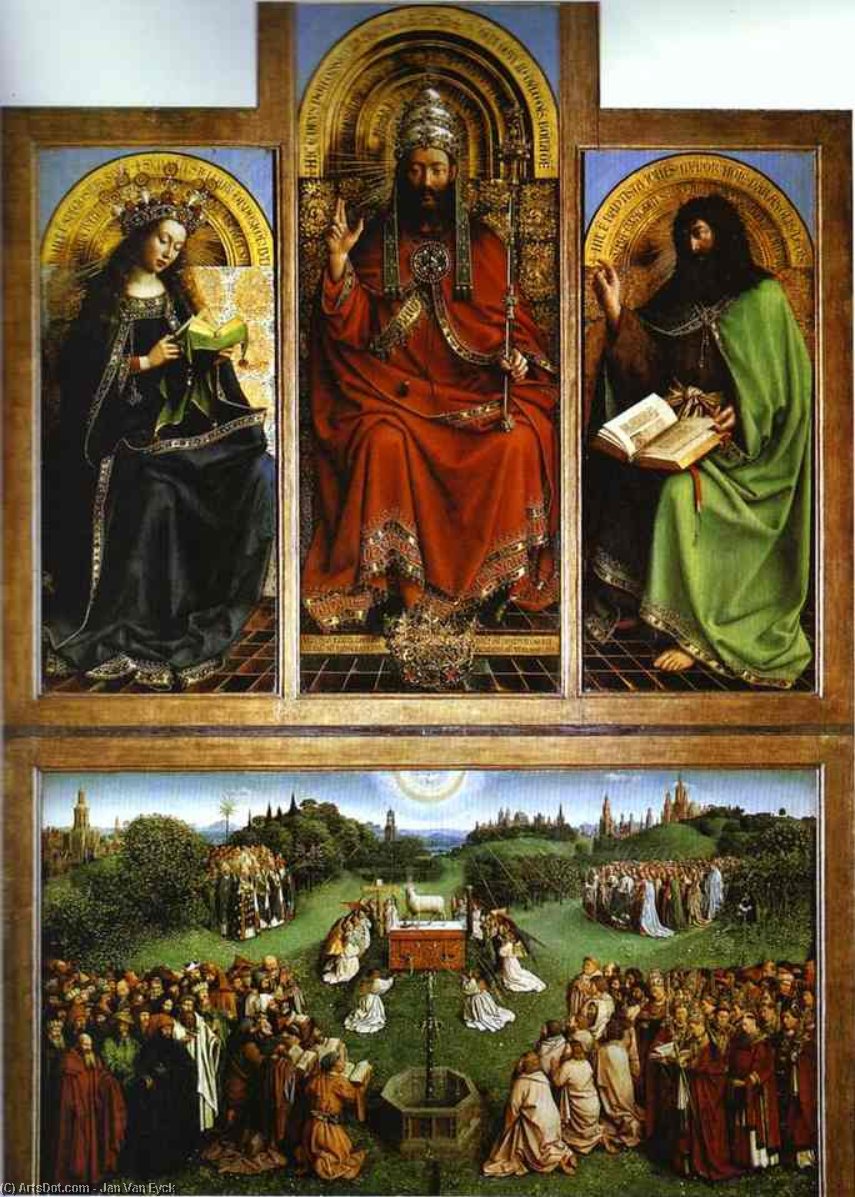
Jan van Eyck’s “God the Father,” completed in 1432, stands as an unparalleled achievement of Early Netherlandish painting and embodies the spiritual fervor that characterized the burgeoning Northern Renaissance. More than just a depiction of religious iconography, this monumental panel—measuring 212 x 83 cm—represents a pivotal moment in artistic history, marking the decisive adoption of oil paint on wood and establishing Van Eyck as a pioneer whose influence reverberates through subsequent generations of artists. Its location within St Bavo’s Cathedral in Ghent serves as a constant reminder of its enduring significance within Flemish religious culture.

Composition and Symbolism: The Trinity Embodied

The painting's composition is deliberately structured to convey profound theological concepts. At its core lies a triad—three figures representing Jesus Christ seated upon thrones, each holding a book—a visual representation of the Holy Trinity. This deliberate arrangement transcends mere artistic convention; it speaks directly to Christian doctrine, emphasizing God’s unity and divine majesty. The central figure is crowned with laurel wreaths, symbolizing his regal authority as King of Heaven, while the flanking figures lack crowns, signifying their roles as the Son and Holy Spirit—figures subordinate yet equally vital in God's plan. Surrounding these central saints are attendants – kneeling figures expressing reverence – further reinforcing the solemn atmosphere and inviting contemplation. An angel positioned prominently on the upper right corner adds to the celestial grandeur of the scene, anchoring it within a realm beyond earthly comprehension.

Technique: The Revolutionary Brilliance of Oil Paint

What distinguishes “God the Father” from its contemporaries is undeniably Van Eyck’s masterful manipulation of oil paint—a technique that had begun to gain traction in Northern Europe but was still considered experimental at the time. Unlike tempera, which relies on pigment bound with egg yolk and dries quickly, oil paint allows for gradual layering and blending, resulting in astonishing luminosity and depth. This meticulous attention to detail is evident throughout the painting: observe the subtle gradations of color, capturing the textures of drapery and skin with breathtaking accuracy. The artist’s painstaking rendering of light and shadow creates a palpable sense of realism—a characteristic hallmark of Early Netherlandish art that distinguishes it from the more stylized approaches favored in Italy during the Renaissance.

Historical Context: Shaping the Northern Renaissance Aesthetic

“God the Father” emerged against the backdrop of a transformative period for European culture – the Early Netherlandish Art Movement. This movement, fueled by humanist ideals and driven by independent artistic exploration, diverged significantly from the dominant Italian Renaissance style. Artists like Van Eyck prioritized meticulous observation and realistic representation, rejecting idealized forms in favor of capturing the nuances of human anatomy and naturalistic landscapes. The painting’s influence extended far beyond Ghent; it served as a model for subsequent artists across Europe, establishing a distinctive visual language that would define the Northern Renaissance aesthetic for decades to come.

Emotional Impact: Reverence and Spiritual Reflection

Ultimately, “God the Father” transcends mere artistic skill; it communicates profound spiritual emotion. The painting’s serene stillness invites viewers into a meditative state—a space for contemplation on faith, humility, and divine grace. Its luminous colors and intricate detail evoke a sense of wonder and reverence, transporting the observer to a realm of celestial beauty. As a testament to Van Eyck's genius and the enduring power of religious art, “God the Father” continues to inspire awe and admiration centuries after its creation—a timeless masterpiece that embodies the very essence of Renaissance spirituality.

الأسئلة والأجوبة

ما مدى قوة التباين في "God the Father" للفنان يان فان إيك؟

يبلغ مستوى التباين في "God the Father" للفنان يان فان إيك درجة Statement.

هل تُعدّ "God the Father" للفنان يان فان إيك لوحةً زاهية الألوان أم داكنة؟

يبلغ مستوى السطوع الملحوظ في لوحة "God the Father" للفنان يان فان إيك نسبة shadow، مما يتيح تناغمها مع الإضاءة في المساحة المخصصة لها.

هل ألوان "God the Father" زاهية أم خافتة؟

تتميز لوحة "God the Father" للفنان يان فان إيك بدرجة تشبع تبلغ Balanced Soft وكثافة لونية تصل إلى Balanced.

المزيد حول هذه اللوحة

معاينة الحجم الواقعي معاينة بالواقع المعزز التبديل إلى نسخة مطبوعة الانتقال إلى الصورة الرقمية مشاركة
التفاصيل دليل أضف إلى المفضلة تحميل الملف قطع مشابهة الأشعة السينية عرض شرائح الأسئلة والأجوبة الإحصائيات

بالأرقام

  • 1432سنة الرسم
  • 29إطارات للاختيار من بينها
  • مقاسات قياسية، بأبعادها الخاصة
  • 5أسابيع للرسم والتوصيل
يان فان إيك

يان فان إيك

1390 - 1441, هولندا

حقائق سريعة عن يان فان إيك

  • أعمال فنية بارزة:
    • مذبح غنت
    • صورة جيوفاني أرنولفيني وزوجته
    • ثلاثية دريسدن
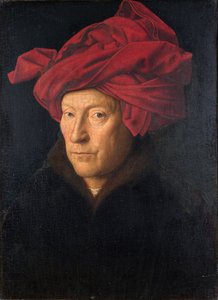
    • رجل في طربوش أزرق
  • الاسم الكامل: يان فان إيك
  • الجنسية: فلمنكي
  • الحركات الفنية المتأثرة: ['الرسامون الفلمنكيون المبكرون']
  • الحركة الفنية: الرسم الفلمنكي المبكر
  • تاريخ الميلاد: حوالي 1390
  • مكان الميلاد: ماستريخت، هولندا

السيرة الذاتية للفنان

عالم يضيء: حياة جان فان إيك

جان فان إيك، اسم يرتبط ببداية فن الرسم الفلمنكي المبكر والاستخدام الثوري للطلاء الزيتي، لا يزال شخصية غامضة على الرغم من تأثيره الهائل على تاريخ الفن. ولد حوالي عام 1390 في ماستريخت، الواقعة في ما هو الآن هولندا، وبرز فان إيك من عائلة متجذرة في التقاليد الفنية - كان شقيقه الأكبر هوبيرت أيضًا يمارس مهنة الرسم، على الرغم من أن التفاصيل المتعلقة بعمله لا تزال غامضة. وعلى الرغم من ندرة التفاصيل البيوغرافية الدقيقة، وخاصة فيما يتعلق بأعوام تكوينه الأولى، فمن الواضح أن جان كان يتمتع بموهبة فطرية وصعد بسرعة إلى الصدارة في الأوساط الفنية في عصره. بحلول عام 1422، أسس بالفعل ورشة عمل في لاهاي، وعين مساعدين، ونفذ عمولات أشارت إلى إتقانه للحرفة. لم يكن هذا النجاح المبكر يعتمد فقط على المهارة الفنية؛ كان فان إيك رجل ذكاء وجدارة بالثقة، وهي صفات سرعان ما ستجذب انتباه الرعاة الأقوياء.

في خدمة بورغونيا: الدبلوماسية والازدهار الفني

جاءت لحظة محورية في مسيرة فان إيك مع تعيينه في بلاط بورغونيا، أولاً تحت حكم جون الثالث اللامبالي ثم فيليب الطيب. لم يكن هذا مجرد ترتيب للرعاية؛ فقد أُوكل إلى فان إيك مهام دبلوماسية، مما يدل على ثقة الدوق في سلمه وعقله. عرّضه لهذه الرحلات عبر أوروبا - بما في ذلك رحلات إلى البرتغال وإسبانيا - لثقافات متنوعة وتأثيرات فنية، مما شكل بمهارة أسلوبه المتطور. لم يوفر البلاط الأمن المالي فحسب، بل وفر أيضًا الوصول إلى الموارد التي سمحت لفان إيك بمتابعة مشاريع طموحة، ودفع حدود ما هو ممكن فنيًا. لم يكن مجرد رسام *لصالح* النخبة البورغونية؛ فقد أصبح جزءًا لا يتجزأ من عالمهم، مما يعكس ويعزز مكانتهم من خلال فنه. أتاح له هذا المنصب الفريد مستوى من الحرية الفنية نادرًا ما يتمتع به الرسامون في تلك الحقبة، مما سمح بالتجريب والابتكار اللذين سيغيران إلى الأبد مسار الرسم.

كيمياء الزيت: ثورة في التقنية

على الرغم من أنه لم يكن مخترع طلاء الزيت - فقد تم استخدامه قبل فان إيك - إلا أنه سيد مُتقن بلا شك. قبل ابتكاراته، كان الطلاء المُزَجَّج هو الوسيط المهيمن، مما يوفر قدرات دمج محدودة وتشطيبًا غير لامع نسبيًا. كشف فان إيك عن الإمكانات الكاملة لطلاء الزيت من خلال وضع طبقات شفافة دقيقة، مما حقق مستوى غير مسبوق من التفاصيل والإشراق والواقعية. سمحت هذه التقنية بتدرجات لونية دقيقة وألوان أكثر ثراءً وإنشاء نسيج يحاكي الحياة نفسها. كان التأثير تحويليًا؛ بدت الأسطح وكأنها تتوهج من الداخل، وتمتلك الأقمشة جودة لمسية، والتقاط الصور ليس فقط الشبه ولكن أيضًا العمق النفسي. لم تكن إتقانه مجرد تقنية - بل كانت عملية كيميائية، تحول الأصباغ إلى شيء يشبه الواقع الحي. لم يمر هذا الابتكار دون أن يلاحظه أحد؛ فقد أصبح الأساس لأجيال من الرسامين الذين تبعوه، وغير بشكل أساسي مشهد الفن الغربي.

روائع وإرث دائم

تُرسخ الإرث الفني لفان إيك بجسم عمل صغير نسبيًا ولكنه مؤثر بعمق. يقف لوحة جينت (1432)، وهي لوحة متعددة الألواح ضخمة، كأكثر مساعيه طموحًا - نسيج معقد من الرمزية الدينية والبراعة الفنية. وبالمثل، تشتهر الصورة الرائعة جيوفاني أرنولفيني وزوجته (1434) بعمل رائد في الرسم البورتريتي يحتفل بالواقعية والتفاصيل المعقدة والرمزية الغامضة. تشمل الأعمال الملحوظة الأخرى ثلاثية دريسدن، التي تعرض مهارته في تصوير المشاهد الدينية بوضوح ملحوظ، والصورة المؤثرة الرجل في الطربوش الأزرق، وهي شهادة على قدرته على التقاط الشخصية الفردية. هذه اللوحات ليست مجرد تمثيلات مرئية فحسب؛ إنها نوافذ إلى عالم آخر - عالم مُصَوَّر بدقة متناهية مع اهتمام شبه قهري بالتفاصيل. يمتد تأثير فان إيك إلى ما هو أبعد من الأعمال الشهيرة، مما شكل تطور الرسم الفلمنكي المبكر وألهم عددًا لا يحصى من الفنانين لعدة قرون قادمة. توفي في بروج عام 1441، تاركًا وراءه إرثًا لا يزال يتردد صداه حتى اليوم، ويذكرنا بقوة الفن في إضاءة التجربة الإنسانية.

معلومات سريعة

  • Artistic style: Realistic; Detailed shading
  • Movement: Early Netherlandish Art
  • Artist: Jan van Eyck
  • Influences: Medieval art
  • Location: Private Collection
  • Medium: Oil on panel

اختبار الفنون

لكل سؤال إجابة صحيحة واحدة فقط.

سؤال 1:
What artistic movement is Jan Van Eyck considered a pivotal figure in?
سؤال 2:
The Ghent Altarpiece depicts which religious symbol?
سؤال 3:
What technique did Jan Van Eyck employ that distinguished him from artists of his time?
سؤال 4:
Approximately when was the Ghent Altarpiece created?
سؤال 5:
The central figure in God the Father wears a crown, symbolizing what role?