

 معاينة الحجم الحقيقي
 مشاركة
 مشاركة
 التفاصيل

 تحميل الملف
 قطع مشابهة
 الأشعة السينية
 عرض شرائح
Winter Landscape with a Windmill
 Oil On Canvas
- WallArt
- Dutch Golden Age
 1650
1650 16.0 x 21.0 cm
 متحف الإرميتاج
 عرض المزيد
طباعة جيلي / مطبوعات فنية
طباعة جيكلي أو كانفاس بجودة المتاحف، مع سرعة في التنفيذ وخيارات متنوعة للتشطيب. ( اشترِ لوحة مرسومة يدويًا اشترِ الصورة)




P118B $10

P118H $10

P118W $10

P438Z $10

P508JH $12

P508YH $12

P805H $10

P805Z $10

P919BZ $10

P919G $10

P919XJ $10

P959ZH $10

P968JZ $12

W106C $8

W218G $10

W218JH $8

W218Y $10

W307PJ $10

W316G $10

W316PJ $8

W316Y $10

W398PJ $8

W4111J $10

W500HY $15

W500JH $15

W692G $12

W849H $8

W940BG $15

W953PJ $8




اختر من بين أحجامنا المُعدّة مسبقًا والتي تتطابق مع النسب الأصلية للعمل الفني.

يمكنك إدخال أبعادك الخاصة لتناسب إطاراً أو مساحة معينة. وإذا لم يتطابق الحجم الذي اخترته مع نسب الصورة الأصلية، فسنقوم إما بقص العمل الفني أو تمديد الصورة باستخدام حافة معكوسة أو بلون مصمت. سيتم إرسال نموذج تجريبي رقمي لاعتمادك قبل بدء الإنتاج.
يرجى ملاحظة أن المعاينة على الشاشة لا تعكس عملية القص أو التمديد الفعلية؛ حيث سيوضح النموذج التجريبي فقط التكوين النهائي بدقة.
وعلى الرغم من توفر أحجام مخصصة، إلا أننا نوصي باختيار أبعاد من القائمة المحددة مسبقاً للحفاظ على النسب الأصلية.
توصيل عالمي إلى خلال أسبوعين بدلاً من المدة القياسية البالغة 4/5 أسابيع. 23 أغسطس

شحن سريع ومجاني لجميع أنحاء العالم

قماش كتان عالي الجودة

تأمين شحن شامل

ضمان استرداد الرسوم الجمركية

ضمان مطابقة الألوان الحقيقية

سياسة الإرجاع خلال 60 يومًا (في حالات العيوب فقط)

ضمان استرداد نقدي بنسبة 100%

خصم عند طلب عدة قطع
 خيار الزجاج متاح فقط للمقاسات التي تقل عن 110 سم

Winter Landscape with a Windmill
طباعة جيلي / مطبوعات فنية
مقاس النسخة المطبوعة
-


السعر الإجمالي النهائي
$ 80
وصف القطعة الفنية
Winter Landscape with a Windmill – A Dutch Baroque Masterpiece
The artwork “Winter Landscape with a Windmill,” painted by Jan Miense Molenaer in 1650, stands as a quintessential example of Dutch Golden Age landscape painting—a genre that captured the beauty and drama of the natural world during Europe’s artistic zenith. More than just a depiction of winter scenery, it embodies a profound meditation on human existence against the backdrop of an austere yet captivating environment. Located within the Hermitage Museum in Saint Petersburg, Russia, this piece continues to resonate with viewers centuries later due to its masterful execution and subtle symbolic layering.Composition and Technique: Embracing Atmospheric Perspective
Molenaer’s artistic prowess is immediately evident in his meticulous attention to detail and his skillful manipulation of atmospheric perspective—a technique central to Baroque painting. The canvas presents a panoramic vista dominated by snow-covered fields stretching towards distant hills, punctuated by the solitary presence of a windmill silhouetted against the pale winter sky. Lines are strategically employed to delineate forms – buildings, trees, and figures – creating a sense of depth and spatial realism that was revolutionary for its time. Brushstrokes are visible, contributing to a textured surface—an impasto technique characteristic of Molenaer’s style and reflecting the influence of Adriaen van Ostade, another prominent Dutch genre painter. The muted palette—primarily browns, grays, and blues—further enhances the melancholic mood conveyed by the scene.Subject Matter: Everyday Life Amidst Stark Beauty
The painting depicts a group of bundled-up figures observing an ice skating activity on frozen water. These individuals are rendered with remarkable accuracy, capturing not only their physical appearance but also their expressions – conveying quiet contemplation and perhaps a hint of wistfulness. The windmill itself serves as a symbol of industriousness and resilience—a reminder that even in the harshest conditions, human endeavor persists. However, beyond its literal representation, the landscape speaks to broader themes of solitude, observation, and the acceptance of life’s inevitable hardships. It's a scene designed to evoke contemplation rather than grand spectacle.Historical Context: Reflecting Dutch Society
Painted during the Dutch Golden Age (approximately 1600-1700), “Winter Landscape with a Windmill” reflects the intellectual and artistic currents of the era—a period marked by burgeoning scientific inquiry, humanist ideals, and an unprecedented flourishing of artistic creativity. Molenaer’s work aligns closely with the stylistic conventions established by Frans Hals, whose portraits captured the immediacy and vitality of human emotion. The painting exemplifies the Baroque preoccupation with portraying realistic scenes infused with psychological depth—a departure from earlier Mannerist styles that prioritized stylized forms and idealized representations.Symbolism: Quiet Contemplation and Resilience
The bleak winter landscape serves as a powerful metaphor for confronting life’s challenges with grace and fortitude. The windmill, despite its isolation against the vast expanse of snow, symbolizes perseverance and the enduring spirit of humanity. Similarly, the figures engaged in ice skating represent leisure amidst adversity—a celebration of human activity and connection within a challenging environment. Molenaer's masterful use of color and light contributes to this symbolic resonance, creating an atmosphere that invites viewers to ponder the complexities of existence. ### Artistic Legacy: A Precursor to Steen’s Style Jan Miense Molenaer’s “Winter Landscape with a Windmill” holds a significant place in art history as it foreshadowed the distinctive style of Jan Steen—another influential Dutch Golden Age painter known for his lively depictions of everyday life and biblical narratives. Molenaer's meticulous realism and expressive brushwork established a precedent that would inspire subsequent generations of artists, cementing his reputation as a pivotal figure in shaping the artistic landscape of the Baroque period.السيرة الذاتية للفنان
العالم الحميم لأستاذ هولندي
يان مينيسا مولناير، ذلك الاسم الذي يتردد بهمس بين كبار أساتذة العصر الذهبي الهولندي، يستحضر في الأذهان صوراً من الدفء المنزلي والتفاعل الإنساني النابض بالحياة. ولد في هارلم عام 1610، لتتفتح فصول حياته وسط النسيج الغني للمجتمع الهولندي في القرن السابع عشر. لم يكن مولناير مجرد مؤرخ للمشاهد؛ بل كان مراقباً امتلك قدرة خارقة على التقاط اللحظات العابرة من الوجود اليومي. وقد شهدت رحلته الفنية تطور أسلوب عكس في بداياته التألق المبكر لفرانز هالس، مما عكس براعة في تجسيد الإيماءات العفوية. ومع نضوج مسيرته المهنية، بدأت ريشته تستقر في حوار أكثر دقة وعمقاً مع العمق الجوي الذي ميز أسلوب أدريان فان أوستاد.
رسام المشاهد والروح
لقد وجد عبقريته أسمى تجلياته التعبيرية في "فن المشاهد النوعية" — ذلك التصوير للحياة العادية الذي ارتقت به إلى مصاف الفنون الرفيعة. إن لوحات مولناير مشبعة بإحساس ملموس بالألفة؛ حيث يشعر المرء وكأن الهواء داخل اللوحة دافئ ومعطر بأنغام الموسيقى أو ضحكات مشتركة. وسواء كان يصور موسيقيين اجتمعوا لأداء حيوي، كما نرى في أعمال مثل "صناع الموسيقى"، أو يلتقط التواصل الهادئ للحياة الأسرية، فإن موضوعاته تمتلك حيوية لا يمكن إنكارها. وتتميز هذه المشاهد بواقعية مفصلة تتجنب المثالية، مما يربط المشاهد بقوة بالعالم الملموس في هارلم. علاوة على ذلك، فإن ارتباطه بجوديث لستر، التي شاركته مساحة مرسمه وكانت هي نفسها رسامة مشاهد نوعية وفنانة بورتريه مشهورة، يتحدث عن دائرة فنية نابضة بالحياة حيث ازدهرت المواهب من خلال التعاون الإبداعي.
التقنية والتأثير الخالد
تجلت براعة مولناير التقنية في تعامله المتقن مع اللون والتكوين؛ فهو لم يبنِ مشاهده بالألوان فحسب، بل بالرنين العاطفي أيضاً، مبتكراً تكوينات تبدو منظمة وعفوية تماماً في آن واحد. إن قدرته على إضفاء مثل هذا العمق على اللحظات المنزلية البسيطة هي أمر مثير للإعجاب. وبينما تتطرق بعض موضوعاته إلى الروايات الكتابية، فإن الاحتفاء بالروابط الإنسانية — كالإيقاع المشترك للموسيقى أو الإيماءة الملتقطة في عمل مثل "اليد الدافئة" (Handjeklap) — هو ما يحدد جاذبيته الخالدة. وتتردد أصداء تقنياته بقوة عبر الأجيال اللاحقة؛ حيث استوعب فنانون مثل يان ستين وجيرارد تير بورخ بوضوح دروساً من نهج مولناير الدقيق في التعامل مع الضوء والنفس البشرية، مما رسخ مكانته كشخصية محورية ساعد أسلوبه في تحديد ذروة الرسم الهولندي.
إرث محفور على القماش
لا تزال الأعمال المنسوبة إلى يان مينيسا مولناير تجذب المعجبين عبر القارات. فمن المجموعات المرموقة الموجودة في معرض ماوريتسهويس الملكي للصور إلى متحف ريكز، تعمل لوحاته كبوابات حية لعصر مضى. إنها تدعونا ليس فقط للنظر إلى الفن، بل للمشاركة فيه — لنستمع إلى الموسيقى، ونشعر بدفء التجمعات. إن إرثه هو إرث الملاحظة العميقة: إثبات أن أعظم الفنون يمكن العثور عليها غالباً في الجمال الرقيق للحظة عادية.
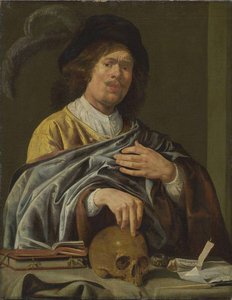
يان مينسي مولناير
1610 - 1668 , هولندا
حقائق سريعة
- Artistic Movement Or Style: الرسم في العصر الذهبي الهولندي
- Artists Or Movements Influenced By This Artist:
- Jan Steen
- Gerard ter Borch
- Artists Who Influenced This Artist:
- Frans Hals
- Adriaen van Ostade
- Date Of Birth: 1610
- Date Of Death: 1668
- Full Name: جان مينيسا مولناير
- Nationality: هولندي
- Notable Artworks:
- عازفو الموسيقى
- الثنائي
- العائلة تعزف الموسيقى
- اليد الدافئة
- Place Of Birth: هارلم، هولندا
مقالات ذات صلة

Golden Light & Dutch Skies: The Timeless Magic of Dutch Golden Age Landscapes
Discover the breathtaking beauty of Dutch Golden Age landscapes. Explore the mastery of light, chiaroscuro, and 17th-century realism through an expert art history lens, celebrating the enduring legacy of the Dutch Masters for discerning collectors and art lovers.
Charles Leickert: Capturing the Dutch Golden Age Light – A Comprehensive Study of Technique, Context, and Legacy
Explore the captivating winter landscapes of Charles Leickert, a master of Dutch Golden Age light & atmosphere. Discover his techniques, symbolism, and lasting legacy – a comprehensive study for art enthusiasts and collectors.

أفضل 10 روائع العصر الذهبي الهولندي: تحف فنية وجماليات منزلية خالدة | OriginalUniqueArt
اكتشف روائع العصر الذهبي الهولندي! استكشف 10 لوحات خالدة لرامبرانت، فيرمير وغيرهم. فن هولندي باروكي، ألوان آسرة وقصص فنية لا تُنسى. احصل على إعادة إنتاج عالية الجودة وتحف فنية لديكور منزلك مع OriginalUniqueArt.com

Golden Light & Dutch Skies: Bringing the Magic of Dutch Golden Age Landscapes into Your Home
Transform your home with the breathtaking light of Dutch Golden Age landscapes. Discover how hand-painted oil reproductions of masterworks like Ruisdael and Vermeer bring timeless elegance, atmosphere, and soulful texture to modern interiors. Elevate your space with museum-quality art.
Nicolaes Berchem: Dutch Golden Age Pastoralism & the Evolution of Landscape Painting
Explore the captivating world of Nicolaes Berchem, a leading Dutch Golden Age painter. Discover his idyllic landscapes, masterful technique & lasting influence on art history. Learn more at OriginalUniqueArt.

