
 معاينة الحجم الواقعي
 مشاركة
 مشاركة
 التفاصيل
 دليل
دليل

 تحميل الملف
 قطع مشابهة
 الأشعة السينية
 عرض شرائح
 الأسئلة والأجوبة
 الإحصائيات
LE MENDIANT


 عرض المزيد
طباعة جيلي / مطبوعات فنية
طباعة جيكلي أو كانفاس بجودة المتاحف، مع سرعة في التنفيذ وخيارات متنوعة للتشطيب. ( شراء لوحة مرسومة يدويًا الانتقال إلى الصورة الرقمية)




P118B E£10

P118H E£10

P118W E£10

P438Z E£10

P508JH E£12

P508YH E£12

P805H E£10

P805Z E£10

P919BZ E£10

P919G E£10

P919XJ E£10

P959ZH E£10

P968JZ E£12

W106C E£8

W218G E£10

W218JH E£8

W218Y E£10

W307PJ E£10

W316G E£10

W316PJ E£8

W316Y E£10

W398PJ E£8

W4111J E£10

W500HY E£15

W500JH E£15

W692G E£12

W849H E£8

W940BG E£15

W953PJ E£8




اختر من بين أحجامنا المُعدّة مسبقاً والتي تتوافق مع النسب الأصلية للعمل الفني.

أدخل العرض والارتفاع المطلوبين ليتناسب المقاس مع إطارك أو جدارك. يرجى الملاحظة أن المطبوعة يمكن قصها فقط ولا يمكن تكبيرها لتتجاوز أبعاد الصورة الأصلية، لذا فإن اختيار مقاس بأبعاد مختلفة سيؤدي إلى فقدان جزء من الصورة. سنرسل لك نموذجاً رقمياً تجريبياً لاعتماده قبل البدء في عملية الطباعة. الصورة المعروضة في هذه الصفحة لا توضح شكل القص الفعلي — النموذج التجريبي فقط هو ما يظهر ذلك بدقة.
توصيل عالمي إلى خلال أسبوعين بدلاً من المدة القياسية البالغة 4/5 أسابيع. (10 نوفمبر)

شحن سريع ومجاني لجميع أنحاء العالم

قماش كتان عالي الجودة

تأمين شامل على الشحن

ضمان استرداد الرسوم الجمركية

ضمان مطابقة الألوان الحقيقية

سياسة الإرجاع خلال 100 يوم (في حالات العيوب فقط)

ضمان استرداد نقدي بنسبة 100%

خصم عند طلب كميات
 خيار الزجاج متاح فقط للمقاسات التي تقل عن 110 سم

LE MENDIANT
طباعة جيلي / مطبوعات فنية
مقاس النسخة المطبوعة
-


إجمالي السعر النهائي
E£ 4265
Jan Miel’s “Le Mendiant”: A Window Into Baroque Dignity Amidst Poverty
The artwork "Le Mendiant," attributed to Jan Miel (1599 – 1663), stands as a poignant testament to the artistic spirit of the Dutch Golden Age and its engagement with broader humanist concerns. Painted circa 1630, this genre scene—a hallmark of Miel’s oeuvre during his formative years in Rome—captures a moment of quiet contemplation within a bustling tavern interior, offering viewers an arresting glimpse into both social realities and artistic sophistication.Composition and Style: Baroque Restraint Within Classical Framework
Miel's stylistic approach skillfully blends influences from Flemish masters like Anthony van Dyck with the burgeoning grandeur of Italian Baroque aesthetics. The horizontal orientation of the canvas immediately establishes a sense of stability, mirroring the formal balance characteristic of Baroque compositions. However, unlike the opulent theatricality often associated with Rome at the time, Miel employs subtle tonal gradations and muted colors—primarily grayscale—to convey an atmosphere of understated dignity. This deliberate restraint serves to heighten the emotional impact of the depicted scene: a beggar humbly requesting alms amidst a group of patrons engaged in conversation. The artist’s meticulous attention to detail—evident in the rendering of textures, particularly on the tavern table and the livestock visible in the background—underscores Miel's commitment to realism while simultaneously grounding the image within a broader artistic tradition.Detailed Examination: Technique and Materials
The painting utilizes oil paint on canvas with considerable skill. Brushstrokes are perceptible but carefully blended, creating a smooth surface that enhances the illusion of depth and luminosity despite the absence of vibrant hues. Layers of tonal variation—a technique favored by Miel—are skillfully applied to sculpt form and delineate contours, capturing the nuances of light and shadow within the tavern setting. The artist’s meticulous observation of natural forms—reflected in the depiction of the cows and sheep—demonstrates a profound understanding of classical principles of perspective and anatomical accuracy.Historical Context: Rome and Beyond – Miel's Artistic Journey
Jan Miel’s artistic development unfolded primarily in Rome during the 1630s, where he honed his craft under the patronage of Charles Emanuel II, Duke of Savoy—a connection that cemented his reputation as a court artist. This period witnessed a significant shift towards classicizing tendencies within Miel's oeuvre, mirroring the broader cultural revival occurring across Europe. The artwork’s subject matter – depicting poverty alongside social interaction – speaks to the humanist ideals prevalent during the Baroque era, reflecting an interest in portraying human experience with compassion and intellectual rigor.Symbolism: Dignity Amidst Adversity
“Le Mendiant” transcends mere visual representation; it embodies a deeper symbolic resonance. The beggar’s posture—characterized by humility and supplication—serves as a poignant reminder of the vulnerability inherent within the human condition. Simultaneously, the gathering of people around the table symbolizes communal life and social responsibility. The inclusion of livestock reinforces the artwork's connection to rural existence and underscores its engagement with themes of moral contemplation. Ultimately, Miel’s masterpiece invites viewers to consider not only the aesthetic beauty of the scene but also its profound ethical implications—a testament to the enduring power of art to illuminate both the grandeur and fragility of human experience.- Artist: Jan Miel
- Birth Year: 1599
- Death Year: 1663
- Birth City: Beveren
- Birth Country: Belgium
Additional Resources:
LE MENDIANT – Louvre site des collections 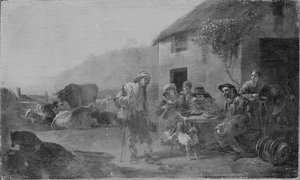
jan josef horemans the elder – Belgian painter (1682-1759) known for detailed interiors & anatomical precision.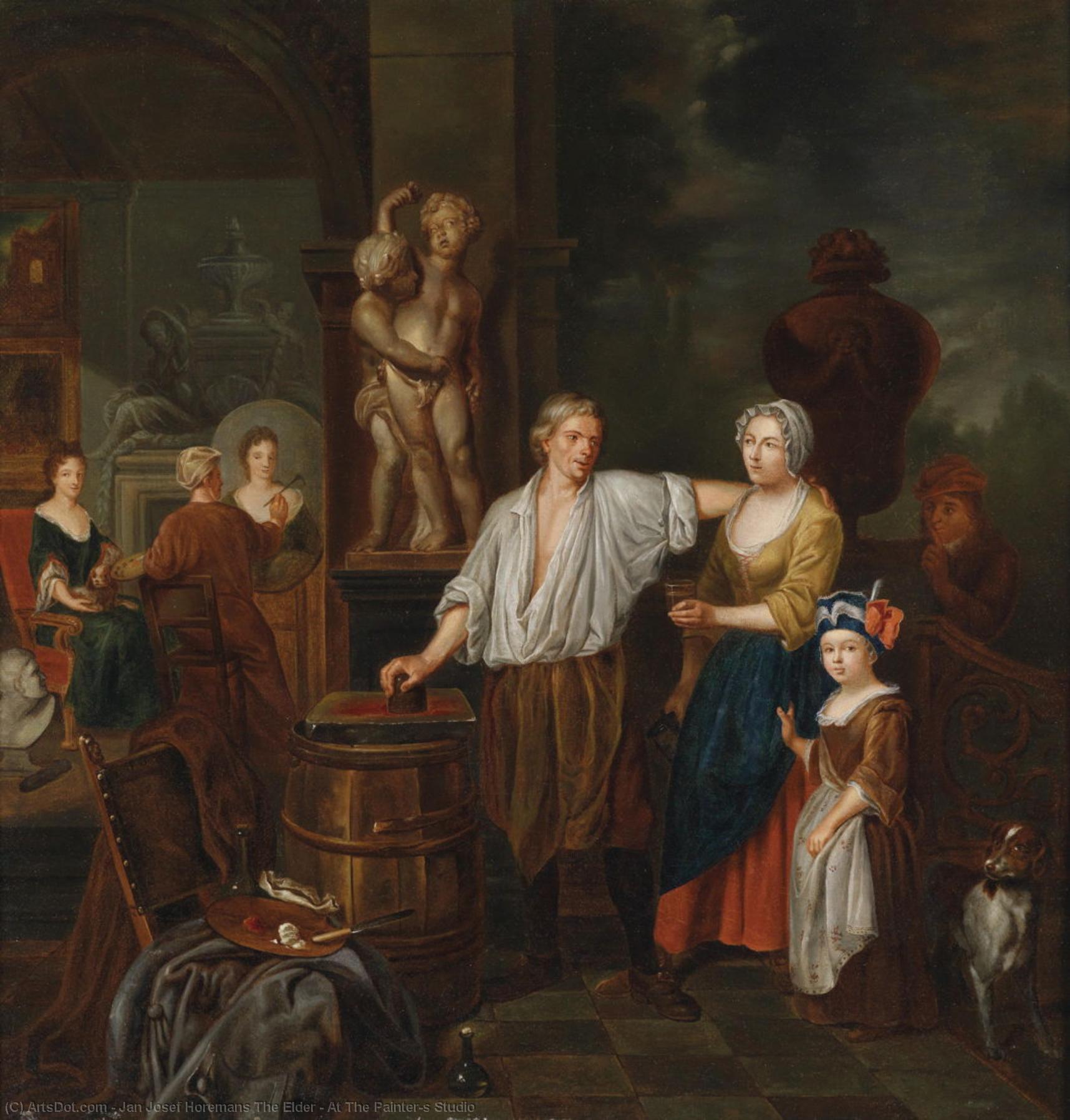
jan le ducq – Explore the captivating landscapes & animal paintings of Jan Le Ducq, a Dutch master known for his dog portraits.
Jan Miel – Cavaliere della Vita, (Anvers, 1599 - Turin, 1663) Court artist to Charles Emanuel II, Duke of Savoy.
Louvre, Paris, France – INV 1447 and MR 816 ( )
)

File:Jan Miel - The beggar.JPG – Wikimedia Commons 
Louvre Cartel – Foucart, Jacques, Catalogue des peintures flamandes et hollandaises du musée du Louvre, Gallimard / Louvre éditions, 2009, p. 182, ill. n&bCatalogue des peintures flamandes et hollandaises
الأسئلة والأجوبة
كيف يعكس أسلوب "LE MENDIANT" الحقبة الزمنية التي عاش فيها مبتكرها؟
تندرج لوحة "LE MENDIANT" للفنان يان مِييل ضمن حركة Dutch Golden Age Painting، وذلك في حقبة العصر الحديث المبكر لمبدعها.
ما سبب الوضع الحالي لحقوق الطبع والنشر لـ "LE MENDIANT"؟
تعتمد حالة حقوق الطبع والنشر لـ "LE MENDIANT" - ملك عام - انتهت مدة حماية حقوق الطبع والنشر الخاصة به - على تاريخ وفاة الفنان في 1663.
ما مدى تشبع وكثافة الألوان في "LE MENDIANT" للفنان يان مِييل؟
تتميز لوحة "LE MENDIANT" للفنان يان مِييل بدرجة تشبع تبلغ Muted وكثافة لونية تصل إلى Monochromatic.
السيرة الذاتية للفنان
يان مِيل: جسرٌ يربط بين الواقعية الهولندية وعظمة الباروك
يبرز يان مِيل (1599–1663) كشخصية محورية في المشهد الفني للقرن السابع عشر، مجسداً ذلك الالتقاء الساحر بين التقاليد الفلمنكية والابتكار الإيطالي. ولد مِيل في بيفيرن ببلجيكا—رغم أن أنتويرب و'س-هيرتوغينبوش تظلان مرشحتين لمسقط رأسه—وقد ظلت حياته المبكرة محاطة بغموض نسبي، مما جعل التفاصيل البيوغرافية عنه شحيحة. ومع ذلك، فإن ما يتكشف من خلال الأبحاث الأكاديمية هو رحلة فنية استثنائية اتسمت بالتطور الأسلوبي والمساعي التعاونية التي رسخت مكانته داخل الوسط الثقافي النابض بالحياة في روما وتورينو.
قضى سنوات تكوينه في صقل مهاراته بشكل أساسي في أنتويرب، حيث استوعب تأثيرات كبار الأساتذة الفلمنكيين مثل أنتوني فان دايك. ورغم أن النطاق الدقيق لتدريبه لا يزال عصياً على التحديد، إلا أنه بلا شك غرس في نفسه تقديراً للملاحظة الدقيقة والتقنية الرفيعة—وهي الصفات التي ميزت معظم أعماله اللاحقة. هذا التأسيس المتين في الرسم الكلاسيكي وفن البورتريه وفر له الأدوات الجوهرية لمسيرة مهنية تجاوزت في نهاية المطاف الحدود الإقليمية.
التحول الروماني وروح "البامبوتشانتي"
شكل وصول مِيل إلى روما حوالي عام 1636 لحظة تحول فارقة في مساره الفني، حيث انضم سريعاً إلى جماعة Bentvueghels، وهي رابطة مؤثرة للفنانين الهولنديين والفلمنكيين المقيمين في المدينة الخالدة. وضمن هذه الأخوية، تبنى لقباً لا يُنسى وهو ‘bieco’، وهو لقب يعكس نظرته المميزة المائلة—وهي سمة أصبحت مرادفة لشخصيته الفنية. وقد عزز هذا الانتماء روابط عميقة داخل مجتمع فني أوسع تأثر بشدة بأسلوب Bambocci تanci الذي ابتكره بيتر فان لاير.
كانت هذه الحركة مكرسة لتصوير مشاهد من الحياة اليومية بين الطبقات الدنيا في روما وضواحيها، مبتعدة عن العظمة المثالية لفن عصر النهضة العالي لصالح شيء أكثر واقعية ومباشرة. وقد احتضن مِيل هذا التوجه بكل جوارحه، منتجاً لوحات نوعية آسرة تجسد روح الحياة الحضرية بواقعية وحساسية مذهلتين، حيث تميزت أعماله غالباً بمشاهد شوارع حيوية تعج بالمسافرين والتجار والعمال، مع استخدام بارع للضوء لاستحضار الأجواء المتربة والمشمسة للأزقة الرومانية، وتجسيد التفاعل الخفي للمشاعر الإنسانية داخل الأطر الصاخبة والفوضوية، مع اهتمام دقيق بملمس الأقمشة والحجر والتراب.
التطور نحو الكلاسيكية وعظمة البلاط الملكي
مع تقدم مسيرته المهنية، خضعت رؤية مِيل الفنية لتحول جوهري؛ فبينما ظل سيداً في رسم المشاهد النوعية، بدأ يبتعد عن الواقعية الخشنة لأسلوب Bamboccianti نحو لوحات تاريخية أكثر كلاسيكية. عكس هذا التحول توجهاً أوسع في الفن الأوروبي، حيث بدأت الطاقة الخام لعصر الباروك تتهذب تدريجياً برغبة في النظام والنبل والرمزية الكلاسيكية.
قاد هذا التطور في نهاية المطاف إلى تعيينات مرموقة، أبرزها عمله كفنان بلاط لـ تشارلز إيمانويل الثاني، دوق سافوي. وفي خدمة بلاط تورينو، اتخذت أعمال مِيل طابعاً أكثر رسمية وفخامة، حيث أفسحت حميمية مشاهده الرومانية المبكرة الطريق لتكوينات ذات نطاق وتعقيد أكبر، صُممت لتعكس قوة وهيبة راعيه الملكي. تمثل هذه الفترة ذروة إنجازه المهني، حيث التقت جذوره الفلمنكية في التفاصيل مع السرديات الملحامية الواسعة التي تطلبتها الطبقة الأرستقراطية الأوروبية.
تكمن الأهمية التاريخية ليان مِيل في قدرته على التنقل بين هذه العوالم المتباينة؛ فقد كان فناناً استطاع إيجاد الجمال في الصراعات المتواضعة لطفل مشرد في شوارع روما، وإيجاد الكرامة في الحكايات الملحمية للعصور القديمة. ومن خلال جسر الفجوة بين الواقعية الدقيقة للشمال والكلاسيكية الدرامية للجنوب، ترك مِيل بصمة لا تُمحى في سجل فن القرن السابع عشر، مؤكداً إرثه كفنان عالمي حقيقي من عصر الباروك.
يان مِييل
1599 - 1663 , بلجيكا
حقائق سريعة
- Artistic Movement Or Style: بامبوتشانتي، كلاسيكي
- Artists Or Movements Influenced By This Artist: ['بيتر فان لاير']
- Artists Who Influenced This Artist: ['أنطوان فان دايك']
- Date Of Birth: 1599 بيفيرن بلجيكا
- Date Of Death: 1663
- Full Name: يان مـيل
- Nationality: فلمنكي
- Notable Artworks:
- منظر طبيعي مع معركة بين كبشين
- فرن جير روماني مع فلاحين يقامرون
- Place Of Birth: بيفيرن بلجيكا
مقالات ذات صلة

Chiaroscuro and Character: A Definitive Guide to Light and Shadow in the Dutch Baroque Era
Explore the dramatic mastery of the Dutch Baroque era. Discover how masters like Rembrandt used chiaroscuro to transform everyday life into timeless art. An expert guide for collectors and enthusiasts seeking to understand the profound interplay of light and shadow.

Dutch Baroque Masters: 10 Paintings That Shaped an Era | OriginalUniqueArt
Journey through the Golden Age with our guide to the Top 10 Dutch Baroque masterpieces! Explore iconic paintings by Rembrandt, Vermeer & Frans Hals. Find museum-quality art reproductions and elevate your home decor at OriginalUniqueArt.com.

Giclée Prints: Archival Quality & Aesthetic Nuances for the Discerning Collector
Explore the world of giclée prints with OriginalUniqueArt. Learn about archival quality, aesthetic nuances & investment potential. Expert guidance for discerning art collectors seeking museum-quality reproductions and lasting value.

Golden Age Reflections: Dutch Baroque Painting & Cultural Innovation
Explore the Dutch Golden Age of painting! Discover key artists like Vermeer & ter Borch, their innovative techniques, and the rich cultural context behind these Baroque masterpieces. Learn about collecting & appreciating this iconic art period.
Genre Painting: A Window into Daily Life & Societal Values of the Dutch Golden Age
Explore the captivating world of Dutch Golden Age genre painting! Discover realistic depictions of daily life, masterful artists like Ostade & Metsu, and hidden symbolism. Learn about this influential art movement with OriginalUniqueArt.