القائمة
استشارة فنية مجانية
معاينة الحجم الحقيقيمعاينة الحجم الحقيقي معاينة بالواقع المعززمعاينة بالواقع المعزز اشترِ نسخة مطبوعة اشترِ نسخة مطبوعةاشترِ الصورة اشترِ الصورة مشاركةمشاركة
التفاصيلالتفاصيل أضف إلى المفضلة أضف إلى المفضلة تحميل الملفتحميل الملف قطع مشابهةقطع مشابهة الأشعة السينيةالأشعة السينية عرض شرائحعرض شرائح

Hunters at Rest

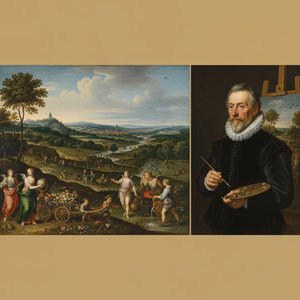
Jan Miel’s ‘Hunters at Rest,’ painted in 1650s, depicts a noble hunter and his entourage taking respite after their hunt. Executed in oil on canvas, the artwork showcases meticulous detail—from the textured clothing to the serene landscape—reflecting the artistic conventions of the Baroque period.

Jan Miel (1599-1664) was a Flemish painter active in Italy, known for his 'bamboccianti' genre scenes of Roman life & later classicizing history paintings. Court artist to Charles Emanuel II, Duke of Savoy.

نسخة زيتية مصنوعة يدوياً

لوحة زيتية مرسومة يدوياً على الكانفاس بالمقاس والإطار الذي تفضله، تُنفذ حسب الطلب على أيدي فنانينا. (اشترِ نسخة مطبوعة اشترِ نسخة مطبوعةاشترِ الصورة اشترِ الصورة)

P118B $10
P118H $10
P118W $10
P438Z $10
P508JH $12
P508YH $12
P805H $10
P805Z $10
P919BZ $10
P919G $10
P919XJ $10
P959ZH $10
P968JZ $12
W106C $8
W218G $10
W218JH $8
W218Y $10
W307PJ $10
W316G $10
W316PJ $8
W316Y $10
W398PJ $8
W4111J $10
W500HY $15
W500JH $15
W692G $12
W849H $8
W940BG $15
W953PJ $8

Standard
custom
CM
INCH

اختر من بين أحجامنا المُعدّة مسبقًا والتي تتطابق مع النسب الأصلية للعمل الفني.

العرض
الارتفاع

يمكنك إدخال أبعادك الخاصة لتناسب إطارًا معينًا أو مساحة محددة. وإذا لم يتطابق الحجم الذي اخترته مع نسب الصورة الأصلية، فسنقوم إما بقص العمل الفني أو توسيع اللوحة بإضافة عناصر مرسومة يدويًا. سيتم إرسال نموذج رقمي إليك للموافقة عليه قبل بدء الإنتاج.
يرجى ملاحظة أن المعاينة على الشاشة لا تعكس عملية القص أو التوسيع الفعلية؛ حيث إن النموذج الرقمي وحده هو الذي سيوضح التكوين النهائي بدقة.
وعلى الرغم من توفر أحجام مخصصة، إلا أننا نوصي باختيار أبعاد من القائمة المحددة مسبقًا للحفاظ على النسب الأصلية للعمل الفني.

أمثلة على التعديلات الممكنة: استبدال الوجه بصورة العميل؛ إضافة حيوان أليف (مثل استبدال قطة بكلب)؛ تضمين رسالة مخفية في الخلفية؛ تغيير المناظر الطبيعية أو العناصر في الخلفية.
بعد إتمام الطلب، سيرسل فريق OriginalUniqueArt.com بريداً إلكترونياً للعميل لطلب التعليمات وتزويده بمعاينة تجريبية (mockup).

توصيل عالمي إلى خلال 3 إلى 4 أسابيع بدلاً من المدة المعتادة البالغة 5 أسابيع. (18 أغسطس). جودة لا تهاون فيها.

why_choose_icon
شحن سريع ومجاني لجميع أنحاء العالم
why_choose_icon
قماش كتان عالي الجودة
why_choose_icon
تأمين شحن شامل
why_choose_icon
ضمان استرداد الرسوم الجمركية
why_choose_icon
ضمان مطابقة الألوان الحقيقية
why_choose_icon
سياسة الإرجاع خلال 60 يومًا (في حالات العيوب فقط)
why_choose_icon
ضمان استرداد نقدي بنسبة 100%
why_choose_icon
خصم عند طلب عدة قطع

إجمالي السعر

$ 300

reproduction

Hunters at Rest

خامة إعادة الإنتاج

مقاس النسخة المطبوعة

-

السعر الإجمالي النهائي

$ 300

معلومات سريعة

  • Title: Hunters at Rest
  • Notable elements or techniques: Detailed depiction of light and shadow; Classical draughtsmanship.
  • Subject or theme: Hunting party; Pastoral scene
  • Movement: Renaissance
  • Medium: Oil on canvas
  • Artist: Jan Miel
  • Location: Hermitage Museum

اختبار الفنون

يوجد إجابة صحيحة واحدة فقط لكل سؤال.

سؤال 1:
What artistic movement is Jan Miel’s ‘Hunters at Rest’ primarily associated with?
سؤال 2:
The painting depicts a scene from which historical period?
سؤال 3:
What is the dominant technique employed by Jan Miel in ‘Hunters at Rest’?
سؤال 4:
The image showcases a fortified tower, symbolizing what aspect of the depicted region’s history?
سؤال 5:
What is the primary purpose of the artist's use of light and shadow in ‘Hunters at Rest’?

وصف العمل الفني

Jan Miel’s Hunters at Rest (1640s/50s): A Symphony of Light and Rustic Elegance

Jan Miel's *Hunters at Rest*, housed in the Museo Nacional del Prado, stands as a cornerstone of Flemish Baroque painting—a testament to Pieter van Laer’s influence and a masterful distillation of humanist ideals. Completed around 1640-50s, this monumental canvas captures a fleeting moment of respite amidst the arduous pursuit of game, transforming it into an emblem of aristocratic leisure and contemplative beauty. More than just a depiction of hunting activity, *Hunters at Rest* embodies a profound engagement with classical aesthetics and psychological nuance—elements that cemented Miel’s reputation as one of the foremost artists of his era.

A Dialogue Between Light and Shadow: Technique and Composition

Miel's meticulous brushwork is immediately apparent upon observation. He employed oil on canvas, utilizing layering techniques to achieve an astonishing level of detail and tonal gradation—a hallmark of Baroque painting. The artist skillfully manipulated light and shadow, creating a dramatic chiaroscuro effect that sculpts the figures and architectural elements alike. Notice how the warm glow emanating from the hearth illuminates the faces of the hunters and their companions, contrasting sharply with the cool darkness enveloping the fortified tower. This interplay of illumination underscores not only the visual richness but also the psychological depth of the scene—suggesting a contemplative stillness amidst activity. The composition itself is carefully balanced, guiding the viewer’s eye across the canvas from left to right, emphasizing the grandeur of the setting and the importance of each participant.

The Bamboccianti Genre: Rustic Virtue Amidst Aristocratic Luxury

Miel belonged to the Bamboccianti—a collective of artists who championed the depiction of everyday life, particularly amongst the lower classes, in contrast to the prevailing aristocratic portraits of the time. This stylistic choice reflects a broader humanist preoccupation with portraying humanity in its natural state—acknowledging both beauty and imperfection. *Hunters at Rest* distinguishes itself from other Bamboccianti paintings by incorporating elements of aristocratic grandeur—the imposing tower, the richly adorned clothing, and the noble hunters themselves—creating a compelling juxtaposition between rustic virtue and refined elegance. The inclusion of horses and hounds reinforces this duality, symbolizing both practicality and tradition alongside sophistication and prestige.

Symbolism: Restorative Pause and Reflection on Mortality

Beyond its visual splendor, *Hunters at Rest* resonates with symbolic significance. The hunters’ pause represents a deliberate rejection of frenetic activity—a conscious acknowledgement of the transient nature of earthly existence. The hearth symbolizes warmth, comfort, and domestic tranquility—providing a counterpoint to the dangers lurking outside the tower walls. Furthermore, the gaze of the central hunter—directed upwards towards the heavens—suggests contemplation on spiritual matters—reflecting the Renaissance fascination with humanist philosophy and its exploration of human dignity and moral responsibility. The painting’s overall mood is one of serene solemnity—inviting viewers to ponder themes of honor, duty, and the enduring beauty of the natural world.

A Legacy Enduring Through Reproduction

Today, *Hunters at Rest* continues to inspire admiration for its masterful execution and profound artistic vision. High-quality reproductions offer a captivating glimpse into this iconic artwork—allowing enthusiasts worldwide to appreciate Miel’s contribution to Baroque painting and experience the enduring power of his evocative depiction of human existence. Its timeless appeal resides in its ability to convey both visual splendor and intellectual contemplation—a testament to the artist's genius and the enduring legacy of Flemish Baroque art.

السيرة الذاتية للفنان

Jan Miel: Bridging Dutch Realism and Baroque Grandeur

Jan Miel (1599–1663) stands as a pivotal figure in the artistic landscape of the seventeenth century, embodying the fascinating confluence of Flemish tradition and Italian innovation. Born in Beveren, Belgium—though Antwerp and ‘s-Hertogenbosch remain contenders for his birthplace—Miel’s early life remains shrouded in relative obscurity, leaving biographical details sparse. However, what emerges from scholarly research is a remarkable artistic journey marked by stylistic evolution and collaborative endeavors that cemented his place within the vibrant cultural milieu of Rome and Turin.

His formative years were spent honing his craft primarily in Antwerp, where he absorbed the influences of prominent Flemish masters like Anthony van Dyck. While the precise scope of his training remains elusive, it undoubtedly instilled within him an appreciation for meticulous observation and refined technique—qualities that would characterize much of his subsequent oeuvre. This foundational grounding in classical draughtsmanship and portraiture provided the essential toolkit for a career that would eventually transcend regional boundaries.

The Roman Transformation and the Bamboccianti Spirit

Miel’s arrival in Rome around 1636 signaled a transformative moment in his artistic trajectory. He swiftly joined the Bentvueghels, an influential association of Dutch and Flemish artists residing in the Eternal City. Within this brotherhood, he adopted the memorable moniker ‘bieco’, a nickname reflecting his distinctive squinting gaze—a characteristic that would become synonymous with his artistic persona. This affiliation fostered deep connections within a broader artistic community deeply impacted by Pieter van Laert’s Bamboccianti style.

This movement was dedicated to depicting scenes of everyday life amongst the lower classes in Rome and its environs, eschewing the idealized grandeur of High Renaissance art for something far more visceral and immediate. Miel embraced this trend wholeheartedly, producing captivating genre paintings that captured the spirit of urban existence with remarkable realism and sensitivity. His works often featured:

  • Lively street scenes populated by travelers, merchants, and laborers.
  • A masterful use of light to evoke the dusty, sun-drenched atmosphere of Roman alleys.
  • The subtle interplay of human emotion within crowded, chaotic settings.
  • A meticulous attention to the textures of fabric, stone, and earth.

Evolution Toward Classicism and Courtly Grandeur

As his career progressed, Miel’s artistic vision underwent a significant metamorphosis. While he remained a master of the genre scene, he began to move away from the gritty realism of the Bamboccianti toward more classicizing history paintings. This shift reflected a broader trend in European art, where the raw energy of the Baroque was increasingly tempered by a desire for order, nobility, and classical allegory.

This evolution eventually led him to prestigious appointments, most notably serving as a court artist to Charles Emanuel II, Duke of Savoy. In the service of the Turin court, Miel’s work took on a more formal and magnificent character. The intimacy of his earlier Roman scenes gave way to compositions of greater scale and complexity, designed to reflect the power and prestige of his royal patron. This period represents the pinnacle of his professional achievement, where his Flemish roots in detail met the grand, sweeping narratives required by the European aristocracy.

The historical significance of Jan Miel lies in his ability to navigate these disparate worlds. He was an artist who could find beauty in the humble struggles of a Roman street urchin and dignity in the epic tales of antiquity. By bridging the gap between the meticulous realism of the North and the dramatic classicism of the South, Miel left an indelible mark on the seventeenth-century canon, ensuring his legacy as a true cosmopolitan of the Baroque era.

Jan Miel

Jan Miel

1599 - 1663 , Belgium

حقائق سريعة

  • Artistic Movement Or Style: Bamboccianti, Classicising
  • Artists Or Movements Influenced By This Artist: ['Pieter van Laer']
  • Artists Who Influenced This Artist: ['Anthony van Dyck']
  • Date Of Birth: 1599 Beveren Belgium
  • Date Of Death: 1663
  • Full Name: Jan Miel
  • Nationality: Flemish
  • Notable Artworks:
    • Landscape with a Battle between Two Rams
    • Roman Lime Kiln with Peasants Gambling
  • Place Of Birth: Beveren Belgium