
 معاينة الحجم الواقعي
 مشاركة
 مشاركة
 التفاصيل
 دليل
دليل

 تحميل الملف
 قطع مشابهة
 الأشعة السينية
 عرض شرائح
 الأسئلة والأجوبة
 الإحصائيات
Sick woman


 عرض المزيد
طباعة جيلي / مطبوعات فنية
طباعة جيكلي أو كانفاس بجودة المتاحف، مع سرعة في التنفيذ وخيارات متنوعة للتشطيب. ( شراء لوحة مرسومة يدويًا الانتقال إلى الصورة الرقمية)




P118B E£10

P118H E£10

P118W E£10

P438Z E£10

P508JH E£12

P508YH E£12

P805H E£10

P805Z E£10

P919BZ E£10

P919G E£10

P919XJ E£10

P959ZH E£10

P968JZ E£12

W106C E£8

W218G E£10

W218JH E£8

W218Y E£10

W307PJ E£10

W316G E£10

W316PJ E£8

W316Y E£10

W398PJ E£8

W4111J E£10

W500HY E£15

W500JH E£15

W692G E£12

W849H E£8

W940BG E£15

W953PJ E£8




اختر من بين أحجامنا المُعدّة مسبقاً والتي تتوافق مع النسب الأصلية للعمل الفني.

أدخل العرض والارتفاع المطلوبين ليتناسب المقاس مع إطارك أو جدارك. يرجى الملاحظة أن المطبوعة يمكن قصها فقط ولا يمكن تكبيرها لتتجاوز أبعاد الصورة الأصلية، لذا فإن اختيار مقاس بأبعاد مختلفة سيؤدي إلى فقدان جزء من الصورة. سنرسل لك نموذجاً رقمياً تجريبياً لاعتماده قبل البدء في عملية الطباعة. الصورة المعروضة في هذه الصفحة لا توضح شكل القص الفعلي — النموذج التجريبي فقط هو ما يظهر ذلك بدقة.
توصيل عالمي إلى خلال أسبوعين بدلاً من المدة القياسية البالغة 4/5 أسابيع. (4 نوفمبر)

شحن سريع ومجاني لجميع أنحاء العالم

قماش كتان عالي الجودة

تأمين شامل على الشحن

ضمان استرداد الرسوم الجمركية

ضمان مطابقة الألوان الحقيقية

سياسة الإرجاع خلال 100 يوم (في حالات العيوب فقط)

ضمان استرداد نقدي بنسبة 100%

خصم عند طلب كميات
 خيار الزجاج متاح فقط للمقاسات التي تقل عن 110 سم

Sick woman
طباعة جيلي / مطبوعات فنية
مقاس النسخة المطبوعة
-


إجمالي السعر النهائي
E£ 4237
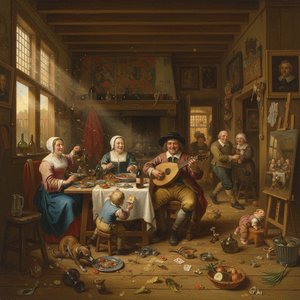
A Snapshot of Everyday Chaos: Jan Steen's "Sick Woman"
Jan Havickszoon Steen’s “The Sick Woman,” painted around 1663, isn’t a grand historical scene or a solemn portrait; it’s a vibrant, chaotic snapshot of domestic life in the Dutch Golden Age. It’s a painting that immediately grabs you with its sheer energy – a swirling tableau of figures caught in moments of confusion, suspicion, and barely-contained humor. The scene unfolds within what appears to be a modest home, dominated by a young woman lying pale and weakened on a bed. But it's not simply a depiction of illness; it’s a carefully constructed commentary on social dynamics, superstition, and the often-absurd realities of everyday existence.
Steen was a singular figure in 17th-century Dutch painting. Unlike many of his contemporaries who focused on heroic narratives or formal portraits, he dedicated himself to capturing the nuances of ordinary life – farmers’ families, tavern gatherings, schoolrooms—with an unparalleled ability to infuse these scenes with psychological insight and subtle moral lessons. His work wasn't about idealized beauty or historical grandeur; it was about revealing the complexities and contradictions inherent in human behavior. “The Sick Woman” exemplifies this perfectly, offering a glimpse into a world where appearances can be deceiving and simple gestures hold layers of meaning.
A Baroque Masterpiece: Technique and Composition
Steen’s style is distinctly Baroque, characterized by dramatic contrasts in light and shadow – *chiaroscuro* – that heighten the emotional impact of the scene. He employs a rich, vibrant palette, layering colors to create a sense of depth and movement. The figures are rendered with remarkable detail, capturing their expressions and gestures with astonishing accuracy. Notice, for example, the subtle shift in the woman’s posture as she reacts to the approaching figure, or the skeptical gaze of the man examining the strip of cloth.
The composition itself is deliberately complex, almost overwhelming at first glance. Steen masterfully uses overlapping figures and multiple viewpoints to create a sense of immediacy and involvement. The eye is constantly drawn from one detail to another, mirroring the confusion and uncertainty that permeate the scene. The dark background serves to isolate the figures, drawing our attention to their interactions and amplifying the drama.
Decoding the Scene: Symbolism and Social Commentary
“The Sick Woman” is rife with symbolism, inviting viewers to interpret its meaning. The central figure’s illness isn't simply a medical condition; it’s a catalyst for suspicion and speculation. The man examining the strip of cloth – a common practice used by charlatans to diagnose illnesses—represents the gullibility of the public and the prevalence of superstition. The woman’s reaction, a mixture of fear and curiosity, reflects the anxieties and uncertainties of the time.
Furthermore, the scene subtly critiques social hierarchies and power dynamics. The older man, seemingly in charge, is not necessarily trustworthy; his actions are driven by self-interest rather than genuine concern. The painting suggests a world where appearances can be deceiving and where authority figures are not always to be trusted. It’s a sharp commentary on the complexities of human relationships and the dangers of blindly accepting social norms.
A Window into Dutch Life: Historical Context
Painted in 1663, “The Sick Woman” reflects the vibrant cultural landscape of the Dutch Golden Age – a period of unprecedented prosperity, artistic innovation, and intellectual ferment. Steen’s work captures the spirit of this era, offering a glimpse into the everyday lives of ordinary people. The painting also reveals the anxieties and uncertainties that were prevalent during this time, including concerns about health, superstition, and social inequality.
The painting's popularity stemmed from Steen's ability to portray familiar scenes with an uncanny realism and a touch of humor. He wasn’t simply documenting life; he was interpreting it, offering viewers a mirror to their own experiences and inviting them to contemplate the complexities of human nature. “The Sick Woman” remains one of Steen’s most celebrated works, a testament to his genius as a painter and social observer.
الأسئلة والأجوبة
في أي عام أُبدعت "Sick woman" للفنان يان ستين؟
يعود تاريخ "Sick woman" إلى عام 1670، وهو ما يضع العمل ضمن المسيرة المهنية لـ يان ستين وفي سياق حقبته الزمنية.
إلى أي أسلوب ينتمي "Sick woman"؟
تنتمي لوحة "Sick woman" للفنان يان ستين إلى حركة Baroque الفنية، ويضع هذا التصنيف العمل ضمن سياق مجموعة من الفنانين والأعمال الفنية ذات الصلة.
متى تم إبداع "Sick woman"، وإلى أي مدرسة فنية تنتمي؟
أُنجزت لوحة "Sick woman" في عام 1670، ضمن حركة Baroque.
السيرة الذاتية للفنان
نشأة يان هافيكسون ستين وبداياته الفنية
يان هافيكسون ستين (1626 – 1679) هو اسم لامع في عصر الباروك الهولندي، تميز بقدرته الفريدة على التقاط حيوية وروح الدعابة الكامنة في الحياة اليومية. بخلاف العديد من الفنانين الذين ركزوا على الروايات الأسطورية العظيمة أو صور الشخصيات التاريخية الرفيعة، كرس ستين جهوده لتصوير مشاهد للحياة المنزلية – عائلات المزارعين، وتجمعات الحانات، والفصول الدراسية – مشبعة بالبصيرة النفسية والدروس الأخلاقية الدقيقة. هذا النهج المميز رسخ مكانته كأحد الأصوات الأكثر أصالة في عصره وأثر بعمق على فن الباروك. ولد ستين في مدينة لايدن بهولندا، وكانت بداياته الفنية غير تقليدية إلى حد ما بالنسبة لزمنه؛ فقد تدرب تحت إشراف هندريك ياكوبز ستوفيلس، وهو رسام معروف بصور الشخصيات والمناظر الطبيعية، مما زودّه بالمهارات الأساسية ولكنه عرّضه أيضًا لتقاليد أسلوبية كان من شأنها أن تؤثر لاحقًا على أسلوبه المتميز. ومع ذلك، سرعان ما طور ستين رؤية مستقلة، مفضلاً الرسم النوعي – وهي حركة فنية صاعدة – على الموضوعات الأكثر هيبة. يعكس هذا القرار تحولاً ثقافيًا أوسع نحو تقدير الواقعية وتصوير تعقيدات العلاقات الإنسانية في سياقات ذات صلة.الأسلوب الفني والخصائص المميزة
يتميز عمل ستين باستخدامه المتقن لتقنية *كياروسكورو*، وهي تقنيات إضاءة درامية تزيد من التأثير العاطفي وتخلق عمقًا في لوحاته. لقد راقب بدقة تفاصيل الحياة اليومية – الملابس والأثاث وتعابير الوجه – ورسمها بدقة مذهلة. ومع ذلك، لم يقتصر ستين على مجرد توثيق الواقع؛ بل استخدم بمهارة الإشارات البصرية لنقل الرسائل الأخلاقية. غالبًا ما تصور لوحاته شخصيات منخرطة في أنشطة تبدو تافهة – لاعبو البولينج، والمزارعون الذين يعتنون بحقولهم – لكن هذه المشاهد مشبعة بالرمزية، مما يدعو المشاهدين إلى التأمل في موضوعات التقوى والحماقة وعواقب السلوك البشري. خذ على سبيل المثال لوحة "لاعبو البولينج خارج حانة" (1663)، حيث تجري لعبة حيوية أمام خلفية من الديكورات الريفية، لتذكرنا بلطف بأهمية الاعتدال والمسؤولية الاجتماعية.التأثيرات الفنية والتطور الإبداعي
امتد تأثير ستين إلى ما وراء أقرانه المباشرين؛ فقد لاقى أسلوبه المبتكر صدى لدى الفنانين في جميع أنحاء أوروبا، وخاصة في فرنسا، حيث تبنى رسامو الباروك تقنياته لخلق تركيبات مشحونة عاطفياً. أعجب فنانون مثل نيكولاس سوستريس ورمبرانت بقدرة ستين على نقل الفروق النفسية الدقيقة في المشاهد البسيطة ظاهريًا – وهي سمة مميزة للجمالية الباروكية. يضم متحف مينغلينج في بروج مجموعة رائعة من لوحات ستين، مما يوفر للزوار فرصة لا مثيل لها لتقدير اتساع وعمق إنجازه الفني.أعماله الرئيسية وإرثه الدائم
من بين أشهر أعمال ستين لوحتا "يوحنا المعمدان يعظ" (1653) و "المعلم الصارم" (1668). تجسد لوحة "يوحنا المعمدان يعظ" استخدام ستين الدرامي للضوء واللون، حيث تصور لحظة كتابية محورية بإحساس ملموس بالعاطفة. تعرض اللوحة مجموعة من القرويين يستمعون بانتباه إلى خطبة يوحنا المعمدان، مضاءة بشعاع متوهج من ضوء الشمس – وهو استعارة بصرية للوحي الإلهي. وبالمثل، تصور لوحة "المعلم الصارم" مشهدًا للفصل الدراسي يعج بالتوتر والفكاهة، وتسلط الضوء على التحديات التي يواجهها المعلمون في تشكيل العقول الشابة. إن اهتمام ستين الدقيق بالتفاصيل والبصيرة النفسية يرفع هذا الموضوع الشائع ظاهريًا إلى تأمل عميق في الطبيعة البشرية والمسؤولية الأخلاقية. يستمر إرث يان ستين في إلهام الفنانين اليوم الذين يسعون إلى الأصالة والرنين العاطفي. إنه يظل رمزًا دائمًا للابتكار الفني الهولندي – وهو رسام تجرأ على الاحتفاء بجمال وتعقيد الحياة اليومية مع نقل دروس أخلاقية قيمة، مما أكد مكانته كواحد من أكثر الشخصيات تأثيرًا في تاريخ فن الباروك.
يان ستين
1626 - 1679 , هولندا
حقائق سريعة
- أعمال بارزة:
- يوحنا المعمدان يعظ
- لاعبو البولينغ
- المعلم الصارم
- الاسم الكامل: يان هافيكسون ستين
- الجنسية: هولندي
- الحركة الفنية: الرسم الهولندي الذهبي
- الفنون المتأثرة: ['فن الباروك']
- تاريخ الميلاد: لايدن، هولندا (1626)
- تاريخ الوفاة: 1679
- مكان الميلاد: لايدن، هولندا
مقالات ذات صلة

Golden Light & Dutch Skies: The Timeless Magic of Dutch Golden Age Landscapes
Discover the breathtaking beauty of Dutch Golden Age landscapes. Explore the mastery of light, chiaroscuro, and 17th-century realism through an expert art history lens, celebrating the enduring legacy of the Dutch Masters for discerning collectors and art lovers.

Golden Age Reflections: Dutch Baroque Painting & Cultural Innovation
Explore the Dutch Golden Age of painting! Discover key artists like Vermeer & ter Borch, their innovative techniques, and the rich cultural context behind these Baroque masterpieces. Learn about collecting & appreciating this iconic art period.

أفضل 10 روائع العصر الذهبي الهولندي: تحف فنية وجماليات منزلية خالدة | OriginalUniqueArt
اكتشف روائع العصر الذهبي الهولندي! استكشف 10 لوحات خالدة لرامبرانت، فيرمير وغيرهم. فن هولندي باروكي، ألوان آسرة وقصص فنية لا تُنسى. احصل على إعادة إنتاج عالية الجودة وتحف فنية لديكور منزلك مع OriginalUniqueArt.com
Jan Steen: A Master of Dutch Genre Painting & the Golden Age
Explore the life & art of Jan Steen, a leading Dutch Golden Age painter renowned for his humorous genre scenes & insightful social commentary. Discover his techniques, legacy, and collecting tips.

Dutch Baroque Masters: 10 Paintings That Shaped an Era | OriginalUniqueArt
Journey through the Golden Age with our guide to the Top 10 Dutch Baroque masterpieces! Explore iconic paintings by Rembrandt, Vermeer & Frans Hals. Find museum-quality art reproductions and elevate your home decor at OriginalUniqueArt.com.
