

 معاينة الحجم الواقعي
 إرسال
إرسال مشاركة
 عرض التفاصيل
 دليل الأعمال الفنية للطلاب

 تحميل
تحميل
 قطع مشابهة
 الأشعة السينية
 عرض شرائح متتابع
 الإحصائيات
Noah's Ark
 Oil On Canvas
- WallArt
- Baroque
 1710
1710- Renaissance
 374.0 x 374.0 cm
 Bristol Museum - Art Gallery
 اقرأ المزيد
نسخة زيتية مصنوعة يدوياً
لوحة زيتية مرسومة يدوياً على الكانفاس بالمقاس والإطار الذي تفضله، تُنفذ حسب الطلب على أيدي فنانينا. ( التبديل إلى المطبوعات التحويل إلى الصورة الرقمية)




P118B E£10

P118H E£10

P118W E£10

P438Z E£10

P508JH E£12

P508YH E£12

P805H E£10

P805Z E£10

P919BZ E£10

P919G E£10

P919XJ E£10

P959ZH E£10

P968JZ E£12

W106C E£8

W218G E£10

W218JH E£8

W218Y E£10

W307PJ E£10

W316G E£10

W316PJ E£8

W316Y E£10

W398PJ E£8

W4111J E£10

W500HY E£15

W500JH E£15

W692G E£12

W849H E£8

W940BG E£15

W953PJ E£8




اختر من بين أحجامنا المُعدّة مسبقاً والتي تتوافق مع النسب الأصلية للعمل الفني.

أدخل العرض والارتفاع اللذين تحتاجهما، ليتناسب العمل مع إطارك أو جدارك. وبما أن هذه اللوحة مرسومة يدوياً، ففي حال اختيار مقاس بشكل مختلف، يمكن للفنان رسم مساحة إضافية حول الصورة أو تقليصها قليلاً — الخيار لك. سنرسل لك نموذجاً رقمياً تجريبياً لاعتماده قبل البدء في الرسم. علماً بأن الصورة المعروضة في هذه الصفحة لا تعكس النتيجة النهائية الحقيقية — فالنموذج التجريبي هو الوحيد الذي يوضح ذلك بدقة.
بعد إتمام الطلب، سيرسل فريق OriginalUniqueArt.com بريداً إلكترونياً للعميل لطلب التعليمات وتزويده بمعاينة تجريبية (mockup).
توصيل عالمي إلى خلال 3 إلى 4 أسابيع بدلاً من المدة المعتادة البالغة 5 أسابيع. (27 أكتوبر). جودة لا تهاون فيها.

شحن سريع ومجاني لجميع أنحاء العالم

قماش كتان فاخر

تأمين شامل على الشحن

ضمان استرداد الرسوم الجمركية

ضمان دقة مطابقة الألوان

سياسة الإرجاع خلال 100 يوم (في حالات العيوب فقط)

ضمان استرداد نقدي بنسبة 100%

عرض خصم الكميات
 خيار الزجاج متاح فقط للمقاسات التي تقل عن 110 سم

Noah's Ark
وسيط إعادة الإنتاج
مقاس النسخة المطبوعة
-


إجمالي السعر
E£ 15618
Jan Griffier I’s ‘Noah’s Ark’: A Baroque Vision of Abundance
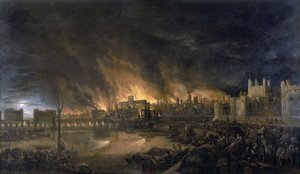
Jan Griffier I's “Noah’s Ark,” completed in 1710, is more than just a depiction of the biblical narrative; it’s a vibrant testament to the Dutch Golden Age’s fascination with nature and its capacity for lavish detail. Executed during a period when English patrons were commissioning works from Griffier – who had spent much of his career painting topographical views of England – this large-scale canvas (374 x 374 cm) embodies the artist's skill in rendering complex scenes teeming with life. The composition immediately draws the eye to a chaotic yet meticulously organized gathering of animals: ostriches, zebras, deer, swans, turkeys, and countless others, all interwoven within a richly detailed landscape. Griffier’s mastery is evident in his ability to capture both the individual character of each animal – from the proud stance of the peacock to the serene gaze of the swans – and their collective energy, creating an impression of lively movement and abundant wildlife.
- Style & Influence: The artwork firmly aligns with the Baroque and Flemish traditions, characterized by its dramatic lighting, dynamic composition, and emphasis on realism. Griffier’s training under Roelant Roghman is clearly visible in his precise line work and detailed rendering of textures – the smooth hides of the animals contrast sharply with the rougher surfaces of the ground and foliage.
- Technique: The painting's rich layering and blending of pigments, characteristic of oil paint, speaks to Griffier’s technical prowess. He skillfully employs a diffused light source, likely intended to evoke an overcast day or interior illumination, further enhancing the sense of depth and volume within the scene.
A Window into 18th-Century England
Griffier's work during this period reflects his time spent in England, where he produced views of Rhineland landscapes alongside depictions of the English countryside. This particular piece showcases a shift towards more narrative subjects, aligning with the tastes of his English patrons. The painting’s creation around 1710 places it squarely within the context of the Dutch Golden Age – a period marked by unprecedented artistic innovation and wealth, fueled in part by trade and colonial expansion. The inclusion of such a diverse array of animals suggests a broader engagement with themes of prosperity and fertility, common motifs in Baroque art.
Symbolism and Emotional Impact
"Noah’s Ark" transcends a simple biblical illustration; it's imbued with potent symbolism. The sheer abundance of life depicted can be interpreted as a celebration of nature’s bounty and diversity – a reflection of the Dutch Republic’s own flourishing economy and its mastery over the natural world. The composition evokes a feeling of wonder and delight, inviting the viewer to contemplate the beauty and power of creation. The artist's skillful use of color further amplifies this emotional impact, with splashes of vibrant hues from the birds and animal markings adding to the overall sense of dynamism and spectacle.
Provenance & Reproduction
Originally created around 1710 by Jan Griffier I, a prominent Dutch Golden Age painter active in both the Netherlands and England, this artwork represents a significant piece of art history. OriginalUniqueArt offers meticulously crafted hand-painted reproductions of “Noah’s Ark,” allowing you to bring this captivating Baroque masterpiece into your home or office. Our skilled artisans employ traditional techniques and high-quality materials to faithfully recreate Griffier's original vision, ensuring that your reproduction captures the full richness and emotional impact of this iconic work.
الأسئلة والأجوبة
ما هي الاستخدامات والمساحات الموصى بها لـ "Noah's Ark" للفنان يان غريفيير الأول؟
يُعد استخدام (Statement) وتخصيص مساحة (Living Room) من أبرز التوصيات المقترحة لـ "Noah's Ark" للفنان يان غريفيير الأول.
ما هي أبعاد "Noah's Ark" للفنان يان غريفيير الأول وحجمها؟
تُعد "Noah's Ark" للفنان يان غريفيير الأول تكويناً من نوع Square، وتبلغ أبعاد العمل الأصلي 374 x 374 cm.
كيف يتجلى التباين والانسجام في "Noah's Ark"؟
يُظهر التحليل اللوني لـ "Noah's Ark" للفنان يان غريفيير الأول تباينًا Gentle وتناغمًا Strong Color Unity.
نبذة عن الفنان
رحالة العصر الذهبي: حياة وإرث يان غريفير الأول
تعد قصة يان غريفير الأول ملحمة من الحركة، والمغامرة البحرية، والارتباط العميق بالمناظر الطبيعية المتغيرة في شمال أوروبا. وباعتباره أحد أساتذة العصر الذهبي الهولندي، لم تكن حياة غريفير محددة فقط بضربات الفرشاة على لوحاته، بل برحلاته عبر القناة الإنجليزية أيضاً. ولد في أمستردام حوالي عام 1652، ونشأ ضمن تقاليد الملاحظة الدقيقة، حيث صقل مهاراته تحت إشراف الفنان المرموق رولانت روجمان. وقد غرس هذا التدريب المبكر في نفسه دقة فائقة في الرسم وعيناً تلتقط الأنسجة الرقيقة للطبيعة، وهي الصفات التي سمحت له لاحقاً بتجسيد الآفاق الشاسعة لمنطقة الراين والسحر الريفي الحميم للريف الإنجليزي.
تميزت مسيرة غريفير المهنية بازدواجية رائعة، حيث عمل كجسر يربط بين التقاليد الفنية في هولندا وإنجلترا. وبعد قبوله في نقابة الرسامين والمصبغين في لندن عام 1677، أصبح ركيزة أساسية في المشهد الفني الإنجليزي، حيث عمل جنباً إلى جنب مع شخصيات بارزة مثل يان لوتن. كانت قدرته على التكيف هي أعظم نقاط قوته؛ فبينما يُحتفى به لمناظره الطبيعية المفعمة بالأجواء الساحرة، كان أيضاً رساماً ماهراً في فن الحفر والمنزوت.
براعة الضوء والطبوغرافيا
إن التأمل في عمل من أعمال غريفير هو تجربة لاستشعار الثقل الجوي لزمان ومكان محددين. فقد امتلك موهبة نادرة في التقاط الخصائص العابرة للطقس، سواء كان ذلك البرد القارس في مشهد شتوي مع المتزلجين أو الضوء الناعم والضبابي الذي يستقر فوق ضفاف الأنهار. ولا تقتصر مشاهد المدن التي رسمها على كونها مجرد فن، بل هي سجلات طبوغرافية لا تقدر بثمن، تفتح نافذة على الروح المعمارية للبلدات التي زارها خلال رحلاته الطويلة، مما يمنح أعماله أهمية وثائقية تحفظ تخطيط وطابع الحياة الحضرية في القرن السابع عشر بلمسة فنية مرهفة.
كانت ترسانته التقنية واسعة النطاق، حيث تراوحت من الخطوط الدقيقة للنقش إلى الأعماق اللونية الغنية لفن المنزوت، مما أتاح له استكشاف جوانب مختلفة من العالم الطبيعي:
- الرسم الطبيعي: تصويرات مؤثرة لكل من تضاريس منطقة الراين وإنجلترا، تتميز بالإحساس بالعمق والأجواء الموسمية.
- فن الحفر: رسومات دقيقة بالحفر، بما في ذلك سلسلته الشهيرة للطيور المستوحاة من فرانسيس بارلو، والتي أظهرت براعته في التفاصيل الدقيقة.
- إعادة إنتاج الصور الشخصية: أعمال المنزوت التي جسدت ملامح كبار فناني عصره، مما سد الفجوة بين الرسم والحفر.
الصمود وسط الأمواج
ربما يكون الفصل الأكثر سينمائية في حياة غريفير هو صموده الأسطوري في وجه المأساة. ففي عام 1695، وبينما كان يحاول العودة إلى هولندا مع عائلته، تعرض لحادث غرق سفينة مدمر. كانت الخسارة كاملة؛ حيث ابتلع البحر اللوحات التي حملها معه، والتي كانت تمثل نتاج عمل حياته حتى تلك اللحظة. ومع ذلك، وبدلاً من الاستسلام لليأس، أظهر غريفير إصرار الناجين الحقيقيين، حيث اشتهر بشرائه لمنزل عائم في روتردام، محولاً إياه إلى مرسم ومنزل متنقل، مما سمح له بالإبحار في الممرات المائية في أوروبا مع مواصلة مساعيه الإبداعية.
إن هذا الوجود البدوي، الذي كان مدفوعاً بالحاجة لإعالة عائلته وفنه، يؤكد روح الفنان الذي لم يكن مقيداً أبداً بشاطئ واحد. ورغم أنه عاد في النهاية إلى لندن حيث وافته المنية، إلا أن إرثه ظل متجذراً بقوة في التواريخ المترابطة للتقاليد الهولندية والإنجليزية. ومن خلال ابنيه، روبرت ويان الأصغر، استمر نسله الفني، مما ضمن أن يظل اسم غريفير مرادفاً للروح الهائمة والمؤثرة لأواخر القرن السابع عشر.
يان غريفيير الأول
1652 - 1718 , هولندا
لمحة سريعة
- أعمال فنية بارزة:
- عواصف في البحر
- تحطم سفينة
- مشاهد ميناء البحر الأبيض المتوسط
- الاسم الكامل: بونافنتورا بيترز الأول
- الجنسية: فلمنكي
- الحركة الفنية أو الأسلوب: الرسم البحري
- الفنانون أو الحركات التي تأثرت بهذا الفنان: ['المدرسة الهولندية']
- الفنانون الذين أثروا في هذا الفنان: ['كارافاجيو']
- تاريخ الميلاد: 23 يوليو 1614
- تاريخ الوفاة: 25 يوليو 1652
- مكان الميلاد: أنتويرب، بلجيكا
مقالات ذات صلة

The Visceral Stage: Exploring Dramatic Narratives & Emotional Intensity in Baroque Art
Explore the dramatic world of Baroque art! Discover iconic masters like Caravaggio & Rembrandt, their techniques, and the movement's lasting impact. Expert insights for collectors & enthusiasts at OriginalUniqueArt.

أعلى 10 روائع باروكية رسمت مسار الفن وجمالية الديكور | OriginalUniqueArt
اكتشف روائع عصر الباروك! استكشف 10 لوحات فنية خالدة مع كارافاجيو، رامبرانت وغيرهم. تاريخ الفن، أسلوب باروكي مذهل، و ديكور منزلي فاخر. تسوق إعادة إنتاج فني عالي الجودة على OriginalUniqueArt.com

Baroque Classicism: The Grandeur of Order and Drama in 17th-Century Art History
Explore the profound elegance of Baroque Classicism. Discover how 17th-century masters synthesized dramatic emotion with classical order through the lens of the Counter-Reformation and the works of legends like Carlo Maratta and Andrea Sacchi.

دراما الباروك: إحياء الفخامة والعاطفة في الدواخل المعاصرة
اكتشف سحر الباروك! دليل شامل حول الحركة الفنية، عناصرها الجمالية، وكيفية دمج فخامتها وعاطفتها في الدواخل المعاصرة. نصائح من خبراء OriginalUniqueArt لإضفاء لمسة باروكية على منزلك.

The Dramatic Flourish: Exploring the Baroque Movement's Enduring Legacy in Art History
Explore the dramatic world of Baroque art! Discover iconic artists like Caravaggio & Rubens, defining techniques, and its lasting impact on art history. Expert insights for collectors & enthusiasts at OriginalUniqueArt.