
 معاينة الحجم الواقعي
 إرسال
إرسال مشاركة
 عرض التفاصيل
 دليل الأعمال الفنية للطلاب

 تحميل
تحميل
 قطع مشابهة
 الأشعة السينية
 عرض شرائح متتابع
 Q&A
Q&A الإحصائيات
The Ford in the River

- 100.0 x 132.0 cm


 اقرأ المزيد
طباعة جيلي / مطبوعات فنية
طباعة جيكلي أو كانفاس بجودة المتاحف، مع سرعة في التنفيذ وخيارات متنوعة للتشطيب. ( اطلب نسخة مرسومة يدويًا التحويل إلى الصورة الرقمية)




P118B E£10

P118H E£10

P118W E£10

P438Z E£10

P508JH E£12

P508YH E£12

P805H E£10

P805Z E£10

P919BZ E£10

P919G E£10

P919XJ E£10

P959ZH E£10

P968JZ E£12

W106C E£8

W218G E£10

W218JH E£8

W218Y E£10

W307PJ E£10

W316G E£10

W316PJ E£8

W316Y E£10

W398PJ E£8

W4111J E£10

W500HY E£15

W500JH E£15

W692G E£12

W849H E£8

W940BG E£15

W953PJ E£8




اختر من بين أحجامنا المُعدّة مسبقاً والتي تتوافق مع النسب الأصلية للعمل الفني.

أدخل العرض والارتفاع اللذين تحتاجهما، ليتناسب مع إطارك أو جدارك. يمكن قص المطبوعة فقط، ولا يمكن أبداً جعلها أكبر من الصورة الأصلية، لذا فإن أي مقاس بشكل مختلف سيؤدي إلى فقدان جزء من الصورة. سنرسل لك نموذجاً رقمياً تجريبياً لاعتماده قبل البدء في عملية الطباعة. الصورة المعروضة في هذه الصفحة لا توضح القص الفعلي — النموذج التجريبي فقط هو ما يظهر ذلك.
توصيل عالمي إلى خلال أسبوعين بدلاً من المدة القياسية البالغة 4/5 أسابيع. (1 نوفمبر)

شحن سريع ومجاني لجميع أنحاء العالم

قماش كتان فاخر

تأمين شامل على الشحن

ضمان استرداد الرسوم الجمركية

ضمان دقة مطابقة الألوان

سياسة الإرجاع خلال 100 يوم (في حالات العيوب فقط)

ضمان استرداد نقدي بنسبة 100%

عرض خصم الكميات
 خيار الزجاج متاح فقط للمقاسات التي تقل عن 110 سم

The Ford in the River
طباعة جيلي / مطبوعات فنية
مقاس النسخة المطبوعة
-


إجمالي السعر
E£ 4178
A Timeless Encounter with the Dutch Golden Age
In the quiet depths of Jan Baptist Weenix’s 1647 masterpiece, "The Ford in the River," one finds much more than a mere landscape; one discovers a portal into the soul of the Dutch Golden Age. This monumental canvas, currently preserved within the hallowed halls of the Hermitage Museum, serves as a breathtaking testament to an era where art began to bridge the gap between the rugged reality of Northern Europe and the idealized grandeur of the Italian Renaissance. As your eyes wander across the textured surface, you are immediately swept into a scene of pastoral vitality, where the rhythmic pulse of rural life meets the enduring stillness of antiquity.
The composition is a masterclass in narrative depth, presenting a world teeming with anecdotal detail and human connection. At the heart of the river crossing, figures engage in the humble, everyday rituals of 17th-century existence—a horseman pauses in conversation, while nearby, the subtle movements of travelers and livestock create a sense of spontaneous motion. Weenix does not merely observe; he orchestrates a symphony of movement, where the glistening surface of the water and the heavy, brooding clouds above suggest a fleeting moment captured in the amber of time. For the discerning collector or interior designer, this painting offers an unparalleled sense of gravitas, bringing a sophisticated historical weight to any curated space.
The Alchemy of Light and Italianate Vision
What truly elevates Weenix above his contemporaries is his audacious embrace of the Italianate style. Having traveled through Rome, the artist infused the Dutch landscape with a sense of classical majesty that was revolutionary for its time. The presence of architectural ruins—majestic pillars that hint at a lost, glorious past—transforms a simple river ford into a stage for epic contemplation. This juxtaposition of the ephemeral (the flowing water and passing travelers) against the eternal (the stone ruins) invites the viewer to reflect on the cyclical nature of civilization and the persistence of beauty amidst decay.
Technically, the painting is a triumph of chiaroscuro. Weenix utilizes a dramatic interplay between light and shadow to sculpt the landscape, creating a three-dimensional relief that feels almost tactile. The way the late afternoon light catches the white coat of a prominent horse or illuminates the folds of a traveler's garment demonstrates a profound understanding of tonal richness. Through his meticulous use of oil on canvas, Weenix achieves a textural nuance—from the translucent ripples of the river to the coarse texture of animal hides—that continues to captivate the modern eye. To possess a reproduction of such a work is to invite this masterful manipulation of light into one's own environment, fostering an atmosphere of warmth, depth, and intellectual intrigue.
An Emotional Resonance for the Modern Collector
Beyond its technical brilliance, "The Ford in the River" resonates on a deeply emotional level. It evokes a profound sense of tranquility juxtaposed with endeavor. There is a nostalgic pull to the scene, a longing for a world where the pace of life was dictated by the movement of the seasons and the flow of the river. For those seeking to decorate a sanctuary or a professional study, this artwork provides a focal point that is both stimulating and calming. It does not demand attention through loud colors, but rather earns it through its intricate layers of meaning and its ability to transport the viewer to a different century.
Whether you are an art historian drawn to its stylistic evolution or an interior enthusiast looking for a piece that embodies classical elegance, Weenix’s vision remains strikingly relevant. The painting stands as a bridge between eras, blending the scientific realism of the Dutch tradition with the poetic idealism of the South. It is a piece that rewards repeated viewing, revealing new details—a hidden figure, a shift in the cloudscape, a subtle glint of light—each time it is encountered, making it an enduring investment for any collection dedicated to the heights of European art history.
الأسئلة والأجوبة
كم عدد الأشخاص الذين يشاهدون "The Ford in the River"؟
توجد صفحة الإحصائيات خاصة بـ "The Ford in the River"، حيث تعرض مخططاً للزيارات الشهرية لهذا العمل الفني ولأعمال الفنان الأخرى، مع تفصيل حسب الدولة واللغة.
كم كان عمر جان بابتيست وينيك عندما أُبدع العمل "The Ford in the River"؟
كان عمر جان بابتيست وينيك يبلغ 26 عاماً عند إبداع العمل "The Ford in the River" في عام 1647. تم حساب العمر بناءً على سنة ميلاد الفنان، 1621.
هل يمكنني رؤية "The Ford in the River" للفنان جان بابتيست وينيك تحت إضاءات مختلفة؟
يمكن فحص "The Ford in the River" طبقة تلو الأخرى عبر صفحة الأشعة السينية الخاصة بالعمل الفني، وهو عرض تفاعلي مستوحى من طاولة الإضاءة التي يستخدمها المرممون، ويقدم إحدى عشرة قراءة بصرية للصورة.
نبذة عن الفنان
رؤيوي العصر الذهبي الهولندي
يتجلى جان بابتيست وينيك كشخصية فريدة ضمن حقبة العصر الذهبي الهولندي، حيث احتُفي به لأسلوبه المتميز الذي يمزج بين دقة الملاحظة المتناهية والرؤية الخيالية الساحرة. ورغم أن نتاجه الفني كان متواضعاً نسبياً مقارنة بمعاصريه من عمالقة مثل رامبرانت أو فيرمير، إلا أن إسهام وينيك في تاريخ الفن الهولندي لا يمكن إنكاره؛ وتحديداً استكشافه الرائد للمناظر الطبيعية الإيطالية الممزوجة بالشخصيات البشرية، مما أرسى سابقة أسلوبية ظل صداها يتردد عبر الأجيال المتعاقبة. ولد وينيك في أمستردام عام 1621 بالقرب من الميناء الصاخب، وانحدر من عائلة من المعماريين، وهو نسب لعلّه صاغ سنوات تكوينه وسط الحراك الفكري والهيكلي الذي ميز تلك الحقبة.
وعلى الرغم من التحديات الشخصية التي واجهها — إذ تشير الروايات إلى أنه عانى من صعوبات في النطق بسبب حالة طبية — إلا أن وينيك امتلك شغفاً متقداً بالأدب والفن، وهو شغف رعته أمٌّ سعت جاهدة لترتيب فترة تدريبه تحت يد جان ميكر، صهر رامبرانت. هذا التدريب المبكر غرس فيه نهجاً منضبطاً في الرسم والملاحظة، ليصبح السمة المميزة لأعماله بأكملها. كما صقل مهاراته في أوتريخت تحت إشراف أبراهام بلومارت، ثم عاد إلى أمستردام ليدرس على يد كلايس كورنيليسز مويرت، مما عزز جذوره الراسخة في التيارات الفنية السائدة في هولندا.
رحلة عبر الضوء والمناظر الطبيعية
لقد تغير مسار مسيرة وينيك المهنية بشكل عميق بفضل رحلاته، وأبرزها رحلته إلى روما عام 1643 برفقة نيكولاس بيترزون بيرشيم. سمحت له هذه الرحلة بالانخراط في الوسط الفكري والفني النابض بالحياة لنقابة Bentvueghels، وهي تجربة دفعت به نحو نطاق أسلوبي أكثر اتساعاً. وفي روما، تبنى الأسلوب الإيطالي الذي يتميز بالضوء الذهبي الدافئ والمناظر الطبيعية الكلاسيكية التي تباينت بجمال أخاذ مع النغمات الأكثر برودة وكآبة للرسم الهولندي التقليدي. وقد مكنته فترة التأثير الروماني هذه من إتقان فن "المناظر الطبيعية الإيطالية"، حيث أعيد تصور الجمال الوعر لأوروبا الجنوبية من خلال عدسة أوروبية شمالية.
وغالباً ما مزجت أعماله في تلك الحقبة بين عظمة المشاهد الكلاسيكية والعناصر البشرية الحميمة؛ فسواء كان يصور مشاهد الموانئ التي تهمس بقصص التجارة البحرية، أو الآفاق الواسعة التي تستحضر شعوراً بالخلود، فقد امتلك وينيك قدرة فريدة على التقاط روح المكان. ولم تقتصر براعته على الآفاق الشاسعة فحسب، بل كان بارعاً بنفس القدر في تجسيد الواقع الهادئ والملموس للحياة من خلال لوحاته للطبيعة الصامتة. وقد اتسمت تصويراته للطرائد والحيوانات بواقعية مذهلة، حيث نُفذت كل تفصيلة — من الفراء الخشن لكلب الصيد إلى اللمعان الرقيق للريش — بدقة تحبس الأنفاس.
إرث الواقعية والإبداع الفني
تكمن أهمية جان بابتيست وينيك في قدرته على جسر الفجوة بين الواقعية الخشنة للتقاليد الهولندية والجمال المثالي للحركة الإيطالية. وقد سمحت له مرونته بالتنقل بين موضوعات متنوعة، من التوتر الدرامي الموجود في أعمال مثل بعد الصيد إلى الكثافة الهادئة والموحشة أحياناً في دراساته للحيوانات. ومن خلال ريشته، يُدعى المشاهد للدخول في عالم تذوب فيه الحدود بين العالم الطبيعي الملحوظ والماضي الكلاسيكي المتخيل بشكل بديع.
وعندما نتأمل في حياته وأعماله، نجد عدة عناصر جوهرية تحدد أهميته الخالدة:
- الابتكار الأسلوبي: لقد كان رائداً في دمج عناصر المناظر الطبيعية الإيطالية في التقاليد الهولندية، مما خلق لغة بصرية جديدة لمعاصريه.
- الإتقان التقني: سمح له تدريبه المنضبط بتحقيق مستوى استثنائي من التفاصيل في كل من المناظر الطبيعية واسعة النطاق ولوحات الطبيعة الصامتة الحميمة.
- تعدد المواهب: إن قدرته على التنقل بسلاسة بين مشاهد الموانئ، وموضوعات الصيد، وبورتريهات الحيوانات، تظهر اتساعاً نادراً في موهبته.
- الأثر التاريخي: كعضو في نقابة Bentvueghels، ساعد في تعزيز التبادل الدولي للأفكار الفنية التي حددت ملامح عالم الفن في القرن السابع عشر.
ورغم أن حياته كانت قصيرة نسبياً، حيث انتهت في عام 1661، إلا أن البصمة التي تركها جان بابتيست وينيك لا تزال مرئية في تطور فن رسم المناظر الطبيعية؛ فقد علم الأجيال القادمة كيف ينظرون إلى الأفق ليس كمجرد حدود، بل كلوحة فنية للضوء والتاريخ والعاطفة الإنسانية.

جان بابتيست وينيك
1621 - 1661 , هولندا
لمحة سريعة
- Artistic Movement Or Style: العصر الذهبي الهولندي
- Artists Or Movements Influenced By This Artist: ['الرسم الإيطالي']
- Artists Who Influenced This Artist:
- أبراهام بلوميرت
- كلاس كورنيليسز موييرت
- Date Of Birth: أمستردام، هولندا (1621)
- Date Of Death: 1661
- Full Name: يان بابتيست وينيك
- Nationality: هولندي
- Notable Artworks:
- بعد الصيد
- المصلح وكلبه
- كلب وقطة بالقرب من غزال متشرح جزئياً
- Place Of Birth: أمستردام
مقالات ذات صلة

أفضل 10 روائع العصر الذهبي الهولندي: تحف فنية وجماليات منزلية خالدة | OriginalUniqueArt
اكتشف روائع العصر الذهبي الهولندي! استكشف 10 لوحات خالدة لرامبرانت، فيرمير وغيرهم. فن هولندي باروكي، ألوان آسرة وقصص فنية لا تُنسى. احصل على إعادة إنتاج عالية الجودة وتحف فنية لديكور منزلك مع OriginalUniqueArt.com
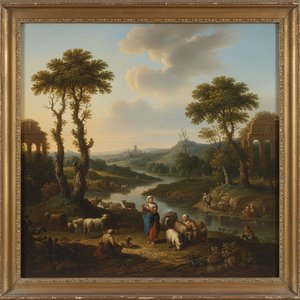
Nicolaes Berchem: Dutch Golden Age Pastoralism & the Evolution of Landscape Painting
Explore the captivating world of Nicolaes Berchem, a leading Dutch Golden Age painter. Discover his idyllic landscapes, masterful technique & lasting influence on art history. Learn more at OriginalUniqueArt.

Golden Light & Dutch Skies: The Timeless Magic of Dutch Golden Age Landscapes
Discover the breathtaking beauty of Dutch Golden Age landscapes. Explore the mastery of light, chiaroscuro, and 17th-century realism through an expert art history lens, celebrating the enduring legacy of the Dutch Masters for discerning collectors and art lovers.

Golden Light & Dutch Skies: Bringing the Magic of Dutch Golden Age Landscapes into Your Home
Transform your home with the breathtaking light of Dutch Golden Age landscapes. Discover how hand-painted oil reproductions of masterworks like Ruisdael and Vermeer bring timeless elegance, atmosphere, and soulful texture to modern interiors. Elevate your space with museum-quality art.
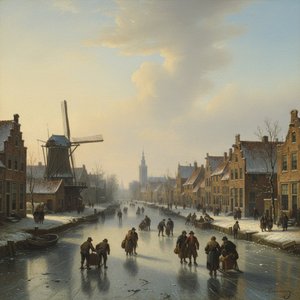
Charles Leickert: Capturing the Dutch Golden Age Light – A Comprehensive Study of Technique, Context, and Legacy
Explore the captivating winter landscapes of Charles Leickert, a master of Dutch Golden Age light & atmosphere. Discover his techniques, symbolism, and lasting legacy – a comprehensive study for art enthusiasts and collectors.