- الرئيسية

- طباعة على كانفاس
- jakub syrkowski
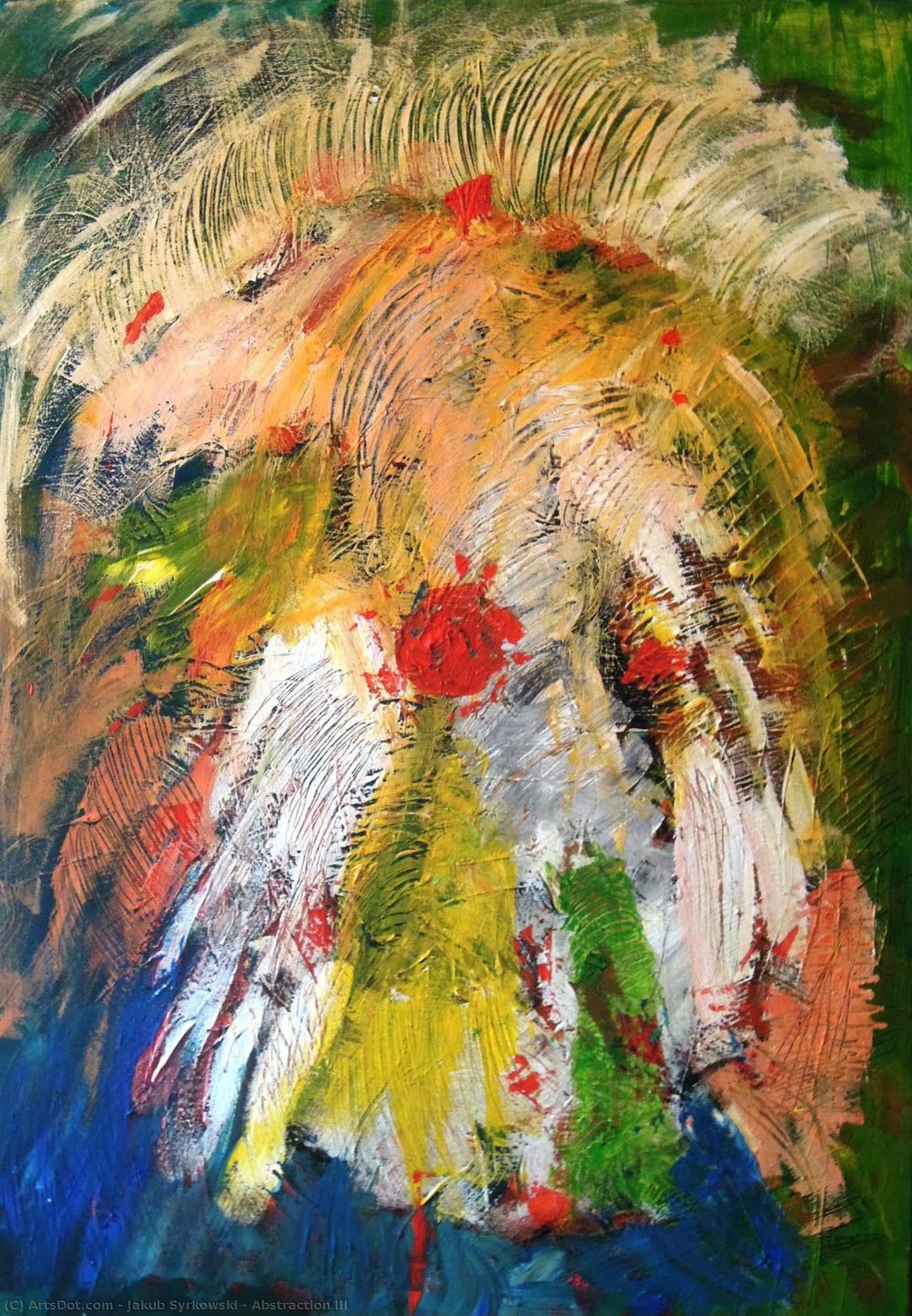
- Abstraction III
 Preview
 اطلب نسخة مرسومة يدوياً شراء الصورة بدقة عالية
 مشاركة
 مشاركة
 التفاصيل
 أضف إلى المفضلة

 تحميل الملف
 قطع مشابهة
 الأشعة السينية
 عرض شرائح
Abstraction III
 2014
2014 100.0 x 70.0 cm
 Student Artworks Foundation
 عرض المزيد
طباعة جيلي / مطبوعات فنية
طباعة جيكلي أو كانفاس بجودة المتاحف، مع سرعة في التنفيذ وخيارات متنوعة للتشطيب.




































اختر من بين أحجامنا المُعدّة مسبقًا والتي تتطابق مع النسب الأصلية للعمل الفني.

يمكنك إدخال أبعادك الخاصة لتناسب إطاراً أو مساحة معينة. وإذا لم يتطابق الحجم الذي اخترته مع نسب الصورة الأصلية، فسنقوم إما بقص العمل الفني أو تمديد الصورة باستخدام حافة معكوسة أو بلون مصمت. سيتم إرسال نموذج تجريبي رقمي لاعتمادك قبل بدء الإنتاج.
يرجى ملاحظة أن المعاينة على الشاشة لا تعكس عملية القص أو التمديد الفعلية؛ حيث سيوضح النموذج التجريبي فقط التكوين النهائي بدقة.
وعلى الرغم من توفر أحجام مخصصة، إلا أننا نوصي باختيار أبعاد من القائمة المحددة مسبقاً للحفاظ على النسب الأصلية.
توصيل عالمي إلى خلال أسبوعين بدلاً من المدة القياسية البالغة 4/5 أسابيع. 23 يوليو

شحن سريع ومجاني لجميع أنحاء العالم

قماش كتان عالي الجودة

تأمين شحن شامل

ضمان استرداد الرسوم الجمركية

ضمان مطابقة الألوان الحقيقية

سياسة الإرجاع خلال 60 يومًا (في حالات العيوب فقط)

ضمان استرداد نقدي بنسبة 100%

خصم عند طلب عدة قطع
 خيار الزجاج متاح فقط للمقاسات التي تقل عن 110 سم

Abstraction III
طباعة جيلي / مطبوعات فنية
مقاس النسخة المطبوعة
-


السعر الإجمالي النهائي
-
السيرة الذاتية للفنان
A Cartographer of Memory: The Emerging Vision of Jakub Syrkowski
Jakub Syrkowski, born in Olsztyn, Poland in 1993, is a young artist rapidly establishing himself as a compelling voice within the contemporary art landscape. His work isn’t easily categorized; it exists at the intersection of painting, photography, installation, and film—a testament to his restless curiosity and refusal to be confined by traditional artistic boundaries. Syrkowski's journey began with formal training, first at the University of Mikolaj Kopernik in Torun before continuing his studies at the Academy of Fine Arts in Wrocław, a city renowned for its vibrant arts community and experimental spirit. It was within these academic walls that he began to cultivate the core themes that now define his practice: explorations of memory, identity, and the often-elusive nature of personal history.The Language of Absence and Suggestion
Syrkowski’s paintings are not about direct representation but rather evoke a sense of atmosphere and emotional resonance. He employs a muted palette, favoring grays, blues, and ochres that lend his canvases an air of melancholic beauty. Forms emerge from the background like half-remembered dreams, often fragmented or obscured, suggesting a past that is both present and perpetually out of reach. His technique frequently involves layering textures and washes, creating surfaces that feel simultaneously delicate and substantial. This approach isn’t accidental; it mirrors the way memories themselves are constructed—not as pristine recordings but as reconstructions shaped by time, emotion, and subjective experience. The artist doesn't seek to *show* us a memory, but rather to create a space where we can encounter our own. His photographic work shares this same sensibility, often featuring blurred figures or desolate landscapes that hint at narratives without explicitly revealing them.Beyond the Canvas: Installation and Film
While painting forms the foundation of Syrkowski’s artistic vocabulary, he extends his explorations into three-dimensional space through installation art. These works are immersive environments designed to envelop the viewer, often incorporating found objects, soundscapes, and projections that further amplify the themes of memory and identity. He views these installations as extensions of his paintings—opportunities to create a more visceral and multi-sensory experience. Syrkowski’s foray into filmmaking adds another layer of complexity to his practice. His short films are characterized by their poetic imagery, non-linear narratives, and haunting sound design. They often explore the relationship between personal history and collective trauma, drawing inspiration from Polish folklore and the country's complex past.Influences and Artistic Lineage
Identifying Syrkowski’s direct influences is a nuanced undertaking. His work doesn’t neatly align with any single artistic movement, but rather draws upon a diverse range of sources. The atmospheric paintings of Caspar David Friedrich resonate in his use of landscape as a vehicle for emotional expression, while the fragmented narratives of filmmakers like Chris Marker and Tarkovsky can be seen in his cinematic explorations.- A clear connection exists with the tradition of Polish Romanticism, particularly its emphasis on national identity and the power of myth.
- The work of contemporary installation artists such as Mirosław Bałka, who also explores themes of memory and trauma, provides a further point of reference.
- His use of photography echoes the New Objectivity movement, with its focus on stark realism and social commentary.
A Rising Voice in Contemporary Art
Despite his relatively young age, Jakub Syrkowski has already garnered significant attention within the Polish art world. He has participated in numerous group exhibitions across Poland and has presented several successful solo shows, demonstrating a growing demand for his evocative and thought-provoking work. His ability to seamlessly integrate different artistic mediums—painting, photography, installation, and film—sets him apart from his contemporaries. Syrkowski’s historical significance lies not in adhering to established conventions but in forging a new path—one that embraces ambiguity, celebrates the power of suggestion, and invites viewers to confront their own personal histories. As he continues to develop his unique artistic vision, Jakub Syrkowski promises to be a significant force in contemporary art for years to come.
jakub syrkowski
1993 - , Poland
حقائق سريعة
- Artistic Movement Or Style: Multi-media art
- Date Of Birth: 1993
- Full Name: Jakub Syrkowski
- Nationality: Polish
- Place Of Birth: Olsztyn, Poland

